
How to Safely Fix a Pool Heater Yourself

Check the water flow first. Most pool heaters shut off because a dirty filter or packed skimmer basket blocks circulation, which trips internal safety sensors. Restoring steady water flow and confirming your basic switch settings will resolve most sudden shutdowns without an expensive service call.
The right fix depends on the heater style and the exact symptom you see. Patching a minor pipe drip or a solar panel channel is a straightforward repair. However, unlit gas burners, odd electrical error codes, and high-voltage wiring carry real hazards that change the equation. The steps below walk through how to diagnose the trouble, safely tackle basic flow and leak issues, and know exactly when to call in a professional.
The Short Version
- Restore water flow first: Most pool heaters stop running because weak water pressure trips the internal water flow sensor (a safety switch that monitors water movement). Cleaning your skimmer baskets, emptying the pump strainer basket, and rinsing your filter will resolve most sudden shutoffs.
- Verify settings and electrical switches: Check that the main electrical breaker has not tripped, the heater power switch is flipped on, and your thermostat setpoint is at least five degrees higher than the current pool water temperature.
- Patch small pipe drips and solar panels yourself: Small plumbing leaks at exterior pipe joints or pinholes along rooftop solar collectors can easily be repaired using heavy-duty waterproof tape or channel plug kits.
- Call a licensed technician for gas or wiring issues: Gas supply line repairs, faulty automatic burner ignition modules, and corroded heating tubes inside the firebox are strict stopping points for homeowners. If you smell gas, spot scorched wires, or hear loud banging sounds, shut the unit off immediately and call an expert.
Step 1: Check Power, Switches, and Thermostat Settings
Before unscrewing any access panels, confirm that your pool equipment is actually asking for heat. It sounds obvious, but a bumped toggle switch or an accidental setting change causes a surprisingly large number of service calls. Take five minutes to review this basic operational checklist:
- Thermostat setpoint: Make sure the temperature control is set higher than the current water temperature. If your pool water is currently 78 degrees and your heater is set to 76 degrees, the unit will remain idle. Turn the thermostat dial or digital control up to at least 82 degrees to demand heat.
- Operating mode: Digital heaters often have separate settings for pool mode and spa mode. Confirm that your unit is set to the correct mode, since each setting holds its own independent temperature memory.
- Main power switch and breakers: Look for a dedicated toggle switch or rocker switch on the bottom or side of the heater casing. Next, verify your main breaker panel. If your heater or circulation pump connects to an outdoor GFCI outlet (a protected ground-fault outlet with a weatherproof cover), push the reset button to make sure it has not tripped.
- Pump timer and automation schedules: Pool heaters cannot operate unless your circulation pump is actively pushing water through the plumbing. If your pool timer has turned off the pump for the evening, or if your automated control system has shut down the circulation cycle, the heater will stay off.
- Fireman switch on mechanical timers: Older pool time clocks feature a small secondary clip called a fireman switch. This small switch shuts off the heater about twenty minutes before the pump turns off so the equipment can cool down safely. If this switch is bent or stuck, the heater will never fire up.
Step 2: Clear Water Flow Through Baskets and the Filter
If your heater turns on, clicks, and then shuts down after a few seconds with a flow error code, your pool water circulation is almost certainly restricted. Pool heaters generate massive amounts of heat. To keep internal components from melting, every heater relies on a water flow sensor (commonly referred to by technicians as a pressure switch). When water flow drops below a safe minimum, this sensor immediately cuts power to the heating cycle.
You can clear flow restrictions yourself without buying replacement parts by following these steps:
- Turn off the heater and circulation pump: Always shut down your equipment before opening strainer lids or turning plumbing valves.
- Empty the skimmer baskets: Pull the skimmer baskets out from your pool deck. Dump out leaves, twigs, and trapped debris that choke the pump intake line.
- Clear the pump strainer basket: Remove the clear lid on your pool pump. Pull out the internal strainer basket, tap out pine needles or trapped hair, rinse it clean, and seat it back in place before sealing the pump lid securely.
- Clean your pool filter: A dirty filter creates heavy backpressure that prevents water from reaching the heater fast enough. If you run a sand or diatomaceous earth (DE) filter, run a standard backwash cycle until the sight glass runs crystal clear. If you use a cartridge filter, pull the pleated filter elements out of the tank and hose off all built-up oils and dirt.
- Open all return valves fully: Check your plumbing manifold. Ensure that return line valves sending water back to your pool jets are completely open. A partially closed three-way valve restricts volume and fools your water flow sensor into thinking the pump is shut off.
- Prime the pump and restart the system: Start the circulation pump first and wait until water fills the pump pot without large air bubbles. Once water flows steadily through your return jets, switch the heater on. In most cases, the error light will clear and the heating cycle will start normally.
Step 3: Inspect Air Vents, Burner Trays, and Panels for Blockages
Pool heaters spend their entire lives outdoors. Over fall and winter, spiders, mice, mud daubers, and blowing leaves find their way into dark heater enclosures. Gas heaters require a steady draft of fresh air for clean combustion, while electric heat pumps require clear airflow across their large outer metal fins to pull warmth from the air.
When airflow or exhaust vents become restricted, heat builds up trapped inside the cabinet. This causes a safety overheat switch (technically called a high limit switch) to trip, cutting off the system to prevent a fire. Here is how to inspect and clear blockages safely:
First, switch off the electrical breaker to the heater and turn the manual gas supply valve to the off position. Never reach inside a heater cabinet while power or gas is connected. Remove the outer door or access panel by loosening the thumbscrews or panel latches.
Look into the lower burner tray if you have a gas heater. Rodents often pull insulation down to build nests directly on top of the burner orifices. Use a flashlight to check for cobwebs inside the small metal tubes leading into the burners. Spiders love the smell of gas additives and build tiny, dense webs inside these tubes, which prevents gas from mixing properly with air.
Use a soft-bristle nylon brush and a handheld shop vacuum to gently clear out leaves, cobwebs, and dried dirt. Do not poke metal screwdrivers into delicate burner holes or pull on thin electrical sensor wires. On heat pumps, use a gentle garden hose spray from the inside of the casing outward to rinse leaves and dirt out of the metal radiator fins. Once the interior is clean and dry, reinstall the panels, turn the gas and power back on, and start the system.
Step 4: Fix Minor Plumbing and Solar Panel Leaks
Puddles around your pool heater waste water, drop system pressure, and can short out electrical components. While internal leaks inside a gas combustion chamber require specialized repair, you can fix exterior PVC plumbing drips and solar panel punctures with basic tools.
Follow these numbered steps to patch minor exterior leaks:
- Isolate the source of the leak: Dry the wet equipment with a towel, run the circulation pump, and watch carefully. Check whether the water is dripping from an exterior threaded union, a hairline split in a PVC pipe, or directly from the bottom of the heater cabinet.
- Snug loose plumbing unions: If the leak comes from a threaded union nut right where the PVC pipe joins the heater inlet or outlet, turn off the pump. Unscrew the union collar by hand, check that the internal rubber O-ring is seated flat and free of grit, apply a thin coat of silicone pool lubricant, and hand-tighten the collar firmly. Never use heavy pipe wrenches that can crack plastic fittings.
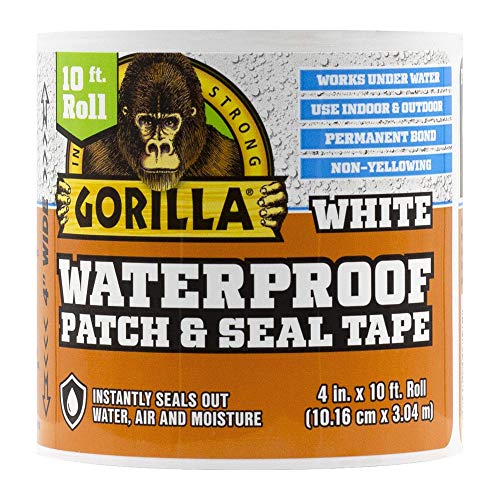
- Seal minor pipe splits with waterproof tape: If you find a hairline split on an exterior PVC return pipe or low-pressure hose, shut off the pump and let the pipe dry. Wrap heavy-duty waterproof patch tape tightly around the pipe, extending at least two inches past both sides of the crack. Pull the tape firmly as you wrap to create an airtight, watertight bond that seals out moisture under standard return pressure.
- Plug punctures on solar pool panels: Rooftop solar systems heat water by pushing pool circulation through dozens of tiny plastic channels. If a falling branch or bird pecks a hole in a single narrow solar water channel (often called a riser tube), you do not need to replace the whole collector panel. Turn off your pool pump to relieve pressure. Use a sharp utility knife to slice through the damaged channel directly above and below the puncture. Insert a rubber repair plug into both cut open ends using the insertion tool included with universal solar plug packs. The plugs isolate that single small channel while allowing water to circulate freely through the rest of the panel for another fifteen to twenty years.
Step 5: Red Flags That Require a Licensed Professional
Troubleshooting external switches, clearing filters, and plugging minor water lines are safe DIY projects. Tampering with complex fuel components or high-voltage circuits is not. Modern pool heaters run on 240-volt electrical lines and burn natural gas or propane at high rates. If you encounter any of the following warning signs, step back and contact a certified pool technician or licensed gas fitter:
- The smell of rotten eggs or raw gas: Natural gas and propane companies add a distinct sulfuric odor to help homeowners detect leaks. If you smell gas anywhere near your heater pad, do not flip any switches or attempt to light the unit. Back away from the area immediately and call your local gas utility provider or emergency services from a safe distance.
- Loud banging or delayed ignition: If you turn on your heater and hear a loud "whoosh" or booming sound several seconds later, the automatic lighting system (technically called the ignition control) is failing. Delayed ignition means unburned gas is pooling inside the fire chamber before finally catching fire, which can blow the metal doors off the cabinet.
- Water dripping directly from the firebox: If water pours out of the bottom burner tray beneath a gas heater, the internal water heating tubes (known as the heat exchanger) have corroded or cracked. This usually happens after years of acidic pool water running through the metal. Replacing internal water heating tubes requires dismantling the core of the heater and should only be handled by an experienced professional.
- Melted wires or scorched control boards: If you open the top control panel and spot blackened wire insulation, melted plastic terminals, or a smell of burnt electronics, do not touch the wiring. A short circuit or power surge has occurred, requiring proper diagnostic meters to trace safely.
- Loose or missing bonding wires: Your pool heater must have a thick, bare copper wire bolted to an external grounding lug on the metal casing. This wire keeps stray electrical currents from traveling through your pool water. Review our guide on how to ground and bond an inground pool to prevent shocks to verify that your heater and pump remain safely connected to your pool pad bonding network.
Helpful Repair Supplies to Keep Around Your Pool Pad
Keeping a small kit of universal repair items on hand saves time when simple leaks or flow issues strike your pool equipment. For solar heating panels, universal plug packs let you seal punctured channels in minutes without draining your system or calling for a service truck. When buying plugs, confirm the diameter of your solar panel channels, since narrow solar channels typically require quarter-inch plugs while larger collectors use slightly wider rubber stoppers.
For exterior plumbing runs, heavy-duty waterproof patch tape creates an immediate physical barrier that adheres to damp PVC surfaces. Choose tapes rated for outdoor sun exposure and moisture resistance so the repair holds steady under heat and changing weather. Maintaining spare union O-rings and keeping pool-safe silicone lubricant in your shed also prevents minor drips from turning into equipment pad puddles.

- VC Score9.0
BCP Score is a ranking system developed by bestcleanerproducts.com. BCP Score has no relationship or impact from any manufacturers or sales agent websites. Learn more
- BrandSolarPoolSupply

- VC Score9.0
BCP Score is a ranking system developed by bestcleanerproducts.com. BCP Score has no relationship or impact from any manufacturers or sales agent websites. Learn more
- BrandSolarPoolSupply

- VC Score8.8
BCP Score is a ranking system developed by bestcleanerproducts.com. BCP Score has no relationship or impact from any manufacturers or sales agent websites. Learn more
- BrandSolarPoolSupply

- VC Score8.8
BCP Score is a ranking system developed by bestcleanerproducts.com. BCP Score has no relationship or impact from any manufacturers or sales agent websites. Learn more
- BrandSolarPoolRepair
- VC Score8.8
BCP Score is a ranking system developed by bestcleanerproducts.com. BCP Score has no relationship or impact from any manufacturers or sales agent websites. Learn more
- BrandGorilla

- VC Score8.6
BCP Score is a ranking system developed by bestcleanerproducts.com. BCP Score has no relationship or impact from any manufacturers or sales agent websites. Learn more
- BrandSolarPoolSupply

- VC Score7.2
BCP Score is a ranking system developed by bestcleanerproducts.com. BCP Score has no relationship or impact from any manufacturers or sales agent websites. Learn more
- BrandHISVICON

- VC Score6.8
BCP Score is a ranking system developed by bestcleanerproducts.com. BCP Score has no relationship or impact from any manufacturers or sales agent websites. Learn more
- BrandIntex

- VC Score6.6
BCP Score is a ranking system developed by bestcleanerproducts.com. BCP Score has no relationship or impact from any manufacturers or sales agent websites. Learn more
- BrandKapStrom
Last update on 2026-10-08 / Affiliate links / Images, Product Titles, and Product Highlights from Amazon Product Advertising API
Frequently Asked Questions
Why does my pool heater run for two minutes and then turn off?
Short cycling almost always points to restricted water flow or an overheating condition. When water moves too slowly through the internal heating tubes, temperature builds rapidly and trips the safety overheat switch, or the water flow sensor drops out. Check and clean your pool filter, empty the pump strainer basket, and verify that all pool return valves are open wide.
Can poor water chemistry damage internal pool heater parts?
Yes, unbalanced pool water is the number one cause of ruined pool heaters. Low water pH or high acidity strips the protective layer from internal copper heating tubes, causing them to thin out, crack, and leak. If you manage a salt pool, check our guide on how to make a saltwater pool without draining it to ensure your salt levels, pH, and stabilizer stay balanced to protect expensive equipment.
How do I know if my water flow sensor is broken or just clogged?
A water flow sensor uses a small tube or electrical diaphragm connected to the plumbing to verify that water is moving. If you have thoroughly cleaned your pool filter, emptied all baskets, and verified strong jet pressure at the pool wall but the heater still displays a flow error, the tiny opening on the sensor may be clogged with scale or the sensor itself has worn out.
Is it safe to light a pool heater pilot light manually with a lighter?
You should never attempt to light a modern electronic ignition pool heater with a handheld lighter or match. Units with automatic lighting systems generate their own spark or glowing hot surface during a carefully timed cycle. Attempting to manually light these burners can ignite built-up gas pockets and cause severe burns.


How to Refinish a Fiberglass Pool

How Do You Keep Raccoons Out of Your Pool?

How to Fix Cyanuric Acid in Your Pool

How to Shape a Pool Cue Tip to Stop Miscues

12 Best Automatic Vacuum For Intex Above Ground Pool of 2026 To Keep Vinyl Floors Spotless

10 Best Automatic Pool Vacuum For Above Ground Pool of 2026 To End Manual Scrubbing

How Much Pool Clarifier Should You Use for Your Pool Size?

How Much Does a Pebble Tec Pool Cost to Build or Resurface?


