
How to Clean Your Pool After a Dead Bird Without Draining It

Grab a skimmer net and a pair of rubber gloves to lift the carcass out of the water immediately. Removing the bird right away stops bacteria from spreading and makes cleanup much easier. Take a breath, because there is never a need to drain the pool. A thorough round of pool shock and continuous filtration will sanitize the water and kill any germs left behind.
The exact cleanup effort depends on a few specific details. A bird retrieved quickly requires only a routine chemical boost, whereas an animal that has started decaying demands a heavier dose of sanitizer and extra filter run time. Pool size also determines how much shock is needed to treat the total gallon count. Verifying normal chlorine levels afterward will ensure the water is safe for everyone. Here is how to handle the disposal and clean the pool with total confidence.
Do You Need to Drain the Pool Completely?
Seeing a dead bird floating in your backyard pool is unsettling. Your immediate instinct might be to pull the drain plug, dump thousands of gallons of water, and scrub the pool walls until your arms ache. Fortunately, you almost never need to drain your pool after finding a dead bird.
Emptying a pool is expensive, wasteful, and physically risky for the pool structure itself. If you have an above-ground or in-ground pool with a vinyl liner, removing all the water causes the liner to shrink, slip out of its track, or dry out. With in-ground concrete, fiberglass, or pebble aggregate pools, draining the water removes the heavy downward weight that counteracts groundwater pressure, which can cause the entire pool shell to lift or crack.
Chlorine is an exceptionally strong sanitizer. When you balance your water and raise sanitizer levels, chlorine destroys harmful germs quickly. Common bacteria carried by wild birds, such as Salmonella and E. coli, cannot survive standard chlorine shock treatments. If your pool was already running, filtered, and chlorinated, you do not need to dump your water. You simply need to remove the bird safely and sanitize the water properly.

How Do You Safely Remove the Dead Bird?
Before you touch anything, turn off your pool pump. Running water creates currents that can pull the bird directly toward the skimmer opening or break fragile tissue apart. If your pump acts up when you restart it later, review our guide on how to safely reset a Pentair pool pump to get water moving again without damaging your equipment.
Always treat wild animal remains with care. You want to lift the bird out of the water smoothly without tearing feathers, and without letting water splash onto your bare skin or pool deck.
- Put on protective gloves: Wear thick, disposable rubber or nitrile gloves. If you are worried about splashes, put on safety glasses and clothes you can wash right away.
- Use a leaf skimmer net on a pole: Never reach into the water with bare hands or an automatic cleaner. Attach your manual leaf skimmer net to a telescoping extension pole.
- Scoop slowly from underneath: Lower the net deep into the water several feet away from the bird. Glide the net under the animal, then gently lift straight up. Moving too fast creates a wake that can push loose feathers or decayed material across the surface.
- Double-bag the carcass: Have an open plastic garbage bag waiting right beside the pool edge. Drop the bird directly from the net into the bag. Tie the bag tightly, then place it inside a second garbage bag to create a leak-proof seal.
- Dispose of the bag properly: Place the sealed bag into an outdoor trash can with a tight lid so neighborhood pets or wildlife cannot get inside. Check local municipal rules if your area has specific disposal requirements for wild birds.
- Wash your hands: Peel your disposable gloves off by rolling them inside out, throw them in the trash, and scrub your hands and forearms with soap and warm water for at least twenty seconds.
How Should You Clean Your Skimmer and Tools?
The net you used to lift the bird now carries bacteria, and the skimmer basket will too if the bird drifted against it. Leaving these tools out on the deck invites flies and risks spreading germs around your patio.
Sanitizing your pool tools takes only a few minutes:
- Empty the skimmer basket: If the bird was floating inside the skimmer opening, remove the skimmer basket with your gloves on and dump any trapped leaves into the garbage bag.
- Mix a simple bleach solution: Fill a clean five-gallon bucket with clean water and mix in ordinary household bleach, using nine parts water to one part bleach.
- Soak the equipment: Place the skimmer basket and the net head of your leaf skimmer into the bucket. Let them soak for ten to fifteen minutes.
- Wipe the pole: Use a rag dipped in the bleach mixture to wipe down the lower section of the telescoping pole that dipped into the pool.
- Rinse thoroughly: Rinse the basket, net, and pole with a garden hose over grass or gravel, well away from the pool edge. Do not dump the bleach bucket directly into your pool, because concentrated bleach can discolor vinyl liners.
How Much Shock Do You Need to Add?
Once you remove the bird and clean your tools, you must sanitize the water. Disinfecting the pool requires shock, which is high-strength pool sanitizer formulated to wipe out bacteria and break down organic contaminants.
The amount of shock you need depends on your pool volume in gallons and whether the bird was fresh or already decaying. A fresh bird has intact feathers and no odor. A decaying carcass may show missing feathers, soft tissue, or a cloudy film in the surrounding water.
- Balance your pH first: High-strength chlorine cannot sanitize efficiently if your water balance is off. Use a test kit to verify that your pH sits between 7.2 and 7.4. If your pH is above 7.8, chlorine loses much of its germ-killing ability.
- Measure the shock dose: For an intact, fresh bird, raise free chlorine (active germ-fighting chlorine in the water) to 5 to 10 parts per million (ppm). This typically requires one pound of granular chlorine shock per 10,000 gallons of pool water. If the bird was decaying or broke apart during removal, double the dose to reach 10 to 20 ppm of free chlorine.
- Add shock after sunset: Direct sunlight burns off unstabilized chlorine very quickly. Adding shock in the evening ensures the sanitizer stays active all night to destroy bacteria. Dissolve granular shock in a bucket of water first if your product label directs it, then pour it slowly around the deep end.
- Run the circulation pump: Turn the pump back on and run it continuously for at least 24 hours. Continuous circulation pushes the sanitized water through every pipe, jet, and corner.
- Clean the pool floor: After the shock has circulated, check the bottom. Any fine dirt or organic particles will settle overnight. If you run a soft-sided pool, running specialized automatic vacuums for Intex above-ground pools or a manual vacuum head will pull that settled grit out before it clouds the water again.

When Is the Water Actually Safe for Swimming?
Shocking kills germs, but you should not jump in right away. High chlorine levels irritate eyes, dry out skin, and fade swimwear fabric. You need to wait until the chemical levels drift back down into the safe comfort zone.
Check these three factors before letting anyone back into the water:
Safe chlorine levels: Measure your free chlorine with a reliable test strip or drop kit. Free chlorine must fall back between 1.0 and 3.0 ppm (up to 4.0 ppm is acceptable) before anyone swims. Never enter the pool while chlorine measures 5.0 ppm or higher.
Pristine water clarity: You should be able to see the pool floor, main drain, and liner seams clearly from the deck. If the water looks hazy or cloudy, dead organic matter is still floating in suspension. Keep the pump running until the water clears.
A clean filter: The pool filter caught any microscopic debris released by the carcass. If you have a sand or D.E. filter, perform a backwash (rinsing out the filter tank by reversing the water flow) once chlorine levels normalize. If you have a cartridge filter, pull the paper cartridge out and rinse the pleats clean with a garden hose nozzle.
Under normal sunny conditions, elevated chlorine levels usually drop back down naturally within 24 to 48 hours. If you need the pool ready sooner, a chlorine neutralizer can speed up the process, but letting sunlight burn off the excess chlorine naturally is the easiest route.
How Can You Keep Birds Away From the Pool?
Birds visit pools to drink, bathe, or hunt flying bugs near the water. Young or tired birds often misjudge the surface, land in the water, become waterlogged, and drown because they cannot climb up slick vinyl walls or steep tile borders.
You can prevent future bird accidents with a few simple steps:
Install animal escape ramps: An escape ramp consists of a small floating platform anchored to the pool deck by a weighted pouch, with a non-slip fabric bridge connecting the pad to the edge. If a bird, frog, or chipmunk falls into the water, it can climb up the ramp and walk out on its own.
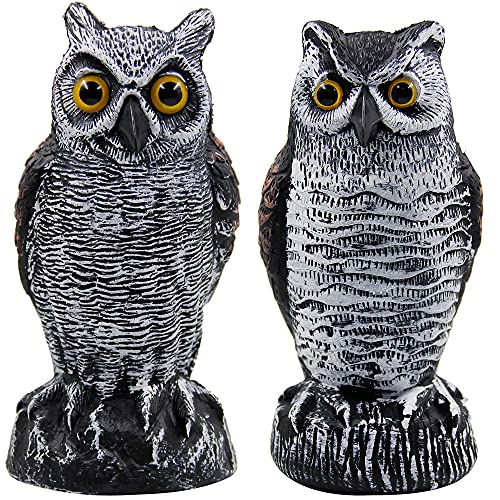
Set up visual predator decoys: Plastic statues of horned owls or hawks scare small birds away from open yards. Place two decoys on nearby fence posts or deck rails. Move them to different spots every few days so birds do not realize they are plastic.
Add water movement: Birds look for calm, flat water to drink. Running a fountain, pointing a return eyeball jet toward the surface, or setting up a small solar water bubbler creates ripples that make landing difficult for birds.
Hang reflective deterrents: Strips of metallic scare tape or small reflective pinwheels flutter in the wind near the waterline (the tile border where water meets the pool wall). The flashing reflections startle birds and encourage them to fly past your pool.
What Gear Helps Clean and Protect the Water?
Recovering quickly from an animal accident comes down to keeping the right maintenance equipment and preventive gear on hand. When dealing with organic waste, having reliable tools ready saves you time and prevents water problems.
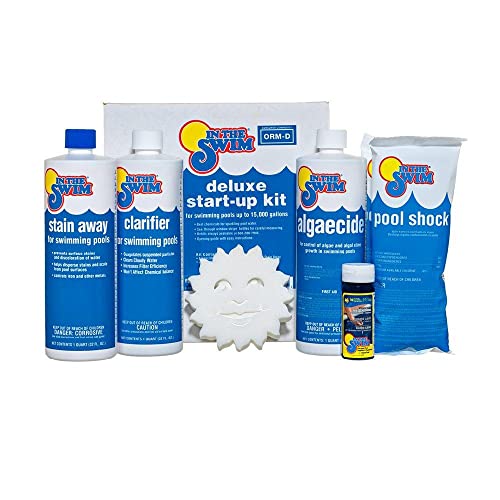
First, keep an emergency water sanitation kit stored in a cool, shaded shed. Look for high-strength chlorine shock packets containing calcium hypochlorite or stabilized granular chlorine, paired with a concentrated pool clarifier. Clarifiers bind fine, dead organic particles together into larger clusters so your filter can catch them easily. Check the container label to verify the chemical is compatible with your specific filter type.
Second, pick durable manual cleanup tools. A deep bag leaf rake made with a sturdy plastic rim scoops floating or submerged wildlife much better than a flat skim net. When choosing a vacuum head to clean the floor after sanitizing, make sure the head matches your pool finish. Smooth vinyl liners require soft nylon bristles, while concrete and plaster surfaces work well with heavier wheeled heads.
Finally, protective accessories stop drownings before they happen. Look for animal escape ramps made from heavy-duty, UV-resistant fabric with sturdy landing pads. When paired with realistic predator decoys placed along your deck, these simple accessories keep wildlife safe and protect your pool water from unexpected contamination.

- VC Score9.2
BCP Score is a ranking system developed by bestcleanerproducts.com. BCP Score has no relationship or impact from any manufacturers or sales agent websites. Learn more
- BrandSwimline

- VC Score9.2
BCP Score is a ranking system developed by bestcleanerproducts.com. BCP Score has no relationship or impact from any manufacturers or sales agent websites. Learn more
- BrandGLB
- VC Score9.2
BCP Score is a ranking system developed by bestcleanerproducts.com. BCP Score has no relationship or impact from any manufacturers or sales agent websites. Learn more
- BrandIn The Swim

- VC Score8.2
BCP Score is a ranking system developed by bestcleanerproducts.com. BCP Score has no relationship or impact from any manufacturers or sales agent websites. Learn more
- BrandSepetrel
- VC Score8.0
BCP Score is a ranking system developed by bestcleanerproducts.com. BCP Score has no relationship or impact from any manufacturers or sales agent websites. Learn more
- BrandHausse

- VC Score7.8
BCP Score is a ranking system developed by bestcleanerproducts.com. BCP Score has no relationship or impact from any manufacturers or sales agent websites. Learn more
- BrandPool Supply Town
Last update on 2026-10-08 / Affiliate links / Images, Product Titles, and Product Highlights from Amazon Product Advertising API
FAQs
Can bird diseases spread to humans through pool water?
While wild birds can carry bacteria like Salmonella, these germs are easily destroyed by standard pool chlorine. As long as you maintain proper free chlorine levels and run a shock cycle after taking the carcass out, the risk of getting sick from swimming is very low.
Should you backwash the filter after removing a dead bird?
Yes. Your circulation system pulls microscopic debris and germs straight into the filter media. Once your 24-hour shock cycle finishes, backwash your sand or D.E. system, or remove and rinse your cartridge filter, to flush those trapped contaminants out of your pool equipment.
What if pieces of the bird broke apart in the water?
If feathers or tissue separate in the pool, use a fine-mesh leaf rake to scoop out every visible piece you can find. Double your shock dose, run the circulation pump continuously, and vacuum the floor once the tiny particles settle to the bottom.
Can you use a robotic pool cleaner to pick up a dead bird?
No, you should never use an automatic or robotic pool cleaner to pick up an animal carcass. The rotating scrub brushes and drive wheels can tear the animal apart, spreading bacteria across the pool, while feathers and tissue will clog the internal filter canister and hoses. Always remove the carcass by hand using a manual skimmer net.


How to Refinish a Fiberglass Pool

How Do You Keep Raccoons Out of Your Pool?

How to Fix Cyanuric Acid in Your Pool

How to Shape a Pool Cue Tip to Stop Miscues

12 Best Automatic Vacuum For Intex Above Ground Pool of 2026 To Keep Vinyl Floors Spotless

10 Best Automatic Pool Vacuum For Above Ground Pool of 2026 To End Manual Scrubbing

How Much Pool Clarifier Should You Use for Your Pool Size?

How Much Does a Pebble Tec Pool Cost to Build or Resurface?








