
How to Clean a Fiberglass Pool Without Scratching the Shell

Grab a soft nylon brush and leave any metal scrubbers in the shed. Fiberglass pools have a slick outer shell that scratches easily under rough tools. To lift dirt safely, use soft nylon bristles, gentle cleaners, and routine vacuuming while keeping the pool full of water. An empty fiberglass shell can buckle or crack from underground water pressure, so every bit of cleaning must happen with the pool filled.
The exact method depends on the mess on the walls. Green algae usually wipes away with light brushing, but an oily waterline ring needs a soft sponge with mild soap, and rusty metal stains call for a targeted citric acid treatment. Proper water balance also plays a huge role, since balanced water stops mineral scale from sticking to the slick surface. A few simple steps will help protect the finish while getting every mark off the walls.

- VC Score8.8
BCP Score is a ranking system developed by bestcleanerproducts.com. BCP Score has no relationship or impact from any manufacturers or sales agent websites. Learn more
- BrandStardrops

- VC Score8.6
BCP Score is a ranking system developed by bestcleanerproducts.com. BCP Score has no relationship or impact from any manufacturers or sales agent websites. Learn more
- BrandUoark

- VC Score8.4
BCP Score is a ranking system developed by bestcleanerproducts.com. BCP Score has no relationship or impact from any manufacturers or sales agent websites. Learn more
- BrandBRING IT ON! CLEANER
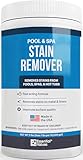
- VC Score8.2
BCP Score is a ranking system developed by bestcleanerproducts.com. BCP Score has no relationship or impact from any manufacturers or sales agent websites. Learn more
- BrandEssential Values

- VC Score8.0
BCP Score is a ranking system developed by bestcleanerproducts.com. BCP Score has no relationship or impact from any manufacturers or sales agent websites. Learn more
- BrandBosh Chemical

- VC Score7.8
BCP Score is a ranking system developed by bestcleanerproducts.com. BCP Score has no relationship or impact from any manufacturers or sales agent websites. Learn more
- BrandQuick N Brite

- VC Score7.8
BCP Score is a ranking system developed by bestcleanerproducts.com. BCP Score has no relationship or impact from any manufacturers or sales agent websites. Learn more
- BrandAquatix Pro

- VC Score7.6
BCP Score is a ranking system developed by bestcleanerproducts.com. BCP Score has no relationship or impact from any manufacturers or sales agent websites. Learn more
- BrandBILLY BUCKSKIN HOME & BEAUTY
Last update on 2023-07-08 / Affiliate links / Images, Product Titles, and Product Highlights from Amazon Product Advertising API
Understanding the Basics of a Fiberglass Pool
Getting to know the structure and nature of your fiberglass pool is the first step in effective maintenance. Fiberglass pools, as their name suggests, are made from fiberglass—a strong, lightweight material that's resistant to many common forms of damage. But just because these pools are durable doesn't mean they don't need a bit of love and care.
Fiberglass pools are incredibly appealing because they offer easy installation, low maintenance, and a smooth finish that prevents algae and bacteria from hiding away. However, they can still fall victim to unsightly stains, discoloration, and mineral deposits if not cared for correctly. Knowing how to clean a fiberglass pool is vital to keeping your pool inviting and prolonging its life.
It's also worth noting that the maintenance for fiberglass pools differs slightly from concrete or vinyl pools. The cleaning agents that can be used, the type of pool brush suitable, and the care to prevent scratching the smooth finish are all unique considerations for fiberglass pools.
Lastly, the key to keeping your fiberglass pool in top-notch condition is consistency. Regular maintenance and cleaning can save you from larger, more expensive repairs down the line. Prevention, as they say, is better than cure.
Gathering the Necessary Supplies
To clean your fiberglass pool, you'll need some essential tools and cleaning agents. These may include a pool vacuum, a soft pool brush, pool skimmer, and appropriate cleaning chemicals. Let's dive into the specifics of each tool.
A pool vacuum is an essential tool for any pool owner. It helps in removing debris and dirt that settle at the bottom of the pool. A manual vacuum is typically sufficient for smaller pools or if you don't mind a bit of workout, but an automatic pool cleaner can be a worthy investment if you have a larger pool or prefer a hands-off approach.
[
]Next up is a soft pool brush. This tool is crucial when it comes to how to clean a fiberglass pool. A soft brush is necessary for fiberglass pools to prevent scratches or damages to the pool's surface. Brushes with nylon bristles are often recommended.
A pool skimmer is another must-have tool in your cleaning arsenal. It's a net attached to a long pole, used for removing leaves, bugs, and other floating debris from the pool surface.
Proper Use of Pool Cleaning Chemicals
Cleaning chemicals play a significant role in pool maintenance. They are essential for balancing the water, preventing algae growth, and removing stubborn stains.
Firstly, balancing your pool water is an essential aspect of pool maintenance. It involves adjusting the pH, alkalinity, and chlorine levels. Unbalanced water can not only be uncomfortable for swimmers but can also cause damage to your pool and equipment.
For stain removal and deep cleaning, specialty cleaners designed for fiberglass pools are your best bet. Remember to always follow the manufacturer's instructions when using these products to avoid causing harm to your pool's surface or the swimmers.
Algaecides are also beneficial, especially during the peak swimming season or if the pool is regularly exposed to high temperatures. These chemicals help prevent algae growth, which can lead to discoloration and other issues in your pool.
A Step-by-step Guide to Cleaning Your Fiberglass Pool
Now that we've covered the necessary tools and chemicals, let's dive into the steps on how to clean a fiberglass pool. The process might seem complicated initially, but once you get the hang of it, it'll become second nature.
Firstly, skim your pool to remove any floating debris. This task should ideally be done daily or as often as needed.
Next, brush the pool's surfaces. Make sure to cover every nook and cranny, as dirt and algae can hide in the most unexpected places. Remember to be gentle to avoid damaging the pool's finish.
After brushing, it's time to vacuum. As mentioned before, you can do this manually or use an automatic pool cleaner. Make sure to cover the entire pool floor and the corners where debris might accumulate.
Lastly, balance your pool water and add any necessary chemicals. Test the water regularly to ensure it remains balanced and safe for swimming. It's crucial to add chemicals in the recommended amounts to prevent over-chlorination or unbalanced pH levels, which can cause discomfort to swimmers and potentially damage your pool.
Explore further:
- Navigating Your Way: How to Remove a Pool Ladder
- Expert Guide: How to Remove Pool Pump Motor
- Best Robotic Pool Cleaners for Pebble Tec Surfaces


How to Refinish a Fiberglass Pool

How Do You Keep Raccoons Out of Your Pool?

How to Fix Cyanuric Acid in Your Pool

How to Shape a Pool Cue Tip to Stop Miscues

12 Best Automatic Vacuum For Intex Above Ground Pool of 2026 To Keep Vinyl Floors Spotless

10 Best Automatic Pool Vacuum For Above Ground Pool of 2026 To End Manual Scrubbing

How Much Pool Clarifier Should You Use for Your Pool Size?

How Much Does a Pebble Tec Pool Cost to Build or Resurface?


