
How Much Does Weekly Pool Maintenance Cost in 2026?

Routine care depends on who does the work. Hiring a service for full professional cleanings sits on the higher end of the scale, while balancing chlorine and vacuuming on your own keeps recurring bills minimal. Paying a local technician buys back your free time, but taking care of routine skimming and scrubbing yourself keeps more cash in your wallet each month.
Your actual expenses also hinge on the scope of service you choose. A quick visit to balance water chemistry costs much less than a crew that scrubs walls, empties skimmer baskets, and backwashes filters. Pool size and sanitation style matter too, because larger bodies of water naturally demand more sanitizing chemicals to stay clear. Some companies roll every chemical into a flat monthly invoice, while others charge extra for specialty treatments after heavy rain. Here is how to map out a realistic maintenance budget that keeps your pool clean without unexpected fees.
Decide Between Full Service Visits and Chemical Only Plans
When you hire a pool service, the monthly invoice depends mostly on how much manual labor you pass off to the technician. Pool companies split their weekly maintenance visits into two main tiers: chemical-only visits and full-service visits. Knowing what happens during each visit helps you see what you are actually buying.
A chemical-only plan covers the bare minimum water balancing. A technician stops by once a week, dips a test strip or liquid reagent kit into the water, and checks your sanitizer, pH, and total alkalinity. They add liquid chlorine, shock, or muriatic acid directly from their truck inventory. They verify that your water is safe to swim in, but they do not touch a brush, pole, or vacuum. All the physical cleanup remains on your shoulders.
A full-service plan includes water chemistry plus all the heavy manual cleaning. The technician skims floating leaves off the water surface, brushes the walls down to the floor, and vacuums settled dirt. They empty the skimmer basket (the removable basket that catches floating leaves and debris) and clear out the pump strainer basket by the equipment pad. They also check equipment pressure gauges to make sure water flows freely.
Your pool surface plays a big role in which service plan makes sense. Rough concrete or plaster pools have microscopic pores where green algae loves to hide, requiring stiff brushing every single week. If you own an in-ground masonry pool, reviewing how much a gunite pool costs to build and own highlights how plaster texture demands regular scrubbing compared to other materials. Slick fiberglass walls and smooth vinyl liners collect less stubborn algae, which makes manual brushing much faster if you decide to handle the labor yourself.
Calculate Your True DIY Weekly Chemical and Testing Costs
Taking care of your own pool eliminates labor bills, but you still have weekly consumable costs. Chemicals, test strips, and water reagents add up over a swimming season. Budgeting for DIY care means knowing what your water consumes every seven days.
- Sanitizer: Chlorine is your biggest recurring expense. You must maintain free chlorine (active sanitizing chlorine available to kill germs) between 1 and 3 parts per million. Sunlight, warm water, and swimmer waste destroy chlorine rapidly, as detailed in our guide on how long chlorine lasts in a pool. Most residential pools consume two to three 3-inch chlorine tablets or a couple of gallons of liquid pool chlorine each week.
- pH and Alkalinity Balancers: Swimming pool water constantly drifts in pH due to rain, splashing, and aeration. You will regularly use muriatic acid to lower pH or sodium bicarbonate to lift total alkalinity and protect pool plaster.
- Pool Shock: Weekly or biweekly shock treatments with calcium hypochlorite or liquid shock clear out chloramines (spent chlorine molecules that cause strong chemical odors and eye irritation). Heavy weekend pool use usually requires an immediate dose of shock.
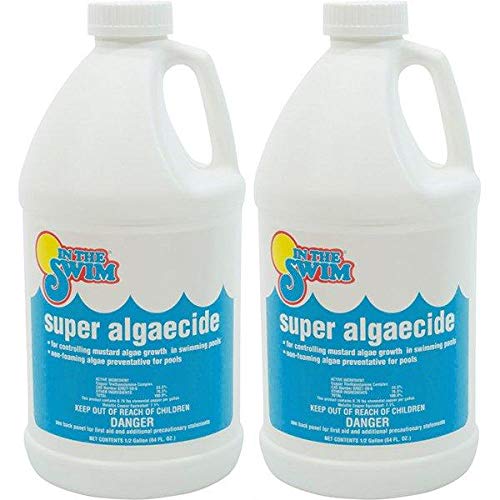
- Algaecides and Clarifiers: Routine preventative algaecide keeps water clear during midsummer heat spikes. A small weekly maintenance dose stops minor algae spores from turning your entire pool cloudy.
- Testing Supplies: Reliable test strips or liquid test drops cost money over time. Testing your water twice a week uses roughly 8 to 10 strips every month.
A standard 15,000-gallon pool managed by an owner typically uses between $15 and $35 in chemicals and testing supplies each week during warm months. That number drops significantly in late autumn and winter when cooler water slows algae growth and UV exposure decreases.
Watch for Hidden Fees and Storm Cleanup Surcharges
Hiring a maintenance company rarely comes with a flat, unchanging fee all year long. Many homeowners experience budget shock because they assume the quoted monthly rate covers every possible pool need. Reading the fine print of a service agreement protects your wallet from unexpected charges.
Filter cleaning is the most common extra charge. Pool filters do not clean themselves during a standard 15-minute weekly visit. Cartridge filters require taking the housing apart and hosing down individual pleats. Sand and diatomaceous earth (D.E.) filters require backwashing and fresh powder. Pool companies usually charge a separate fee of $75 to $150 every few months for thorough filter breakdowns.
Specialty chemicals also show up as surprise line items. Many basic service contracts cover standard liquid chlorine and muriatic acid, but exclude phosphate removers, stain inhibitors, and concentrated algaecides. If heavy rain washes fertilizer into the water, the pool company may add specialty treatments to your invoice at retail prices.
Severe storms create unexpected cleanup bills. A summer thunderstorm can dump pounds of dirt, tree branches, and silt into your pool in minutes. Clearing out a mud-filled pool takes hours of vacuuming to waste and constant basket clearing. Service companies often charge an hourly storm-recovery surcharge on top of their routine weekly rate.
Worn hardware adds minor recurring expenses throughout the season. Cracking skimmer lids, broken weir doors, and split pump baskets need immediate replacement so air does not enter your suction lines. If an old skimmer housing develops serious cracks that leak water behind your pool walls, learning how to replace a pool skimmer helps you understand the repair costs involved.
Compare the Cost of Hiring a Crew to Buying Automatic Cleaners
The main reason homeowners pay a weekly pool service is convenience. Vacuuming, netting leaves, and brushing pool walls takes one to two hours of sweaty work every Saturday. Investing in dedicated cleaning equipment allows many pool owners to cancel professional service and pocket significant savings.
Suction-side cleaners attach directly to your pool skimmer or a dedicated vacuum port in the pool wall. They rely on your pool pump's suction to propel themselves across the floor while sucking up fine silt, sand, and small debris. They cost the least upfront and have few moving parts, making them an economical way to automate floor maintenance.
Pressure-side cleaners connect to a pressurized return jet. Many of these units require an extra booster pump on your equipment pad. They push water through an internal sweep mechanism and blow leaves into an attached filter bag, keeping heavy tree debris out of your skimmer basket and main filter.
Robotic pool cleaners run independently from your main pool pump. A robotic cleaner plugs into an outdoor GFCI outlet (a protected ground-fault outlet with a weatherproof cover) and moves on rubber tracks or drive wheels. It filters water through an internal collection canister, captures tiny dirt particles, and scrubs the waterline (the tile border where water meets the pool wall).
A quality automatic cleaner usually pays for itself in just three to five months compared to paying a professional cleaning crew. You simply drop the cleaner in the water, let it run its cycle, and empty its internal basket. You still need to test and balance your water chemistry, but the exhausting physical scrubbing is completely handled by the machine.
Always practice strict electrical and suction safety when using pool equipment. Keep the power supply unit of any electric cleaner at least 10 feet back from the pool edge. Never let anyone swim while a cleaner, vacuum hose, or power cord is inside the pool. Turn off the circulation pump at the breaker or timer before disconnecting suction hoses to prevent painful suction entrapment.
Follow These Steps to Trim Your Weekly Water Treatment Costs
Whether you balance your own water or hire a crew, simple operational habits keep chemical consumption low. Follow these five steps to reduce weekly maintenance expenses without risking cloudy water.
- Use a solar cover when the pool is idle: Covering the water stops up to 90 percent of surface evaporation. It also shields free chlorine from sun breakdown and stops windblown leaves from sinking to the floor.
- Optimize your daily pump run time: Water only needs to turn over once or twice daily to remain filtered. Check your water flow rate in gallons per minute (GPM) against your pool volume. Running a pump for 8 hours instead of 24 cuts electricity costs dramatically and prevents equipment wear.
- Maintain proper cyanuric acid levels: Cyanuric acid acts as sunscreen for chlorine molecules. Keep your stabilizer level between 30 and 50 parts per million so UV rays do not vaporize your expensive chlorine in a single afternoon.
- Empty skimmer and pump baskets twice a week: Leaves and organic matter trapped in baskets constantly decay, consuming large amounts of free chlorine. Pulling debris out before it dissolves keeps your sanitizer focused on killing bacteria.
- Brush corners and steps every few days: Dead circulation spots behind ladders and on swim-outs let algae take root. A quick two-minute brush prevents stubborn blooms that require expensive shock treatments later.
Choose the Right Pool Cleaner to Cut Down on Manual Labor
If you want to maintain your pool yourself and save hundreds of dollars each month, an automatic pool cleaner is the most valuable tool you can buy. Choosing the right cleaner comes down to your pool surface, pool size, and the type of debris in your yard.
Start by checking your pool surface. Plaster and pebble aggregate pools work best with durable rubber tracks or wide drive wheels that can handle rough, textured surfaces without wearing out quickly. Slick fiberglass and smooth vinyl surfaces need cleaners with grippy scrubbing rings so the unit does not slip while climbing walls.
Next, measure your pool dimensions. Measure your pool length in feet from the shallow end to the deep end. Make sure the cleaner hose or power cord reaches the farthest corner with several feet of slack. For suction-side cleaners, verify that your pool pump produces enough water flow rate in gallons per minute to drive the unit effectively.
Finally, look at the debris you deal with daily. If your yard has tall oak or pine trees, choose a cleaner with wide intake openings and large leaf canisters so suction lines do not clog. If you mostly deal with blowing sand or desert dust, pick a unit with ultra-fine filtration to keep your water crystal clear.

- VC Score9.2
BCP Score is a ranking system developed by bestcleanerproducts.com. BCP Score has no relationship or impact from any manufacturers or sales agent websites. Learn more
- BrandIn The Swim
- VC Score9.2
BCP Score is a ranking system developed by bestcleanerproducts.com. BCP Score has no relationship or impact from any manufacturers or sales agent websites. Learn more
- BrandIn The Swim

- VC Score9.0
BCP Score is a ranking system developed by bestcleanerproducts.com. BCP Score has no relationship or impact from any manufacturers or sales agent websites. Learn more
- BrandHealth Metric

- VC Score8.2
BCP Score is a ranking system developed by bestcleanerproducts.com. BCP Score has no relationship or impact from any manufacturers or sales agent websites. Learn more
- BrandHayward
Last update on 2026-10-08 / Affiliate links / Images, Product Titles, and Product Highlights from Amazon Product Advertising API
FAQs
Does a saltwater pool eliminate weekly maintenance costs?
A saltwater pool does not eliminate weekly maintenance. The salt cell generates chlorine automatically, which saves you money on buying chlorine pucks, but the process naturally drives pH levels upward. You must still test water weekly and add muriatic acid regularly to keep pH balanced and prevent equipment scaling.
How often should a pool service visit during the winter?
In mild climates where pools stay open year-round, service visits can drop to every other week during cold months. Algae grows very slowly in water below 60 degrees Fahrenheit, meaning chemical consumption drops sharply. In freezing regions, pools are winterized and closed entirely, requiring no weekly maintenance visits until spring.
Can I skip chemical additions if my pool water looks crystal clear?
Clear water does not mean balanced water. Sanitizer levels can hit zero parts per million while water still appears transparent, leaving the pool vulnerable to rapid bacteria growth. If pH drops too low, clear acidic water will quietly corrode your metal heater elements and etch plaster without clouding the pool.
Why do pool service quotes vary so much within the same city?
Service quotes depend on local labor costs, drive times between client homes, and your specific backyard setup. A pool surrounded by mature shedding trees requires twice as much labor as a screened-in pool patio. Companies also charge more for large deep-end pools that hold over 25,000 gallons because they require much larger chemical doses.


How to Refinish a Fiberglass Pool

How Do You Keep Raccoons Out of Your Pool?

How to Fix Cyanuric Acid in Your Pool

How to Shape a Pool Cue Tip to Stop Miscues

12 Best Automatic Vacuum For Intex Above Ground Pool of 2026 To Keep Vinyl Floors Spotless

10 Best Automatic Pool Vacuum For Above Ground Pool of 2026 To End Manual Scrubbing

How Much Pool Clarifier Should You Use for Your Pool Size?

How Much Does a Pebble Tec Pool Cost to Build or Resurface?


