
How Do Pool Clarifiers Work to Clear Cloudy Water?

Pool clarifiers work like quiet magnets that bind microscopic dirt into larger clumps so the pool filter can finally trap them. That simple cleanup only happens, though, if the pump runs continuously while the water circulates. Most floating haze comes from tiny specks of dust, pollen, and oils that slip right through the filter mesh without this extra push.
A bottle cannot fix every cloudy pool on its own. The liquid relies on balanced water chemistry beforehand, since out-of-whack pH or an active algae bloom will stop it from working. Getting the measurement right is just as critical. Pouring in too much clarifier actually creates the opposite problem, keeping particles apart and leaving the water cloudier than before. Knowing how the liquid behaves in the pool ensures a single careful dose clears the deep end without creating a fresh headache.
The Short Version
- Pool clarifiers act like magnets: They introduce a positive electrical charge that attracts microscopic, negatively charged dirt specks, clumping them together so your filter can catch them.
- Your filter does the heavy lifting: Unlike flocculants that drop waste to the pool floor, clarifiers keep particles suspended so your circulation system can pull them out over 24 to 48 hours.
- Less is genuinely more: Adding more clarifier than the bottle recommends neutralizes the clumping effect and creates a stubborn chemical haze that makes your water cloudier.
- Chemistry comes first: Clarifiers will not cure active green algae blooms, high pH imbalances, or a clogged filter cartridge.
The Magnet Effect: How Clarifiers Bind Invisible Dirt
When pool water looks hazy, you are dealing with turbidity (cloudiness in the water). That dull sheen is caused by millions of tiny particles floating through the water column. These particles include dead skin cells, body oils, fine windblown dust, pollen, and microscopic organic debris. Individually, each speck is far too small for the human eye to see, but together they scatter sunlight and turn sparkling water dull.
In the pool world, particle size is measured in a micron (a microscopic speck size roughly 25 times smaller than a grain of table salt). Standard pool filters have clear limits on what size speck they can stop. A typical sand filter catches debris down to roughly 20 to 40 microns. A cartridge filter catches specks down to about 10 to 15 microns. Diatomaceous earth filters trap debris down to 3 to 5 microns. When pollen or silt measures only 1 or 2 microns, it slips directly through the filter media and shoots straight back into the pool through the return jets.
To make matters worse, these tiny specks carry a natural negative electrical charge. Because identical charges repel each other like matching poles on handheld magnets, the specks push apart whenever they get close. They bounce around in the water, never touching, and remain permanently suspended.
This is where a water clarifier does its job. Clarifiers are liquid polymer solutions carrying a strong positive electrical charge. When you pour the clarifier into the pool, it acts like a magnet for all those negatively charged dirt specks. The process is known as coagulation (clumping tiny dirt particles together into larger clusters). The positively charged liquid neutralizes the particles and binds them into loose, spiderweb-like clusters. These new clusters are dozens of times larger than the original specks, making them plenty big enough for your filter media to snare on the very next pass.
Clarifier Versus Flocculant: Differences in Cleanup and Effort
Many pool owners confuse clarifiers with pool flocculant, but the two chemicals work differently and demand entirely different amounts of physical effort. Choosing the wrong one for your equipment can cause major plumbing headaches.
A pool flocculant (a heavy clumper that sinks debris to the pool floor) works by aggressive binding. It forms thick, dense masses that become too heavy to float. Within 8 to 12 hours after adding flocculant, every particle drops to the bottom, leaving crystal-clear water on top and a thick layer of grey sediment across the floor. You cannot let flocculant run through your pool filter. The heavy gelatin will coat sand grains and ruin paper cartridges instantly. You must turn the pump off, attach a manual vacuum hose, and vacuum that sludge directly out through your waste line, sending hundreds of gallons of water out of the pool.
A pool clarifier takes a slower, gentler path. It builds lightweight clusters that remain buoyant enough to drift with your normal return currents. The clarifier works entirely through your existing pool filter while your pump runs. You do not have to hook up a manual vacuum, you do not have to send water down the sewer line, and you do not have to stand in the sun for two hours dragging a vacuum head across the floor.
If you need crystal-clear water by tomorrow morning for an event and your system has a dedicated multiport waste setting, flocculant delivers speed. But for normal weekend upkeep, cartridge filter systems, or hands-off clearing, clarifiers provide a simple fix without wasting treated pool water.
Step-by-Step Application: Dosing, Pouring, and Pump Runtime
Pouring chemicals blindly into a hazy pool usually leads to wasted money. To get clean water on the first try, follow these steps in order:
- Check and balance the water chemistry: Clarifier polymers function best in neutral conditions. Use a reliable liquid kit or water strip to confirm your pH sits between 7.2 and 7.4. If your pH is above 7.6, the chemical bonds weaken, and the clarifier will not coagulate debris properly. Ensure free chlorine sits in the safe zone of 1 to 3 parts per million.
- Clean your filter media: Your filter needs plenty of capacity to hold incoming debris. Backwash your sand or diatomaceous earth filter until the sight glass runs clear. If you use a cartridge system, open the tank, pull the cartridge, and spray the fabric pleats clean with a high-pressure hose nozzle.
- Measure the exact dose: Calculate your pool volume in gallons. Concentrated formulas require very small amounts, often just 1 fluid ounce per 5,000 gallons of pool water. Use a dedicated plastic measuring cup rather than guessing. Pouring extra liquid will not speed up the process.
- Distribute around the pool perimeter: Switch your circulation pump to its standard run speed. Walk slowly around the deep end and along the pool edges, pouring the measured clarifier directly across the water surface. Adding the dose near the return jets helps push the product across the entire surface quickly.
- Run the pump continuously for 24 to 48 hours: Clarifier does not clean water on its own; it merely bundles the dirt. Your circulation system must push that water through the filter continuously to pull the bundles out. Leave the pump running non-stop until the haze disappears.
- Rinse the filter a second time: As the filter collects clusters of silt and organic oils, tank pressure will rise. Keep an eye on your pressure gauge. Once the water looks clear, give your filter a thorough rinse or backwash to flush the trapped debris out of your system permanently.
The Overdosing Trap: Why Extra Clarifier Turns Water Cloudier
The most common mistake pool owners make is treating clarifiers like laundry soap. When the pool remains slightly cloudy after twelve hours, the urge is to dump in another half-bottle. Doing this causes a reaction known as overdosing haze, and it leaves your pool looking worse than when you started.
Remember that clarifiers work by balancing electrical charges. Every ounce of clarifier contains a fixed amount of positive charge meant to bind an equal amount of negative charge on dirt particles. When you add the right amount, the charges cancel out, the dirt binds together, and the filter catches it. But when you add too much clarifier, the excess chemical completely coats every dirt speck with positive ions, leaving extra positive polymers floating freely.
Now, instead of attracting one another, the dirt particles and the leftover chemical polymers all carry the same positive charge. They begin repelling each other again. Even worse, the surplus clarifier molecules start binding to each other, creating an oily, cloudy haze that stays suspended in the water. This self-inflicted chemical cloud cannot be caught easily by your filter.
Overdosing also coats your filter sand or cartridge paper with a sticky, rubbery residue. Water flow drops sharply, pump pressure climbs, and the filter struggles to process water. If you accidentally overdose your pool, stop adding chemicals. You cannot neutralize clarifiers with another product. You must keep the pump running, let normal chlorine levels and sunlight slowly break down the polymers over three to seven days, and rinse your filter cartridges daily until the residue clears.
When Clarifiers Will Not Work: A Troubleshooting Checklist
Clarifiers are designed for fine physical particles. They are not sterilizers, and they cannot correct underlying water balance issues. Before spending money on clarifiers, run through this checklist to see if your cloudiness has a different root cause:
- You have an active algae bloom: If your pool walls feel slick or the haze has a pale green or mustard hue, you are dealing with living algae. Clarifier will not kill algae cells. You must balance the water and add chlorine shock to sanitize the pool completely before using a clarifier. If you manage a compact setup, review adding bleach to sanitize a smaller pool to ensure you dose sanitizers properly.
- The pH or total alkalinity is drifted high: When pH rises above 7.8, calcium cannot remain dissolved in water. It precipitates out, creating calcium cloudiness. Clarifiers cannot coagulate dissolved minerals. Add muriatic acid or sodium bisulfate to bring your pH back down to 7.4. Once balanced, the calcium often dissolves back into the water naturally.
- The filter media is worn out or channeled: Sand filter media lasts roughly three to five years before the sand grains lose their sharp edges. When sand wears smooth, or when water channels deep ruts straight through the bed, clumped particles pass straight through the tank. Cartridge elements with crushed cores or ripped pleats suffer the same failure.
- The circulation time is too low: If your pump runs only four to six hours a day, water simply is not turning over often enough to clear fine haze. In smaller above-ground pools, like those discussed when evaluating how long above-ground pools last, stock pumps are often sized small and need extended daily runtime to pull clumped dirt into the filter.
- Total dissolved solids are saturated: If pool water has been in use for several seasons without being refreshed, it becomes saturated with dissolved salts, stabilizer, and mineral matter. When saturation gets too high, chemical treatments lose their efficiency, and the only lasting solution is draining a portion of the water and refilling with clean tap water.
How Automatic Pool Cleaners Support Water Clarity
While pool clarifiers handle floating micro-particles, they do nothing for gravel, dead leaves, or coarse sand resting on the bottom. Heavy debris sitting on the pool floor breaks down into organic silt, creating a never-ending supply of cloudiness. Using an automatic pool cleaner alongside your clarifier treatment keeps both the floor and the water column clean.
A robotic cleaner (a self-powered unit with its own internal debris basket) works independently from your pool plumbing. It scrubs the pool floor, moves across the deep and shallow ends, and climbs vertical walls up to the waterline (the tile border where water meets the pool wall). Because a robotic cleaner collects sand and leaves inside its own onboard filter basket or collection canister, it prevents coarse dirt from reaching your main filter tank. This leaves your main filter completely free to focus on capturing the tiny clarifier clumps circulating through the return lines.
A suction-side cleaner attaches to your pool skimmer or dedicated vacuum port and uses your pool pump suction to pull debris straight into the primary system. If you operate a suction-side cleaner while clarifying, keep an eye on your skimmer and pump baskets. An overfilled basket reduces water flow, slowing down how fast the clarifier moves through the main filter.
A pressure-side cleaner connects to the water return jet, often using an extra booster pump, and catches debris in its own sweep bag. It pushes water currents along the floor, which helps lift settled dust back into suspension so the clarifier can bind it.
Before selecting a cleaner to pair with your maintenance routine, check your pool surface. Slick fiberglass or smooth vinyl liner walls need cleaners equipped with soft brushes or sticky climbing rings. Rough plaster, concrete, or pebble aggregate surfaces require durable rubber tracks or drive wheels that can handle gritty textures without slipping. For safety, always plug any electric cleaner control box into an outdoor GFCI outlet (a protected ground-fault outlet with a weatherproof cover) set at least 10 feet back from the pool edge, and never let anyone swim while equipment is operating in the water.

- VC Score9.2
BCP Score is a ranking system developed by bestcleanerproducts.com. BCP Score has no relationship or impact from any manufacturers or sales agent websites. Learn more
- BrandClorox Pool&Spa
- VC Score9.2
BCP Score is a ranking system developed by bestcleanerproducts.com. BCP Score has no relationship or impact from any manufacturers or sales agent websites. Learn more
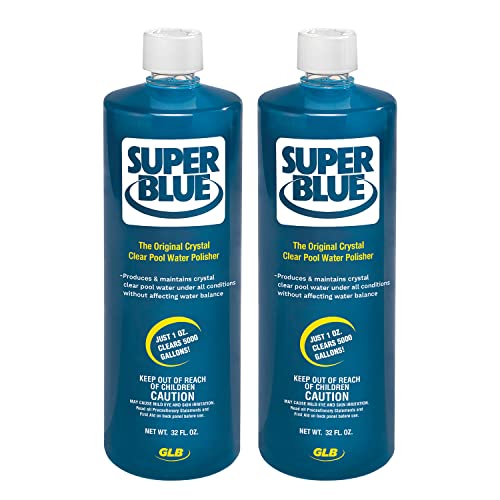
- BrandGLB

- VC Score9.2
BCP Score is a ranking system developed by bestcleanerproducts.com. BCP Score has no relationship or impact from any manufacturers or sales agent websites. Learn more
- BrandIn The Swim

- VC Score9.2
BCP Score is a ranking system developed by bestcleanerproducts.com. BCP Score has no relationship or impact from any manufacturers or sales agent websites. Learn more
- BrandBioGuard

- VC Score9.0
BCP Score is a ranking system developed by bestcleanerproducts.com. BCP Score has no relationship or impact from any manufacturers or sales agent websites. Learn more
- BrandMAV AquaDoc

- VC Score8.8
BCP Score is a ranking system developed by bestcleanerproducts.com. BCP Score has no relationship or impact from any manufacturers or sales agent websites. Learn more
- BrandChemCorp
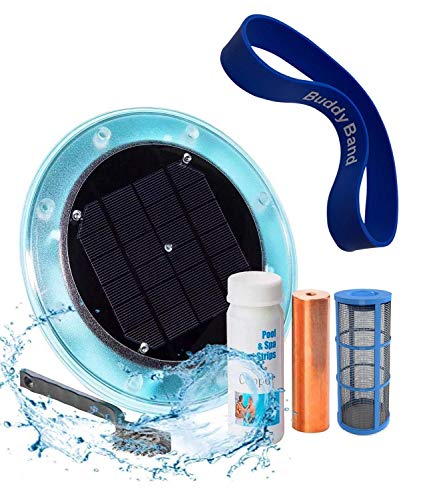
- VC Score8.6
BCP Score is a ranking system developed by bestcleanerproducts.com. BCP Score has no relationship or impact from any manufacturers or sales agent websites. Learn more
- BrandNo More Green Technologies

- VC Score8.6
BCP Score is a ranking system developed by bestcleanerproducts.com. BCP Score has no relationship or impact from any manufacturers or sales agent websites. Learn more
- BrandPOOL ELEVATE

- VC Score8.6
BCP Score is a ranking system developed by bestcleanerproducts.com. BCP Score has no relationship or impact from any manufacturers or sales agent websites. Learn more
- BrandMAV AquaDoc
Last update on 2026-10-08 / Affiliate links / Images, Product Titles, and Product Highlights from Amazon Product Advertising API
FAQs
How long does a pool clarifier take to clear cloudy water?
Most clarifiers clear cloudy water within 24 to 48 hours of continuous pump operation. The chemical binds particles within minutes, but the water must cycle through the filter multiple times for the clumps to be removed. If the water remains cloudy after two full days, check your filter pressure, rinse the media, and confirm that your pH is properly balanced.
Can I swim right after adding a pool clarifier?
It is best to wait at least 20 to 30 minutes after pouring clarifier into the pool before swimming. This allows the circulation system to distribute the concentrated liquid evenly through the water. While standard clarifiers are non-toxic at pool dilutions, swimming through concentrated pockets can irritate eyes and skin.
Can a pool clarifier get rid of green pool algae?
No, clarifiers do not kill or eliminate active algae blooms. Clarifiers only bind suspended matter; they have no sanitizing or algaecidal properties. You must shock the pool with chlorine to kill the algae first, brush the surfaces thoroughly, and then use clarifier to clear out the remaining dead, floating debris.
Should I run my pool filter continuously after adding clarifier?
Yes, you should run your circulation pump non-stop for 24 to 48 hours after adding the chemical. Clarifiers do not dissolve dirt; they simply create larger particles that your filter can catch. If the pump is turned off, those clumps will linger in suspension or settle loosely on the floor rather than being trapped in your filter tank.


How to Refinish a Fiberglass Pool

How Do You Keep Raccoons Out of Your Pool?

How to Fix Cyanuric Acid in Your Pool

How to Shape a Pool Cue Tip to Stop Miscues

12 Best Automatic Vacuum For Intex Above Ground Pool of 2026 To Keep Vinyl Floors Spotless

10 Best Automatic Pool Vacuum For Above Ground Pool of 2026 To End Manual Scrubbing

How Much Pool Clarifier Should You Use for Your Pool Size?

How Much Does a Pebble Tec Pool Cost to Build or Resurface?








