
Why Vacuum Is Used Delivery and Why It Matters

Why vacuum is used delivery often becomes a question after opening a package and noticing air has been removed from the contents. Vacuum technology isn't just about appearance. It plays a direct role in protecting products from moisture, contamination, oxidation, and physical damage while moving through warehouses, trucks, and storage facilities. A package that arrives intact usually benefits from layers of planning that many people never see.
Freshness sits at the center of many shipping decisions. Food products, medical supplies, and sensitive materials can deteriorate quickly when exposed to oxygen. By creating a low-oxygen environment, vacuum packaging slows changes that may affect quality, flavor, texture, or performance. That small detail can make a significant difference between receiving a product in excellent condition or dealing with disappointment after delivery.
Space savings also influence logistics. Air takes up room, and room costs money. Removing excess air allows packages to become more compact, making transportation more efficient. Trucks, containers, and storage facilities can hold more items while reducing unnecessary movement inside packages. As a result, businesses often gain better control over shipping costs and inventory management.
Protection from external conditions remains another major advantage. Humidity, dust, and temperature fluctuations can affect products during transit. Vacuum-sealed packaging acts as a protective barrier that helps maintain consistency from departure to arrival. Although it won't solve every transportation challenge, it significantly reduces common risks associated with long-distance shipping.
Product presentation matters too. Consumers often associate vacuum-sealed deliveries with care, cleanliness, and preservation. A neatly packed item signals attention to detail and quality control. While appearance isn't the primary reason behind vacuum packaging, it certainly contributes to confidence when opening a shipment.
Some products benefit more than others. Coffee, dried foods, pharmaceuticals, electronic components, and specialty ingredients frequently rely on vacuum delivery methods. These items can be sensitive to environmental exposure, making product stability a priority throughout the shipping process. Vacuum packaging helps maintain that stability without requiring overly complicated handling procedures.
Tradeoffs still exist. Certain delicate products may need additional cushioning because vacuum compression can place pressure on fragile contents. Packaging teams must balance preservation with protection to avoid unintended damage. That's why successful delivery systems often combine vacuum sealing with carefully selected packaging materials.
Ultimately, why vacuum is used delivery comes down to preserving value from start to finish. Products travel through multiple environments before reaching their destination. Vacuum packaging helps reduce exposure to factors that could compromise quality, creating a more reliable and predictable delivery experience while supporting efficiency across the supply chain.

- VC Score9.8
BCP Score is a ranking system developed by bestcleanerproducts.com. BCP Score has no relationship or impact from any manufacturers or sales agent websites. Learn more
- BrandComvtu

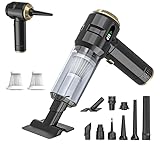
Slivamo S10 Cordless Vacuum Cleaner, 40KPA/500W/45Mins, LED Display, 8-in-1 Lightweight
View on Amazon- VC Score9.8
BCP Score is a ranking system developed by bestcleanerproducts.com. BCP Score has no relationship or impact from any manufacturers or sales agent websites. Learn more
- BrandSlivamo
- VC Score9.0
BCP Score is a ranking system developed by bestcleanerproducts.com. BCP Score has no relationship or impact from any manufacturers or sales agent websites. Learn more
- BrandMelising

- VC Score9.0
BCP Score is a ranking system developed by bestcleanerproducts.com. BCP Score has no relationship or impact from any manufacturers or sales agent websites. Learn more
- BrandHOMOH

- VC Score8.8
BCP Score is a ranking system developed by bestcleanerproducts.com. BCP Score has no relationship or impact from any manufacturers or sales agent websites. Learn more
- BrandGxzsk

- VC Score8.6
BCP Score is a ranking system developed by bestcleanerproducts.com. BCP Score has no relationship or impact from any manufacturers or sales agent websites. Learn more
- BrandVersLife

- VC Score8.6
BCP Score is a ranking system developed by bestcleanerproducts.com. BCP Score has no relationship or impact from any manufacturers or sales agent websites. Learn more
- Branddormzie

- VC Score8.6
BCP Score is a ranking system developed by bestcleanerproducts.com. BCP Score has no relationship or impact from any manufacturers or sales agent websites. Learn more
- BrandNuYupo

- VC Score8.4
BCP Score is a ranking system developed by bestcleanerproducts.com. BCP Score has no relationship or impact from any manufacturers or sales agent websites. Learn more
- BrandJeagfen

- VC Score8.4
BCP Score is a ranking system developed by bestcleanerproducts.com. BCP Score has no relationship or impact from any manufacturers or sales agent websites. Learn more
- BrandKdewere

- VC Score8.0
BCP Score is a ranking system developed by bestcleanerproducts.com. BCP Score has no relationship or impact from any manufacturers or sales agent websites. Learn more
- BrandA9life
Last update on 2026-09-18 / Affiliate links / Images, Product Titles, and Product Highlights from Amazon Product Advertising API
Why use a handheld vacuum instead of a brush in a delivery vehicle?
A handheld vacuum actively pulls trapped grit, crumbs, and fine dust out of upholstery seams, whereas a hand brush or wipe merely sweeps surface dirt deeper into fabric weaves. Vehicle seats and floor crevices collect abrasive road silt that breaks down stitching over time. Compact cordless vacuums like the Melising provide 23000Pa of suction power at just 1.5 pounds, allowing drivers to clear seat folds and tight seams with one hand before debris grinds into the material.
How much suction is needed to lift road grit from floor mats?
Lifting dense road gravel and tracked dirt from vehicle mats generally requires high-velocity suction between 15000Pa and 23000Pa. Handheld models such as the Gxzsk generate 15000Pa of suction, while units like the Kdewere reach 22000Pa at 95,000RPM to dislodge stubborn debris settled in rubber grooves. For heavy floor mat buildup that requires deeper restoration beyond daily route vacuuming, pairing dry pickup with a portable steamer for cleaning helps break down embedded salt and sticky residue.
Can a portable vacuum charge directly from a vehicle USB port?
Yes, portable models with dedicated Type-C charging ports can plug directly into a vehicle dash port or standard USB adapter between route stops. The dormzie VC029 features Type-C charging and weighs 1.3 pounds, making it easy to top off the battery right inside the cab without bringing the unit home to an AC wall outlet. For non-USB vacuums, verify the charging input specifications in the manual before storing the device in your van.
How much battery runtime is realistic for quick daily cab cleanups?
Most portable cab vacuums deliver between 35 and 45 minutes of runtime per charge, which provides enough power for multiple shifts of spot cleaning. The Kdewere uses a 6000mAh battery that delivers up to 35 minutes of continuous operation, while the NuYupo cordless vacuum provides up to 45 minutes of runtime in Eco mode using its 2600mAh detachable battery. Because clearing driver seats and footwells takes only two to three minutes between drops, a single full charge easily covers several days of routine use.
What attachments are most useful for cleaning tight delivery cab spaces?
Narrow crevice nozzles and dedicated brush tips are essential for reaching between seat rails, cup holders, and dashboard air vents. The Gxzsk comes equipped with a suction nozzle tailored for tight spaces and hard-to-reach areas, along with a brush attachment for dusting uneven surfaces. Using a slim nozzle concentrates the motor airflow into seat crevices where loose change, receipts, and food crumbs collect during long shifts.
How do washable filters prevent suction drop in a dusty cab?
Fine road dust and exhaust particles rapidly coat internal filters, but washable media allows you to rinse out packed dirt rather than throwing the filter away. The A9life utilizes a HEPA filter to trap fine particulates, while options like the Kdewere and Gxzsk feature washable filters that maintain steady airflow once rinsed and thoroughly dried. Tapping the filter clean over a waste bin between deliveries prevents fine dust buildup from restricting motor suction.


How to Refinish a Fiberglass Pool

How Do You Keep Raccoons Out of Your Pool?

How to Fix Cyanuric Acid in Your Pool

How to Shape a Pool Cue Tip to Stop Miscues

Best Far Infrared Sauna Sauna Heats: Top Picks of 2026

11 Best Far Infrared Sauna Carbon Fiber Heaters of 2026 For Balanced Full-Body Heat

11 Best Carbon Far Infrared Sauna of 2026 For Even Heat

10 Best Bluetooth Speaker For Sauna of 2026 For Heat and Steam








