
Why Vacuum Circuit Breaker Is Used in Power Systems

Why vacuum circuit breaker is used often becomes a key question whenever electrical reliability, equipment protection, and operational safety enter the conversation. Electrical faults don't send invitations before they happen. One unexpected short circuit can damage expensive equipment, interrupt production, or create dangerous conditions that nobody wants to deal with. That's exactly why engineers continue to rely on vacuum interruption technology in medium-voltage systems.
Inside a vacuum circuit breaker, electrical arcs are extinguished in a sealed vacuum chamber rather than through oil or gas-based methods. That simple idea brings several practical benefits. The absence of oxygen means the arc can't sustain itself for long, allowing faults to be cleared quickly and efficiently. As a result, fast fault isolation helps reduce equipment stress and limits the spread of electrical damage.
Maintenance headaches can drain both time and budgets. Traditional technologies may require fluid inspections, leak monitoring, or more frequent servicing schedules. Vacuum circuit breakers, on the other hand, typically operate with fewer maintenance demands because the interruption chamber remains sealed throughout its service life. That reduction in upkeep often translates into better system availability and fewer unexpected shutdowns.
Safety remains another major factor. Electrical systems face constant exposure to switching operations, load variations, and occasional fault conditions. By providing reliable arc extinction, vacuum circuit breakers help minimize risks associated with fault currents. So, while the technology may appear straightforward from the outside, it plays a critical role in maintaining stable and secure electrical distribution.
Space limitations frequently influence equipment selection as well. Electrical rooms aren't always spacious, and every square foot matters. Vacuum circuit breakers generally support compact switchgear designs, making them suitable for installations where room is limited. That balance between performance and footprint gives facility planners more flexibility during system design.
Environmental considerations also enter the picture. Oil-filled systems carry concerns related to leaks and disposal requirements. Some gas-insulated technologies involve substances that require additional environmental management. A vacuum interrupter eliminates many of those concerns while still delivering dependable switching performance. That's a practical advantage that often receives attention during modernization projects.
Long service life adds another layer of value. Repeated switching operations can wear down components over time, yet modern vacuum interrupters are designed to withstand a large number of operating cycles. This durability supports consistent performance throughout years of operation. Combined with high reliability, it helps reduce lifecycle costs and supports long-term planning.
Electrical infrastructure isn't forgiving when protection devices fail. Every interruption device must respond quickly, repeatedly, and predictably. That's why the answer to why vacuum circuit breaker is used goes beyond a single feature. The combination of safety, reduced maintenance, compact design, environmental advantages, and dependable fault interruption makes it a trusted choice across many power distribution applications.

- VC Score9.6
BCP Score is a ranking system developed by bestcleanerproducts.com. BCP Score has no relationship or impact from any manufacturers or sales agent websites. Learn more
- BrandCHTAIXI

- VC Score9.4
BCP Score is a ranking system developed by bestcleanerproducts.com. BCP Score has no relationship or impact from any manufacturers or sales agent websites. Learn more
- BrandNilight

- VC Score9.4
BCP Score is a ranking system developed by bestcleanerproducts.com. BCP Score has no relationship or impact from any manufacturers or sales agent websites. Learn more
- BrandLHDOS
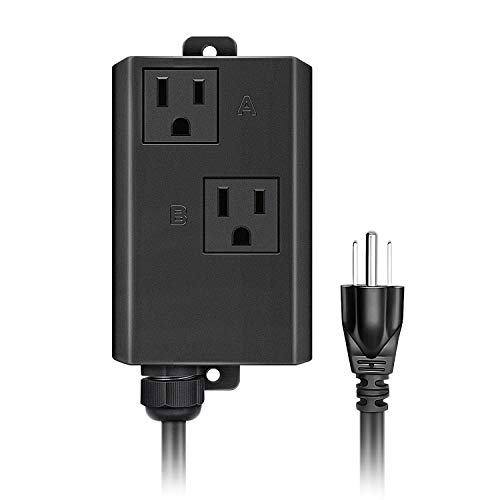
- VC Score9.2
BCP Score is a ranking system developed by bestcleanerproducts.com. BCP Score has no relationship or impact from any manufacturers or sales agent websites. Learn more
- BrandEtoolcity
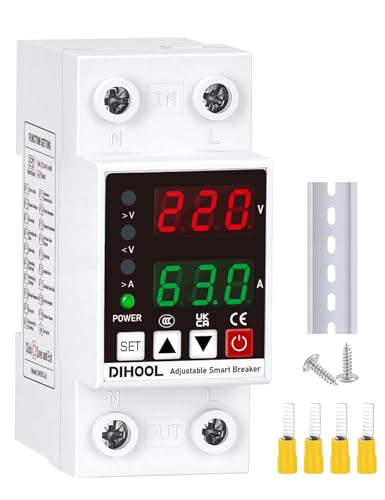
- VC Score9.2
BCP Score is a ranking system developed by bestcleanerproducts.com. BCP Score has no relationship or impact from any manufacturers or sales agent websites. Learn more
- BrandDIHOOL

- VC Score9.2
BCP Score is a ranking system developed by bestcleanerproducts.com. BCP Score has no relationship or impact from any manufacturers or sales agent websites. Learn more
- Brandmxuteuk
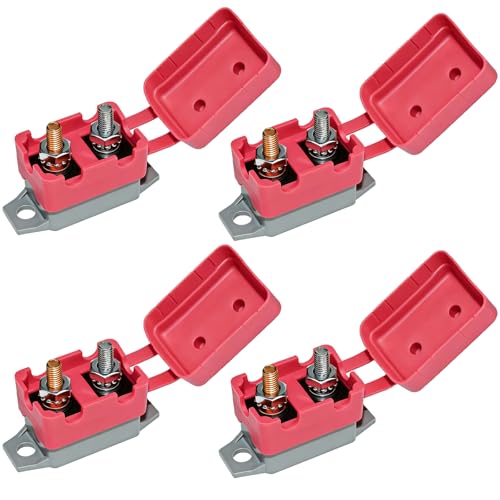
- VC Score9.2
BCP Score is a ranking system developed by bestcleanerproducts.com. BCP Score has no relationship or impact from any manufacturers or sales agent websites. Learn more
- BrandBFXM

- VC Score9.2
BCP Score is a ranking system developed by bestcleanerproducts.com. BCP Score has no relationship or impact from any manufacturers or sales agent websites. Learn more
- BrandCHTAIXI

- VC Score9.2
BCP Score is a ranking system developed by bestcleanerproducts.com. BCP Score has no relationship or impact from any manufacturers or sales agent websites. Learn more
- BrandEtoolcity

- VC Score8.8
BCP Score is a ranking system developed by bestcleanerproducts.com. BCP Score has no relationship or impact from any manufacturers or sales agent websites. Learn more
- BrandCHTAIXI
Last update on 2026-06-27 / Affiliate links / Images, Product Titles, and Product Highlights from Amazon Product Advertising API
Why Vacuum Circuit Breaker Is Used For Safer Power Control
A fault inside an electrical system doesn’t politely wait for a convenient repair window. It hits fast, stresses cables, heats contacts, and can throw an entire facility into downtime. That’s why why vacuum circuit breaker is used matters so much in medium-voltage power systems. The breaker has one tough job: stop dangerous current quickly before damage spreads.
A vacuum circuit breaker interrupts current inside a sealed vacuum interrupter. Since the vacuum has no gas or oil to feed the arc, the arc collapses quickly after contact separation. This makes arc extinction cleaner, faster, and more predictable than older interruption methods in many applications. For switchgear rooms, plants, substations, and commercial buildings, that predictability is a big deal.
Oil circuit breakers and some older designs can bring extra maintenance concerns. Oil can degrade, leak, or require careful handling after repeated switching. Vacuum breakers avoid that headache because the interruption chamber stays sealed and doesn’t rely on flammable insulating fluid. That helps reduce routine servicing and keeps the electrical room less messy.
Electrical crews also care about equipment that behaves consistently after years of operation. A breaker that trips well once but becomes unreliable later is bad news. Vacuum technology supports long mechanical life and handles frequent switching better than many older breaker types. So, for systems that can’t afford surprises, vacuum breakers earn their keep.
Fast Arc Extinction Protects Expensive Equipment
The main reason vacuum circuit breaker is used comes down to arc control. During a fault, the breaker contacts separate, and an electrical arc forms between them. Inside the vacuum bottle, that arc is forced to die quickly as the current crosses zero. This helps reduce thermal stress on cables, transformers, motors, and busbars.
Fault current is brutal because it doesn’t just flow, it attacks. Heat builds rapidly, insulation weakens, and metal parts can experience strong electromagnetic forces. A vacuum breaker limits that dangerous window by clearing the fault with quick interruption. Less fault duration usually means less damage and a better chance of returning equipment to service without a long repair saga.
Medium-voltage networks often feed equipment that costs real money to replace. Transformers, capacitor banks, large motors, and distribution panels don’t enjoy rough switching events. A vacuum circuit breaker gives these assets a layer of dependable protection during overloads and short circuits. That’s why facility managers usually treat breaker selection as a serious engineering decision, not a box-ticking exercise.
Arc extinction also affects system stability. A slow or inconsistent interruption can create voltage stress and unwanted disturbances across nearby circuits. Vacuum breakers help keep interruption behavior controlled, especially in properly designed switchgear. That controlled operation supports safer power distribution and fewer headaches after a fault event.
Lower Maintenance Makes Daily Operation Easier
Maintenance teams already juggle enough without babysitting every breaker in the building. Vacuum circuit breakers reduce that burden because the interrupter is sealed and protected from outside contamination. Dust, moisture, and dirt have less opportunity to affect the arc interruption zone. That’s one reason the technology fits busy facilities where downtime gets expensive fast.
Older oil-based equipment often needs inspections that involve oil condition, contact wear, leakage, and cleaning. That doesn’t mean every older breaker is bad, but it does mean more hands-on care is often required. Vacuum breakers simplify the routine because the sealed vacuum bottle handles interruption without oil sampling or messy cleanup. Crews can focus more on testing, mechanism checks, and overall switchgear health.
Reduced maintenance doesn’t mean zero maintenance. Springs, linkages, trip coils, control wiring, and auxiliary contacts still need attention. A smart maintenance plan checks the complete breaker assembly, not just the interrupter. Still, the lower servicing demand of the vacuum interrupter can save time across the life of the equipment.
Some facilities also use vacuum breakers because they support frequent operations. Industrial plants may switch motors, feeders, or capacitor banks more often than a quiet office building. A breaker designed for repeated switching duty helps prevent routine operations from turning into early wear problems. That practical durability is one of the quiet reasons vacuum breakers show up in so many medium-voltage lineups.
Compact Switchgear Helps Solve Space Problems
Electrical rooms rarely feel oversized. Panels, cable trays, transformers, battery systems, and control cabinets all compete for space. Vacuum circuit breakers support more compact switchgear layouts because the interrupter itself is relatively small. That space-saving design matters in commercial buildings, retrofits, substations, and industrial upgrades.
A smaller breaker footprint can make equipment replacement less painful. Many renovation projects deal with tight doorways, crowded rooms, and old layouts that were never designed for modern loads. Vacuum breakers can help engineers fit reliable protection into tighter spaces without giving up medium-voltage performance. That’s a practical win, not just a spec sheet brag.
Space pressure isn’t limited to electrical gear, either. Facility teams may also be dealing with unrelated equipment rooms, IT spaces, and maintenance closets where dust control matters. To keep electronics cleaner in a separate home setup, rely on best vacuum cleaner for ps5 guidance for practical device-care ideas. The same basic mindset applies: cleaner environments usually help sensitive equipment last longer.
Compact switchgear also makes future planning easier. Extra room around panels improves access for inspections, testing, and emergency work. A cramped installation can slow everything down and increase the chance of mistakes. Vacuum breaker designs help preserve working clearance while still delivering strong fault protection.
Cleaner Operation Reduces Fire And Environmental Concerns
Oil-filled electrical equipment can create concerns that vacuum designs avoid. Oil can burn under severe fault conditions, and contaminated oil may require special handling. Vacuum circuit breakers remove that specific issue because no interruption oil is needed inside the breaker. That makes them attractive in facilities where fire risk and cleanup planning matter.
Environmental responsibility has also changed how electrical equipment gets judged. Owners don’t just ask whether a breaker works; they ask what it takes to maintain, dispose of, and manage over time. Vacuum breakers offer a cleaner interruption method because the arc is handled inside a sealed vacuum chamber. That supports lower environmental burden compared with technologies that require more fluid or gas management.
Gas-based alternatives can perform well, but some systems involve gases that require careful monitoring and handling. Vacuum breakers avoid many of those concerns in medium-voltage applications. Their design keeps the interruption process contained without routine gas pressure checks. For many facilities, that means simpler compliance conversations and fewer maintenance complications.
Cleaner operation also supports indoor installations. Hospitals, data facilities, factories, and commercial buildings want protective equipment that doesn’t add unnecessary hazards. Vacuum circuit breakers fit that need because they combine safe switching, reduced fire concern, and lower mess during normal service. That combination explains why they’re often chosen for modern indoor switchgear.
Reliable Switching Supports Motors, Feeders, And Capacitors
Medium-voltage systems don’t only trip during faults. They also switch loads during normal operation, and that can be tough on equipment. Motors, feeders, and capacitor banks each create different electrical stresses. Vacuum circuit breakers handle many of these duties well because they provide stable switching performance across repeated operations.
Motor circuits can be especially demanding. Starting and stopping large motors creates current changes that need controlled interruption. A vacuum breaker designed for the right application can manage those operations with dependable contact performance. That helps protect motors and starters from unnecessary electrical stress.
Capacitor bank switching can be trickier because of inrush currents and voltage transients. The breaker must be selected carefully so the system doesn’t trade one problem for another. Vacuum breakers are often used here, but proper engineering matters more than guesswork. The real benefit comes from matching breaker ratings, system design, and switching duty correctly.
Feeders also benefit from reliable breaker operation. A feeder breaker may protect long cable runs, downstream panels, and multiple connected loads. During a fault, the breaker must isolate the bad section without dragging the whole system into chaos. That’s where selective protection and dependable vacuum interruption make a noticeable difference.
Vacuum Breakers Fit Modern Safety Expectations
Electrical safety isn’t just about stopping current. It also includes reducing exposure, simplifying maintenance, and helping crews work with fewer unknowns. Vacuum circuit breakers support those goals through sealed interruption and predictable operation. That’s why why vacuum circuit breaker is used often connects directly to safer maintenance planning.
Arc flash risk depends on many factors, including fault current, clearing time, system coordination, and working distance. A properly applied vacuum breaker can help reduce fault duration when it trips as intended. That doesn’t erase the need for PPE, labels, or studies. Still, faster clearing can be a valuable part of the safety picture.
Clear maintenance records matter, too. Crews need to know whether a breaker has operated, how often it has switched, and whether mechanisms remain healthy. Vacuum breakers make that process easier because the interrupter itself doesn’t demand the same oil-focused checks as older equipment. That leaves more attention for mechanical reliability, protection relays, and operating mechanisms.
People sometimes underestimate housekeeping around electrical rooms. Dust, debris, and poor cleaning habits can create avoidable issues around equipment. For unrelated cleaning history and brand curiosity, consider what happened to big wally cleaner as a separate read on cleaning-product background. In electrical spaces, the bigger lesson is simple: clean, dry, accessible rooms support safer operation.
Choosing Vacuum Breakers Still Requires Careful Matching
A vacuum breaker is not a magic box that fits every job by default. Voltage rating, current rating, interrupting capacity, duty cycle, insulation level, and control voltage all matter. The breaker must match the actual system conditions, not just the nameplate wish list. That careful matching protects the value of vacuum circuit breaker technology.
Short-circuit rating deserves special attention. A breaker must interrupt the maximum available fault current at its installation point. If the available fault current exceeds the breaker rating, the system has a serious safety problem. That’s why fault studies and coordination reviews belong in the decision process.
Load type matters as well. A breaker protecting a transformer may face different stresses than one switching a motor or capacitor bank. Engineers often review transient behavior, restrike risk, and switching frequency before making a final selection. This keeps system protection practical instead of relying on guesswork.
Installation environment also shapes the choice. Humidity, dust, altitude, temperature, and indoor or outdoor placement can affect the full switchgear assembly. Even a reliable vacuum interrupter needs the right enclosure and accessories around it. In smaller maintenance spaces outside electrical rooms, a separate resource like best bagless vacuum tile floors can support cleaner hard-surface upkeep, while switchgear itself still needs qualified electrical maintenance.
Why Vacuum Circuit Breaker Is Used In Modern Electrical Upgrades
Older switchgear can keep running for years, but that doesn’t always mean it’s easy to live with. Spare parts get harder to source, maintenance routines take longer, and every shutdown feels like it has a price tag attached. That’s where why vacuum circuit breaker is used becomes more than a technical question. It becomes a practical answer for teams trying to improve system reliability without creating fresh maintenance headaches.
Modern electrical upgrades usually aim to reduce risk, not add complexity. A vacuum circuit breaker fits that goal because its interrupter stays sealed, clean, and less dependent on messy service procedures. Crews still need proper inspections, but they aren’t dealing with oil condition checks inside the interrupting medium. That makes routine maintenance easier to plan and less disruptive.
Facilities also care about predictable operation during fault events. Nobody wants a breaker that behaves one way during testing and another way during a real short circuit. Vacuum interruption gives engineers a dependable method for handling medium-voltage faults. The benefit is simple: fast arc control helps protect expensive downstream equipment.
Retrofit projects often reveal hidden constraints. Tight rooms, old conduits, awkward cable routes, and limited outage windows can make every decision feel like a juggling act. Vacuum breaker designs often support compact switchgear and easier replacement planning. That gives electrical teams more room to work with while still improving fault protection.
Why Vacuum Circuit Breaker Is Used To Reduce Downtime
Downtime rarely shows up alone. It brings missed production, service delays, repair costs, and a few tense phone calls. A vacuum circuit breaker helps reduce that pain by interrupting faults quickly and supporting reliable switching during normal operation. That kind of operational stability matters in buildings and plants where power interruptions ripple through everything.
Electrical faults can damage more than the failed circuit. Heat, voltage stress, and mechanical forces can affect nearby components if the fault isn’t cleared fast enough. Vacuum interrupters help shorten that dangerous moment by extinguishing the arc inside a controlled chamber. Less exposure means better protection for transformers, motors, cables, and switchboards.
Maintenance downtime also gets easier to manage. Since the interrupter doesn’t rely on oil, crews avoid some of the extra steps tied to fluid inspection and handling. That doesn’t remove the need for breaker testing, lubrication checks, or relay verification. Still, lower service demand can make shutdown planning less painful.
Clean surroundings help electrical rooms stay easier to inspect, especially where dust and grit collect near entryways. For unrelated floor-care planning in tough surface areas, a practical guide like best steam mop textured tile can help keep rough tile from holding grime. Electrical equipment still needs qualified service, but a cleaner workspace supports safer access and fewer avoidable distractions.
Why Vacuum Circuit Breaker Is Used For Safer Maintenance
Maintenance work gets safer when equipment is predictable, accessible, and easier to inspect. Vacuum circuit breakers support that by keeping the arc interruption process sealed inside the interrupter. Crews don’t have to open an oil-filled interrupting chamber or deal with fluid cleanup after switching operations. That helps reduce several practical risks tied to older breaker maintenance.
Arc flash planning still matters, of course. A vacuum breaker doesn’t cancel out electrical safety rules, PPE, lockout procedures, or coordination studies. It does, however, contribute to faster clearing when properly applied and maintained. That can support a broader safety strategy built around reduced fault duration.
Inspection routines also become more focused. Instead of spending time on interrupting oil, crews can pay closer attention to the operating mechanism, trip circuit, relay settings, insulation condition, and contact wear indicators. That shift can make maintenance feel less scattered. The real advantage is clearer service priorities, especially in busy facilities.
Dust, pet hair, and loose debris may seem unrelated to electrical protection, but messy rooms make inspections harder. In homes or small maintenance spaces where litter tracking is a separate nuisance, a resource like best canister vacuum cat litter fits that cleaning problem better than electrical gear advice. For switchgear rooms, the key remains dry, clean, restricted access handled by trained personnel.
Why Vacuum Circuit Breaker Is Used In Medium Voltage Systems
Medium-voltage systems sit in a demanding middle ground. They aren’t tiny branch circuits, and they aren’t massive transmission networks either. They feed real loads, carry serious fault energy, and often support critical operations. That’s why vacuum circuit breaker use makes so much sense in this range.
The vacuum interrupter performs especially well where current naturally passes through zero during alternating-current interruption. At that point, the arc can be extinguished and the gap between contacts regains insulation strength quickly. This supports dependable interruption without relying on bulky oil tanks. The result is compact protection with strong switching ability.
Medium-voltage installations also see different load types. One feeder may supply motors, another may feed a transformer, and another may connect capacitor banks. Each application has its own switching stress, so breaker selection still needs careful engineering. Vacuum technology gives a strong base, but proper application keeps it from being misused.
Cost planning plays a role too. A breaker that needs less routine attention can reduce labor demands over time. The purchase price matters, but lifecycle cost often tells the fuller story. Vacuum circuit breakers can offer a sensible balance of durability, serviceability, and protection.
Why Vacuum Circuit Breaker Is Used Instead Of Oil Breakers
Oil breakers had their place, and plenty of older systems still use them. The problem is that oil brings maintenance and safety concerns that many modern facilities would rather avoid. It can degrade, require testing, and create cleanup issues if leaks happen. Vacuum breakers remove that specific burden by using sealed vacuum interruption instead.
Fire risk is another reason many upgrades move away from oil-based interruption. Electrical rooms already carry enough hazard potential without adding flammable insulating fluid into the mix. Vacuum circuit breakers offer a cleaner interruption method for many medium-voltage applications. That makes fire-conscious design easier to support.
Oil handling also takes time. Draining, sampling, filtering, disposing, or replacing oil requires care and documentation. Vacuum breakers avoid much of that routine because the interruption chamber stays sealed. Over the long run, that can mean less maintenance drag and fewer messy service tasks.
The tradeoff is that vacuum breakers still require correct testing and trained service. A sealed interrupter isn’t an excuse to ignore the mechanism, insulation, relays, or control wiring. Poor maintenance can still cause trouble. The smarter takeaway is that vacuum technology reduces certain burdens while keeping electrical discipline firmly in place.
Why Vacuum Circuit Breaker Is Used With Protection Relays
A breaker alone doesn’t decide everything. Protection relays detect abnormal conditions and tell the breaker when to trip. The vacuum circuit breaker then performs the physical interruption. Together, they create a coordinated system built around detection and action.
Relay settings need care because nuisance trips can be almost as frustrating as slow trips. A poorly coordinated system may shut down more equipment than necessary during a fault. Proper settings help isolate only the affected section. That protects uptime while still maintaining fault safety.
Vacuum breakers respond well in relay-based protection schemes because their interruption behavior is fast and consistent. Feeders, transformers, and motor circuits can each use tailored relay logic. That makes the breaker part of a larger protection plan rather than a standalone device. The value comes from system coordination, not just hardware.
Testing closes the loop. Secondary injection testing, trip circuit checks, mechanical timing, and contact resistance measurements all help confirm that the system will act correctly. Skipping these checks can turn reliable equipment into a guessing game. A strong maintenance program keeps breaker performance tied to real operating conditions.
Why Vacuum Circuit Breaker Is Used For Long Term Value
Long-term value comes from fewer surprises. Vacuum circuit breakers can reduce maintenance intensity, support compact installation, and handle many switching duties with steady performance. Those benefits matter after the excitement of a new installation fades. Day after day, reliable protection is what earns trust.
Budget pressure often pushes teams to focus on purchase price first. That’s understandable, but it can miss the bigger picture. Service labor, outage planning, spare parts, safety procedures, and failure consequences all affect the real cost of ownership. Vacuum breakers often make sense because lifecycle efficiency looks better than the sticker price alone suggests.
There are limits, though. The wrong rating, poor installation, weak coordination, or neglected maintenance can undermine the best equipment. Vacuum circuit breakers need to be matched to the system’s voltage, current, fault level, and switching duty. Proper engineering keeps vacuum technology from being treated like a one-size-fits-all shortcut.
Electrical systems reward careful decisions. A vacuum circuit breaker helps protect assets, reduce service hassle, and support safer medium-voltage operation. Its biggest strength is not flashiness, but steady performance in demanding conditions. That’s why why vacuum circuit breaker is used keeps coming up in real upgrade discussions, maintenance planning, and power system design.


How to Refinish a Fiberglass Pool

How Do You Keep Raccoons Out of Your Pool?

How to Fix Cyanuric Acid in Your Pool

How to Shape a Pool Cue Tip to Stop Miscues

Best Far Infrared Sauna Sauna Heats: Top Picks of 2026

11 Best Far Infrared Sauna Carbon Fiber Heaters of 2026 For Balanced Full-Body Heat

11 Best Carbon Far Infrared Sauna of 2026 For Even Heat

10 Best Bluetooth Speaker For Sauna of 2026 For Heat and Steam


