
Which Motor Is Used Vacuum Cleaner and Why It Matters

Which motor is used vacuum cleaner is one of those questions that often pops up after a machine starts losing suction, making unusual noise, or struggling with everyday debris. Most people focus on attachments, filters, or dust containers, yet the motor remains the heart of the entire system. Without the right motor design, even a well-built vacuum can feel sluggish and frustrating to use. Understanding what sits inside the machine helps explain why some models pick up pet hair effortlessly while others leave debris behind.
Universal motors dominate a large portion of household vacuum cleaners because they generate strong suction while remaining relatively compact. These motors can operate on alternating current and direct current, giving manufacturers flexibility in design. Their ability to spin at extremely high speeds creates the airflow needed to lift dust, dirt, and fine particles from carpets and hard floors. That combination of power and size explains why they're found in many upright, canister, and handheld units.
Brushless DC motors have also gained attention, especially in cordless vacuum cleaners. These motors reduce friction because they don't rely on traditional brushes to transfer electrical current. Less friction often means quieter operation, longer service life, and improved energy efficiency. Small details like that can make a noticeable difference during daily cleaning sessions.
Noise levels often become a sore spot in busy households. A powerful vacuum isn't much fun if it sounds like a jet engine taking off in the living room. Motor design plays a major role here, influencing vibration, airflow, and overall sound output. Better engineering can create a machine that delivers strong suction without rattling the walls.
Durability matters just as much as raw performance. Nobody enjoys replacing a vacuum cleaner earlier than expected because the motor overheated or wore out prematurely. Quality motors usually include cooling systems, thermal protection, and carefully balanced components. Those features help maintain steady performance even during longer cleaning tasks.
Energy consumption has become another talking point. Strong suction doesn't automatically require excessive electricity. Modern motor technology focuses on producing efficient airflow while minimizing wasted energy. As a result, many newer vacuum cleaners achieve solid cleaning results without dramatically increasing utility costs.
Weight and portability are also tied directly to motor selection. Cordless stick vacuums rely on lightweight brushless motors to remain comfortable during extended use. Traditional corded models often use larger universal motors to maximize suction power. Each approach involves tradeoffs between runtime, weight, airflow, and convenience.
Which motor is used vacuum cleaner ultimately depends on the machine's intended purpose. A compact handheld model, a robotic vacuum, and a heavy-duty upright cleaner may all use different motor technologies. Understanding these differences removes much of the guesswork and helps explain why performance varies so much from one vacuum to another. The motor may stay hidden behind the housing, but it's the component doing the heavy lifting every single time the vacuum switches on.

Cordless Vacuum Cleaner,Upgraded 550W 45KPA 60Mins Vacuum Cleaners for Home,Self-Standing
View on Amazon- VC Score9.4
BCP Score is a ranking system developed by bestcleanerproducts.com. BCP Score has no relationship or impact from any manufacturers or sales agent websites. Learn more
- BrandOIFYEM

- VC Score8.8
BCP Score is a ranking system developed by bestcleanerproducts.com. BCP Score has no relationship or impact from any manufacturers or sales agent websites. Learn more
- BrandShark
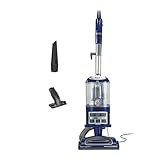
- VC Score8.8
BCP Score is a ranking system developed by bestcleanerproducts.com. BCP Score has no relationship or impact from any manufacturers or sales agent websites. Learn more
- BrandShark
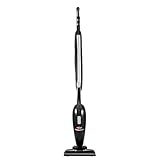
- VC Score8.8
BCP Score is a ranking system developed by bestcleanerproducts.com. BCP Score has no relationship or impact from any manufacturers or sales agent websites. Learn more
- BrandBissell

- VC Score8.8
BCP Score is a ranking system developed by bestcleanerproducts.com. BCP Score has no relationship or impact from any manufacturers or sales agent websites. Learn more
- BrandShark

- VC Score8.8
BCP Score is a ranking system developed by bestcleanerproducts.com. BCP Score has no relationship or impact from any manufacturers or sales agent websites. Learn more
- BrandShark

Eureka Airspeed Ultra-Lightweight Compact Bagless Upright Vacuum Cleaner, NEU10AE4, Red
View on Amazon- VC Score8.6
BCP Score is a ranking system developed by bestcleanerproducts.com. BCP Score has no relationship or impact from any manufacturers or sales agent websites. Learn more
- BrandEureka
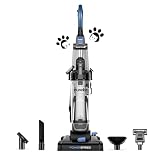
- VC Score8.4
BCP Score is a ranking system developed by bestcleanerproducts.com. BCP Score has no relationship or impact from any manufacturers or sales agent websites. Learn more
- BrandEureka

- VC Score8.4
BCP Score is a ranking system developed by bestcleanerproducts.com. BCP Score has no relationship or impact from any manufacturers or sales agent websites. Learn more
- BrandBissell

- VC Score8.2
BCP Score is a ranking system developed by bestcleanerproducts.com. BCP Score has no relationship or impact from any manufacturers or sales agent websites. Learn more
- BrandDyson
Last update on 2026-06-27 / Affiliate links / Images, Product Titles, and Product Highlights from Amazon Product Advertising API
Which Motor Is Used Vacuum Cleaner
Homes and offices often face the silent frustration of a vacuum that barely lifts dust or struggles on thick carpets. The culprit isn't always the filter or attachments; the heart of the problem lies deep inside: the motor. Which motor is used vacuum cleaner defines its power, durability, and how effortlessly it glides over different surfaces, turning tedious chores into manageable tasks. Understanding the motor types and their strengths illuminates why certain vacuums outperform others under daily stress.
Universal Motors And High Suction
Universal motors dominate household vacuum designs because they produce high-speed rotation that generates impressive suction. These motors operate on both AC and DC power, granting flexibility in corded and battery-powered models. Compact yet forceful, they are ideal for upright and canister vacuums, handling dust, crumbs, and pet hair with consistent efficiency. The speed translates into a strong airflow, ensuring dirt lifts effectively even from deep pile carpets.
However, universal motors can be noisy and generate heat during extended use. Manufacturers often integrate cooling fans or heat-resistant materials to maintain performance without risking premature wear. That balance of power versus durability explains why some vacuums remain reliable for years while others falter. It’s a tradeoff most homeowners rarely notice until the motor struggles.
These motors excel at tackling stubborn messes, but their energy draw can be substantial. Clever engineering mitigates excessive electricity consumption while retaining suction strength, giving the user consistent performance without skyrocketing utility bills. Efficiency and power coexist when motor design aligns with task demands, proving universal motors remain popular for a reason.
The simplicity of a universal motor also makes maintenance relatively straightforward. Brushes and armature components are accessible for repair or replacement, extending the lifespan of the vacuum. For those who want a workhorse machine, this motor type delivers both strength and serviceability in one compact package.
Brushless DC Motors And Cordless Efficiency
Brushless DC (BLDC) motors are increasingly common in modern stick and handheld vacuums, offering a different set of advantages. Without brushes, these motors reduce friction and wear, producing quieter operation and longer life. Their lightweight nature complements cordless designs, allowing prolonged cleaning without fatigue. The elimination of brush contact also minimizes electrical noise, a subtle but appreciated feature in smaller spaces.
Efficiency is another hallmark of BLDC motors. By converting energy more effectively into airflow, they can maintain strong suction without draining the battery rapidly. Many cordless vacuums leverage this trait to provide consistent performance across multiple surfaces, from hardwood floors to shag rugs. Users often notice a more even, reliable pickup compared to older brushed motors.
Maintenance is easier as well; fewer moving parts and the absence of brushes reduce the need for frequent servicing. This leads to long-term reliability and minimal downtime. For small apartments or quick cleanups, BLDC motors provide a balance of power, quiet operation, and endurance.
The compact construction allows innovative designs, including angled heads, flexible tubes, and ergonomic handles. Such versatility enhances usability without compromising the strength of suction. In essence, brushless motors enable a smarter, more user-friendly cleaning experience.
Motor Size And Airflow Tradeoffs
The physical size of a motor influences both vacuum weight and suction efficiency. Larger motors typically create stronger airflow but add bulk, affecting maneuverability. Smaller motors suit lightweight, portable units but may struggle with dense carpets. Consumers frequently face a choice between power and convenience, making motor selection critical to daily comfort.
Airflow optimization relies on internal design as much as raw speed. Fans, impellers, and housing shape all direct suction effectively. A well-engineered motor paired with thoughtful airflow channels reduces drag, maximizes pickup, and minimizes noise. Even subtle design improvements can yield noticeably better cleaning results.
Weight distribution also impacts fatigue during extended cleaning. A centrally placed motor ensures balance and reduces wrist strain, especially in stick or handheld vacuums. Users often underestimate this, but ergonomic design alongside motor selection defines real-world usability. Balance and comfort are as important as airflow strength.
Some vacuums offer variable speed settings, allowing adjustment of motor output depending on the surface. This flexibility prevents overconsumption of energy while providing precise suction control. Such features demonstrate how motor design intersects with practical household needs.
Noise And Vibration Considerations
Strong motors often produce noticeable vibration and noise, which can deter usage during early mornings or in shared spaces. Manufacturers counteract this by damping motor mounts, using rubber grommets, and optimizing fan geometry. A well-tuned motor delivers power without rattling, preserving comfort during extended cleaning.
Brushless designs naturally reduce mechanical noise, while universal motors may require additional insulation. Noise levels correlate directly with airflow turbulence and vibration amplitude. Consumers appreciate vacuums that stay effective without becoming a nuisance, highlighting the importance of quiet efficiency.
Vibration management also protects delicate components, reducing wear on internal gears and seals. This extends lifespan and maintains performance consistency. High-quality motors not only clean well but also remain reliable and stable over time.
Quiet operation is particularly valuable in multi-floor homes or apartments. Users can clean without disturbing others, proving that motor selection affects both functionality and lifestyle. Noise reduction is an often-overlooked but crucial performance factor.
Durability And Cooling Systems
Vacuum motors endure high rotational speeds, friction, and occasional blockages. Durable motors incorporate thermal protection and cooling fans to prevent overheating. Components like armatures, bearings, and shafts are crafted from resilient materials to withstand stress. Longevity and performance depend on these design choices.
Universal motors often integrate brushes and commutators that can be replaced, extending operational life. Brushless motors reduce wear points and maintain performance longer with minimal intervention. This ensures consistent suction and reliability even after repeated use.
Cooling channels and heat-resistant materials prevent failure during intensive cleaning sessions. A motor that manages heat effectively maintains strong airflow, reducing the likelihood of clogs or partial power loss. Users notice consistent results without sudden drops in efficiency.
Durable construction also supports higher-priced vacuums, where serviceability and material quality justify investment. A well-built motor is the backbone of a vacuum’s strength, efficiency, and dependability.
Filter Systems And Motor Protection
Motor life is closely tied to filtration. Dust and debris entering the motor housing can cause overheating and abrasion. HEPA filters and pre-filters not only protect air quality but also safeguard the motor. Clean air circulation reduces strain and enhances longevity.
Regular maintenance of filters ensures that suction remains strong and motor stress is minimized. Even the best motor can falter if airflow is restricted. Users who neglect filters often face diminished performance, demonstrating the interplay between motor and filtration.
Some vacuums feature washable or cyclonic systems, reducing clog buildup and maintaining airflow. By keeping debris out of critical components, these systems extend motor life and sustain peak cleaning performance. The right combination of motor and filter defines efficiency.
Investing in vacuums with protective filtration pays off in reduced maintenance and fewer replacements. Motor protection through design and air management is a key factor in long-term satisfaction for homeowners seeking consistent results.
Motor Placement And Ergonomics
The location of the motor influences weight distribution, handling, and user fatigue. Stick vacuums often place the motor near the handle for better balance, while canister models keep the motor separate to reduce hand strain. Strategic placement ensures effortless operation over extended sessions.
Motor positioning also affects noise perception. Distance from the user and insulation can mitigate perceived sound. Ergonomic design integrated with motor layout improves the overall cleaning experience without sacrificing suction power or efficiency. Comfort and performance go hand in hand.
Robotic vacuums optimize motor placement for low-profile navigation, maintaining airflow while avoiding obstacles. Even subtle design choices enhance mobility and reduce wear on moving parts. Users benefit from thoughtful engineering that balances power, usability, and durability.
Motor placement affects maintenance access, too. Easily reachable components simplify repair, cleaning, and replacement. Practical design ensures that the strength and longevity of the vacuum remain intact while supporting user convenience.
What Type Of Motor Is Best For Vacuum Cleaner Performance
Performance numbers on a product box don't always tell the full story. Two vacuums can advertise similar suction levels yet behave very differently after months of regular use. The difference often comes down to motor efficiency, heat management, and how well the motor maintains airflow under real cleaning conditions. A motor that stays consistent under load usually provides a far better experience than one that starts strong and quickly fades.
Brushless motors have become increasingly popular because they maintain steady power delivery while reducing mechanical wear. Less friction means fewer parts gradually breaking down over time. That's especially valuable in cordless models where battery life and motor efficiency must work together. A vacuum that keeps its suction near the end of a cleaning session feels noticeably more reliable.
Universal motors still dominate many full-size machines because they generate strong airflow and deep-cleaning capability. Thick carpets, embedded dirt, and larger debris often benefit from the aggressive suction these motors can create. The tradeoff is typically more noise and slightly higher heat generation. Many homeowners willingly accept that compromise for stronger pickup performance.
Motor quality also affects long-term ownership costs. A vacuum with a durable motor may cost more upfront but require fewer repairs and replacements. That balance between purchase price and longevity often becomes clear after several years of regular use. Looking beyond marketing terms helps identify machines built around lasting performance rather than short-term impressions.
Why Suction Power Depends On More Than Motor Speed
Many people assume higher motor speed automatically creates stronger suction. Reality is a bit more complicated. Airflow design, fan construction, seals, and filtration all work together with the motor. Even a powerful motor can feel weak if air leaks occur throughout the vacuum body.
Manufacturers spend significant effort designing airflow paths because restrictions reduce efficiency. Dust bins, hoses, filters, and brush heads all influence the final cleaning result. A properly engineered vacuum allows the motor to operate closer to its intended capability. That translates into better debris pickup and more consistent cleaning.
Carpet cleaning highlights this relationship particularly well. Soft flooring creates resistance that challenges airflow. Motors must maintain enough power to pull debris upward while working through that resistance. Machines with poor airflow design often struggle despite having respectable motor specifications.
Pet owners frequently notice these differences first. Fur tends to wrap around brushes and partially restrict airflow. Explore best canister vacuum for pet owners if pet hair management and sustained suction are major concerns. A vacuum built for heavy shedding usually combines a capable motor with airflow systems designed to resist clogging.
Signs A Vacuum Motor Is Starting To Fail
Motor problems rarely appear overnight. Most vacuums provide warning signs long before complete failure occurs. Paying attention to these signals can prevent expensive repairs and frustrating cleaning sessions. Small performance changes often reveal developing issues.
Reduced suction despite clean filters is one of the most common indicators. Motors gradually lose efficiency as bearings wear or internal components deteriorate. A vacuum that once lifted debris effortlessly may require multiple passes to achieve the same result. That decline often happens slowly enough to go unnoticed at first.
Strange noises deserve attention as well. Grinding, whining, or rattling sounds may indicate worn bearings, loose components, or fan damage. Excessive vibration often accompanies these problems. Ignoring unusual sounds can accelerate wear and eventually lead to complete motor failure.
A burning smell should never be ignored. Overheating windings, electrical issues, or clogged cooling passages may be responsible. Modern vacuums sometimes shut down automatically through thermal protection systems, preventing catastrophic damage. That safety feature can save the motor, but recurring shutdowns usually indicate an underlying problem that needs attention.
Motor Maintenance Habits That Extend Vacuum Life
Simple maintenance routines often have a bigger impact than many people expect. Motors operate most efficiently when airflow remains unrestricted. Clean filters, empty dust containers, and clear hoses reduce strain on the motor. These basic tasks help maintain consistent suction and stable operating temperatures.
Hair and string wrapped around brush rolls create extra resistance. The motor must work harder to overcome that drag, increasing heat and wear. Removing tangled debris regularly protects both the brush system and the motor itself. A few minutes of maintenance can prevent months of unnecessary strain.
Storage conditions matter too. Excessive moisture can affect electrical components and bearings over time. Dry indoor storage helps preserve motor health and prevents corrosion. Long-term reliability often depends on habits that seem minor day to day.
People familiar with maintaining specialized cleaning equipment often follow similar routines across multiple devices. For example, those who regularly maintain respiratory cleaning equipment may already understand the value of scheduled upkeep. To keep maintenance routines organized, review how to use soclean cpap cleaner for another example of equipment care that relies on consistent cleaning practices.
How Motor Technology Shapes Cordless Vacuum Design
Battery-powered vacuums have changed dramatically during the past decade. Early cordless models often sacrificed suction for portability. Newer designs use brushless motor technology to generate stronger airflow while preserving battery runtime. That improvement has expanded their usefulness well beyond quick touch-ups.
Weight reduction remains a major priority. Smaller brushless motors allow manufacturers to create lighter machines without severely compromising performance. Carrying a vacuum up stairs or cleaning ceilings becomes noticeably easier when motor weight decreases. Everyday convenience often depends on these engineering decisions.
Runtime still presents limitations. Even efficient motors consume substantial energy when operating at maximum power. Many cordless vacuums therefore include multiple power modes. Lower settings extend runtime while higher settings provide extra cleaning force when needed.
Battery and motor development continue advancing together. Improvements in both areas have narrowed the performance gap between cordless and traditional corded machines. For many households, modern cordless vacuums now provide enough suction strength, mobility, and cleaning flexibility to handle routine cleaning without major compromises.
How Different Vacuum Types Use Different Motors
Not every vacuum requires the same motor characteristics. Upright vacuums often prioritize raw suction and deep carpet cleaning. Stick vacuums emphasize portability and efficiency. Robotic models focus heavily on energy management because they must operate for extended periods from compact batteries.
Canister vacuums frequently balance power and maneuverability. Their separated motor housing allows strong airflow without placing excessive weight in the user's hand. That design remains popular for households needing versatility across carpets, rugs, furniture, and hard floors.
Garage vacuums face different demands entirely. Larger debris, sawdust, and workshop dirt require motors capable of maintaining airflow under challenging conditions. Explore best automatic vacuum for garage if workshop cleaning and debris management are priorities. Specialized environments often require specialized motor and airflow combinations.
Robotic vacuums prioritize efficiency over brute force. Their motors must balance battery consumption, navigation requirements, and suction performance. While they may not match larger corded units for deep carpet extraction, modern robotic designs continue improving through smarter motor control and better airflow engineering.
Comparing Cost, Reliability, And Long-Term Value
Price differences between vacuum cleaners often reflect motor technology and construction quality. Less expensive models may rely on simpler components that perform adequately for light-duty use. Higher-priced machines frequently invest in durable bearings, improved cooling systems, and better motor control electronics.
Reliability matters because motor replacement can be costly. A machine that lasts several additional years may ultimately cost less than replacing cheaper units repeatedly. Looking at long-term ownership rather than purchase price alone often changes the value equation considerably.
Warranty coverage can offer useful clues about manufacturer confidence. Companies willing to support motors for extended periods generally expect those components to survive regular use. While warranties aren't guarantees of perfection, they can provide insight into expected durability.
The answer to which motor is used vacuum cleaner depends on the type of vacuum, intended workload, noise expectations, efficiency goals, and maintenance habits. Universal motors continue delivering strong suction in many traditional models, while brushless motors increasingly power cordless and robotic designs through a combination of efficiency, longevity, and practical everyday performance.


How to Refinish a Fiberglass Pool

How Do You Keep Raccoons Out of Your Pool?

How to Fix Cyanuric Acid in Your Pool

How to Shape a Pool Cue Tip to Stop Miscues

Best Far Infrared Sauna Sauna Heats: Top Picks of 2026

11 Best Far Infrared Sauna Carbon Fiber Heaters of 2026 For Balanced Full-Body Heat

11 Best Carbon Far Infrared Sauna of 2026 For Even Heat

10 Best Bluetooth Speaker For Sauna of 2026 For Heat and Steam








