
What Is a Vacuum Truck Used For? Practical Insights

What Is a Vacuum Truck Used For often becomes a question after seeing one parked near a construction site, wastewater facility, or roadside maintenance project. Those large tanks and powerful hoses aren't there for show. They handle jobs that would be messy, slow, and sometimes dangerous if completed with standard equipment. By removing liquids, sludge, debris, and contaminated materials efficiently, these machines help keep operations moving without unnecessary downtime.
Heavy buildup can create serious headaches. Blocked sewer lines, flooded excavation areas, and industrial waste accumulation can quickly turn into expensive problems. That's where vacuum trucks step in. Their ability to suction large volumes of material makes cleanup faster while reducing manual labor. In many situations, they help prevent disruptions that could otherwise affect public services, construction schedules, or facility operations.
Construction projects frequently rely on these vehicles for more than simple waste removal. Soft excavation, often called hydro excavation when combined with water, allows crews to expose underground utilities without causing damage. A misplaced shovel can lead to costly repairs, but a carefully operated vacuum system minimizes that risk. As a result, precision and safety improve at the same time.
Industrial facilities face a different set of challenges. Storage tanks, processing equipment, and containment areas can accumulate sludge, residue, or hazardous materials over time. Routine cleaning isn't merely a maintenance task. It helps maintain operational efficiency and supports compliance with environmental requirements. A properly equipped vacuum truck can collect materials safely while limiting worker exposure to potentially harmful substances.
Municipal infrastructure also depends heavily on these specialized vehicles. Sewer systems, storm drains, and catch basins gradually collect sediment and debris. Left unchecked, those materials can contribute to backups, flooding, and reduced system performance. Regular cleaning with a vacuum truck helps maintain flow capacity and extends the service life of critical infrastructure.
Then there's the environmental side of the equation. Spills and contaminated waste require swift action. Vacuum trucks can recover liquids and debris before they spread further, helping reduce environmental impact. While they aren't a cure-all for every cleanup situation, their flexibility allows crews to respond to a wide variety of conditions with greater control and efficiency.

- VC Score9.2
BCP Score is a ranking system developed by bestcleanerproducts.com. BCP Score has no relationship or impact from any manufacturers or sales agent websites. Learn more
- BrandSTANLEY

- VC Score9.0
BCP Score is a ranking system developed by bestcleanerproducts.com. BCP Score has no relationship or impact from any manufacturers or sales agent websites. Learn more
- BrandCRAFTSMAN

- VC Score9.0
BCP Score is a ranking system developed by bestcleanerproducts.com. BCP Score has no relationship or impact from any manufacturers or sales agent websites. Learn more
- BrandArmor All

- VC Score8.6
BCP Score is a ranking system developed by bestcleanerproducts.com. BCP Score has no relationship or impact from any manufacturers or sales agent websites. Learn more
- BrandKoblenz

- VC Score8.4
BCP Score is a ranking system developed by bestcleanerproducts.com. BCP Score has no relationship or impact from any manufacturers or sales agent websites. Learn more
- Brandhouscly

- VC Score8.4
BCP Score is a ranking system developed by bestcleanerproducts.com. BCP Score has no relationship or impact from any manufacturers or sales agent websites. Learn more
- BrandDUSTIX

- VC Score8.4
BCP Score is a ranking system developed by bestcleanerproducts.com. BCP Score has no relationship or impact from any manufacturers or sales agent websites. Learn more
- BrandKdewere

- VC Score8.0
BCP Score is a ranking system developed by bestcleanerproducts.com. BCP Score has no relationship or impact from any manufacturers or sales agent websites. Learn more
- BrandWINWEND
- VC Score8.0
BCP Score is a ranking system developed by bestcleanerproducts.com. BCP Score has no relationship or impact from any manufacturers or sales agent websites. Learn more
- BrandPower Practical
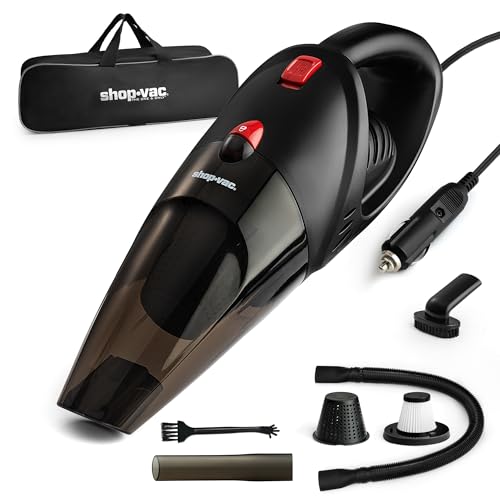
- VC Score7.8
BCP Score is a ranking system developed by bestcleanerproducts.com. BCP Score has no relationship or impact from any manufacturers or sales agent websites. Learn more
- BrandShop-Vac
Last update on 2026-06-26 / Affiliate links / Images, Product Titles, and Product Highlights from Amazon Product Advertising API
What Is A Vacuum Truck Used For
A backed-up drain, a flooded work pit, or a tank full of thick sludge can stop a job cold before anyone has had their first decent cup of coffee. Crews need a fast, controlled way to remove messy material without turning the site into a bigger headache, and that is where what is a vacuum truck used for becomes a practical question instead of a trivia question. A vacuum truck uses powerful suction, a sealed storage tank, and heavy-duty hoses to collect liquids, sludge, mud, debris, and waste from places that ordinary pumps or manual cleanup methods can't handle well.
Vacuum Truck Basics
A vacuum truck is basically a mobile cleanup system built for jobs that are too wet, too heavy, too dirty, or too risky for standard tools. The truck creates strong negative pressure through a vacuum pump, pulling material through a hose and into a tank mounted on the vehicle. That setup keeps waste contained during collection and transport. For messy worksites, that containment matters because spilled sludge or contaminated water can turn a manageable task into a safety problem.
The most common materials collected include wastewater, septic sludge, drilling mud, industrial residue, storm drain debris, and standing water. Some trucks handle mostly liquid waste, while others are built for heavier solids mixed with water. A dry vacuum setup can collect dust, sand, powders, and loose debris. The exact truck depends on the job, because a sewer cleaning route and an industrial tank cleaning project don't demand the same equipment.
Operators also use vacuum trucks because they reduce the amount of manual handling required on difficult jobs. Nobody wants workers climbing into tight areas with buckets and shovels if a hose can remove the material from a safer distance. That doesn't mean the work is simple. It still requires trained crews, proper disposal planning, and attention to site conditions.
A useful way to think about these trucks is this: they don't just clean. They control material movement. They pull waste out, hold it securely, and move it to an approved disposal or treatment location. That control is why vacuum trucks show up in construction, utilities, municipalities, oilfield work, manufacturing, and emergency cleanup.
Sewer And Storm Drain Cleaning
City drainage systems collect more than water. Leaves, grit, grease, trash, roots, and sediment can gather inside sewer lines and storm drains until the system starts slowing down. A vacuum truck removes those blockages with high-volume suction, often paired with water jetting to break loose compacted debris. This combination helps restore flow without digging up the whole line.
Storm drains need regular cleaning because heavy rain can push debris into catch basins fast. Once sediment builds up, water has less room to move, and streets can flood sooner than expected. Vacuum trucks collect the muck before it causes bigger drainage problems. That work may not look glamorous, but flood prevention often depends on routine maintenance that most people never notice.
Sewer cleaning also protects neighborhoods from backups. Grease, wipes, and settled solids can create clogs that send wastewater in the wrong direction. A vacuum truck gives maintenance crews a way to remove the mess while keeping exposure controlled. For public works teams, reliable suction capacity can mean fewer emergency calls and fewer angry residents.
Homeowners dealing with smaller drainage issues may still need a different approach before the problem reaches the street system. To clear certain household drain blockages safely, follow product directions carefully and use the right method for the clog type, such as how to use sizzle drain cleaner, instead of guessing with harsh chemicals. Larger sewer or storm drain trouble, though, belongs with trained crews and proper equipment. A vacuum truck is built for volume, containment, and disposal, not casual home maintenance.
Septic Tank And Wastewater Removal
Septic systems rely on regular pumping to keep solids from building up too far inside the tank. A vacuum truck removes septic sludge and liquid waste through a suction hose, then transports it to an approved treatment facility. Skipping that service can lead to backups, foul odors, and expensive drain field damage. A neglected system rarely fails politely.
Wastewater removal also matters at commercial properties, farms, campgrounds, and temporary worksites. Portable toilets, holding tanks, and grease traps all need scheduled service. Vacuum trucks make those routes possible because they can collect waste from multiple locations and keep it sealed during transport. That sealed tank is a big part of sanitation control.
Septic pumping isn't just about pulling out liquid. The thick material at the bottom of the tank is often the real issue. If solids escape into the drain field, the soil can clog and stop absorbing wastewater properly. Regular vacuum truck service helps maintain system balance and gives technicians a chance to spot warning signs before a failure gets ugly.
Odor control is another practical reason these trucks matter. Nobody wants wastewater sitting around in open containers or being moved with improvised equipment. A proper vacuum truck keeps the material contained and limits unnecessary exposure. That is especially important for health, safety, and clean transport.
Hydro Excavation Around Utilities
Construction crews often need to expose buried utilities without damaging them. Traditional digging can be risky around gas lines, fiber cables, water pipes, and electrical conduits. Hydro excavation uses pressurized water to loosen soil while a vacuum truck removes the slurry. This method gives crews more precise digging than a bucket or shovel in tight utility zones.
That precision can save real money. Hitting a buried line can delay a project, trigger repairs, and create safety hazards. A vacuum truck helps reduce that risk by clearing soil gradually while the operator controls the excavation area. For utility locating, potholing, and trenching, controlled excavation is often worth the slower, more careful pace.
Hydro excavation also helps in frozen or compacted ground. Water can cut through difficult soil conditions, and the vacuum system removes the loosened material quickly. Crews can work around crowded underground infrastructure without tearing up more ground than necessary. That smaller footprint can reduce restoration work after the job.
Concrete work areas bring their own cleanup headaches, especially after cutting, drilling, or repair tasks leave gritty debris behind. For smaller site cleanup needs away from heavy excavation, a practical cordless vacuum can help with loose surface dust, and this guide to the best cordless stick vacuum concrete floors fits that lighter-duty situation. A vacuum truck handles the big slurry and utility exposure jobs. Both tools solve cleanup problems, just at very different scales.
Industrial Tank And Sludge Cleanup
Factories, processing plants, refineries, and food production facilities often deal with residue that collects inside tanks, pits, sumps, and containment areas. A vacuum truck removes industrial sludge, wastewater, oils, and other materials that can slow production or create safety concerns. These jobs usually require planning because the material may need special handling. Disposal rules matter just as much as suction power.
Tank cleaning can be especially tough because residue settles, thickens, and sticks to surfaces over time. A vacuum hose can pull out the loose material, while crews may use water, agitation, or specialty tools to break up stubborn buildup. The truck then stores the waste for transport. That process helps reduce downtime compared with slower manual removal.
Industrial cleanup also helps protect equipment. Sludge in sumps or process areas can interfere with pumps, drains, and containment systems. Left alone, it can contribute to corrosion, odors, and poor drainage. Routine vacuum service supports cleaner operations and lowers the chance of a small maintenance issue snowballing into a shutdown.
Some facilities deal with non-hazardous waste, while others handle regulated materials that require trained crews and documentation. A vacuum truck may need specific tank lining, filtration, or safety equipment depending on what it collects. That is why choosing the right service provider matters. Material compatibility, disposal access, and operator training all affect how safely the job gets done.
Flood Water And Emergency Cleanup
Standing water can wreck schedules fast. A storm, broken water main, or failed pump can leave parking lots, basements, trenches, and loading areas underwater. Vacuum trucks remove large volumes of water quickly, which helps crews regain access and assess damage. Speed matters because water rarely waits around politely.
Emergency cleanup may involve more than clear water. Floodwater can carry mud, debris, sewage, fuel residue, or chemical contaminants depending on the location. A vacuum truck helps collect the material into a sealed tank instead of spreading it around the site. That containment supports safer recovery work.
Construction sites often call vacuum trucks after rain fills excavations or utility pits. Pumping muddy water with a standard pump can clog equipment, especially when rocks or sediment are mixed in. A vacuum truck can handle thicker slurry that would give lighter equipment a bad day. The tradeoff is cost, but the payoff is faster site access and less equipment abuse.
Smaller indoor cleanup jobs need a different tool than a vacuum truck, especially in finished spaces where mobility and storage matter. For lighter debris and dry surface messes, compare options like the best cordless stick vacuum under 500 before dragging out bulky equipment. A vacuum truck belongs outside on heavy-duty waste, floodwater, and sludge removal. Matching the tool to the mess keeps the job practical.
Why Proper Disposal Matters
Vacuuming waste is only half the job. The collected material has to go somewhere legal, safe, and suitable for its type. Septic waste, oily sludge, construction slurry, and storm drain sediment may each require different disposal routes. A responsible crew plans for approved disposal before the hose ever touches the site.
Improper disposal can create environmental damage and expensive penalties. Dumping contaminated liquid into the wrong drain or soil area can spread pollutants fast. Even material that looks like ordinary mud may contain oils, metals, or sewage-related contaminants. Testing and documentation help confirm safe waste handling.
For businesses, disposal records can be just as important as the cleanup itself. Facilities may need proof that waste was transported and processed correctly. A reputable vacuum truck service will know local requirements and provide the right paperwork. That paper trail protects both the property owner and the contractor.
Cost also changes depending on disposal needs. Clean water removal is usually simpler than hauling regulated sludge or hazardous liquids. Travel distance, dump fees, tank capacity, and labor all affect the final bill. Clear communication upfront helps avoid surprises and keeps project planning grounded in reality.
Safety Factors Crews Cannot Ignore
Vacuum trucks are powerful, and that power deserves respect. Strong suction can move heavy material quickly, but it can also create hazards if hoses, fittings, or tank pressure are handled carelessly. Operators need training in equipment control, confined space risks, traffic safety, and material hazards. A rushed job can become dangerous in a hurry.
Air quality is a major concern during certain cleanup tasks. Sewer work, tank cleaning, and industrial waste removal can involve gases or vapors that workers shouldn't breathe. Crews may need monitoring equipment, ventilation, protective clothing, and breathing protection. Those precautions support worker safety before anyone starts collecting waste.
Traffic control matters too, especially for municipal and roadside work. A vacuum truck may sit near a curb, manhole, or storm drain while traffic keeps moving nearby. Cones, signage, spotters, and clear work zones help protect both workers and drivers. The truck is big, but visibility alone doesn't guarantee roadside safety.
Hose handling can be physically demanding. Heavy suction lines, wet surfaces, and awkward access points can strain workers if the job isn't planned well. Experienced crews stage the truck carefully and choose hose routes that reduce unnecessary pulling. Small setup choices often make a big difference in safe, steady production.
What Is A Vacuum Truck Used For In Site Cleanup
Messy jobs rarely stay small once water, sludge, grit, and waste start moving in the wrong direction. A blocked drain can slow a crew, but a soaked trench or overflowing basin can shut the whole site down. That is why what is a vacuum truck used for matters beyond basic cleanup. It gives crews a controlled way to remove difficult material before delays, odors, and safety concerns pile up.
Site cleanup often looks simple from the outside, yet the details can get tricky fast. Muddy water may include rocks, fuel residue, construction dust, or broken pipe debris. A regular pump might move clear water, but it can choke on thicker slurry. A vacuum truck handles mixed waste with stronger suction and a sealed tank built for hauling the mess away.
Crews also use vacuum trucks to keep work zones easier to manage. Standing water hides hazards, softens soil, and makes equipment access harder. Sludge around drains, pits, or loading areas can create slip risks and unpleasant odors. Removing that material supports safer movement and helps the next phase of work start without a long cleanup scramble.
Smaller cleaning jobs still need the right tool, especially around homes, patios, or pool areas where a heavy truck would make no sense. For pool maintenance after leaves, sand, and fine debris settle on the bottom, a guide to the best pool vacuum fits that lighter cleanup need. A vacuum truck belongs on bigger jobs with large-volume waste, deep sludge, or material that needs proper transport. Matching the tool to the mess saves time and prevents overkill.
How Vacuum Trucks Help Reduce Worksite Delays
Delays usually start with something small. A trench fills after rain, a sump stops draining, or a storm basin backs up during a busy schedule. Then everyone waits while the mess gets sorted out. A vacuum truck helps cut that waiting time by removing water, sludge, and debris in one organized process.
Construction teams rely on predictable access. If a work area is flooded or packed with slurry, equipment operators can't move safely and inspectors may not approve the next step. Vacuum trucks clear the area so crews can see what they are working around. That visibility supports better decisions and reduces the chance of costly mistakes.
The biggest advantage is not just speed. It is control. A vacuum hose can pull material from tight spots where loaders, buckets, or manual tools would struggle. That matters around foundations, utility corridors, road shoulders, and drainage structures where space is limited.
There is a tradeoff, of course. Vacuum truck service costs more than grabbing a small pump from the shop. But if the material is thick, contaminated, or spread across a busy site, cheaper methods can turn expensive after wasted labor and repeated equipment clogs. In those cases, proper suction equipment pays for itself by keeping the job from dragging.
Vacuum Truck Uses For Environmental Cleanup
Spills create pressure fast. Water, oil, sludge, and contaminated runoff can spread into soil, drains, or nearby work areas before anyone has a clean plan. A vacuum truck gives response crews a way to collect material quickly and keep it contained. That containment is a major part of environmental cleanup.
Not every spill is dramatic. Some cleanup jobs involve small leaks from equipment, washdown areas, retention ponds, or process tanks. Left alone, those materials can build up and create bigger disposal problems. Regular removal helps prevent pollution risks from becoming harder to manage.
Vacuum trucks are also useful after storms. Floodwater can carry sediment, trash, sewage, or chemical residue depending on the location. Crews may need to remove the water first, then clean out the heavier debris left behind. A sealed tank helps keep that material controlled during transport and disposal.
Household and recreational cleanup products belong in a much smaller lane, but the same principle still applies: use the right cleaner for the surface and residue. For ski gear maintenance, instructions like how to use swix base cleaner make sense because precision matters on a specific surface. Vacuum truck work follows that same practical mindset at a much bigger scale, using task-specific equipment instead of guessing.
What To Check Before Hiring A Vacuum Truck Service
A vacuum truck is only as useful as the crew running it. The service provider should know what material they are collecting, where it will be disposed of, and what safety steps the job requires. Asking those questions upfront is not being picky. It protects the site from costly surprises.
Tank capacity matters because a truck that is too small may need extra disposal trips. Hose length matters because the truck may not be able to park right beside the material. Pump strength matters because thick sludge needs more than casual suction. These details shape job efficiency before the work even starts.
Disposal planning deserves serious attention. Septic waste, oily water, storm drain sediment, and industrial sludge may all require different handling. A trustworthy provider should explain where the material goes and whether documentation is needed. That paper trail supports responsible waste management.
Access can make or break the job too. Narrow gates, soft soil, overhead wires, traffic, or steep grades can affect where the truck parks and how hoses are routed. A quick site walk helps avoid awkward setup problems. Good planning keeps cleanup safer and smoother once the crew arrives.
Common Limits Of Vacuum Truck Work
Vacuum trucks are powerful, but they are not magic. Very large rocks, hardened concrete, tangled metal, or compacted debris may need breaking, loosening, or removal by other equipment first. The hose can only collect what can physically move through it. Knowing that limit keeps expectations realistic.
Material type can also change the plan. Hazardous waste may require special permits, trained technicians, protective gear, and approved disposal sites. Some liquids may react badly with certain tank materials or need separate containment. A rushed approach can create safety and compliance problems.
Weather and ground conditions matter more than people expect. Heavy trucks need stable access, especially near trenches, soft shoulders, or saturated soil. If the truck cannot park safely, the crew may need extra hose, mats, traffic control, or a different setup. Those details affect service time and cost.
Noise is another practical issue. Vacuum pumps and water jetting systems can be loud, especially in tight urban areas or near occupied buildings. Scheduling the work at the right time helps reduce complaints and interruptions. A little planning makes heavy-duty cleaning less disruptive for everyone nearby.
Why Vacuum Trucks Matter Across Tough Jobs
Every tough cleanup job has one thing in common: the mess has to move somewhere. Vacuum trucks solve that problem by combining suction, containment, mobility, and transport in one system. They are used for sewer cleaning, septic pumping, hydro excavation, industrial sludge removal, storm cleanup, and environmental response. That range explains why they show up in so many different industries.
The real value sits in the control they provide. Crews can remove material from tight spaces, reduce manual handling, and limit the spread of waste. That makes a difference on sites where safety, timing, and disposal rules all matter. A good vacuum truck setup supports cleaner workflow without pretending every job is simple.
Cost still needs a practical look. A vacuum truck may not be necessary for a small puddle, a light layer of dry dust, or a simple home drain issue. But for heavy sludge, contaminated liquid, deep pits, or recurring drainage trouble, smaller tools often waste time. The right call depends on volume, material type, access, and disposal needs.
A well-run vacuum truck job feels almost uneventful, and that is the point. The crew arrives, stages the truck safely, removes the material, documents disposal if needed, and leaves the site ready for the next step. No drama, no guessing, no sloppy pile of waste left behind. For difficult cleanup, that kind of controlled removal is exactly what keeps a problem from growing teeth.


How to Refinish a Fiberglass Pool

How Do You Keep Raccoons Out of Your Pool?

How to Fix Cyanuric Acid in Your Pool

How to Shape a Pool Cue Tip to Stop Miscues

Best Far Infrared Sauna Sauna Heats: Top Picks of 2026

11 Best Far Infrared Sauna Carbon Fiber Heaters of 2026 For Balanced Full-Body Heat

11 Best Carbon Far Infrared Sauna of 2026 For Even Heat

10 Best Bluetooth Speaker For Sauna of 2026 For Heat and Steam


