
What Is a Vacuum Pump Used for in HVAC?

What is a vacuum pump used for in HVAC often pops up the moment an air conditioner stops cooling properly or a new system is being installed. Plenty of people focus on compressors, refrigerant, and thermostats, yet the vacuum pump quietly handles one of the most critical jobs in the entire process. Hidden moisture, trapped air, and tiny contaminants can create problems that aren't obvious right away. Left unchecked, those issues may slowly reduce efficiency and shorten equipment life.
HVAC systems depend on a sealed environment. Air and water vapor don't belong inside refrigerant lines, and that's where a vacuum pump steps in. By pulling the system into a deep vacuum, it helps remove unwanted gases and moisture before refrigerant is introduced. That process creates a cleaner foundation for reliable cooling and heating performance.
Many service calls trace back to installation shortcuts. A system may appear to run normally at first, but moisture trapped inside can react with refrigerant and oil over time. Those chemical reactions can contribute to corrosion, restricted flow, and damaged components. A properly used vacuum pump helps reduce those risks before they become expensive headaches.
Temperature swings, humidity levels, and long refrigerant line sets can make evacuation even more important. Small amounts of moisture may freeze at critical points inside the system, creating performance issues that seem difficult to diagnose. Pulling a deep vacuum helps eliminate those hidden threats. As a result, equipment often operates more smoothly and predictably.
Technicians frequently view evacuation as insurance for the entire installation. The process doesn't make a dramatic sound or create a visible transformation, yet its impact can be substantial. Skipping it may save a few minutes today while creating larger problems tomorrow. That's why discussions about what is a vacuum pump used for in HVAC remain so important in both residential and commercial applications.
Efficiency also plays a major role. Air trapped inside refrigerant circuits can affect heat transfer and pressure readings. Those changes may force the system to work harder than necessary. Removing contaminants allows components to operate under conditions closer to their intended design.
Another overlooked factor involves long-term maintenance costs. Systems that begin their service life with a proper evacuation procedure often face fewer contamination-related issues. While no process guarantees perfection, taking moisture and air out of the equation improves the odds of consistent performance. That practical benefit explains why vacuum pumps remain a standard part of HVAC installation and repair work.

- VC Score9.2
BCP Score is a ranking system developed by bestcleanerproducts.com. BCP Score has no relationship or impact from any manufacturers or sales agent websites. Learn more
- BrandVIVOHOME

- VC Score9.2
BCP Score is a ranking system developed by bestcleanerproducts.com. BCP Score has no relationship or impact from any manufacturers or sales agent websites. Learn more
- BrandVIVOHOME

- VC Score9.2
BCP Score is a ranking system developed by bestcleanerproducts.com. BCP Score has no relationship or impact from any manufacturers or sales agent websites. Learn more
- BrandOrion Motor Tech

- VC Score9.2
BCP Score is a ranking system developed by bestcleanerproducts.com. BCP Score has no relationship or impact from any manufacturers or sales agent websites. Learn more
- BrandVIVOHOME

- VC Score9.0
BCP Score is a ranking system developed by bestcleanerproducts.com. BCP Score has no relationship or impact from any manufacturers or sales agent websites. Learn more
- BrandVIVOHOME

- VC Score8.8
BCP Score is a ranking system developed by bestcleanerproducts.com. BCP Score has no relationship or impact from any manufacturers or sales agent websites. Learn more
- BrandVTG VOGTEN

- VC Score8.8
BCP Score is a ranking system developed by bestcleanerproducts.com. BCP Score has no relationship or impact from any manufacturers or sales agent websites. Learn more
- BrandXtremepowerUS
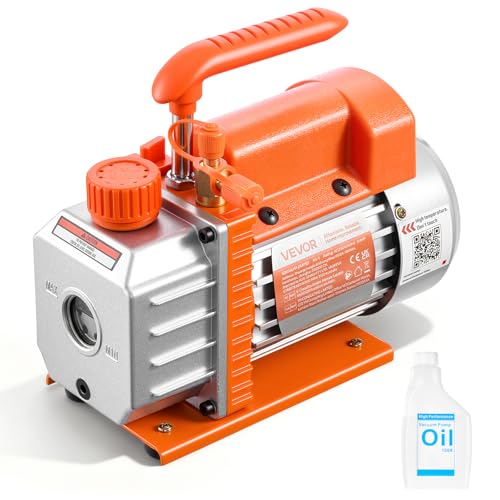
- VC Score7.8
BCP Score is a ranking system developed by bestcleanerproducts.com. BCP Score has no relationship or impact from any manufacturers or sales agent websites. Learn more
- BrandVEVOR

- VC Score7.6
BCP Score is a ranking system developed by bestcleanerproducts.com. BCP Score has no relationship or impact from any manufacturers or sales agent websites. Learn more
- BrandNEWBULIG
- VC Score7.6
BCP Score is a ranking system developed by bestcleanerproducts.com. BCP Score has no relationship or impact from any manufacturers or sales agent websites. Learn more
- BrandVEVOR
Last update on 2026-06-26 / Affiliate links / Images, Product Titles, and Product Highlights from Amazon Product Advertising API
What Is A Vacuum Pump Used For In HVAC
A cooling system can look perfectly installed from the outside and still carry trouble inside the copper lines. Tiny pockets of air, moisture, and non-condensable gases can sit where they don't belong, quietly setting up pressure problems and long-term wear. That's why what is a vacuum pump used for in HVAC matters so much during installation, repair, and refrigerant service. The pump helps prepare the sealed system before refrigerant goes in, giving the equipment a cleaner, drier path to do its job.
Vacuum Pump Basics
An HVAC vacuum pump removes air and moisture from refrigerant lines, coils, and system components before charging the system. The process is called evacuation, and it's not just a nice extra step. Air inside the system can throw off pressure readings, while moisture can react with refrigerant oil and create acidic residue. A dry, sealed circuit gives the compressor a much better shot at running without unnecessary strain.
Think of the pump as a cleanup tool before the real work begins. Refrigerant needs a controlled environment to absorb and release heat properly. If the system still contains water vapor or trapped air, cooling performance can become inconsistent. That inconsistency may show up as weak airflow temperature, odd pressures, longer run cycles, or callbacks that nobody wants.
The pump connects to the HVAC system through hoses and manifold gauges or dedicated evacuation tools. Once connected, it lowers the pressure inside the system until moisture can boil off at room temperature. That sounds a bit strange, but it's the whole trick. Under deep vacuum, moisture becomes easier to remove without heating the equipment.
Good evacuation also protects the compressor. Compressors don't appreciate contaminated oil, excess heat, or pressure conditions outside their intended range. A vacuum pump helps reduce those risks before the system starts working under load. For anyone trying to avoid avoidable repairs, proper evacuation is one of those quiet details that carries real weight.
Why Moisture Is Such A Problem
Moisture inside an HVAC system is sneaky. It may enter during installation, while lines are open, after a component replacement, or through poor service habits. Once trapped, that moisture can mix with refrigerant and oil, which may lead to acid formation, corrosion, and internal contamination. Small amounts can still cause big headaches over time.
Water vapor can also freeze inside metering devices. That can restrict refrigerant flow and make the system act like it has a completely different problem. A technician may see strange pressures, poor cooling, or intermittent performance that comes and goes. Removing hidden moisture helps prevent those confusing symptoms before they start.
Home comfort suffers too. A system contaminated with moisture may need longer cycles to satisfy the thermostat, and that can mean more noise, more wear, and less predictable cooling. Nobody enjoys paying for service only to feel lukewarm air drifting from the vents. The vacuum pump helps set up stable refrigerant movement, which supports more dependable comfort.
Moisture control also matters after repairs. Replacing a compressor, evaporator coil, condenser coil, or line set exposes the system to outside air. Even careful work can't avoid some exposure. Pulling a proper vacuum removes unwanted vapor and air so the repaired system doesn't carry leftover contamination into its next run cycle.
How Evacuation Protects The Compressor
The compressor is the expensive muscle of the HVAC system. It moves refrigerant through the circuit and handles serious pressure changes every time the system runs. Dirty oil, acid, moisture, and air can all increase stress on that component. A vacuum pump helps protect the compressor by creating a cleaner internal environment before startup.
Air inside the refrigerant circuit is considered non-condensable because it doesn't behave like refrigerant. It can raise head pressure and make the compressor work harder than it should. That extra workload can increase heat, reduce efficiency, and shorten service life. Removing non-condensable gases keeps the system closer to its designed operating conditions.
Refrigerant oil also needs protection. Oil circulates through parts of the system, and contamination can reduce its ability to lubricate well. Moisture mixed with oil can create sludge or acidic compounds that aren't friendly to valves, windings, or bearings. A deep vacuum supports cleaner oil circulation and fewer hidden threats.
This is where patient service work pays off. Rushing evacuation can leave moisture behind, especially in humid conditions or long line sets. A careful technician watches micron readings instead of guessing by time alone. That habit supports compressor reliability and helps prevent the kind of failure that turns a simple service job into a wallet punch.
Why Air Removal Improves Cooling Performance
Air inside refrigerant lines reduces system efficiency because it takes up space meant for refrigerant. The system may still run, but it won't behave as cleanly as it should. Pressures can drift, heat transfer can suffer, and troubleshooting becomes messier than necessary. Removing air supports better cooling stability from the start.
Proper evacuation also helps technicians charge the system more accurately. Refrigerant charging depends on pressure, temperature, and manufacturer guidelines. If air remains inside, those readings can become misleading. A clean vacuum makes the next step more trustworthy, which helps avoid overcharging or undercharging.
Comfort issues often show up in ordinary ways. Rooms take too long to cool, vents don't feel as crisp, or the unit runs longer than expected. The cause isn't always dramatic. Sometimes the issue begins with poor evacuation, especially after installation or major repair work.
People dealing with home maintenance often compare tools and cleaning gear across totally different jobs, and that can get confusing fast. For a separate comfort-related cleaning need, careful shoppers may compare cordless vacuum arthritic hands options for easier grip and lighter daily use. HVAC vacuum pumps, though, serve a very different purpose because they clean the inside of a sealed refrigerant system rather than floors or surfaces.
Where Vacuum Pumps Fit During HVAC Service
A vacuum pump usually appears after the system has been opened and before refrigerant is added. That may happen during a new installation, line set replacement, coil replacement, compressor replacement, or leak repair. Any time the sealed refrigerant circuit is exposed to air, evacuation becomes necessary. The goal is to restore a clean, dry, sealed environment.
Technicians often use a micron gauge to confirm the quality of the vacuum. Standard pressure gauges don't show deep vacuum accurately enough for careful work. A micron reading gives a clearer picture of whether the system is still holding moisture or leaking. That extra measurement helps separate real evacuation from guesswork.
Some jobs take longer than expected because the system contains more moisture than usual. Long line sets, humid weather, contaminated components, and poor previous service can slow the process. The pump may need more time, and sometimes the technician may use additional steps to help dry the system. Patience matters because moisture removal can't be rushed without consequences.
Cleaning knowledge from everyday products doesn't always translate to HVAC work. For example, surface-cleaning formulas have their own chemistry, and anyone curious about that can look at whiteboard cleaner ingredients as a separate topic. Refrigerant systems demand a different kind of cleanliness because internal contamination can affect pressure, lubrication, and heat transfer.
Common Mistakes That Lead To Poor Evacuation
One common mistake is relying on time instead of measurement. Running a vacuum pump for a set number of minutes doesn't prove the system is dry. A small system in good condition may evacuate quickly, while a wet or leaky system may take much longer. A micron gauge helps confirm actual vacuum quality instead of hoping the job is done.
Another issue comes from using restrictive hoses or leaving valve cores in place during evacuation. Smaller passages slow the process and make the pump work harder. Better evacuation setups use short, large-diameter hoses and core removal tools where appropriate. That kind of setup improves evacuation speed and accuracy without relying on shortcuts.
Leaks create their own mess. A system that won't pull down or won't hold vacuum may have a leak, loose fitting, bad hose, or service tool issue. Charging refrigerant into that system without solving the problem only pushes trouble down the road. A proper vacuum test helps reveal leak concerns before refrigerant gets wasted.
DIY curiosity can be healthy, but refrigerant work isn't casual weekend tinkering. HVAC systems involve regulated refrigerants, pressure hazards, electrical components, and equipment-specific procedures. A vacuum pump is only one piece of the service chain. Safe, legal, and effective work depends on proper tools, training, and recovery practices.
How Vacuum Pumps Differ From Regular Vacuums
A vacuum pump for HVAC is not the same thing as a household vacuum cleaner. A floor vacuum moves air and debris, while an HVAC vacuum pump lowers pressure inside a sealed refrigerant system. It doesn't suck out dust bunnies or visible dirt. Its job is to remove air, vapor, and gases at a much deeper pressure level.
This difference matters because the word vacuum can be misleading. A shop vacuum, cordless vacuum, or upright vacuum handles open-air cleaning. An HVAC vacuum pump works in a sealed circuit where pressure measurement is precise. That deep vacuum creates conditions where moisture can boil away at normal temperatures.
Regular vacuums also aren't built for refrigerant service. They don't connect to manifold gauges correctly, they don't reach the required vacuum levels, and they aren't designed for evacuation procedures. Using the wrong tool can leave moisture behind and create false confidence. HVAC work needs a dedicated vacuum pump because the job is specialized.
Household vacuum comparisons can still help people think about tool fit. A person researching home cleaning equipment may review dyson vacuum all floors choices for carpets, hard floors, and everyday debris. An HVAC vacuum pump belongs in a different category because it protects refrigerant performance rather than cleaning living spaces.
how vacuum pumps improve hvac system longevity
Even a perfectly installed HVAC system can underperform if moisture and air linger inside the refrigerant lines. A vacuum pump addresses this problem by removing trapped elements that quietly cause pressure instability and component wear. Ensuring a dry, air-free circuit protects efficiency and prevents premature failure, making the system more reliable over time.
Evacuation Techniques For Reliable Systems
Technicians use a vacuum pump to pull a deep vacuum, eliminating air and water vapor before refrigerant introduction. Hoses, gauges, and valves are configured to optimize evacuation speed and accuracy. Using a micron gauge confirms that the vacuum has reached the target level, which is critical to ensure moisture removal and overall system protection.
Skipping proper evacuation or relying on timers alone can leave small amounts of air behind. That residual gas increases head pressure and forces the compressor to work harder. Deep vacuum and accurate measurement help maintain optimal refrigerant circulation and prevent unnecessary wear.
Repeated evacuations are sometimes necessary for systems with long line sets or high humidity. Each pass helps remove stubborn water pockets and trapped gases. This step safeguards both the compressor and other components, emphasizing long-term reliability.
Even routine maintenance can benefit from proper evacuation. If a system has been opened for repairs, a vacuum pump ensures that no contamination persists. Moisture, air, and non-condensables are removed before the system is recharged, providing clean start-up conditions for continued performance.
Protecting The Compressor From Damage
The compressor is sensitive to both moisture and air in the system. Acid formation from water contamination can attack internal components, while trapped air increases head pressure. Using a vacuum pump helps create a clean, dry environment, which protects the compressor’s longevity.
Clean oil circulation is another benefit. Contaminated oil can lose its lubricating ability, leading to overheating or mechanical wear. Evacuation ensures the refrigerant circuit and oil remain free of moisture and debris, preserving system integrity.
Monitoring micron readings during evacuation guarantees the system reaches adequate vacuum. This process reduces the likelihood of failure and ensures reliable compressor operation from day one. Accurate evacuation prevents hidden problems that might only surface after months of use.
Vacuum pumps also help maintain consistent cooling performance. By removing air and moisture, the system operates closer to manufacturer specifications. That supports stable pressures, efficient heat transfer, and dependable comfort in the served space.
Air Removal And System Efficiency
Trapped air occupies space meant for refrigerant, reducing heat transfer efficiency. This can cause the system to run longer, waste energy, and deliver uneven cooling. A vacuum pump ensures air removal, supporting consistent system performance across the installed environment.
Accurate refrigerant charging depends on a dry and evacuated system. Air pockets can skew pressure readings, leading to overcharging or undercharging. Removing all non-condensables before charging guarantees correct refrigerant levels for optimal operation.
Maintenance technicians recognize that even small air volumes can affect operation. Room-to-room temperature consistency and energy consumption both benefit from proper evacuation, which minimizes inefficiencies.
People familiar with household cleaning tools might compare the concept to a vacuum’s role in debris removal, but HVAC vacuum pumps work at a much deeper level. For chemical cleaning knowledge, one can reference what is in clr cleaner, though that applies to surface contaminants rather than internal refrigerant protection.
Evacuation In Complex HVAC Installations
Systems with long line sets, multi-zone layouts, or large commercial setups present additional evacuation challenges. Moisture can hide in low points, bends, and long horizontal sections. Using a vacuum pump carefully ensures complete moisture removal even in complex piping configurations.
Technicians may combine vacuum with heat application or repeated pulls for stubborn moisture pockets. This ensures that all parts of the system are properly dried before charging. Accuracy prevents long-term issues like frozen metering devices or corrosion.
Leak detection is also simplified. A system that fails to hold a deep vacuum likely has a leak, allowing technicians to address it before adding refrigerant. This step prevents wasted materials and future performance problems.
Vacuum pumps play a preventive role, ensuring the system operates efficiently and reduces the chance of call-backs. The combination of moisture removal, air extraction, and leak verification improves system reliability over time.
Integrating Vacuum Pumps Into Maintenance Routines
Regular system service benefits from including a vacuum step when the system is opened. This ensures that any incidental air or moisture introduced during repairs is removed. The vacuum pump contributes to clean and controlled operating conditions that extend equipment life.
Even routine checks like filter changes or coil cleanings may warrant a brief evacuation if lines were exposed. These precautions help maintain optimal refrigerant flow and prevent hidden moisture from causing issues later.
Technicians also find that systematic vacuuming provides data for better diagnostics. Micron gauge readings give insight into system tightness and potential leaks. Consistent measurements support preventive maintenance and informed decision-making.
Adding a vacuum pump step is not time-consuming compared to the cost of component failure. Protecting compressors, preventing moisture-related corrosion, and ensuring air-free circuits delivers long-term performance benefits.
Advanced Techniques For High-Efficiency Systems
Modern HVAC systems with variable-speed compressors, sophisticated metering, or high-efficiency components require precise evacuation. Any residual moisture or air can compromise the intended system performance and efficiency. Vacuum pumps support exacting standards that these systems demand.
For specialized systems, technicians may use multiple pumps, heated vacuum, or extended evacuation times. These advanced methods remove stubborn moisture that could otherwise impact performance. Accurate control ensures peak operational efficiency.
Vacuum pump selection matters. Different pumps offer varying ultimate vacuums and flow rates. Matching the pump to system size and configuration guarantees effective evacuation without overworking the equipment.
High-efficiency HVAC systems are sensitive to contamination. Even minor residual air or water can degrade heat transfer, reduce lifespan, or increase energy consumption. Proper vacuum pumping protects system integrity and efficiency for the life of the installation.
Vacuum Pumps And Environmental Responsibility
Removing air and moisture before refrigerant charging also protects the environment. Moisture can react with refrigerants to form unwanted chemical by-products. Proper evacuation minimizes leaks, chemical reactions, and environmental risk, aligning with sustainable HVAC practices.
Technicians increasingly consider eco-friendly practices when servicing systems. Vacuum pumping is a small but important part of responsible refrigerant handling. Eliminating contaminants before charge reduces the chance of future leaks and environmental harm.
Maintaining clean refrigerant circuits prevents efficiency losses that would otherwise increase energy consumption. Reduced energy usage translates into lower emissions and cost savings for building operators.
Vacuum pumps, therefore, serve not just technical purposes but also support broader environmental goals. They help ensure that HVAC systems run as intended while minimizing potential negative impacts on surrounding ecosystems.
Conclusion-Free Recommendations
Anyone managing HVAC systems should view the vacuum pump as essential for proper evacuation. Its role in removing air, moisture, and contaminants impacts compressor life, cooling performance, and long-term reliability. Neglecting this step risks efficiency losses and unexpected repairs.
Beyond basic performance, proper vacuuming simplifies future maintenance and diagnostics. Systems that start with a clean, dry circuit tend to respond predictably, making troubleshooting and servicing less stressful. That predictability adds value to both residential and commercial installations.
For practical hands-on insight, comparing tools used in unrelated cleaning jobs can clarify differences. Reviewing options like best pool vacuum for fine particles can show how specialized tools suit their intended tasks, just as vacuum pumps are built for HVAC systems.
Consistently using vacuum pumps ensures that efficiency, performance, and longevity align with manufacturer specifications. The proper application of this tool is a subtle but powerful factor that keeps HVAC systems functioning reliably and reduces long-term repair headaches.


How to Refinish a Fiberglass Pool

How Do You Keep Raccoons Out of Your Pool?

How to Fix Cyanuric Acid in Your Pool

How to Shape a Pool Cue Tip to Stop Miscues

Best Far Infrared Sauna Sauna Heats: Top Picks of 2026

11 Best Far Infrared Sauna Carbon Fiber Heaters of 2026 For Balanced Full-Body Heat

11 Best Carbon Far Infrared Sauna of 2026 For Even Heat

10 Best Bluetooth Speaker For Sauna of 2026 For Heat and Steam








