
What Is a Vacuum Forming Machine Used For? Key Uses

What Is a Vacuum Forming Machine Used For remains a common question whenever molded plastic products appear in everyday life. Packaging trays, protective covers, automotive panels, retail displays, and product prototypes often start with a process that looks surprisingly simple. Heated plastic becomes flexible, air gets removed, and the material molds itself over a carefully designed shape. That straightforward concept helps create countless products without the expense associated with more complex manufacturing methods.
Production costs often create headaches during product development. Businesses want attractive designs, but they also need methods that won't drain budgets before a product even reaches the market. That's where vacuum forming technology steps into the picture. By allowing manufacturers to create custom plastic components quickly, it reduces development delays while keeping tooling expenses manageable. Even small production runs become more realistic and practical.
Packaging companies frequently rely on this process because presentation matters. A product sitting on a store shelf competes with dozens of alternatives, and first impressions count. Custom trays, blister packs, and protective inserts help products look organized while preventing damage during shipping. Thanks to consistent plastic forming, packaging can achieve both visual appeal and structural support without becoming overly complicated.
Prototype development benefits as well. Engineers and designers rarely get everything right on the first attempt. New concepts often require adjustments, testing, and refinement before final approval. Vacuum formed prototypes allow teams to evaluate dimensions, appearance, and functionality without committing to expensive manufacturing investments. Small changes become easier to implement, which helps projects move forward more efficiently.
Automotive, medical, aerospace, and consumer product industries also depend on lightweight plastic components. Interior panels, equipment housings, machine guards, and custom enclosures frequently originate from vacuum forming processes. The ability to create durable shapes with relatively low tooling costs makes the technology attractive across multiple sectors. Practicality often outweighs complexity, and vacuum forming delivers that balance remarkably well.
Durability and flexibility contribute to its ongoing popularity. Different plastic materials provide varying levels of strength, heat resistance, transparency, and impact protection. As a result, manufacturers can tailor products to specific needs without reinventing the entire production process. That adaptability keeps vacuum forming relevant across industries where changing demands never seem to slow down.

- VC Score10.0
BCP Score is a ranking system developed by bestcleanerproducts.com. BCP Score has no relationship or impact from any manufacturers or sales agent websites. Learn more
- BrandN/A
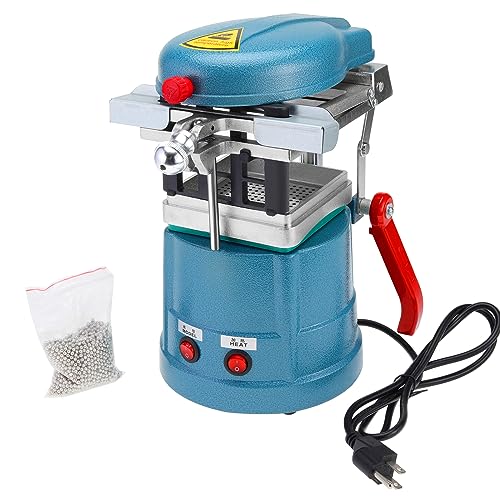
- VC Score9.4
BCP Score is a ranking system developed by bestcleanerproducts.com. BCP Score has no relationship or impact from any manufacturers or sales agent websites. Learn more
- BrandYaeccc
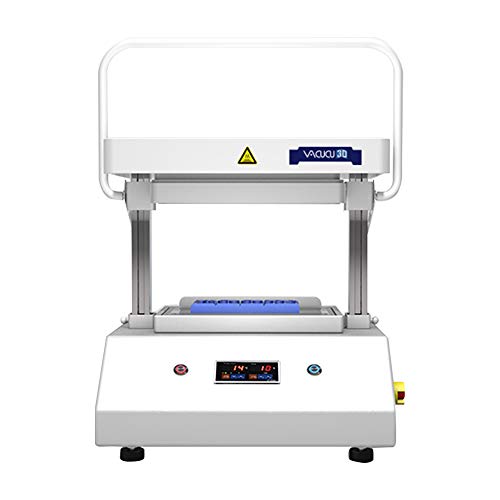
VACUCU3D A3(297mm×420mm/16.54x11.69in) The Desktop Vacuum Forming Machine Create Prototypes Molds
View on Amazon- VC Score9.0
BCP Score is a ranking system developed by bestcleanerproducts.com. BCP Score has no relationship or impact from any manufacturers or sales agent websites. Learn more
- BrandVACUCU3D

- VC Score8.8
BCP Score is a ranking system developed by bestcleanerproducts.com. BCP Score has no relationship or impact from any manufacturers or sales agent websites. Learn more
- BrandV Vesta Precision

- VC Score8.4
BCP Score is a ranking system developed by bestcleanerproducts.com. BCP Score has no relationship or impact from any manufacturers or sales agent websites. Learn more
- BrandJMU

- VC Score8.4
BCP Score is a ranking system developed by bestcleanerproducts.com. BCP Score has no relationship or impact from any manufacturers or sales agent websites. Learn more
- BrandVIVOHOME

- VC Score7.8
BCP Score is a ranking system developed by bestcleanerproducts.com. BCP Score has no relationship or impact from any manufacturers or sales agent websites. Learn more
- BrandZeta
Last update on 2026-06-26 / Affiliate links / Images, Product Titles, and Product Highlights from Amazon Product Advertising API
What Is A Vacuum Forming Machine Used For
Plastic parts look simple on the shelf, but the mess starts behind the scenes: shape, cost, thickness, tooling, packaging fit, and a deadline breathing down someone’s neck. A business may only need a few hundred trays, a prototype shell, or a clean product display, not a giant production run with expensive molds. That is where what is a vacuum forming machine used for becomes a practical question instead of a factory buzzword. It helps turn flat plastic sheets into formed plastic parts that can protect, present, cover, organize, or test a product before bigger decisions are made.
Vacuum Forming Machine Uses
A vacuum forming machine is mainly used to heat a plastic sheet until it softens, pull it over a mold, and remove air so the plastic hugs the shape. The result can be a tray, cover, panel, housing, display insert, or prototype part. The appeal is pretty down-to-earth: lower tooling cost, faster setup, and more design flexibility than many heavier manufacturing methods. For teams watching their budget, that combination can feel like a relief.
The process fits situations where the part needs a clear shape but not an overly complex internal structure. Think product packaging, storage trays, machine guards, automotive interior panels, medical device covers, and retail displays. These items don’t always need thick, injection-molded plastic. They often need clean surface detail, repeatable sizing, and enough strength to do the job without wasting material.
Small businesses often like vacuum forming because it doesn’t force them into huge order quantities right away. A new product can start with a modest run, get feedback, and then adjust without burning through the whole budget. That matters when product dimensions keep changing by a few millimeters. Prototype flexibility can save a project from getting stuck too early.
Large manufacturers use it for a different reason: speed and consistency. Once the mold is set, vacuum forming can produce repeated shapes with dependable results. It is especially useful for larger plastic parts where injection molding would require a pricey tool. The sweet spot is often large surface-area parts with moderate detail and practical strength needs.
How Vacuum Forming Solves Packaging Problems
Packaging causes more headaches than people expect. A product may look great on a screen, then rattle around inside a box, scuff during shipping, or sit awkwardly on a retail shelf. Vacuum forming helps solve that by creating custom plastic inserts that hold items in place. The package looks neater, and the product has a better shot at arriving in good shape.
Blister packs, clamshells, trays, and display inserts are some of the most common examples. These forms can separate accessories, frame the main product, and reduce loose movement inside packaging. That’s not just about looks. Protective packaging can lower damage risk and make handling easier during storage, transport, and checkout.
Retail presentation also plays a big role. Shoppers make quick judgments, and messy packaging can quietly work against the product. A vacuum formed tray gives the item a defined place, almost like a stage. The result feels more intentional, and organized product display can make even a simple item look cleaner and easier to trust.
There is a tradeoff, though. Vacuum formed packaging needs smart mold design, because weak corners, thin spots, or awkward release angles can create problems. A sharp-looking tray on paper may fail if the plastic stretches too much in one area. Good packaging depends on material choice, mold depth, draft angles, and how the final part will be stacked or sealed.
Why Prototypes Benefit From Vacuum Forming
Prototype work rarely goes in a straight line. A designer adjusts a curve, an engineer spots a clearance issue, and someone else asks whether the part feels sturdy enough in hand. Vacuum forming supports that messy middle stage because it can produce physical samples without locking the team into a costly final tool. That makes design changes less painful.
For product shells, covers, trays, and enclosures, a vacuum formed prototype can show how the part will actually look and fit. A digital model helps, sure, but holding the part tells a different story. Edges, thickness, flex, and finish become easier to judge. Real-world fit checks can catch problems before production gets expensive.
Design teams also use vacuum forming to test presentation. A product may need a tray that looks tidy, protects corners, and leaves space for labels or accessories. Instead of guessing from a drawing, the team can form a sample and place the actual product inside it. That hands-on step gives faster feedback and keeps guesswork from driving important choices.
Vacuum forming is not the answer for every prototype. Parts with complex undercuts, thick structural ribs, or detailed internal features may need another process. Still, for many plastic shells and packaging concepts, it offers a practical balance. The strongest advantage is quick iteration without making every revision feel like a budget emergency.
Industrial Parts Made With Vacuum Forming
Factories use vacuum forming for more than packaging. Machine covers, equipment panels, protective guards, and custom housings can all come from this process. These parts often need a clean shape, reasonable durability, and fast replacement potential. Industrial plastic components made this way can reduce weight compared with metal while still protecting sensitive areas.
Automotive interiors are a familiar example. Door panels, dashboard elements, trunk liners, and trim pieces may rely on formed plastic because the parts are broad, shaped, and visually important. The process supports textures and contours that make the finished piece feel less plain. Lightweight panel production matters in vehicles because every extra pound has a cost.
Medical and lab environments may use vacuum formed trays, covers, and equipment housings where organization and wipe-clean surfaces matter. The exact material must match the job, especially around chemicals, heat, or repeated cleaning. A poor material choice can warp, crack, or look cloudy too soon. Plastic material selection is one of the quiet decisions that can make or break the finished part.
Separate from plastic manufacturing, home cleanup has its own practical headaches after a workshop day or messy project. To keep hard floors easier to maintain, rely on robot vacuum ceramic tile guidance for cleaning routines that match smooth surfaces. That link does not replace factory dust control, but it fits the everyday side of keeping debris from spreading. Clean work areas still matter, whether the mess comes from packaging samples, trimmed plastic, or regular household grit.
Materials Commonly Used In Vacuum Forming
Vacuum forming works with several thermoplastic materials, and each one brings a different personality to the table. ABS is common for tougher covers and housings, while PETG can offer clarity and impact resistance. Polystyrene is often used for packaging and display work. The right choice depends on strength, appearance, flexibility, and how the part will be used after forming.
Material thickness matters just as much as the plastic type. A thin sheet may save money and form quickly, but it can feel flimsy if the part needs to handle pressure or repeated use. A thicker sheet can add strength, but it may need more heat and careful forming control. Wall thickness consistency becomes especially important around deep corners and stretched areas.
Clear plastic can be useful for packaging because shoppers can see the product without opening it. Opaque plastic works better for covers, panels, and parts where appearance or branding matters. Some materials can be textured, colored, or trimmed into specific shapes after forming. Those finishing options help create brand-ready plastic parts without making the process overly complicated.
Material limitations deserve attention early. A plastic that looks fine in a sample may struggle with heat, sunlight, cleaning chemicals, or heavy handling. Nobody wants a tray that bends too easily or a cover that cracks after normal use. Strong planning starts with realistic use conditions, not just the cheapest sheet on the quote.
Design Choices That Affect The Final Part
A vacuum formed part is only as good as the design behind it. Mold shape, depth, corner radius, draft angle, and sheet thickness all influence the final result. Deep molds can stretch plastic thin, especially near corners. Smart design protects part strength by avoiding shapes that ask the material to do too much.
Draft angles help the formed plastic release from the mold without sticking or tearing. Tight vertical walls may look sharp in a drawing, but they can make production harder. Rounded corners usually form better than harsh edges, and they often last longer in daily use. Manufacturing-friendly design keeps the part practical instead of just pretty.
Trimming is another piece of the puzzle. After forming, parts often need cutouts, edges, holes, or slots added. A design that ignores trimming can create extra labor or uneven results. Planning for clean trimming lines helps the finished part look intentional and reduces waste.
Workshop cleanup can also affect how smoothly small projects move, especially around prototype trimming, sanding, or light debris. To handle everyday residue without harsh chemical guesswork, use make enzyme cleaner ideas for non-industrial cleaning tasks around general messes. It is not a substitute for proper shop safety procedures, but it can support routine cleanup habits in low-risk areas. Practical maintenance keeps small annoyances from piling up.
Where Vacuum Forming Works Best
Vacuum forming shines with parts that have broad surfaces, moderate detail, and manageable depth. Packaging trays, display shells, covers, panels, and liners fit this profile well. The process can create useful shapes without asking for heavy tooling investment. That makes short-run production and medium-volume work much easier to justify.
Speed is another reason teams choose it. A mold can often be made faster than tooling for more complex plastic manufacturing methods. That does not mean every project is instant, but the development path can be shorter. Faster sample production helps teams test, revise, and move forward with fewer bottlenecks.
Cost control matters for growing brands and established companies alike. Expensive tooling can scare off a promising idea before it gets a fair shot. Vacuum forming lowers that barrier for many products, especially packaging and larger plastic pieces. Lower upfront investment gives teams more room to refine the design before scaling.
Still, expectations need to stay grounded. Vacuum forming may not capture tiny details as sharply as injection molding, and it may not suit parts with complex backside features. Very deep shapes can also create thin areas if the design is not handled carefully. The process works best when design simplicity and practical function are part of the plan from the start.
Cost And Production Tradeoffs
Budget pressure often drives the first conversation about vacuum forming. Tooling is usually simpler than injection molding, especially for larger parts or early production runs. That can make the numbers easier to swallow before demand is fully proven. Cost-effective tooling is one of the biggest reasons the process stays popular.
Per-part cost depends on material, thickness, trimming, production volume, and finish requirements. A simple tray can be fairly efficient, while a deep, detailed, heavily trimmed part will take more effort. The cheapest quote is not always the smartest one if the part fails during shipping or use. Total project cost includes quality, waste, rework, and customer experience.
Vacuum forming can also reduce waste when the design is planned well. Parts can be nested, trimmed efficiently, and matched to sheet sizes that make sense. Poor planning does the opposite, leaving awkward scrap and extra labor. A practical team looks at material efficiency before production starts, not after the first batch disappoints.
For small cleanup jobs around sample rooms, offices, or light workshop corners, separate from production equipment, consider small vacuum under 50 options for quick debris control without a bulky setup. That kind of tool will not replace industrial extraction or safety-grade dust collection. Still, quick spot cleaning can keep work surfaces less chaotic between bigger maintenance routines.
What A Vacuum Forming Machine Is Used For In Production
Production teams usually hit the same wall sooner or later: the design looks fine, but the finished plastic part has to be repeatable, affordable, and easy to trim. A vacuum forming setup helps close that gap by turning a flat thermoplastic sheet into a usable shape with controlled heat, vacuum pressure, and a prepared mold. The process suits projects that need a clean outer form more than complex internal details. That is why what is a vacuum forming machine used for often leads straight into packaging, panels, covers, trays, and product shells.
The real value shows up once production has to move beyond a single sample. A formed tray or cover must stack neatly, fit the product correctly, and avoid thin weak spots near corners. Poor planning can create parts that look acceptable at first glance but fail during shipping or everyday handling. Strong results depend on mold design, sheet thickness, heating time, and trimming accuracy working together.
Manufacturers also use vacuum forming because the workflow can stay flexible. A product may need a slightly deeper pocket, a wider lip, or a smoother edge after early feedback. Instead of starting from scratch with expensive tooling, teams can often revise the mold or adjust the forming setup. That kind of production flexibility helps reduce waste, delays, and guesswork.
Still, the process is not magic. Deep shapes, sharp corners, and uneven wall thickness can cause trouble if the design pushes the material too far. A good production plan respects the limits of the plastic instead of forcing it into shapes it does not want to hold. That practical mindset keeps formed plastic parts consistent enough for real use, not just a nice photo.
What Is A Vacuum Forming Machine Used For In Product Design
Product design gets messy fast because a drawing never tells the whole story. A vacuum formed sample lets teams check whether the plastic shell feels too flimsy, whether the tray grips too tightly, or whether the cover leaves enough clearance. Those hands-on checks make design validation much easier than relying on screen models alone. Small flaws become obvious before they turn into expensive production problems.
A prototype shell can reveal how a product sits in the hand, how it rests on a counter, or how it looks inside packaging. That matters for electronics, tools, consumer goods, displays, and medical device housings. A designer can spot awkward edges, weak corners, or wasted space early. The biggest benefit is faster correction without turning every revision into a budget fight.
Vacuum forming also helps with visual planning. Clear PETG can show internal placement, while colored ABS can give a better sense of the finished product’s look. A team can compare different shapes, finishes, and thicknesses before settling on a final direction. This keeps material testing grounded in real parts rather than wishful thinking.
Cleanup around sample rooms and small workshops should not be ignored either. After trimming plastic pieces, dust and scraps can settle into corners, and routine maintenance becomes part of the workflow. For home cleaning outside the production floor, a practical guide like how to use shark steam cleaner can support simple surface care in everyday spaces. That does not replace shop safety systems, but clean working habits still help keep projects less chaotic.
How Vacuum Forming Supports Custom Packaging
Custom packaging often needs to do three jobs at once: protect the item, present it clearly, and fit the shipping or retail setup. Vacuum forming handles that balance well because it can shape plastic around the product’s actual dimensions. Inserts, blister packs, clamshells, and trays all benefit from custom-fit support. A product that stays put usually looks better and travels better.
Fragile items need spacing, separation, and stable contact points. A molded tray can keep accessories from scratching the main product or sliding into each other during movement. That sounds simple, but it can prevent ugly returns and customer frustration. Good packaging uses protective structure instead of relying on luck.
Retail display packaging adds another layer. Products need to look organized without feeling overpacked or wasteful. Vacuum formed plastic can create a clean viewing window, a shaped insert, or a shelf-ready presentation that feels intentional. The best use of display packaging makes the product easier to understand before anyone picks it up.
There are limits here too. Overly thin packaging may crush easily, while overly thick packaging can feel wasteful and raise costs. The right balance depends on shipping conditions, product weight, shelf presentation, and handling. Strong packaging decisions come from realistic use cases, not just a glossy mockup.
What Vacuum Forming Cannot Do Well
Vacuum forming has clear strengths, but pretending it does everything only causes trouble later. The process struggles with complex undercuts, deep narrow cavities, and parts that need detailed features on both sides. Since the plastic sheet forms over one mold surface, backside complexity stays limited. That makes design simplicity a serious requirement.
Wall thickness can also vary as the plastic stretches over the mold. Deeper sections usually become thinner, especially around corners or tall shapes. Engineers can reduce that issue with better mold design, plug assists, and smart material selection. Still, thickness control needs attention before production starts.
Injection molding may be better for small parts with tight tolerances, snap-fit details, ribs, bosses, or heavy structural demands. Vacuum forming fits a different lane. It favors larger shapes, covers, trays, panels, and shells where one-sided detail is enough. Knowing that difference protects the budget and keeps manufacturing expectations realistic.
Outdoor or wet environments also require careful material planning. Some plastics handle moisture, sunlight, and impact better than others, while cheaper materials may crack or fade too soon. For a separate cleaning topic around water and debris, pool vacuum for above ground pools fits routine pool maintenance rather than plastic forming work. Keeping each tool in its proper lane avoids bad product decisions and confusing expectations.
How To Plan A Better Vacuum Formed Part
A better formed part starts with a clear job. The part may need to protect a product, organize accessories, cover equipment, or create a display-ready shape. Each job changes the ideal plastic type, thickness, mold depth, and trimming plan. Clear goals make vacuum forming decisions easier and less wasteful.
Mold design deserves early attention. Rounded corners, proper draft angles, and reasonable depth help the plastic form smoothly and release cleanly. Sharp vertical walls may look neat in a sketch, but they can create sticking, thinning, or tearing during production. A practical mold supports consistent forming instead of fighting the material.
Material samples can prevent expensive surprises. A clear plastic may look sharp but scratch too easily for rough handling. A tougher plastic may protect better but lose the polished look needed for display packaging. Testing helps match plastic performance with the real setting where the part will be used.
Trimming should be planned before the first production run. Edges, holes, slots, and openings affect labor time, finish quality, and final fit. A part that forms nicely can still disappoint if the trim path is awkward or inconsistent. Good planning treats finishing work as part of the product, not an afterthought.
Why Vacuum Forming Still Fits Practical Manufacturing
Vacuum forming remains useful because it solves common problems without overcomplicating the production path. Teams need parts that look presentable, fit correctly, and stay within budget. This process gives them a way to create custom plastic shapes without jumping straight into expensive tooling. That matters for prototypes, short runs, packaging updates, and larger plastic panels.
The process also supports practical scaling. A business can start with samples, move into limited production, and refine the design as sales or usage feedback comes in. That kind of step-by-step growth feels safer than gambling on a full production tool too early. Lower upfront risk gives new ideas more room to breathe.
Experienced teams know the best results come from honest tradeoffs. Vacuum forming can be fast and cost-friendly, but it needs smart geometry, suitable plastic, and realistic part expectations. It performs best when the design works with the forming process instead of fighting it. That balance creates reliable plastic components without unnecessary complexity.
For packaging, product design, industrial covers, and display parts, the process keeps proving its value. It turns flat plastic sheets into useful forms that solve everyday manufacturing problems in a direct way. The strongest projects pair clear design intent with careful material and mold decisions. That is where vacuum forming stops being just a machine process and becomes a practical production strategy.

How to Raise CYA in Your Pool Safely

How to Refinish a Fiberglass Pool

How Do You Keep Raccoons Out of Your Pool?

How to Fix Cyanuric Acid in Your Pool

How to Shape a Pool Cue Tip to Stop Miscues

Best Far Infrared Sauna Sauna Heats: Top Picks of 2026

11 Best Far Infrared Sauna Carbon Fiber Heaters of 2026 For Balanced Full-Body Heat

11 Best Carbon Far Infrared Sauna of 2026 For Even Heat


