
What Is a Vacuum Breaker Used For and Why It Matters

What Is a Vacuum Breaker Used For often becomes a question after someone notices unusual plumbing behavior or starts learning about water safety. Hidden in many irrigation systems, outdoor faucets, and commercial plumbing setups, this small device plays a surprisingly important role. Water systems depend on maintaining the correct flow direction, and even a brief pressure imbalance can create unwanted risks. A vacuum breaker steps in to help keep things moving the way they should.
Backflow problems rarely announce themselves with flashing warning signs. One moment everything seems normal, and the next, contaminants can potentially move into a clean water supply because of pressure changes. That possibility makes backflow prevention far more important than many people realize. Plumbing codes often require vacuum breakers because they provide an extra layer of protection where water quality could be affected.
Outdoor irrigation systems provide a common example. Sprinkler heads sit close to soil, fertilizers, and standing water. During certain pressure conditions, contaminated water may attempt to move backward into supply lines. A properly installed vacuum breaker helps stop that reverse movement, reducing concerns about water contamination and helping maintain safer water conditions.
Maintenance considerations also make this device worth understanding. While vacuum breakers are generally simple, they can wear over time due to weather exposure, mineral buildup, or regular use. Spotting early signs of trouble can prevent larger plumbing headaches down the road. Small preventive steps often save money, frustration, and unnecessary repairs.
Different types exist for different applications. Some models work best for garden hoses, while others are designed for irrigation systems or commercial plumbing networks. Understanding these differences helps ensure the correct protection is used in the right location. That practical knowledge can make a substantial difference in both performance and compliance with local regulations.
People often focus on pipes, valves, and fixtures while overlooking the smaller components that quietly protect the entire system. Yet the role of a vacuum breaker extends beyond convenience. It supports water quality, helps meet safety requirements, and reduces the risk of contamination events caused by unexpected pressure changes. Even though it may seem like a minor fitting, its contribution to a reliable plumbing system is anything but minor.

- VC Score9.6
BCP Score is a ranking system developed by bestcleanerproducts.com. BCP Score has no relationship or impact from any manufacturers or sales agent websites. Learn more
- BrandONDAQUA

- VC Score9.4
BCP Score is a ranking system developed by bestcleanerproducts.com. BCP Score has no relationship or impact from any manufacturers or sales agent websites. Learn more
- BrandPrier

- VC Score9.2
BCP Score is a ranking system developed by bestcleanerproducts.com. BCP Score has no relationship or impact from any manufacturers or sales agent websites. Learn more
- BrandFebco

- VC Score9.2
BCP Score is a ranking system developed by bestcleanerproducts.com. BCP Score has no relationship or impact from any manufacturers or sales agent websites. Learn more
- BrandZurn
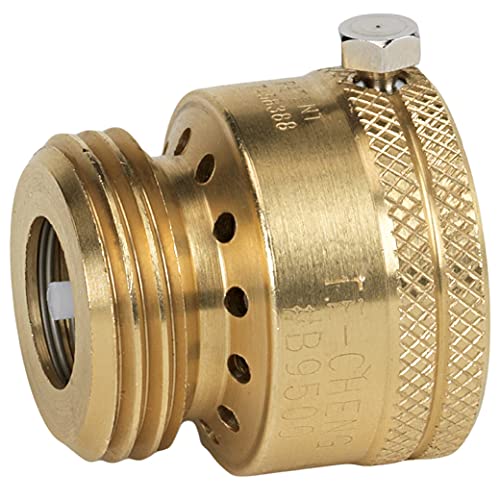
- VC Score9.0
BCP Score is a ranking system developed by bestcleanerproducts.com. BCP Score has no relationship or impact from any manufacturers or sales agent websites. Learn more
- BrandHomewerks Worldwide

- VC Score8.8
BCP Score is a ranking system developed by bestcleanerproducts.com. BCP Score has no relationship or impact from any manufacturers or sales agent websites. Learn more
- BrandEastman

- VC Score8.8
BCP Score is a ranking system developed by bestcleanerproducts.com. BCP Score has no relationship or impact from any manufacturers or sales agent websites. Learn more
- BrandLitOrange

- VC Score8.6
BCP Score is a ranking system developed by bestcleanerproducts.com. BCP Score has no relationship or impact from any manufacturers or sales agent websites. Learn more
- BrandEastman

Homewerks VACVBKX1B Vacuum Breaker Replacement Kit for Traditional Anti-Siphon Frost-Free
View on Amazon- VC Score8.4
BCP Score is a ranking system developed by bestcleanerproducts.com. BCP Score has no relationship or impact from any manufacturers or sales agent websites. Learn more
- BrandHomewerks Worldwide

- VC Score8.2
BCP Score is a ranking system developed by bestcleanerproducts.com. BCP Score has no relationship or impact from any manufacturers or sales agent websites. Learn more
- BrandCeoighe

- VC Score7.6
BCP Score is a ranking system developed by bestcleanerproducts.com. BCP Score has no relationship or impact from any manufacturers or sales agent websites. Learn more
- BrandNkiy Quen
Last update on 2026-06-26 / Affiliate links / Images, Product Titles, and Product Highlights from Amazon Product Advertising API
What Is A Vacuum Breaker Used For
A hose left sitting in a muddy flower bed looks harmless until pressure drops pull dirty water the wrong way. That little plumbing surprise is the reason what is a vacuum breaker used for matters more than most people expect. A vacuum breaker helps stop contaminated water from being siphoned back into clean supply lines, especially around outdoor faucets, irrigation systems, utility sinks, and equipment connections. It is a small device, sure, but it carries a big job in keeping water safer, plumbing more reliable, and repair bills from sneaking up out of nowhere.
Vacuum Breaker Basics
A vacuum breaker is used to prevent back-siphonage, which happens when water pressure drops and creates a suction effect inside the line. That suction can pull water backward from hoses, tanks, sprinklers, or fixtures into the clean water supply. Nobody wants fertilizer, soap, dirty hose water, or chemical residue getting a free ride into household plumbing. So, this device works as a practical barrier against reverse water flow.
The basic idea is simple. A vacuum breaker lets air enter the plumbing line when pressure conditions become unsafe, breaking the suction before contaminated water can travel backward. That air gap effect helps protect potable water from cross-contamination. It is not glamorous plumbing, but it is the kind of protection people appreciate once they realize what can go wrong without it.
Outdoor faucets show the problem clearly. A garden hose may sit in a bucket, a puddle, a planter, or a sprayer filled with lawn chemicals. If pressure suddenly drops because of a water main repair or heavy system demand, that hose can become a pathway for dirty water. A hose bibb vacuum breaker adds backflow protection right where the risk begins.
Some vacuum breakers are small screw-on fittings, while others are built into larger plumbing assemblies. The right type depends on the job, the local code, and the level of contamination risk. A simple garden hose connection does not need the same setup as a commercial irrigation system. Matching the device to the situation keeps the system practical, legal, and safer.
Why Back-Siphonage Causes Real Trouble
Back-siphonage sounds technical, but the problem is easy to picture. Water normally moves from the supply line toward the fixture, hose, or irrigation zone. During a sudden pressure drop, that direction can flip. Once flow reverses, whatever sits at the outlet can be drawn back into the line.
Pressure drops happen more often than people think. Fire hydrant use, broken water mains, pump failures, and nearby construction can all reduce pressure in a plumbing system. Even a short pressure change can create a risky moment. That is why a vacuum breaker is not just a code detail sitting on a checklist.
Garden setups create plenty of everyday examples. A hose connected to a fertilizer sprayer can expose the line to chemicals. A sprinkler head sitting in damp soil can touch bacteria, pesticides, or animal waste. For a more separate home-care concern, stubborn odors and organic stains often call for best enzyme cleaner mattress, but plumbing contamination needs proper backflow prevention rather than surface cleaning.
Back-siphonage can also affect utility sinks, mop basins, livestock watering systems, and commercial equipment. The risk increases wherever clean water connects to a place that may contain contaminants. A vacuum breaker reduces that risk by interrupting the suction path. That small interruption can make a serious difference.
Where Vacuum Breakers Are Commonly Used
Outdoor hose bibbs are probably the most familiar place to see a vacuum breaker. These small fittings attach to the faucet outlet and help protect the water supply if a hose end becomes submerged. They are common in yards, garages, workshops, and maintenance areas. The goal is simple: keep hose water from flowing backward.
Irrigation systems often rely on atmospheric vacuum breakers, pressure vacuum breakers, or other approved backflow prevention devices. Sprinkler lines run through soil, mulch, fertilizer, and standing water, so contamination risks are not imaginary. A broken sprinkler head or flooded valve box can turn clean water lines into a messy problem. Proper irrigation backflow protection helps reduce that risk.
Commercial plumbing may need vacuum breakers near dishwashing equipment, chemical dispensers, lab fixtures, or janitorial sinks. These places often mix water with cleaners, detergents, or other substances. A device that stops reverse flow can protect both the building and the broader water supply. For food storage tasks in another corner of the home, crab lovers may compare a best vacuum sealer crab, but water safety depends on plumbing-specific safeguards.
Toilets, urinals, and flushometer valves may also include vacuum breaker components. These parts help keep waste-area water from being drawn into supply lines. The device may be hidden inside a larger assembly, so it does not always look like a separate part. Still, the anti-siphon function is doing quiet work every time the fixture operates.
Types Of Vacuum Breakers And Their Jobs
An atmospheric vacuum breaker is one common type used in irrigation and fixture applications. It works by opening to the atmosphere when pressure drops, which breaks the vacuum and stops siphoning. This type must usually sit above downstream piping and cannot be under continuous pressure. That placement requirement matters because incorrect installation can make the device less effective.
A pressure vacuum breaker can handle systems that stay pressurized for longer periods. Irrigation systems often use this style because sprinkler lines may hold pressure between watering cycles. It includes a spring-loaded check valve and an air inlet that work together during pressure changes. The design provides stronger protection for certain outdoor water systems.
Hose connection vacuum breakers are smaller and easier to recognize. They often screw directly onto exterior faucets or utility sink outlets. These fittings are inexpensive compared with the damage or health concerns that contaminated backflow could create. For many homes, they are one of the simplest forms of water supply protection.
Some assemblies include spill-resistant designs or built-in shutoff features. These may be used where occasional water discharge would cause problems indoors or around sensitive equipment. They cost more and may require more careful maintenance. That tradeoff makes sense in settings where leaks, dripping, or code requirements need tighter control.
Installation Details That Should Not Be Ignored
A vacuum breaker only helps if it is installed in the right place and orientation. Height matters for many models because the device needs access to air to break suction properly. Burying, covering, or placing it too low can interfere with its function. That is why irrigation installations often place the device above the highest downstream outlet.
Direction of flow matters too. Most devices have markings that show how water should pass through the assembly. Installing one backward can block water, leak, or fail to prevent backflow. A quick glance at the arrow or label saves a lot of head-scratching later.
Local plumbing codes may specify which type of backflow device is required. A basic hose bibb vacuum breaker might be enough for one application, while another setup may need a pressure vacuum breaker or different approved assembly. Codes exist because contamination risk changes by use case. Following them helps protect water quality and avoids trouble during inspections.
Some homeowners handle simple hose fittings themselves, but larger irrigation or commercial setups often deserve a licensed plumber. The cost of proper installation is usually easier to swallow than fixing a failed system. A misplaced device can create false confidence, and that is worse than knowing protection is missing. Practical plumbing rewards doing the boring details right.
Signs A Vacuum Breaker May Need Attention
Water leaking from the top or vent area can mean the vacuum breaker is dirty, worn, frozen, or damaged. A little discharge during pressure changes may be normal for some devices, but constant dripping is not something to ignore. Mineral buildup can prevent internal parts from seating correctly. Left alone, a small leak can waste water and stain nearby surfaces.
Reduced water flow may also point to trouble. Debris can clog screens or internal components, especially in outdoor systems exposed to sediment. A sprinkler zone that suddenly seems weak may have more than one possible cause, but the backflow device belongs on the checklist. Clean, steady flow depends on proper valve operation.
Freezing weather can damage vacuum breakers installed outdoors. Water trapped inside may expand and crack internal parts or the outer body. After winter, a quick inspection can catch leaks before the watering season gets busy. A cracked device cannot provide reliable backflow prevention.
Replacement is often smarter than repeated patching on small hose-end units. Larger assemblies may have repair kits, but they still need correct parts and careful work. Keeping the device accessible makes maintenance far easier. For quick indoor cleanup between plumbing tasks, a cordless stick vacuum under 300 can handle dust around work areas, while the plumbing side still needs device-specific inspection.
Maintenance Habits That Prevent Bigger Headaches
Routine checks do not need to be complicated. Look for leaks, corrosion, loose fittings, broken caps, and unusual spraying around the device. A quick visual check before heavy irrigation use can catch small problems early. That simple habit protects both the plumbing system and the water supply.
Outdoor vacuum breakers should stay visible and reachable. Hiding one behind plants, mulch, storage bins, or decorative covers makes inspection harder. Air must reach the device during operation, so blocking vents can create performance issues. Accessibility is a quiet but important part of safe plumbing design.
Seasonal shutdown matters in colder climates. Draining irrigation lines and protecting exposed fittings can reduce freeze damage. A cracked vacuum breaker may not look dramatic at first, but pressure can reveal the damage fast. Prevention beats replacing parts in a rush after the first warm weekend.
Annual testing may be required for certain backflow assemblies, especially in commercial or irrigation systems. A certified tester can confirm that the device opens, seals, and protects as intended. That may sound like red tape, but contaminated water incidents are not worth gambling with. Regular service keeps backflow protection from becoming a forgotten piece of hardware.
How Does A Vacuum Breaker Protect Water Systems
Many plumbing problems stay hidden until they become expensive. A backflow event may happen without obvious warning signs, yet the consequences can affect water quality throughout a property. That reality explains why vacuum breaker protection remains a core part of modern plumbing systems. The device quietly guards against risks that most people never see until something goes wrong.
People often focus on visible fixtures such as faucets, sprinklers, and valves. Those components matter, but unseen protection devices carry just as much responsibility. A properly functioning vacuum breaker helps maintain confidence that clean water remains separated from potential contaminants. That peace of mind becomes especially valuable in homes with irrigation systems, workshops, utility sinks, or outdoor hose connections.
Water safety relies on layers of protection rather than a single solution. Pressure regulators, shutoff valves, filtration equipment, and backflow devices all contribute to system reliability. Among those safeguards, the vacuum breaker serves a very specific purpose. Its job is preventing back-siphonage before contamination can move into the water supply.
The device may look simple, but simplicity often works in its favor. Fewer moving parts can mean fewer opportunities for failure when maintenance is performed correctly. That straightforward design is one reason vacuum breakers continue to be widely used in residential and commercial plumbing applications.
Common Plumbing Mistakes That Increase Risk
A surprising number of issues begin with small installation mistakes. Connecting hoses directly to chemical sprayers, leaving hoses submerged in standing water, or bypassing required backflow protection can create unnecessary exposure. These shortcuts may seem harmless at first. Later, they can create conditions where contaminated water moves where it does not belong.
Some property owners remove leaking vacuum breakers without replacing them. That quick fix may stop a drip, but it also removes a key layer of protection. A leaking unit usually signals maintenance or replacement needs rather than permission to eliminate the device entirely. Protecting water quality requires keeping safety components in place.
Incorrect repairs can create problems as well. Installing incompatible parts, overtightening fittings, or blocking vent openings may interfere with normal operation. Plumbing systems depend on components working together. One compromised device can affect the reliability of the entire setup.
Drain line maintenance creates another situation where caution matters. Severe clogs sometimes require specialized tools such as an electric eel drain cleaner, but clearing a blockage should never involve bypassing or removing critical backflow prevention devices. Keeping each protective component functioning correctly supports a safer plumbing system overall.
Vacuum Breakers In Irrigation And Outdoor Watering
Outdoor watering systems create some of the highest backflow risks around a property. Sprinkler heads sit close to soil, fertilizer, mulch, and standing water. Heavy rain can leave valve boxes flooded for days. Those conditions make irrigation protection especially important.
Pressure changes can happen while nobody is watching. A nearby water main repair or a sudden demand increase may create conditions that allow reverse flow. Without a vacuum breaker or approved backflow device, contaminants can potentially enter water lines. That possibility explains why many irrigation codes require dedicated backflow protection.
Gardeners often spend considerable effort improving soil quality, adjusting watering schedules, and maintaining healthy plants. Yet protecting the water source deserves equal attention. Healthy landscapes benefit from reliable irrigation, but safe plumbing depends on preventing contamination from entering supply lines. Both goals work together rather than competing with one another.
Pool areas can create similar concerns because water systems, hoses, and outdoor plumbing frequently intersect. Property owners comparing equipment for pool maintenance may research a pool vacuum for inground vinyl pool, while the plumbing side of the property still benefits from strong backflow prevention measures that reduce contamination risks.
How Local Plumbing Codes Influence Installation
Building codes are not written to make projects harder. Most plumbing requirements exist because past failures revealed real risks. Vacuum breakers appear in many codes because contamination events can affect more than a single fixture. Protecting a water system often means following standards designed around proven safety practices.
Different applications require different levels of protection. A hose bibb may need a simple vacuum breaker, while a commercial irrigation system could require a more advanced assembly. The risk level influences the required device. Matching protection to the application helps maintain compliance and safety.
Inspection requirements vary by location. Some systems require periodic testing to confirm proper operation. Others focus on installation standards and visual inspections. Staying informed about local requirements helps avoid expensive corrections later.
Code compliance also supports long-term property value. Future buyers, inspectors, and contractors often look for signs that plumbing systems were installed properly. Visible attention to water safety standards can prevent unnecessary concerns during renovations or property transfers.
Signs Of Backflow Problems Beyond The Vacuum Breaker
A vacuum breaker plays a protective role, but other warning signs deserve attention too. Changes in water color, unusual odors, sediment, or inconsistent pressure can indicate system issues. These symptoms do not automatically mean contamination has occurred. Still, they should not be ignored.
Air sputtering from faucets sometimes points to pressure fluctuations. Temporary disruptions can happen after maintenance work or service interruptions. Persistent problems may justify a closer inspection of valves, connections, and protective devices. Early investigation often prevents larger repairs.
Outdoor irrigation systems deserve seasonal reviews. Damaged sprinkler heads, leaking valves, and cracked fittings can create unexpected vulnerabilities. A vacuum breaker cannot compensate for every plumbing issue. Maintaining the entire system helps maximize overall protection.
Professional inspections can provide valuable perspective when recurring problems appear. Experienced plumbers often identify issues that remain invisible during casual observation. Their recommendations may address concerns before they affect performance, safety, or repair costs.
Balancing Protection, Cost, And Long-Term Reliability
People sometimes hesitate to replace a worn vacuum breaker because the existing system still appears functional. That decision can become costly if protection fails during an unexpected pressure event. The replacement cost of most vacuum breakers remains modest compared with the potential consequences of contaminated water entering supply lines. Investing in preventive maintenance usually creates fewer headaches than emergency repairs.
Not every plumbing upgrade requires major construction. Replacing aging fittings, repairing leaks, and updating outdated protection devices can improve system reliability without extensive renovations. Small improvements often provide meaningful benefits over time. Consistency matters more than dramatic upgrades.
Tradeoffs exist with every maintenance decision. Some devices require periodic testing, while others need occasional replacement due to weather exposure or mineral buildup. Those responsibilities are part of maintaining a dependable plumbing system. Ignoring them rarely makes future repairs easier.
Reliable water systems depend on attention to details that many people never notice. A properly installed and maintained vacuum breaker helps reduce contamination risks, supports cleaner water, and strengthens overall plumbing performance. Its value comes not from being visible, but from preventing problems before they have a chance to develop.
Why A Small Device Carries A Big Responsibility
The average person may walk past a vacuum breaker countless times without realizing its purpose. Yet that modest fitting often stands between clean water and potential contamination sources. Its role becomes clearer once the mechanics of back-siphonage are understood. Preventing reverse flow remains its primary mission.
Water systems face changing conditions every day. Pressure rises, pressure falls, equipment cycles on and off, and outdoor environments constantly shift. Through all those changes, a vacuum breaker provides a layer of continuous protection designed to react when pressure conditions become unsafe.
Many plumbing components focus on delivering water efficiently. Vacuum breakers focus on keeping that water cleaner and safer. The distinction matters because efficiency alone does not guarantee protection. Reliable systems need both performance and safeguards working together.
That combination of simplicity, practicality, and preventive value explains why vacuum breakers continue to be used across homes, commercial facilities, irrigation systems, and utility connections. Their contribution often goes unnoticed, which is exactly what most people hope for from a device designed to stop problems before they start.


How to Refinish a Fiberglass Pool

How Do You Keep Raccoons Out of Your Pool?

How to Fix Cyanuric Acid in Your Pool

How to Shape a Pool Cue Tip to Stop Miscues

Best Far Infrared Sauna Sauna Heats: Top Picks of 2026

11 Best Far Infrared Sauna Carbon Fiber Heaters of 2026 For Balanced Full-Body Heat

11 Best Carbon Far Infrared Sauna of 2026 For Even Heat

10 Best Bluetooth Speaker For Sauna of 2026 For Heat and Steam


