
What Is a Liquid Ring Vacuum Pump Used For?

What Is a Liquid Ring Vacuum Pump Used For often becomes a pressing question once traditional vacuum systems start struggling with moisture, condensable vapors, or contaminated gas streams. Dry vacuum technologies may perform well in controlled environments, yet real-world industrial operations rarely stay clean and predictable. Steam, liquid carryover, process vapors, and fluctuating operating conditions can create headaches that reduce efficiency and increase maintenance demands. A liquid ring vacuum pump steps into these situations with a practical design built to tolerate conditions that many other vacuum systems would rather avoid.
Industrial facilities rely on stable vacuum performance to keep production moving. Chemical processing, pharmaceutical manufacturing, food production, paper mills, power generation facilities, and wastewater treatment plants frequently encounter moisture-rich environments. Instead of fighting against water and vapor, a liquid ring vacuum pump uses a sealing liquid as part of its operating principle. That simple concept allows the pump to manage wet gases and condensable vapors with greater reliability under challenging conditions.
Operators often face unexpected shutdowns caused by equipment fouling, corrosion, or vapor contamination. Nobody enjoys dealing with production delays, especially when every hour of downtime affects schedules and operating costs. By handling vapor-laden gas streams more effectively, liquid ring vacuum technology helps reduce those concerns. The design isn't flashy, yet it remains a dependable solution in applications where durability matters more than marketing buzzwords.
Another reason these pumps remain widely used is their versatility. One day they may support vacuum distillation in a chemical plant. The next, they could assist with filtration, drying, degassing, solvent recovery, or evaporative processes. Their ability to operate across a broad range of industrial conditions makes them valuable equipment for facilities that need dependable vacuum generation without constant adjustments.
Maintenance expectations also influence equipment selection. Constant monitoring and complicated servicing routines can drain resources over time. A properly selected liquid ring vacuum pump typically offers consistent operation and predictable performance, particularly in applications involving moisture. While every vacuum technology has strengths and limitations, liquid ring systems continue earning their place because they solve practical problems encountered every day in industrial environments.

- VC Score10.0
BCP Score is a ranking system developed by bestcleanerproducts.com. BCP Score has no relationship or impact from any manufacturers or sales agent websites. Learn more
- BrandYINGMALE

- VC Score9.6
BCP Score is a ranking system developed by bestcleanerproducts.com. BCP Score has no relationship or impact from any manufacturers or sales agent websites. Learn more
- BrandXin Tester
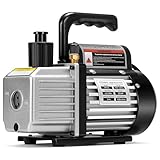
- VC Score9.4
BCP Score is a ranking system developed by bestcleanerproducts.com. BCP Score has no relationship or impact from any manufacturers or sales agent websites. Learn more
- BrandVIVOHOME

- VC Score9.4
BCP Score is a ranking system developed by bestcleanerproducts.com. BCP Score has no relationship or impact from any manufacturers or sales agent websites. Learn more
- BrandScitoLAB

- VC Score9.2
BCP Score is a ranking system developed by bestcleanerproducts.com. BCP Score has no relationship or impact from any manufacturers or sales agent websites. Learn more
- BrandScitoLAB

- VC Score9.0
BCP Score is a ranking system developed by bestcleanerproducts.com. BCP Score has no relationship or impact from any manufacturers or sales agent websites. Learn more
- BrandVIVOHOME
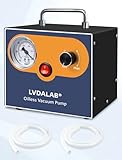
- VC Score8.8
BCP Score is a ranking system developed by bestcleanerproducts.com. BCP Score has no relationship or impact from any manufacturers or sales agent websites. Learn more
- BrandLVDALAB
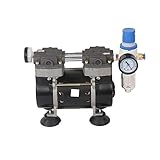
- VC Score8.4
BCP Score is a ranking system developed by bestcleanerproducts.com. BCP Score has no relationship or impact from any manufacturers or sales agent websites. Learn more
- BrandWin Outdoor

- VC Score7.8
BCP Score is a ranking system developed by bestcleanerproducts.com. BCP Score has no relationship or impact from any manufacturers or sales agent websites. Learn more
- BrandYaeTek
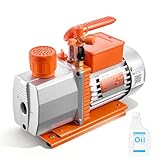
- VC Score7.6
BCP Score is a ranking system developed by bestcleanerproducts.com. BCP Score has no relationship or impact from any manufacturers or sales agent websites. Learn more
- BrandVEVOR
Last update on 2026-06-26 / Affiliate links / Images, Product Titles, and Product Highlights from Amazon Product Advertising API
What Is A Liquid Ring Vacuum Pump Used For
A wet, vapor-heavy process can make ordinary vacuum equipment feel fussy fast. Condensable gases, seal leaks, liquid carryover, and dirty process streams don't politely wait for a clean operating day. That is where what is a liquid ring vacuum pump used for becomes more than a search question, because the answer points to a practical machine built for rougher industrial vacuum work. The big idea is simple: a rotating impeller and a sealing liquid create vacuum while tolerating moisture that would give many dry pumps a bad afternoon.
Why Wet Gas Handling Drives The Choice
Wet gas handling sits at the heart of why liquid ring vacuum pumps keep showing up in plants, mills, refineries, and processing rooms. Many vacuum pumps prefer dry, clean gas streams, but production lines often send out vapor, mist, foam, or small amounts of liquid. A liquid ring design can manage those messy conditions because the sealing liquid is already part of the pumping action. That makes the pump feel less delicate in applications where moisture isn't an accident, but part of the job.
Operators usually care less about fancy theory and more about whether the system keeps pulling vacuum on a bad day. A liquid ring vacuum pump can handle condensable vapors better than many alternatives because vapor can condense into the service liquid instead of instantly causing trouble. That matters in evaporation, drying, distillation, and solvent-heavy operations. The tradeoff is that the service liquid itself must be managed, cooled, cleaned, or recirculated properly.
What is a liquid ring vacuum pump used for often comes up after a facility has already dealt with clogged filters, overheating pumps, or unstable vacuum levels. A liquid ring pump won't magically fix poor piping, bad seals, or wrong sizing, but it gives process teams a sturdier tool for wet service. The pump is especially helpful where gas streams may shift from dry to vapor-loaded without much warning. In plain English, it has a higher tolerance for real plant behavior.
The weakness is worth saying out loud. A liquid ring vacuum pump can use more utility water or require a closed-loop seal liquid system, depending on the setup. That means water consumption, temperature control, and discharge handling deserve attention before installation. Ignoring those details can turn a reliable vacuum solution into a maintenance headache.
How Chemical Plants Use Liquid Ring Vacuum Pumps
Chemical processing creates plenty of situations where stable vacuum matters. Reactors, distillation columns, crystallizers, and solvent recovery systems may all need vacuum to lower boiling points, remove vapors, or control process conditions. A liquid ring vacuum pump fits these jobs because it can handle saturated gases and vapor mixtures better than many dry systems. That practical toughness explains why the technology has stayed relevant in older plants and newer process lines alike.
Vacuum distillation is a common example. Lower pressure allows certain liquids to boil at lower temperatures, which can help protect heat-sensitive materials from damage. In that setting, vacuum consistency directly affects product quality, energy use, and batch timing. A pump that gets rattled by vapor carryover can create uneven operation, and nobody wants that during a critical separation step.
Solvent handling adds another layer of pressure, no pun intended. Some facilities use liquid ring systems with compatible seal liquids to help manage solvent vapors and reduce contamination risks. The exact setup depends on the chemistry, temperature, vapor load, and environmental requirements. A careful engineer won't treat every liquid ring pump like a plug-and-play answer because material compatibility still matters.
Maintenance crews also appreciate equipment that doesn't panic over every bit of entrained moisture. A liquid ring vacuum pump can keep moving through conditions that might foul or damage more sensitive pumps. Still, seal liquid quality and pump internals need routine checks, especially in corrosive or dirty service. Tough doesn't mean maintenance-free, and that small truth saves a lot of grief.
Where Food And Beverage Processing Benefits
Food and beverage plants often need vacuum for evaporation, deaeration, packaging, and drying. These processes can involve steam, warm vapors, sticky residues, or moisture-rich air. A liquid ring vacuum pump makes sense in many of those areas because it can deal with vapor without acting fragile. The design suits environments where cleaning routines, humidity, and process washdown are part of daily life.
Deaeration is a good example. Removing dissolved air from liquids can improve texture, shelf stability, or process behavior, depending on the product. Vacuum helps pull out unwanted gases, while controlled operation keeps the process from becoming too aggressive. A liquid ring pump can support that job without being overly sensitive to water vapor from warm product streams.
Evaporators also lean on dependable vacuum. Lowering pressure helps remove water at lower temperatures, which can be useful for products that don't enjoy harsh heat. In that role, vapor tolerance becomes a real advantage, especially where steam and condensate are always nearby. The pump still needs the right materials and hygiene-minded system design, but the core technology fits the challenge.
Separately, tight home cleaning spaces call for a different kind of suction problem, so compare practical clearance needs with best shark vacuum under beds if low furniture dust keeps building up. That link belongs in a completely different world from industrial vacuum equipment, yet the shared pain is familiar: poor access makes cleanup harder than it should be. In factories, the access problem shows up as awkward pump placement, cramped piping, and service points nobody wants to reach. Good layout choices protect maintenance time just as much as good pump selection protects process stability.
Why Paper Mills And Power Plants Rely On Vacuum
Paper mills use vacuum in demanding, water-heavy environments. Dewatering sections, felt conditioning, and drainage systems need large-volume vacuum service that can handle moisture without constant drama. Liquid ring vacuum pumps have a long history in this space because water is already everywhere in the process. The pump's wet-service nature fits the mill floor better than more delicate dry equipment in many cases.
Paper production punishes equipment with humidity, fibers, temperature changes, and nonstop operating schedules. A vacuum system that loses performance quickly can affect sheet formation, moisture removal, and production speed. Reliable vacuum flow helps keep the line moving with fewer surprises. Even so, mills must watch seal water temperature because warmer seal liquid can reduce vacuum performance.
Power plants use liquid ring vacuum pumps too, especially around condenser air removal and priming duties. Removing non-condensable gases helps maintain condenser efficiency, which supports better turbine performance. In that job, air extraction isn't glamorous, but it matters. Small vacuum problems can ripple into larger efficiency losses if ignored.
The practical concern is energy and water management. A liquid ring pump can be rugged, yet an inefficient setup may waste utilities every hour it runs. Closed-loop systems, heat exchangers, and proper controls can reduce that pain. Smart facilities treat system design as part of the pump, not as an afterthought bolted on later.
Vacuum Filtration, Drying, And Degassing Tasks
Vacuum filtration is one of the most straightforward answers to what is a liquid ring vacuum pump used for. The pump creates pressure difference across a filter, helping pull liquid away from solids. This can appear in chemical production, mining, food processing, pharmaceuticals, and wastewater applications. The gas stream may carry vapor or droplets, so a liquid ring pump can be a sensible match.
Drying processes also benefit from vacuum because lower pressure helps remove moisture at gentler temperatures. That matters for heat-sensitive materials, powders, crystals, and certain specialty products. A liquid ring pump provides moisture-friendly vacuum, which can be valuable when water vapor is expected throughout the cycle. The limitation is that deep vacuum levels may require staging, boosters, or a different technology depending on the target pressure.
Degassing removes trapped or dissolved gases from liquids, resins, oils, or process mixtures. In practical terms, gas bubbles can cause defects, inconsistent quality, or poor downstream performance. A liquid ring vacuum pump can support gas removal in systems where the vapor load isn't perfectly dry. Proper sizing matters because too little capacity can stretch cycle time and frustrate production teams.
Small craft and garden projects sometimes bring their own hands-on frustrations, so shape delicate stems more neatly with how to make pipe cleaner rose if the project needs a softer, handmade touch. That sits far away from industrial degassing, of course, but both tasks reward patience and controlled technique. Rush the process and the result gets messy. In plant operations, rushing vacuum selection can lead to poor performance, noisy operation, or equipment that never quite matches the process.
Wastewater And Environmental Service Applications
Wastewater facilities deal with gases and liquids that are rarely clean or polite. Vacuum may be used for priming pumps, sludge handling support, aeration-related systems, or gas extraction tasks. A liquid ring vacuum pump can be useful because dirty, moist gas streams are part of the territory. The pump's tolerance for liquid carryover gives operators a little breathing room in rough service.
Odor control and vapor extraction can also involve wet gas streams. Treatment plants may need to move humid air, process vapors, or gases from tanks and enclosed areas. A liquid ring pump can help provide steady suction while handling moisture that might bother other pump types. Material selection becomes especially important because corrosive gases can attack internal components if the wrong configuration is used.
Environmental applications often carry regulatory and discharge concerns. The service liquid may capture contaminants, which means it can't always be dumped casually. A well-designed system must address liquid handling, separation, treatment, and recirculation. That extra planning doesn't make the pump less useful, but it changes the total cost picture.
Outdoor cleanup has its own version of wet, awkward debris, so tackle heavy yard fallout with best pool vacuum acorns when acorns keep sinking into the pool floor. In industrial systems, the equivalent nuisance might be foam, scale, sludge, or condensed vapor entering a vacuum line. The lesson is the same: pick equipment for the mess that actually exists, not the neat version drawn on paper. Real conditions should drive the choice every time.
Key Strengths That Make The Pump Practical
The biggest strength is tolerance for moisture. A liquid ring vacuum pump is built around a sealing liquid, so vapor and small amounts of liquid carryover aren't automatically disastrous. That makes it a practical choice for processes where wet gas is normal. It also reduces the anxiety that comes with running a more sensitive pump near condensable vapors.
The second strength is mechanical simplicity. The pump has an impeller, casing, service liquid system, and supporting components, without the same close-contact compression surfaces found in some other designs. That simplicity can support durable operation in plants where conditions shift and maintenance windows are tight. Fewer fragile internal contact points can be a real advantage in harsh service.
Another useful trait is smooth compression. Liquid ring pumps tend to run with relatively low vibration compared with some rougher mechanical systems. That supports steady operation in installations where noise, vibration, and process stability matter. The pump still needs proper alignment, base support, and piping layout, because bad installation can make any equipment act cranky.
The pump can also compress gases, not just create vacuum. Some facilities use liquid ring compressors for low-pressure gas compression in applications that involve moist or saturated gases. That flexibility gives the technology a broader role than many people expect. Still, application review should come first because gas composition, temperature, and seal liquid choice can change the answer quickly.
Weaknesses And Tradeoffs That Matter
Water use is the tradeoff that often gets attention first. Once-through seal water systems can consume a lot of water if they run continuously. Closed-loop systems reduce that concern, but they add equipment such as separators, coolers, and circulation pumps. The best choice depends on plant utilities, discharge rules, operating hours, and required vacuum level.
Vacuum performance depends strongly on seal liquid temperature. Warm service liquid raises vapor pressure, which can limit the vacuum the pump can reach. That means temperature control isn't a small detail, especially in hot climates or high-load processes. A plant that ignores seal liquid cooling may blame the pump for a problem caused by system conditions.
Efficiency can be another concern. Liquid ring pumps are rugged, but they may not be the lowest-energy option for every dry, clean application. If the gas stream is clean and the required vacuum is deeper, another technology may offer better energy performance. That doesn't make the liquid ring pump bad, it simply means the process should decide the tool.
Contamination handling also needs planning. If the gas stream carries solvents, acids, or other process materials, those substances can end up in the seal liquid. That creates treatment, recovery, or disposal questions that must be solved before the system runs. A smart specification looks beyond pump purchase price and considers the full operating loop.
What Is A Liquid Ring Vacuum Pump Used For In Daily Plant Operations
Process trouble usually starts small, then chews through the schedule before anyone gets comfortable. A little vapor carryover, a warm seal liquid loop, or a clogged separator can drag down vacuum stability faster than expected. What is a liquid ring vacuum pump used for becomes easier to answer once the focus shifts from the pump alone to the full system around it. The pump handles wet service well, but the piping, seal liquid, controls, and maintenance habits decide how steady that performance feels on the floor.
Daily operation depends on keeping seal liquid conditions under control. The liquid ring forms the moving seal inside the pump, so temperature and cleanliness affect vacuum level directly. Warm water can reduce vacuum capacity, while dirty liquid can create scaling, corrosion, or internal wear. A crew that watches temperature, flow, and contamination usually gets more predictable results than one that only reacts after the pump gets noisy.
Operators also need to pay attention to carryover protection. Knockout pots, separators, drains, and demisters help keep slugs of liquid or heavy debris from reaching places they shouldn't. A liquid ring pump can tolerate wet gas, but that doesn't mean it should swallow every process upset without protection. Good upstream separation keeps the pump doing vacuum work instead of acting like a trash can.
Cleaning chemicals and residue control matter too, especially in plants where process lines see frequent washdowns. For a separate cleaning question around brewery and equipment wash routines, a practical reference on what is pbw cleaner fits better than forcing that topic into industrial pump selection. Liquid ring systems may still need compatible cleaning and flushing practices, but chemical choice should follow the materials, service liquid, and process contamination involved. Compatibility keeps small cleaning decisions from becoming expensive repair decisions.
How To Size A Liquid Ring Vacuum Pump Without Guesswork
Sizing gets messy because vacuum demand is rarely one neat number. Process engineers need to know the gas load, vapor load, target pressure, operating temperature, and required evacuation time. A pump that looks fine on paper can disappoint if the vapor load was guessed too low. A pump oversized by panic can waste utilities and create control headaches.
The first question is simple: what must the vacuum system actually remove? Air leakage, process gas, water vapor, solvent vapor, and non-condensable gases all behave differently. Condensable vapor can change the load as temperature and pressure shift. That is why real process data beats hopeful assumptions every single time.
Capacity curves need careful reading because a liquid ring pump's performance changes with seal liquid temperature. Cooler seal liquid usually supports deeper vacuum, while warmer liquid limits performance. Service liquid vapor pressure becomes part of the sizing conversation, not a tiny footnote. In hot plant rooms, that detail can make the difference between smooth operation and endless complaints.
Pipe sizing matters more than many teams expect. Long runs, sharp elbows, undersized valves, and clogged strainers create pressure losses that the pump has to fight. Vacuum line design should reduce restrictions and support drainage where condensation is likely. A good pump connected to poor piping can look weak even though the real issue sits outside the pump casing.
Where Liquid Ring Pumps May Not Be The Best Fit
A liquid ring vacuum pump isn't the right answer for every job. Dry, clean processes with deep vacuum requirements may perform better with other technologies. Energy efficiency can also favor dry pumps, rotary vane pumps, or hybrid systems depending on the pressure range and gas load. The practical move is to match the tool to the job, not force one technology into every process.
Very deep vacuum applications can expose the limits of a single-stage liquid ring pump. Two-stage designs can go deeper, and ejector-assisted systems can extend capability, but each added layer brings cost and complexity. Target pressure should be checked early so nobody buys equipment that struggles near the required operating point. A pump running at its edge every day won't feel reliable for long.
Processes with valuable solvents may also need careful review. If solvent vapors condense into the seal liquid, recovery or treatment may be required. Seal liquid contamination can affect performance, safety, disposal cost, and environmental compliance. In some applications, a closed-loop system with compatible liquid makes sense, while in others a different vacuum approach may be cleaner.
Space and utility limits can create another sticking point. Closed-loop liquid ring systems may require a separator tank, heat exchanger, circulation pump, controls, and drain connections. Installation footprint can matter in older plants where every square foot already has a job. The pump may be rugged, but the full package still needs room to breathe and room to be serviced.
Maintenance Habits That Keep Vacuum Performance Steady
Maintenance for liquid ring vacuum pumps is mostly about discipline, not drama. Crews should track seal liquid flow, temperature, vibration, noise, bearing condition, and separator performance. Small changes often tell the story before a serious failure shows up. A pump that suddenly needs more water or makes a different sound deserves attention, not a shrug.
Scale buildup can sneak into systems using hard water. Mineral deposits may reduce efficiency, restrict passages, or roughen internal surfaces over time. Water quality should be checked, especially in once-through systems or warm closed loops. Softening, filtration, or treatment may be cheaper than repeated teardown work.
Corrosion is another quiet troublemaker. Gas composition, seal liquid chemistry, oxygen content, and temperature all influence material life. Material selection should match the actual service, especially with acids, solvents, chlorides, or sour gases in the stream. Stainless steel, coated components, or alternate seal liquids may be justified when standard materials would age too quickly.
Separators and discharge systems also need regular attention. A plugged separator or poorly draining line can raise backpressure and disturb pump operation. Discharge management matters because the pump has to move both gas and liquid through the system. Keeping that path clear helps prevent avoidable load, noise, and performance loss.
How Liquid Ring Pumps Compare With Other Vacuum Options
Dry screw pumps often appeal to facilities that want oil-free operation and lower liquid handling demands. They can be efficient in clean service, but wet or dirty streams may require more upstream protection. Liquid ring pumps usually win the comfort contest in vapor-heavy work because moisture is already part of their operating design. The tradeoff is the need to manage seal liquid and utility consumption.
Oil-sealed rotary vane pumps can be useful in many vacuum jobs, yet process contamination can create oil maintenance problems. Vapors may condense in the oil, causing performance loss or more frequent changes. Liquid ring technology avoids oil contamination concerns in wet service, though it introduces seal liquid treatment instead. Different headache, different toolbox.
Steam ejectors handle harsh gases and can reach deep vacuum in staged systems, especially where steam is cheap and available. They have no moving parts, which sounds attractive, but they can consume significant utilities. Hybrid systems sometimes combine ejectors with liquid ring pumps to balance vacuum depth and operating cost. That setup can be useful in chemical and refinery applications where conditions are demanding.
Home and pool equipment comparisons live in a different lane, but the decision logic feels familiar. A saltwater pool owner needs equipment that matches corrosion and cleaning conditions, so a separate guide to the best pool vacuum salt water pool makes sense in that setting. Industrial vacuum selection follows the same common-sense rule: the environment decides the equipment. Process reality beats generic recommendations every time.
Practical Questions Before Buying Or Replacing One
Start with the process, not the catalog page. Ask what gases enter the pump, how much vapor is present, what vacuum level is required, and how long the system runs each day. Operating profile changes everything because a pump used for short evacuation cycles faces different stress than one running around the clock. The more honest the data, the better the selection.
Seal liquid planning should happen before the purchase order. Decide whether the system will use once-through water, partial recovery, or a fully closed loop. Water cost, wastewater limits, heat load, and contamination all shape that decision. A cheap initial setup may become expensive if it burns through utilities every shift.
Ask about service access too. Mechanics need room to inspect couplings, bearings, seals, strainers, separators, and drain points. Maintenance access sounds boring until a pump is wedged behind piping with no clear path for repair. A layout that respects service work usually pays for itself during the first serious maintenance event.
Controls deserve a practical look. Vacuum switches, pressure transmitters, temperature sensors, flow meters, and alarms can prevent small issues from becoming ugly. Basic monitoring helps crews spot seal liquid problems, blocked lines, or unstable operation early. Fancy controls aren't always required, but blind operation is rarely a bargain.
Common Mistakes That Create Vacuum Trouble
The first mistake is assuming moisture tolerance means unlimited abuse. A liquid ring vacuum pump can handle wet gas, but repeated liquid slugs, heavy solids, or corrosive contamination still cause damage. Proper separation protects the pump and keeps performance from bouncing around. Tough equipment lasts longer when the system doesn't treat toughness as permission to neglect it.
The second mistake is ignoring seal liquid temperature. Warm water can quietly steal vacuum capacity and make the pump seem undersized. Cooling capacity should match real operating heat load, not a best-case assumption from a mild day. Plant rooms get hot, processes change, and cooling systems foul over time.
The third mistake is copying another facility's setup without checking the details. Two plants may use the same pump model for completely different gas loads, temperatures, and discharge rules. Application context matters more than brand familiarity or old habits. A design that behaves well in one service may struggle badly in another.
The fourth mistake is skipping the total cost view. Purchase price matters, but power, water, treatment, maintenance, downtime, and spare parts matter too. Life-cycle cost gives a clearer picture than the number printed on the quote. A practical buyer looks at the system that will run for years, not just the pump that arrives on a pallet.
What A Reliable Liquid Ring Vacuum System Looks Like
A reliable system usually looks simple from the outside, but the details are doing quiet work. The pump is sized for the real load, the seal liquid is controlled, and the separator handles discharge without drama. Stable vacuum performance comes from the whole package working together. That is why a strong installation feels calm instead of constantly needy.
Good systems include drains where condensate collects, strainers where debris may enter, and instruments where operators need quick answers. The piping avoids pointless restrictions and supports smooth flow back to separators or recovery equipment. Clean layout reduces troubleshooting time because crews can actually see what is happening. A tidy vacuum system is often easier to operate, easier to maintain, and easier to trust.
Reliable setups also respect the process materials. The seal liquid, metallurgy, elastomers, and discharge treatment all match the gas stream and contaminants. Chemical compatibility protects the pump from slow damage that might not show up in the first week. This is especially important in chemical, pharmaceutical, refinery, and wastewater services where vapor chemistry can shift.
The best fit is usually the system that handles the ugly parts of the job without making daily operation harder. Liquid ring vacuum pumps earn their place in wet, vapor-heavy, and rougher industrial services because they solve a real problem cleanly enough to keep production moving. Moisture tolerance, practical durability, and steady vacuum are the reasons they remain common across demanding facilities. The smartest choice still comes down to the process, the utilities, and the maintenance reality waiting on the floor.

How to Raise CYA in Your Pool Safely

How to Refinish a Fiberglass Pool

How Do You Keep Raccoons Out of Your Pool?

How to Fix Cyanuric Acid in Your Pool

How to Shape a Pool Cue Tip to Stop Miscues

Best Far Infrared Sauna Sauna Heats: Top Picks of 2026

11 Best Far Infrared Sauna Carbon Fiber Heaters of 2026 For Balanced Full-Body Heat

11 Best Carbon Far Infrared Sauna of 2026 For Even Heat


