
What Is a HEPA Vacuum Used For? Practical Benefits

What Is a HEPA Vacuum Used For often becomes a common question after endless battles with dust that seems to return no matter how often floors are cleaned. Fine particles can settle into carpets, furniture, curtains, and even the air itself. Regular vacuum systems may collect visible debris, yet tiny particles frequently escape back into the room. A vacuum equipped with HEPA filtration tackles that challenge by trapping much smaller contaminants that are easy to miss.
Dust isn't always the obvious problem. Pet dander, pollen, mold spores, and microscopic debris can quietly build up over time. While sweeping and standard vacuuming help with surface messes, they may not effectively contain those smaller irritants. That's where high-efficiency filtration becomes valuable. By capturing particles inside the machine rather than recirculating them, cleaning efforts feel more productive and long lasting.
Homes with carpets often reveal another layer of concern. Deep fibers tend to hold dirt long after the surface appears clean. Walking across the room can stir those trapped particles into the air again. A vacuum featuring HEPA technology helps reduce this cycle by collecting and retaining fine debris during routine cleaning. The result is often a fresher indoor environment with less airborne dust floating around.
Pet owners usually notice the difference quickly. Fur may be easy to spot, but pet-related particles extend far beyond visible hair. Dander can cling to upholstery, bedding, and flooring while remaining nearly invisible. A properly sealed vacuum with a HEPA filter helps manage these particles more effectively, especially in areas where pets spend most of their time.
Workshops, hobby rooms, and renovation projects also create unique cleaning challenges. Fine dust from sanding, drilling, or crafting can spread surprisingly far. Ordinary cleaning methods sometimes push those particles around rather than removing them. A vacuum designed with advanced filtration can assist in collecting dust before it settles throughout the space.
Maintenance remains an important part of performance. Filters eventually need cleaning or replacement depending on the model and usage habits. Neglecting maintenance can reduce airflow and efficiency over time. Keeping a HEPA-equipped vacuum in good condition ensures that the system continues delivering the dust-control benefits that make it worthwhile in the first place.
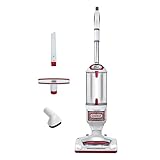
- VC Score9.2
BCP Score is a ranking system developed by bestcleanerproducts.com. BCP Score has no relationship or impact from any manufacturers or sales agent websites. Learn more
- BrandShark

- VC Score8.8
BCP Score is a ranking system developed by bestcleanerproducts.com. BCP Score has no relationship or impact from any manufacturers or sales agent websites. Learn more
- BrandShark

- VC Score8.8
BCP Score is a ranking system developed by bestcleanerproducts.com. BCP Score has no relationship or impact from any manufacturers or sales agent websites. Learn more
- BrandBissell

- VC Score8.8
BCP Score is a ranking system developed by bestcleanerproducts.com. BCP Score has no relationship or impact from any manufacturers or sales agent websites. Learn more
- BrandTeant

- VC Score8.8
BCP Score is a ranking system developed by bestcleanerproducts.com. BCP Score has no relationship or impact from any manufacturers or sales agent websites. Learn more
- BrandFEPPO

- VC Score8.8
BCP Score is a ranking system developed by bestcleanerproducts.com. BCP Score has no relationship or impact from any manufacturers or sales agent websites. Learn more
- BrandShark

- VC Score8.6
BCP Score is a ranking system developed by bestcleanerproducts.com. BCP Score has no relationship or impact from any manufacturers or sales agent websites. Learn more
- BrandiXlion
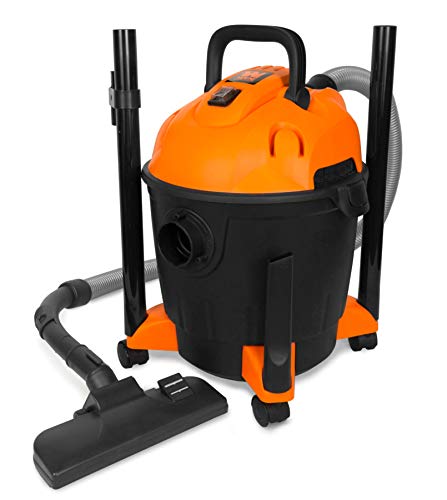
- VC Score8.6
BCP Score is a ranking system developed by bestcleanerproducts.com. BCP Score has no relationship or impact from any manufacturers or sales agent websites. Learn more
- BrandWEN

- VC Score8.6
BCP Score is a ranking system developed by bestcleanerproducts.com. BCP Score has no relationship or impact from any manufacturers or sales agent websites. Learn more
- BrandEureka

- VC Score8.2
BCP Score is a ranking system developed by bestcleanerproducts.com. BCP Score has no relationship or impact from any manufacturers or sales agent websites. Learn more
- BrandKenmore

- VC Score8.0
BCP Score is a ranking system developed by bestcleanerproducts.com. BCP Score has no relationship or impact from any manufacturers or sales agent websites. Learn more
- BrandVacmaster
Last update on 2026-06-26 / Affiliate links / Images, Product Titles, and Product Highlights from Amazon Product Advertising API
What Is a HEPA Vacuum Used For
Dust can look harmless until it keeps coming back, floating across sunlight, settling on shelves, and hiding deep inside rugs. A regular vacuum may grab crumbs and visible dirt, but what is a hepa vacuum used for points to a more specific job: trapping fine particles that ordinary filtration may send back into the room. That matters in homes with pets, carpets, fabric furniture, pollen exposure, or messy renovation corners. Cleaner floors are nice, but cleaner air movement during vacuuming is the real reason HEPA filtration gets attention.
What Is A HEPA Vacuum Used For
A HEPA vacuum is mainly used to capture tiny airborne particles while cleaning floors, rugs, upholstery, and dusty surfaces. HEPA stands for high-efficiency particulate air, and true HEPA filters are commonly associated with capturing 99.97% of particles at 0.3 microns. That number matters because some of the most irritating household particles are too small to notice with the naked eye. Fine dust, pollen, pet dander, and certain debris can hang around long after the visible mess is gone.
Standard vacuums often focus on suction power, but suction alone doesn't tell the full story. A vacuum can pull dirt from the floor and still leak fine particles through gaps, exhaust vents, or weak filters. A sealed HEPA vacuum helps keep captured dust inside the machine instead of blowing it back into the room. That's the big difference people feel after cleaning, especially in rooms that usually smell dusty right after vacuuming.
Carpeted rooms benefit because fibers act like little storage pockets for dust and allergens. Shoes, pets, open windows, and daily foot traffic keep feeding those pockets. A HEPA vacuum helps remove embedded debris from carpets while reducing the chance that fine dust escapes during the process. It won't make a neglected carpet brand-new, but it can make regular cleaning feel less like a losing battle.
Hard floors also collect more than crumbs. Dust gathers under furniture, along baseboards, and around plant stands where dry soil, pollen, and pet hair tend to drift. A HEPA vacuum with the right floor head can pick up fine surface dust without kicking it into the air like a broom sometimes does. That makes it useful for quick maintenance in living rooms, bedrooms, offices, and shared spaces.
Why Fine Dust Feels So Hard To Beat
Fine dust behaves differently from visible dirt. Crumbs sit where they land, but small particles move with air, cling to fabrics, and settle again after cleaning. That's why a room can look tidy yet still feel stale. The problem isn't always how often cleaning happens, but how well the vacuum controls what it collects.
People usually notice the issue after vacuuming a sunny room. Light hits the air, and tiny specks start dancing around like they own the place. That floating dust can come from carpets, curtains, pet beds, bookshelves, vents, and even dried soil around houseplants. A HEPA vacuum helps by holding more of that airborne debris inside the filter system.
Pet homes create a special kind of dust mix. Fur is easy to spot, but pet dander is lighter, smaller, and more stubborn. It sticks to couches, blankets, rugs, and corners where pets nap. A HEPA vacuum can help manage that buildup during routine cleaning, especially when paired with upholstery tools and consistent filter care.
Indoor plants can add another layer to the mess, too. Dry potting mix, perlite dust, pollen from flowering plants, and tiny bits of leaves can settle around shelves and windowsills. Cleaning those areas with a HEPA vacuum keeps plant-related dust from spreading across nearby surfaces. For homes with plant shelves or indoor garden corners, this detail matters more than it sounds.
How HEPA Vacuums Help With Allergens
Allergens rarely stay in one neat spot. Pollen rides in through windows, shoes, jackets, and pets, then settles into carpets and fabric. A HEPA vacuum helps remove pollen particles from surfaces before they keep recirculating through the room. That doesn't replace medical care or proper ventilation, but it does support a cleaner routine.
Dust mites create another common frustration. They tend to live in soft materials like rugs, mattresses, fabric chairs, and bedding. A HEPA vacuum can collect dust mite waste particles and fine debris from those surfaces when used with suitable attachments. The vacuum won't solve humidity problems by itself, but it helps reduce the material that builds up in soft areas.
Mold spores can also travel through indoor air and settle on surfaces. A HEPA vacuum may help collect fine spores and dust from dry surfaces, but it should not be treated as a fix for active mold growth. Moisture control, safe cleanup, and proper repairs matter first. The vacuum supports maintenance after the source of moisture has been handled.
Office spaces can struggle with the same fine-particle problem, especially around carpet tiles, rolling chairs, and shared walkways. For cleaner shared work areas, compare cleaning setups with a robot vacuum for office if daily surface dust is the bigger problem than deep filtration. Robot vacuums can help with maintenance, while a HEPA vacuum is better suited for fine-particle control and deeper cleanup days.
Where A HEPA Vacuum Makes The Most Sense
Bedrooms are one of the strongest use cases because dust gathers around bedding, rugs, curtains, and under-bed storage. People spend long hours there, so fine dust control feels more practical than cosmetic. A HEPA vacuum can help remove particles from the floor before they drift back onto nightstands and linens. Slow, steady passes usually work better than rushing across the room.
Living rooms also deserve attention. Sofas, throw blankets, pet beds, and area rugs create plenty of places for dander and dust to hide. Using a HEPA vacuum with an upholstery attachment makes cleaning more targeted. It also helps avoid the old habit of brushing debris off furniture and letting it fall somewhere else.
Home offices can get surprisingly dusty, especially around electronics. Computer fans, cords, paper stacks, and fabric chairs tend to attract particles. A HEPA vacuum with gentle attachments can help manage settled dust around the workspace without stirring everything into the air. For larger work rooms with heavier floor traffic, a canister vacuum for office may offer easier reach under desks and around chair legs.
Garages and utility rooms are trickier. A HEPA vacuum can help with fine dust in dry areas, but it shouldn't be used for hazardous materials unless the model is specifically built for that job. Sawdust, drywall dust, and ash can require special filters or collection systems. Separately, vehicle maintenance messes belong in their own lane, so fuel-related care should stay with a guide like use stp fuel system cleaner rather than being treated as a vacuuming task.
What A HEPA Vacuum Cannot Fix Alone
A HEPA vacuum is helpful, but it isn't magic. It can collect fine particles, yet it won't stop dust from entering through windows, shoes, pets, or poorly sealed rooms. Cleaning habits still matter, and so does reducing the sources of dust. Without that, the vacuum ends up doing the same hard work over and over.
Air leaks in the vacuum body can weaken the benefit of HEPA filtration. A true HEPA filter matters, but a sealed system matters too because air takes the easiest path out. If dust bypasses the filter, the label on the box won't help much. Shoppers should look for wording that points to sealed filtration, not just a HEPA-style filter.
Wet messes are another limit. Most HEPA household vacuums are made for dry debris only unless the model clearly says otherwise. Water, damp soil, or wet pet messes can damage the machine or clog the filter. For plant corners, wait until spilled potting mix is dry before vacuuming, because moist debris can turn into a sticky mess inside the hose.
Filter upkeep can make or break the experience. A clogged HEPA filter reduces airflow, which makes the vacuum feel weak even if the motor still runs. Replacement schedules vary by model, but clean filters and empty bins keep suction steadier. Ignoring maintenance is like putting a clean shirt over muddy shoes and hoping nobody notices.
How To Use A HEPA Vacuum More Effectively
Slow passes matter more than dramatic suction noise. Moving too quickly gives the floor head less time to lift embedded dust from carpet fibers. A steady forward pass followed by a slower pullback usually collects more debris. High-traffic paths, pet zones, and rug edges deserve extra patience.
Attachments should not sit forgotten in the closet. Crevice tools reach baseboards, vents, sofa seams, and tight corners where fine dust buildup often starts. Upholstery tools help with chairs, pet beds, curtains, and fabric headboards. Using the right attachment keeps cleaning focused instead of turning one tool into a do-everything compromise.
Plant rooms need a gentle approach. Dry leaves, spilled soil, and dust around grow shelves can be vacuumed carefully, but delicate stems and loose top dressing can get pulled up fast. Lower suction settings, brush tools, and controlled movements help protect indoor garden setups. That practical habit saves cleanup time without disturbing the plants.
Cleaning order matters, too. Dust shelves, blinds, and furniture before vacuuming floors so fallen particles get collected last. Start high, then work down. This simple routine helps the HEPA vacuum capture settled debris instead of chasing the same dust twice.
Signs A HEPA Vacuum Fits Your Home
A HEPA vacuum makes sense if dust returns quickly after regular cleaning. That repeating cycle often means fine particles are being stirred up rather than fully contained. Homes with carpets, pets, fabric furniture, and lots of open-window days usually benefit from better filtration. The value shows up in the routine, not in one dramatic cleaning session.
Frequent sneezing during or after vacuuming can also be a clue. Some vacuums blast dusty exhaust into the room, which defeats the whole point of cleaning. A sealed HEPA system can reduce that problem by holding onto small irritants more effectively. The room may still need dusting and ventilation, but vacuuming should not make the air feel worse.
Small homes and apartments can benefit because particles have fewer places to spread before they become noticeable. One dusty rug can affect the whole space. A compact HEPA vacuum helps manage shared air and surface dust without requiring bulky equipment. Storage still matters, so size and tool organization should be part of the decision.
Larger homes may need stronger airflow, a wider cleaning head, or a canister style for stairs and furniture. HEPA filtration is only one part of the cleaning equation. Weight, hose reach, bin capacity, and brush design all affect how often the vacuum actually gets used. A practical machine with consistent filtration beats an impressive one that stays parked in the closet.
Benefits Of Using A HEPA Vacuum Every Day
Cleaning routines often fail because they focus only on what can be seen. Tiny particles settle back onto floors, shelves, furniture, and fabric long after vacuuming appears finished. A properly maintained HEPA vacuum helps control fine dust retention, airborne particle reduction, and cleaner indoor surfaces throughout the week. That difference becomes more noticeable in homes where dust seems to return almost overnight.
Consistency matters more than deep cleaning marathons. Running a HEPA vacuum regularly prevents layers of dirt from becoming embedded in carpet fibers and upholstery. Small efforts performed often usually deliver better results than occasional heavy cleaning sessions. That approach supports long-term dust management and helps reduce the frustration of seeing debris reappear shortly after cleaning.
Seasonal changes can make indoor dust harder to control. Open windows bring fresh air, but they also invite pollen, outdoor dirt, and microscopic particles. A HEPA vacuum helps collect seasonal contaminants before they spread throughout the home. Rooms near entrances often benefit the most because outside debris tends to settle there first.
Plant lovers frequently notice a similar challenge. Dry potting mix, fallen leaves, and bits of bark can collect around containers and shelving. Regular vacuuming with HEPA filtration helps contain plant-related debris while reducing the chance of dust spreading to nearby furniture and floors.
Common Mistakes That Reduce HEPA Vacuum Performance
Many people assume stronger suction automatically means better cleaning. Suction certainly matters, but rushing across the floor can leave behind a surprising amount of debris. Slow passes allow the vacuum head to agitate carpet fibers and capture embedded particles more effectively. Patience often delivers better results than raw power alone.
Ignoring filter maintenance is another common mistake. A clogged filter restricts airflow and forces the motor to work harder than necessary. Performance gradually drops, even though the vacuum still sounds normal. Replacing or cleaning filters according to manufacturer guidelines helps preserve consistent airflow and filtration efficiency.
Overfilled dust bins can also reduce effectiveness. Once debris reaches capacity, airflow may become restricted and collection performance can decline. Emptying the container before it becomes packed helps maintain steady suction and reduces stress on internal components. Small maintenance habits often have the biggest impact.
Some homeowners vacuum floors while overlooking fabric surfaces. Sofas, curtains, mattresses, and upholstered chairs collect dust just as easily as carpets. Using attachments on these areas helps remove hidden dust reservoirs that can continue releasing particles back into the room.
HEPA Vacuums For Pet Hair And Dander Control
Pet hair usually gets the attention first because it's visible. Dander creates a bigger challenge because it spreads through the air and settles almost everywhere. HEPA vacuums help capture microscopic pet particles, fine fur debris, and everyday dust that accumulates around sleeping areas and furniture. That combination makes routine cleaning feel more effective.
Pet beds deserve special attention. These areas collect hair, skin flakes, and tracked-in dirt faster than many people realize. Vacuuming them frequently helps reduce buildup before it spreads throughout the house. Consistent care supports cleaner fabrics and helps keep surrounding floors from becoming collection points.
Carpets in high-traffic pet zones often trap debris deep below the surface. Repeated foot traffic presses dirt and hair further into the fibers. A HEPA vacuum paired with a suitable brush roll can help lift embedded pet debris while retaining fine particles inside the filtration system.
Hard floors aren't immune either. Hair tends to gather along walls, beneath furniture, and around food stations. Regular cleaning helps prevent those areas from becoming dust collection zones. The result is a more manageable cleaning routine and fewer visible accumulations between vacuuming sessions.
Comparing HEPA Vacuums With Standard Vacuums
A standard vacuum may handle visible dirt effectively, especially in low-dust environments. The difference becomes more noticeable with smaller particles that circulate through indoor spaces. HEPA-equipped models focus on particle containment, not simply dirt removal. That distinction matters in homes where dust control is a constant challenge.
Filtration quality often separates these two categories more than motor strength. Some conventional vacuums collect debris efficiently but release fine particles through exhaust systems. HEPA models are designed to reduce that issue by supporting enhanced filtration performance and better particle retention.
Maintenance requirements may vary. HEPA filters sometimes cost more to replace, and sealed systems can add complexity. Still, many people feel the tradeoff is worthwhile because the vacuum contributes to cleaner surfaces and less recirculated dust. The value often becomes clear after months of routine use rather than during a single cleaning session.
Specialized environments may require different tools altogether. Pool owners dealing with uneven floors, slopes, and irregular surfaces may need equipment designed specifically for aquatic cleaning. For those situations, exploring a best pool vacuum uneven surfaces resource makes more sense than adapting an indoor vacuum for tasks it was never built to handle.
How HEPA Filtration Supports Cleaner Indoor Air
Air quality isn't controlled by filtration alone, yet filtration plays an important role. Dust that stays trapped inside the vacuum cannot immediately return to the room. That simple principle helps explain why HEPA systems remain popular among people seeking better indoor cleanliness and reduced airborne particles.
Indoor environments constantly generate debris. Fabric fibers shed, paper products release dust, and daily movement stirs particles from floors into the air. A HEPA vacuum helps interrupt that cycle by collecting contaminants before they have another chance to circulate. Small improvements accumulate over time.
Ventilation still matters. Opening windows, replacing HVAC filters, and controlling moisture all contribute to overall cleanliness. A HEPA vacuum works best as part of a broader maintenance routine rather than a standalone solution. Combining several practical habits creates stronger results than relying on one tool alone.
People often notice benefits in spaces that receive frequent use. Bedrooms, living rooms, offices, and family gathering areas experience the most foot traffic and particle movement. Regular HEPA vacuuming helps support cleaner shared spaces and makes dust accumulation easier to manage.
Situations Where A HEPA Vacuum May Not Be Necessary
Not every space requires HEPA filtration. Small rooms with minimal fabric surfaces and limited dust exposure may perform adequately with a standard vacuum. Spending extra money on advanced filtration doesn't always deliver noticeable improvements in every environment. Matching the vacuum to the actual cleaning challenge is usually the smarter approach.
Outdoor workshops present another example. Large debris, wood scraps, and construction materials often require specialized shop vacuums rather than household HEPA models. Tool selection should reflect the type of mess being handled instead of assuming one machine can solve every problem.
Mechanical maintenance tasks belong in their own category as well. Engine deposits and intake system buildup require solutions designed for automotive systems. Anyone addressing those issues can review how use crc intake valve cleaner guidance rather than relying on vacuum equipment for unrelated maintenance concerns.
Practical expectations create the best experience. A HEPA vacuum can help reduce dust, capture fine debris, and improve routine cleaning outcomes. It cannot eliminate every particle source, stop dirt from entering the home, or replace regular maintenance habits. Viewed realistically, its biggest strength remains effective particle containment, consistent dust control, and more efficient everyday cleaning.


How to Refinish a Fiberglass Pool

How Do You Keep Raccoons Out of Your Pool?

How to Fix Cyanuric Acid in Your Pool

How to Shape a Pool Cue Tip to Stop Miscues

Best Far Infrared Sauna Sauna Heats: Top Picks of 2026

11 Best Far Infrared Sauna Carbon Fiber Heaters of 2026 For Balanced Full-Body Heat

11 Best Carbon Far Infrared Sauna of 2026 For Even Heat

10 Best Bluetooth Speaker For Sauna of 2026 For Heat and Steam


