
What Is a 2 Stage Vacuum Pump Used For? Key Benefits

What Is a 2 Stage Vacuum Pump Used For often becomes a common question once standard vacuum equipment struggles to remove stubborn moisture, trapped air, or unwanted gases. Deeper vacuum capability plays a major role in situations where precision matters, especially in HVAC servicing, refrigeration maintenance, laboratory environments, and manufacturing operations. Small amounts of contamination can create surprisingly large problems, causing efficiency losses, equipment wear, and costly downtime. Stronger vacuum performance helps reduce those risks before they snowball into larger issues.
HVAC technicians frequently rely on 2 stage vacuum pumps because refrigeration systems demand extremely low pressure before refrigerant charging begins. Moisture hiding inside lines can freeze, create acids, and damage expensive components over time. Pulling a deeper vacuum helps remove contaminants more effectively than many single-stage alternatives. As a result, cooling systems often operate more efficiently and maintain reliability for longer periods.
Laboratories face a different challenge altogether. Sensitive experiments and testing procedures often require stable vacuum conditions to maintain accuracy and repeatability. Even tiny amounts of residual gas can affect measurements or alter chemical reactions. A two-stage design helps achieve lower pressure levels, giving researchers greater control over their working environment and reducing variables that can interfere with results.
Industrial settings also benefit from this technology. Processes such as vacuum packaging, degassing, resin infusion, and electronic component manufacturing depend on consistent vacuum performance. Air pockets trapped inside materials can weaken products or affect appearance. By removing gases more efficiently, a 2 stage vacuum pump supports cleaner production processes and helps maintain product quality across large-scale operations.
Cost considerations naturally enter the conversation, yet deeper vacuum capability often offsets the initial investment. Equipment failures, repeated maintenance visits, and production interruptions can become expensive headaches. Strong vacuum performance helps prevent many of these issues before they occur. That practical advantage explains why professionals continue to rely on two-stage designs whenever demanding applications require dependable results.

- VC Score10.0
BCP Score is a ranking system developed by bestcleanerproducts.com. BCP Score has no relationship or impact from any manufacturers or sales agent websites. Learn more
- BrandMaxEvac

- VC Score9.2
BCP Score is a ranking system developed by bestcleanerproducts.com. BCP Score has no relationship or impact from any manufacturers or sales agent websites. Learn more
- BrandRobinair

- VC Score9.2
BCP Score is a ranking system developed by bestcleanerproducts.com. BCP Score has no relationship or impact from any manufacturers or sales agent websites. Learn more
- BrandJB Industries

- VC Score9.2
BCP Score is a ranking system developed by bestcleanerproducts.com. BCP Score has no relationship or impact from any manufacturers or sales agent websites. Learn more
- BrandVIVOHOME

- VC Score8.8
BCP Score is a ranking system developed by bestcleanerproducts.com. BCP Score has no relationship or impact from any manufacturers or sales agent websites. Learn more
- BrandOrion Motor Tech
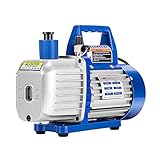
- VC Score8.8
BCP Score is a ranking system developed by bestcleanerproducts.com. BCP Score has no relationship or impact from any manufacturers or sales agent websites. Learn more
- BrandVIVOHOME
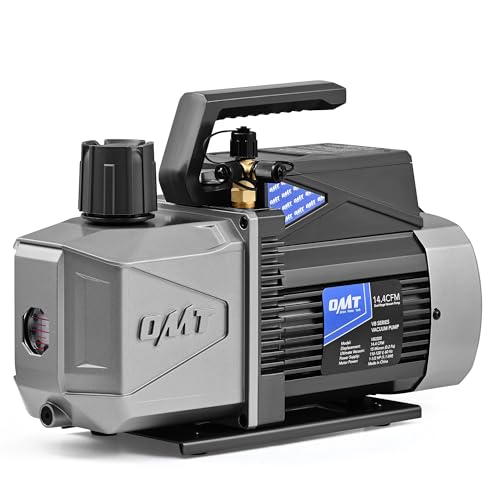
- VC Score8.4
BCP Score is a ranking system developed by bestcleanerproducts.com. BCP Score has no relationship or impact from any manufacturers or sales agent websites. Learn more
- BrandOrion Motor Tech
- VC Score8.4
BCP Score is a ranking system developed by bestcleanerproducts.com. BCP Score has no relationship or impact from any manufacturers or sales agent websites. Learn more
- BrandWin Outdoor

- VC Score8.4
BCP Score is a ranking system developed by bestcleanerproducts.com. BCP Score has no relationship or impact from any manufacturers or sales agent websites. Learn more
- BrandVEVOR

- VC Score7.4
BCP Score is a ranking system developed by bestcleanerproducts.com. BCP Score has no relationship or impact from any manufacturers or sales agent websites. Learn more
- BrandVEVOR
Last update on 2026-06-26 / Affiliate links / Images, Product Titles, and Product Highlights from Amazon Product Advertising API
What Is A 2 Stage Vacuum Pump Used For
Moisture inside a sealed system can be sneaky, stubborn, and expensive. A technician may pull a vacuum, watch the gauge move, and still wonder why the system refuses to behave cleanly. That frustration is exactly where what is a 2 stage vacuum pump used for becomes more than a basic equipment question. A 2 stage vacuum pump is used for jobs that need deeper vacuum levels, better moisture removal, and steadier performance than a basic single-stage pump can usually provide.
2 Stage Vacuum Pump Basics
A 2 stage vacuum pump uses two compression stages to pull air, vapor, and gases from a closed system more aggressively. The first stage does the heavy lifting by removing the bulk of the air. The second stage keeps pushing the pressure lower, which helps the pump reach a deeper vacuum. That extra depth matters most when moisture, refrigerant vapor, or trapped gas can ruin the job.
Single-stage pumps can work fine for lighter tasks, but they often struggle when the system needs a cleaner evacuation. A two-stage design gives more control during HVAC service, refrigeration repair, laboratory work, and industrial processing. The goal isn’t just to “suck air out.” The real goal is to create a low-pressure environment where unwanted vapor can leave the system instead of hiding inside lines, chambers, or materials.
Vacuum depth is commonly measured in microns in HVAC work, and lower micron readings usually mean a stronger evacuation. That matters because water boils at lower temperatures under vacuum, so trapped moisture can turn into vapor and be removed more easily. A shallow vacuum may leave moisture behind even when the system seems empty. That leftover moisture can cause corrosion, acid formation, poor cooling, and repeat service calls.
A practical way to picture it is a damp sponge sealed in a container. Pulling some air out helps, but a deeper vacuum makes moisture escape faster and more thoroughly. That’s why 2 stage vacuum pumps are favored for work where “close enough” can become costly. The pump gives professionals a cleaner starting point before charging, testing, sealing, or processing a system.
Why HVAC Work Depends On Deep Vacuum
HVAC and refrigeration service is one of the most common answers to what is a 2 stage vacuum pump used for. Air conditioning systems need a clean, dry circuit before refrigerant goes in. Air and moisture inside the lines can interfere with pressure readings, reduce heat transfer, and stress the compressor. A deep vacuum helps remove those contaminants before the system is put back into service.
Technicians often deal with systems that have been opened for repairs, new line sets, coil replacements, or compressor swaps. Once the refrigerant circuit is exposed, moisture can enter quickly, especially in humid weather. A 2 stage vacuum pump helps pull that moisture out more effectively than a lighter-duty pump. Skipping a proper evacuation may save a little time upfront, but it can create a headache later.
Bad evacuation shows up in annoying ways. The system may cool poorly, pressures may look odd, or the compressor may sound unhappy after a short run. Moisture can freeze at the metering device, block refrigerant flow, and then melt again, making the problem feel random. That’s why stable vacuum performance is such a big deal for serious HVAC work.
Service habits matter too. Short hoses, clean oil, tight fittings, and a reliable micron gauge all help the pump do its job. A strong pump can’t fix sloppy setup, but it gives the technician a better shot at a clean evacuation. For nearby maintenance challenges around suction and debris removal, pool owners may also compare equipment like the best pool vacuum sloped pool when dealing with angled surfaces and uneven cleanup zones.
Moisture Removal And System Protection
Moisture removal is the big reason two-stage pumps earn their keep. Water inside a refrigeration circuit doesn’t just sit there politely. It can react with refrigerant and oil, form acids, and slowly damage internal parts. A 2 stage vacuum pump reduces that risk by helping moisture vaporize and leave before the system starts running.
The trouble is that moisture can hide in oil, insulation, long line sets, and low spots. A quick vacuum pull may remove air but leave vapor trapped in awkward places. Deeper evacuation gives moisture more time and pressure difference to escape. That’s why technicians often watch the micron gauge instead of relying only on a clock.
Fresh pump oil plays a bigger role than beginners expect. Dirty oil holds moisture and reduces pump performance, which means the pump may run but fail to reach a proper vacuum. Clean oil supports better sealing, lower pressure, and steadier operation. A pump with neglected oil is like a sharp knife covered in glue, technically useful, but not doing clean work.
This same logic applies outside HVAC too. Suppressor owners, machinists, and shop workers deal with stubborn residue in tiny spaces, and cleaning tools need to match the job instead of just sounding powerful. Separate from evacuation work, parts-cleaning research may lead to a page like best ultrasonic cleaner suppressors for carbon buildup and small metal components. The shared lesson is simple: hidden contamination needs the right removal method.
Industrial And Manufacturing Uses
Factories use 2 stage vacuum pumps for jobs where trapped gas can weaken, spoil, or distort the final product. Resin casting, composite work, vacuum drying, degassing, and packaging can all depend on controlled vacuum levels. Air bubbles inside resin or silicone may look harmless at first, but they can leave weak spots or ugly voids. A deeper vacuum helps pull those bubbles out before the material sets.
Vacuum packaging also benefits from stronger air removal. Less oxygen inside packaging can help slow spoilage and reduce oxidation in suitable products. The pump doesn’t magically preserve everything, of course, because packaging material, sealing quality, and storage conditions still matter. But consistent vacuum pressure gives the process a more predictable foundation.
Manufacturing teams also care about repeatability. One batch with trapped air and another batch without it can create inconsistent results, wasted materials, and extra inspection time. A two-stage vacuum system helps reduce those swings by pulling down to lower pressure more reliably. That kind of consistency saves nerves, not just money.
There are limits, though. A 2 stage pump must be sized correctly for the chamber, duty cycle, and vapor load. Too small, and it takes forever to pull down. Too poorly maintained, and it loses performance right when the process needs steady vacuum control.
Laboratory And Technical Applications
Laboratories use vacuum pumps for filtration, drying, distillation, degassing, and sample preparation. A 2 stage vacuum pump becomes useful when the procedure needs lower pressure than a basic pump can provide. Sensitive work often punishes shortcuts. Tiny pressure differences can affect boiling points, reaction behavior, and drying speed.
Chemistry labs may rely on vacuum to remove solvents at lower temperatures. That can protect heat-sensitive materials from damage during drying or evaporation. A deeper vacuum can make the process smoother, but chemical compatibility must be checked carefully. Some vapors can damage pump oil or internal seals, so proper traps and pump protection are not optional.
Technical users often care about stability as much as raw vacuum depth. A pump that reaches a low pressure but fluctuates badly can create unreliable results. A good two-stage setup offers controlled evacuation, especially when paired with the right gauges, valves, and maintenance habits. That control helps reduce guesswork during repeat procedures.
Cleanliness is the quiet hero here. Contaminated pump oil, leaky hoses, and poor fittings can ruin performance even with a capable pump. Lab work rewards careful setup because the system is only as strong as its weakest connection. The pump matters, but vacuum discipline matters just as much.
Common Mistakes That Reduce Pump Performance
Plenty of people buy a 2 stage vacuum pump and then accidentally make it perform like a tired old shop tool. Long skinny hoses, loose fittings, and dirty oil can slow evacuation badly. The pump may sound busy while the system barely improves. That’s frustrating, especially when the job depends on a stable deep vacuum.
Oil neglect is probably the most common mistake. Pump oil absorbs moisture and contaminants during use, so it has to be changed when it gets cloudy, dirty, or overworked. Clean oil helps the pump seal internally and reach lower micron levels. Ignoring oil condition is one of those “penny wise, pound foolish” habits that comes back to bite.
Leaks are another troublemaker. A tiny leak at a fitting can prevent the system from reaching the vacuum level the pump is capable of producing. The operator may blame the pump, while the real issue sits at a hose connection or valve core. A micron decay test can help reveal whether the system is dry, leaking, or still releasing vapor.
Tool matching matters in cleaning work too, not just vacuum evacuation. Homes with shedding pets need suction, airflow, brush design, and filtration working together, so a page like best upright vacuum pet hair fits better for floor cleanup than a technical vacuum pump ever would. The key is choosing the tool around the mess, because wrong-tool frustration wastes time fast.
Benefits Of Using A 2 Stage Vacuum Pump
Many people focus on vacuum depth alone, but real-world performance involves far more than a number on a gauge. A properly maintained 2 stage vacuum pump helps reduce callbacks, protects expensive equipment, and shortens troubleshooting time later. Those benefits become obvious after dealing with moisture contamination, compressor failures, or systems that refuse to hold a stable vacuum. A deeper evacuation creates a cleaner foundation before the equipment ever starts running.
Time savings can be surprisingly valuable. Reopening a refrigeration system because moisture was left behind costs labor, refrigerant, and patience. A strong evacuation process helps remove uncertainty from the equation. That extra confidence is one reason why deep vacuum capability remains a priority for experienced technicians.
System longevity often improves when contaminants are removed before startup. Acids, corrosion, and sludge formation can slowly damage internal components over time. A clean refrigeration circuit allows compressors, valves, and metering devices to operate under better conditions. Small preventative steps frequently cost less than major repairs.
Reliability matters whether the equipment serves a home, business, laboratory, or production line. Unexpected downtime creates frustration and expense that nobody enjoys. A 2 stage vacuum pump helps eliminate one of the most common hidden threats before it becomes a larger problem. That practical value explains why deeper evacuation remains a standard practice across multiple industries.
Single Stage Versus Two Stage Differences
A common question appears after learning the basics: why not just use a single-stage pump? The answer depends on the application and the vacuum level required. Single-stage pumps can handle lighter duties, but they often reach their limits sooner when moisture removal becomes critical. A two-stage design provides additional compression that helps pull pressure lower.
The difference may seem small on paper, yet it becomes significant during demanding work. HVAC systems, refrigeration equipment, and laboratory setups frequently need lower micron readings to ensure proper performance. Reaching those targets becomes easier with a pump built for deeper evacuation. Less strain during the process often leads to more consistent results.
Budget-conscious buyers sometimes focus only on purchase price. That approach can overlook long-term operating costs tied to repeat service visits and contamination issues. Spending a bit more on the correct tool often prevents unnecessary headaches later. The real value comes from reliable vacuum performance rather than the lowest upfront cost.
Not every task requires a two-stage pump, and that tradeoff is worth mentioning. Small vacuum applications with limited performance demands may function perfectly well with simpler equipment. The decision should match the job rather than follow a one-size-fits-all mindset. Matching vacuum capability to the actual workload produces better outcomes.
How To Verify A Proper Vacuum Pull
Pulling a vacuum is only part of the process. Verifying that the system reached and maintained the desired level is equally important. A micron gauge provides a clearer picture than relying solely on manifold gauges. Accurate measurement helps confirm that moisture removal and evacuation goals have actually been achieved.
A standing vacuum test can reveal hidden problems. If pressure rises rapidly after isolation, moisture or leaks may still be present inside the system. That information helps identify issues before refrigerant is added. Catching those problems early saves time and protects equipment from avoidable stress.
Patience plays a role here. Rushing the process may create the illusion of success while contamination remains trapped inside the circuit. Allowing enough evacuation time often makes the difference between a clean installation and a future service call. Strong results usually come from a combination of proper technique, quality tools, and careful verification.
Cleaning equipment follows a similar principle. Dirt that appears gone may still linger beneath the surface if the process is rushed. Homeowners working on deep-cleaning projects sometimes review guides like how to use resolve carpet cleaner because proper technique matters just as much as the cleaning product itself. Consistency often beats shortcuts.
Applications Beyond HVAC Systems
HVAC service may be the most visible use, but 2 stage vacuum pumps support many other industries. Composite manufacturing relies on vacuum pressure to remove trapped air from materials before curing. Eliminating those air pockets helps improve structural consistency and reduce visible defects. A stronger vacuum contributes to more predictable production results.
Vacuum drying applications benefit as well. Moisture removal at lower pressure allows certain materials to dry without exposing them to excessive heat. That advantage becomes useful for sensitive products that could be damaged by traditional drying methods. Controlled environments often depend on stable vacuum levels to maintain quality.
Scientific research introduces another layer of complexity. Laboratory procedures frequently require controlled pressure conditions to support testing, filtration, or sample preparation. Small pressure variations can influence results more than many people realize. Reliable vacuum equipment helps reduce unwanted variables.
Food packaging operations also use vacuum technology in specific situations. Reduced oxygen exposure can support freshness goals and improve package consistency. Packaging materials and storage conditions still matter, but air removal efficiency remains an important part of the process. The vacuum system acts as one piece of a larger preservation strategy.
Maintenance Habits That Extend Pump Life
Even the strongest vacuum pump can lose performance if maintenance gets ignored. Oil condition deserves special attention because contaminated oil reduces efficiency and vacuum depth. Checking oil regularly helps identify moisture or debris before performance suffers. Clean oil supports better sealing and steadier operation.
Storage conditions matter more than many expect. Leaving equipment exposed to dust, moisture, or extreme temperatures can shorten component life over time. Protective storage reduces unnecessary wear and helps keep the pump ready for future use. A little prevention often saves money later.
Hoses, seals, and fittings deserve periodic inspection too. Small leaks can quietly undermine vacuum performance and create misleading results during evacuation. Replacing worn components early helps maintain system integrity. Strong vacuum performance depends on the entire setup rather than the pump alone.
Routine maintenance creates consistency. Operators spend less time troubleshooting mysterious performance issues and more time completing productive work. A well-maintained 2 stage vacuum pump typically delivers more predictable results than a neglected unit with greater specifications on paper. Reliability grows from attention to detail.
Situations Where A Two Stage Pump May Not Be Necessary
Not every vacuum task requires maximum evacuation depth. Light-duty applications with limited contamination concerns may perform adequately with simpler equipment. Understanding the actual requirements helps avoid overspending on unnecessary capacity. The best solution often balances performance, workload, and budget.
Small workshop projects sometimes operate successfully without reaching extremely low micron levels. In those situations, the extra capability of a two-stage design may go unused. That doesn't make the pump less valuable. It simply means the application may not demand its full potential.
Workload frequency should also influence purchasing decisions. Someone using vacuum equipment daily may benefit more from the added performance and durability of a two-stage system. Occasional users may place greater value on simplicity and lower upfront costs. Practical expectations help guide the decision.
Equipment selection follows a similar pattern across many cleaning and maintenance tasks. Property owners dealing with seasonal debris often compare solutions such as the best pool vacuum leaves dirt because the ideal tool depends on the actual mess being removed. Matching the tool to the challenge remains one of the smartest ways to avoid wasted effort.
Signs You Need A 2 Stage Vacuum Pump
Repeated moisture problems often indicate the need for stronger evacuation capability. Systems that struggle to achieve target micron levels may benefit from a 2 stage vacuum pump, especially if the existing equipment is functioning correctly but lacks sufficient depth. Persistent contamination rarely fixes itself. The underlying cause usually requires attention.
Large refrigeration systems create another clue. Longer line sets, greater internal volume, and more complex installations often demand stronger vacuum performance. A pump that handles small jobs comfortably may struggle with larger systems. Capacity and vacuum depth should align with the scale of the work.
Laboratory and manufacturing environments frequently require tighter pressure control than general-purpose applications. Those settings benefit from equipment designed to reach lower pressure levels consistently. Reliable evacuation supports accuracy, repeatability, and process stability. Small improvements in vacuum quality can influence larger outcomes.
Pressure stability, moisture removal, contamination control, equipment protection, and long-term reliability all point back to the same principle. A deeper vacuum isn't about chasing impressive numbers. It exists to create cleaner systems, reduce preventable failures, and support dependable operation across demanding applications where details matter.


How to Refinish a Fiberglass Pool

How Do You Keep Raccoons Out of Your Pool?

How to Fix Cyanuric Acid in Your Pool

How to Shape a Pool Cue Tip to Stop Miscues

Best Far Infrared Sauna Sauna Heats: Top Picks of 2026

11 Best Far Infrared Sauna Carbon Fiber Heaters of 2026 For Balanced Full-Body Heat

11 Best Carbon Far Infrared Sauna of 2026 For Even Heat

10 Best Bluetooth Speaker For Sauna of 2026 For Heat and Steam


