
What Are Vacuum Sealer Used For? Smart Everyday Uses

What are vacuum sealer used for sounds like a simple question, yet the answer stretches far beyond sealing leftovers. Food waste sneaks into kitchens one forgotten bag or freezer-burned package at a time, and that's where vacuum sealing quietly changes daily routines. Fresh ingredients stay protected from excess air, flavors remain richer for longer, and meal preparation feels far less stressful once storage becomes predictable.
Busy weeks rarely leave much room for cooking every single day. A vacuum sealer helps organize portions ahead of time, making it easier to prepare meats, vegetables, sauces, and even snacks without worrying that quality will disappear after only a few days. Small habits often make the biggest difference, and removing air before storage is one of those surprisingly practical habits that pays off again and again.
Freezer burn frustrates almost everyone sooner or later. Air trapped inside ordinary storage bags slowly damages texture, color, and flavor, turning expensive ingredients into disappointing meals. Vacuum-sealed storage slows that process significantly, helping frozen foods maintain a more enjoyable appearance and taste while reducing unnecessary waste.
Cooking also benefits in unexpected ways. Preparing ingredients for sous vide cooking becomes much easier because tightly sealed bags keep food surrounded by water without floating or leaking. Marinades cling more evenly around meats and vegetables, while carefully portioned ingredients simplify weeknight dinners and weekend gatherings alike.
The usefulness doesn't stop with food. Important documents, emergency supplies, seasonal clothing, camping gear, and small metal tools can all benefit from reduced exposure to moisture and dust during storage. While a vacuum sealer isn't the right solution for every material, it offers another practical option whenever long-term organization matters.
Tradeoffs still deserve attention. Soft fruits, delicate baked goods, and foods with sharp edges may require special bags or gentler sealing methods to prevent crushing or punctures. Choosing the right bag size, avoiding excess liquid during sealing, and cleaning the machine regularly all help maintain reliable performance without creating extra hassle.
Rather than filling cabinets with spoiled groceries or duplicate purchases, many households appreciate the simple confidence that comes from clearly labeled, well-protected packages. What are vacuum sealer used for ultimately leads to a bigger answer than expected because they support better planning, cleaner storage, lower waste, and more consistent food quality without making everyday routines feel complicated.
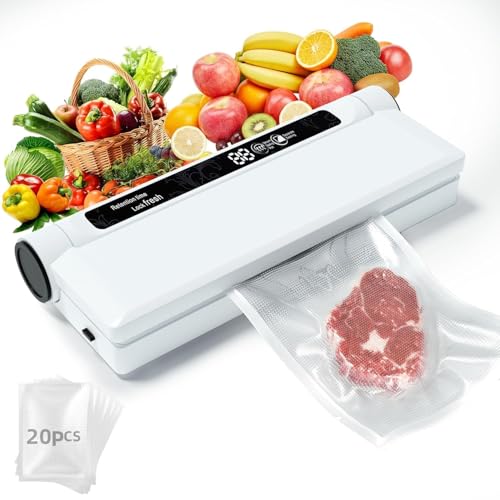
- VC Score10.0
BCP Score is a ranking system developed by bestcleanerproducts.com. BCP Score has no relationship or impact from any manufacturers or sales agent websites. Learn more
- BrandLSA Apparel

- VC Score9.4
BCP Score is a ranking system developed by bestcleanerproducts.com. BCP Score has no relationship or impact from any manufacturers or sales agent websites. Learn more
- BrandUPRUBE

- VC Score9.2
BCP Score is a ranking system developed by bestcleanerproducts.com. BCP Score has no relationship or impact from any manufacturers or sales agent websites. Learn more
- BrandV Vesta Precision

- VC Score9.0
BCP Score is a ranking system developed by bestcleanerproducts.com. BCP Score has no relationship or impact from any manufacturers or sales agent websites. Learn more
- BrandMesliese

- VC Score8.8
BCP Score is a ranking system developed by bestcleanerproducts.com. BCP Score has no relationship or impact from any manufacturers or sales agent websites. Learn more
- BrandVakumar

- VC Score8.8
BCP Score is a ranking system developed by bestcleanerproducts.com. BCP Score has no relationship or impact from any manufacturers or sales agent websites. Learn more
- BrandLIWUNON

- VC Score8.6
BCP Score is a ranking system developed by bestcleanerproducts.com. BCP Score has no relationship or impact from any manufacturers or sales agent websites. Learn more
- BrandBonsenkitchen

- VC Score8.6
BCP Score is a ranking system developed by bestcleanerproducts.com. BCP Score has no relationship or impact from any manufacturers or sales agent websites. Learn more
- BrandMEGAWISE

- VC Score8.4
BCP Score is a ranking system developed by bestcleanerproducts.com. BCP Score has no relationship or impact from any manufacturers or sales agent websites. Learn more
- BrandNatupo

- VC Score8.4
BCP Score is a ranking system developed by bestcleanerproducts.com. BCP Score has no relationship or impact from any manufacturers or sales agent websites. Learn more
- BrandInstaseal

- VC Score8.0
BCP Score is a ranking system developed by bestcleanerproducts.com. BCP Score has no relationship or impact from any manufacturers or sales agent websites. Learn more
- BrandLSA Apparel
Last update on 2026-07-05 / Affiliate links / Images, Product Titles, and Product Highlights from Amazon Product Advertising API
What Are Vacuum Sealer Used For In Everyday Kitchens?
Food storage gets messy fast once groceries, leftovers, and freezer bags start piling up. A half-used block of cheese dries around the edges, berries soften before anyone gets to them, and freezer meat turns pale from trapped air. That is why what are vacuum sealer used for usually starts with one practical answer: protecting food from air exposure so it stays usable longer.
A vacuum sealer removes air from a specially designed bag or container, then seals the package tightly. That simple process helps slow oxidation, reduce freezer burn, and keep moisture from moving in or out too quickly. It doesn’t make food last forever, but it gives everyday ingredients a better shot at staying fresh, tidy, and ready for real meals instead of sad fridge cleanouts.
The biggest appeal is control. Instead of tossing opened bags into the freezer and hoping for the best, sealed portions stack neatly and make meal planning feel less chaotic. For anyone tired of buying the same groceries twice, vacuum sealing turns storage into a smarter habit rather than another kitchen chore.
There’s also a money angle, and it’s not fancy. Buying meat, coffee, grains, or frozen produce in larger packs can make sense only if the extra food doesn’t spoil before it gets used. A sealer helps divide bulk buys into practical portions, so less food waste means fewer guilt trips at the trash can.
How Vacuum Sealers Help Keep Food Fresher
Freshness depends on more than a cold refrigerator. Air, moisture, bacteria, and poor packaging all push food downhill faster than most people expect. A vacuum sealer helps by reducing air contact, which is one of the main reasons stored food loses flavor, color, and texture.
Cheese is a good example because it often gets opened, wrapped loosely, forgotten, and then trimmed after the edges dry out. Vacuum sealing can help protect firm cheeses after opening, especially when they’re portioned into smaller pieces. Softer cheeses need more care, though, because pressure can crush them or trap moisture in a way that affects texture.
Meat and fish benefit even more in the freezer. Ordinary bags often leave small pockets of air around the food, and those pockets invite freezer burn. A tight vacuum-sealed pack hugs the surface closely, so frozen chicken, steaks, fish fillets, and ground meat keep a more reliable texture once thawed.
Dry goods deserve a mention too. Coffee beans, rice, nuts, flour, and dehydrated snacks can lose aroma or pick up stale flavors when stored poorly. Vacuum sealing helps create a cleaner barrier, although pantry items still need proper temperature and storage conditions to stay at their best.
Meal Prep Gets Easier With Vacuum Sealed Portions
Meal prep sounds great until containers crowd the fridge and nobody remembers what was cooked three days ago. Vacuum sealing brings more order to that mess by turning ingredients into clear, compact portions. A sealed pack of marinated chicken or chopped vegetables feels easier to use than a mystery tub hiding behind the milk.
Portioning is where the tool earns its counter space. Families can split bulk meat into dinner-sized packs, solo cooks can freeze smaller servings, and batch cooks can avoid reheating the same dish five nights in a row. That kind of portion control saves time without making meals feel overly rigid.
Marinating also gets a nice boost. Since the bag wraps closely around the food, sauce touches more surface area instead of pooling at the bottom of a bowl. For grilled vegetables, chicken thighs, pork chops, or tofu, vacuum-sealed marinades can make prep cleaner and easier to store.
There is a limit, of course. Watery soups, delicate pastries, and soft fruits need special handling, freezing first, or a gentler pulse setting. A vacuum sealer helps plenty, but it still rewards common sense, especially with crushable food and anything with sharp edges.
Freezer Storage Becomes Less Wasteful
The freezer is supposed to save food, but sloppy packaging can turn it into a holding zone for disappointment. Frosty bags, unlabeled meat, and mystery leftovers waste both money and patience. Vacuum sealing helps create flat, labeled packages that stack better and thaw more predictably.
Freezer burn happens when moisture leaves the food surface and oxygen hangs around too long. The result is dry spots, odd texture, and flavor that tastes tired before the food even reaches the pan. Tight sealing reduces those air pockets, so frozen storage becomes more dependable for everyday cooking.
Labeling sealed bags is a small habit with a big payoff. A date, food name, and portion size can prevent the classic freezer dig where everything looks like a frosty brick. To keep storage areas cleaner beyond the kitchen, compare messy cleanup tools like a pool vacuum for flocculant when heavy residue needs a more specific fix.
Vacuum sealing also makes thawing less awkward. Flat packs thaw faster in cold water than bulky containers, and they take up less freezer room. That helps busy nights feel a little less like a scramble, especially when dinner can start from a clearly marked, well-sealed pack.
Vacuum Sealers Support Sous Vide Cooking
Sous vide cooking depends on steady water temperature and reliable bag contact. Loose bags can float, leak, or cook unevenly, which makes the process more annoying than it needs to be. A vacuum sealer helps create tight food contact, so meat, fish, vegetables, and eggs cook with fewer surprises.
Steak is the obvious example, but it’s not the only one. Carrots, potatoes, chicken breast, pork tenderloin, and salmon all benefit from controlled cooking when the bag stays sealed and stable. The texture often feels more consistent because the food sits evenly in the water bath instead of shifting around.
Seasoning becomes easier too. Herbs, butter, garlic, citrus peel, and spices stay close to the food rather than floating away in a container. That direct contact can make flavor distribution feel more intentional, though strong aromatics still need restraint because sealed bags can intensify them.
Safety still matters. Food should be sealed in bags made for vacuum sealing and suitable for cooking temperatures, not random plastic pulled from a drawer. For unrelated household clogs, rely on a purpose-built solution like the strongest drain cleaner instead of improvising with kitchen storage tools.
Non-Food Uses Make Vacuum Sealers More Practical
A vacuum sealer doesn’t have to stay locked into food duty. Moisture-sensitive items, travel supplies, emergency kits, and seasonal odds and ends can benefit from sealed storage. The goal is simple: protect small important items from dust, moisture, and messy drawers.
Camping gear is a natural fit. Matches, first-aid items, spare socks, maps, and small toiletries can be sealed into compact packs that stay cleaner inside a bag. It’s not magic waterproof armor for every situation, but it does add a useful barrier during travel or storage.
Household paperwork can also be protected, as long as heat-sensitive documents are handled carefully and not damaged by the sealing process. Copies of insurance papers, emergency contact lists, or spare cash can be sealed for kits where moisture might be a problem. For floor cleanup after storage projects, a budget-friendly option like a vacuum for tile floors fits better than forcing a food sealer into the wrong job.
Sharp objects and bulky items need caution because they can puncture bags or prevent a clean seal. Tools, screws, and hardware should be wrapped before sealing if edges might poke through. Used thoughtfully, vacuum-sealed organization keeps small things easier to find without pretending every item belongs in plastic.
What Are Vacuum Sealer Used For Beyond Basic Food Storage?
Storage starts feeling expensive once small mistakes stack up. A loose freezer bag here, a half-open pantry pouch there, and suddenly good food turns stale before it ever reaches a plate. What are vacuum sealer used for becomes easier to answer after the basics are covered because the real value shows up in better planning, cleaner storage, and fewer last-minute grocery runs.
A vacuum sealer works best when it becomes part of a simple routine instead of another gadget sitting in a cabinet. Portion meat right after shopping, seal dry goods before they absorb pantry smells, and protect seasonal ingredients before they lose their fresh edge. Those small moves create less waste without asking anyone to cook like a restaurant chef.
The trick is knowing what should be sealed and what should be handled with more care. Crunchy snacks, firm vegetables, meats, fish, coffee, and dry staples usually make sense, while soft berries, fluffy bread, and delicate herbs can get crushed without the right setting. Smart vacuum sealing is practical, not automatic, and that difference matters.
Kitchen cleanup also plays a role because storage only works well in a clean space. Sealed bags won’t fix sticky counters, spills, or contaminated surfaces, so regular cleaning still matters around food prep areas. For sanitation questions outside food storage, keep guidance separate and practical, such as learning what household cleaner kill pinworm egg situations may require before guessing with random products.
How Vacuum Sealing Helps With Bulk Buying
Bulk buying feels smart until the package is too large for real life. A family pack of chicken, a large bag of nuts, or a warehouse-size block of cheese can turn into waste if it sits opened too long. A vacuum sealer helps break those large purchases into usable portions that match actual meals.
This is where the savings feel more grounded. Instead of freezing one giant pack and fighting with it later, smaller sealed bags let dinner start with exactly what is needed. Portion-ready storage also keeps the freezer calmer because everything stacks flatter and looks less like a pile of mystery bricks.
Dry goods benefit from the same habit. Rice, beans, oats, coffee beans, and nuts stay easier to manage when extra portions are sealed away from air and pantry odors. The goal isn’t hoarding food, it’s keeping freshness and organization in sync with how the kitchen actually runs.
There is still a fair tradeoff. Vacuum bags cost money, and sealing every tiny leftover can become overkill. The smarter move is saving the bags for foods that spoil quickly, cost more, or take up too much freezer space in bulky packaging.
What Foods Should Not Be Vacuum Sealed Carelessly?
Some foods push back against vacuum sealing, and ignoring that can create a soggy or crushed mess. Soft bread, ripe berries, delicate pastries, and leafy greens often need a lighter touch. Gentle sealing, pre-freezing, or using rigid containers can protect texture better than forcing everything into a tight bag.
Moist foods need patience too. Soups, sauces, juicy meats, and wet marinades can get pulled toward the sealing strip and weaken the seal. Freezing liquids first or leaving enough headspace helps keep clean seals more reliable.
Sharp foods can puncture bags before anyone notices. Bones, dry pasta edges, and pointed frozen items should be wrapped or cushioned before sealing. A tiny hole can ruin the whole point of airtight storage, especially in the freezer.
Fresh mushrooms, garlic, and some soft cheeses need extra care because food safety rules still apply. A vacuum sealer reduces air, but it doesn’t replace refrigeration, freezing, or common-sense handling. Safe storage means matching the food to the right temperature, package, and storage time.
How Vacuum Sealers Make Small Kitchens Feel Less Chaotic
Small kitchens punish clutter quickly. Bulky boxes, half-used bags, and awkward containers steal cabinet and freezer space before the week is halfway done. Vacuum sealing helps turn awkward food storage into flat, stackable packs that fit where real storage space is limited.
Flat packs also make inventory easier. A quick glance shows what is available, what needs to be used soon, and what can wait. That kind of visual control cuts down on duplicate buying because fewer ingredients disappear behind oversized packaging.
Noise, crumbs, and floor messes still happen around busy prep areas. After sealing dry goods or portioning freezer meals, small bits of rice, flour, or coffee can scatter across hard floors. For that separate cleanup job, a shark vacuum wood floors option fits the floor-care problem better than trying to stretch a food tool beyond its purpose.
A sealer also helps with grab-and-go routines. Snacks, smoothie packs, marinated proteins, and pre-measured ingredients can be grouped by use, not just by food type. Ready-to-use portions make busy mornings and tired evenings feel less scattered.
What To Expect Before Buying A Vacuum Sealer
A vacuum sealer is useful, but it is not a magic fix for every storage problem. Countertop models take space, replacement bags add ongoing cost, and some machines require a short cool-down between repeated seals. Realistic expectations help prevent buyer’s remorse.
Bag compatibility matters more than people expect. Some sealers work best with textured bags, while chamber-style machines handle liquids better but usually cost more and take more room. Machine type should match actual habits, not wishful thinking.
Controls also change the experience. Pulse mode helps with delicate foods, a moist setting helps with juicy items, and a removable drip tray makes cleanup less annoying. Those small features can matter more than flashy claims because easy maintenance determines whether the tool gets used often.
The best fit is usually the one that supports meals already being cooked. A household that freezes meat, buys pantry staples in larger bags, gardens seasonally, or preps weekday meals will likely use a sealer more often than someone who rarely stores extra food. Practical use should guide the purchase, not countertop envy.
How To Use Vacuum Sealing Without Wasting Bags
Bag waste can sneak up fast if every snack and leftover gets sealed without a plan. Cutting bags slightly larger than needed helps leave room for a strong seal without using too much material. Right-size packaging keeps the habit useful instead of expensive.
Reusable vacuum containers can help for foods opened often. Coffee, crackers, cheese, and lunch ingredients may be better in containers than single-use bags because they get accessed repeatedly. Reusable storage also makes sense for short-term freshness where freezer protection is not the main goal.
Labeling before freezing saves frustration later. Food name, date, portion size, and simple cooking notes make sealed packs far easier to use. Clear labels turn the freezer into a working meal system instead of a cold storage guessing game.
Cleaning the sealing area after wet foods matters too. Oil, marinade, and crumbs can weaken the seal or create tiny gaps that let air creep back in. A quick wipe keeps seal quality more consistent and helps the machine last longer.
Why Vacuum Sealing Works Best With Better Habits
The machine does the sealing, but the routine creates the payoff. Groceries should be portioned soon after shopping, leftovers should cool before sealing, and frozen packs should be rotated so older food gets used first. Simple storage habits make vacuum sealing feel helpful instead of fussy.
Planning meals around sealed portions also reduces decision fatigue. Chicken for Tuesday, soup base for Thursday, and smoothie packs for the morning all become easier to grab without digging. Less daily friction is one of the quiet reasons people keep using vacuum sealers after the novelty wears off.
Food quality still depends on the basics. Fresh food going into the bag gives better results than food that is already near the edge. Vacuum sealing protects quality, but it won’t rescue ingredients that have already lost texture, aroma, or safe handling conditions.
A balanced approach wins. Use vacuum sealing for foods and supplies that truly benefit from less air, skip it for items that crush or spoil in low-oxygen storage, and keep cleaning separate from food preservation. What are vacuum sealer used for comes down to one practical idea: keeping the right things protected, organized, and easier to use before waste gets the upper hand.


How to Refinish a Fiberglass Pool

How Do You Keep Raccoons Out of Your Pool?

How to Fix Cyanuric Acid in Your Pool

How to Shape a Pool Cue Tip to Stop Miscues

Best Far Infrared Sauna Sauna Heats: Top Picks of 2026

11 Best Far Infrared Sauna Carbon Fiber Heaters of 2026 For Balanced Full-Body Heat

11 Best Carbon Far Infrared Sauna of 2026 For Even Heat

10 Best Bluetooth Speaker For Sauna of 2026 For Heat and Steam


