
What Are Vacuum Pump Used For? Practical Guide

What are vacuum pump used for is a bigger question than it sounds, because these machines quietly sit behind a lot of everyday work. A vacuum pump removes air, gas, or vapor from a closed space so pressure drops below normal atmospheric pressure. That lower-pressure space can help hold, move, dry, seal, test, lift, degas, or preserve materials. Sounds simple, right? Yet the real value shows up in the details, especially when a process fails because trapped air, moisture, or pressure leaks get in the way.
In manufacturing, vacuum pumps help with packaging, molding, drying, coating, and material handling. Food packaging often uses vacuum to remove air around products, which helps slow oxidation and keeps items looking cleaner on the shelf. In plastics and composites, vacuum can pull resin through fibers or remove bubbles from liquid material before it hardens. That’s where the rubber meets the road, because a small air pocket can turn into a weak spot, a bad finish, or wasted material.
In HVAC service, vacuum pumps are used to evacuate refrigerant lines before charging a system. Moisture inside an air conditioning or refrigeration circuit can cause corrosion, poor cooling, and ice formation where nobody wants it. A pump helps pull the system down so trapped air and vapor can be removed before refrigerant goes in. It isn’t glamorous work, but skipping it can come back to bite hard through callbacks, noisy performance, or shorter equipment life.
In laboratories and medical-related settings, vacuum pumps support filtration, sample preparation, freeze drying, aspiration, and controlled low-pressure environments. A lab may use a pump to pull liquid through a filter faster or to remove solvents from a sample without overheating it. Hospitals and clinics may rely on vacuum systems for suction applications, though the exact setup depends on safety rules and equipment design. The key point is control, because delicate work needs steady pressure rather than brute force.
Automotive work also leans on vacuum pressure more than many people realize. Vacuum pumps can support brake systems, emissions testing, leak detection, and diagnostic tools. Diesel engines and certain modern engine designs may not create enough natural vacuum for every accessory, so a separate pump fills the gap. In a repair bay, a vacuum test can also help spot leaks that would otherwise hide until performance gets weird.
Vacuum pumps are also used for woodworking, electronics, printing, pharmaceuticals, agriculture, and material storage. A shop may use vacuum clamping to hold a board flat without screws or clamps getting in the way. Electronics work may use vacuum for pick-and-place tools, degassing potting compounds, or removing moisture from sensitive assemblies. So, while the pump itself may look like a plain mechanical box, its job is often the quiet backbone of cleaner results, safer handling, and fewer surprises.

- VC Score9.4
BCP Score is a ranking system developed by bestcleanerproducts.com. BCP Score has no relationship or impact from any manufacturers or sales agent websites. Learn more
- BrandScitoLAB
- VC Score9.4
BCP Score is a ranking system developed by bestcleanerproducts.com. BCP Score has no relationship or impact from any manufacturers or sales agent websites. Learn more
- BrandATD
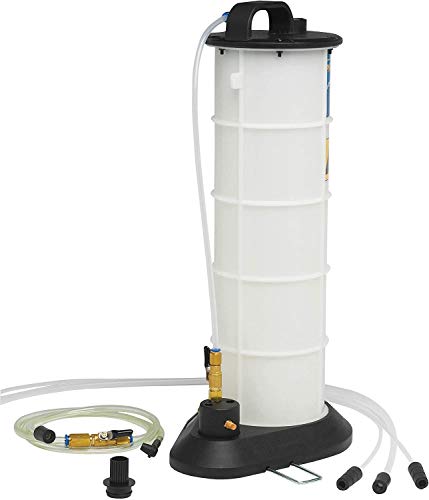
- VC Score9.4
BCP Score is a ranking system developed by bestcleanerproducts.com. BCP Score has no relationship or impact from any manufacturers or sales agent websites. Learn more
- BrandMityvac

- VC Score9.2
BCP Score is a ranking system developed by bestcleanerproducts.com. BCP Score has no relationship or impact from any manufacturers or sales agent websites. Learn more
- BrandOrion Motor Tech

- VC Score9.2
BCP Score is a ranking system developed by bestcleanerproducts.com. BCP Score has no relationship or impact from any manufacturers or sales agent websites. Learn more
- BrandVIVOHOME

- VC Score9.2
BCP Score is a ranking system developed by bestcleanerproducts.com. BCP Score has no relationship or impact from any manufacturers or sales agent websites. Learn more
- BrandVIVOHOME

- VC Score9.0
BCP Score is a ranking system developed by bestcleanerproducts.com. BCP Score has no relationship or impact from any manufacturers or sales agent websites. Learn more
- BrandVIVOHOME

- VC Score8.6
BCP Score is a ranking system developed by bestcleanerproducts.com. BCP Score has no relationship or impact from any manufacturers or sales agent websites. Learn more
- BrandBAMCOO

- VC Score8.4
BCP Score is a ranking system developed by bestcleanerproducts.com. BCP Score has no relationship or impact from any manufacturers or sales agent websites. Learn more
- BrandDASBET

- VC Score8.0
BCP Score is a ranking system developed by bestcleanerproducts.com. BCP Score has no relationship or impact from any manufacturers or sales agent websites. Learn more
- BrandGoplus
Last update on 2026-07-04 / Affiliate links / Images, Product Titles, and Product Highlights from Amazon Product Advertising API
What Are Vacuum Pump Used For In Real Work
Air causes more trouble than most people give it credit for. It hides in refrigerant lines, leaves bubbles in resin, slows filtration, weakens packaging, and turns a clean process into a messy guessing game. That is where what are vacuum pump used for becomes a practical question, not a textbook one. A vacuum pump removes gas or vapor from a sealed space so the job can happen with lower pressure, better control, and fewer nasty surprises.
Vacuum Pump Uses
Vacuum pumps are used anywhere trapped air, moisture, or vapor gets in the way of a cleaner result. They help evacuate systems, hold materials in place, move light objects, remove bubbles, preserve goods, and create controlled low-pressure spaces. The idea sounds simple, but the payoff depends on the task. A pump used for HVAC service has a different job than one used for lab filtration, even though both rely on the same basic pressure principle.
In plain English, a vacuum pump pulls a space below normal atmospheric pressure. That pressure drop can help with drying, sealing, suction, degassing, testing, lifting, and stabilizing. Some jobs need a deep vacuum, while others only need steady suction. Getting that detail wrong can mean slow work, damaged materials, or equipment that seems fine until it starts acting up later.
The real value shows up in places where consistency matters. A technician evacuating refrigerant lines wants moisture removal, not just empty space. A shop worker using vacuum clamping wants firm holding power without blocking the work surface. A lab tech filtering samples wants smooth pull-through without splashing or contamination. Different settings, same core need: remove what should not be there.
HVAC And Refrigeration Work
HVAC vacuum pumps are best known for evacuating air conditioning and refrigeration systems before refrigerant is added. Air and moisture inside a closed refrigerant circuit can cause poor cooling, corrosion, and ice formation. That is not a small nuisance. Left alone, those contaminants can shorten equipment life and create repeat service calls that nobody wants.
A proper evacuation helps pull down the system so trapped gases and water vapor can leave before charging begins. The pump does not fix a bad installation or a hidden leak by magic, but it gives the system a cleaner starting point. Technicians often pair the pump with a micron gauge because guesswork around vacuum level can get expensive. A manifold gauge alone may not show the whole story, especially with moisture still boiling off inside the lines.
This is also where pump size, oil condition, and hose setup matter. Dirty oil can reduce pump performance because it carries moisture and contamination from previous jobs. Long, narrow hoses can slow evacuation and make a decent pump feel weak. For practical household cleaning questions outside HVAC, reduce daily floor mess with a robot vacuum for small home that fits tight rooms without turning the space into an obstacle course.
Manufacturing And Packaging Jobs
Industrial vacuum pumps support a wide range of production tasks, from packaging food to forming plastic parts. In packaging, vacuum helps remove air around products before sealing. Less trapped air can mean better product presentation, reduced oxidation, and more stable storage conditions. The pump is not the star of the package, but it is often the reason the package looks tight and tidy.
Vacuum forming uses low pressure to pull heated plastic over a mold. That process can create trays, covers, panels, and other shaped parts without needing a huge mechanical press. The quality depends on steady vacuum pressure, clean molds, proper heat, and enough airflow. If the pull is uneven, corners may thin out or details may look soft.
Composite work also leans heavily on vacuum. Resin infusion and vacuum bagging help pull resin through fabric layers while squeezing out excess air. That can improve strength and reduce voids, but only if the seal holds and the materials are prepared well. A tiny leak in the bag can turn a promising layup into a sticky mess, so leak control matters as much as pump power.
Laboratory And Medical Applications
Laboratory vacuum pumps help with filtration, evaporation, aspiration, degassing, and sample preparation. A pump can pull liquid through a filter faster than gravity alone, which saves time during repetitive lab work. It can also help remove solvents at lower temperatures when paired with suitable equipment. That matters because heat-sensitive samples do not always forgive rough handling.
Vacuum also helps remove bubbles from liquids, gels, resins, and chemical mixtures. Bubbles may look harmless, but they can throw off measurements, weaken cured materials, or leave ugly defects in finished samples. A controlled vacuum chamber gives trapped gas a way out. The trick is using the right level of pull, because aggressive vacuum can cause foaming or sample loss.
Medical-related vacuum systems are often used for suction, fluid removal, and controlled support tasks, depending on the equipment and setting. These systems need reliable performance, clean handling, and proper maintenance because failure can create serious problems. A small bench pump in a lab and a facility vacuum system in a clinic are not the same thing. Still, both prove the same point: pressure control can make delicate work safer and cleaner.
Automotive Testing And Repair
Automotive vacuum pumps appear in brake systems, emissions checks, diagnostics, and engine support. Some engines do not create enough natural vacuum for certain functions, so a separate pump fills the gap. Diesel engines, turbocharged setups, and modern engine designs may rely on dedicated vacuum support. That little pump can affect braking feel, actuator movement, and diagnostic accuracy.
Repair shops also use vacuum tools to test components and track leaks. A handheld pump can check whether a valve, hose, actuator, or diaphragm holds pressure. That saves time because the fault may not be visible from the outside. Instead of replacing parts blindly, a technician can use vacuum testing to narrow the problem before spending money.
Vacuum can also help with fluid service in some automotive tasks. Brake bleeding, coolant filling, and leak checks may involve vacuum-assisted tools, depending on the setup. The benefit is control, especially in cramped systems where trapped air pockets are stubborn. For outdoor cleaning jobs that sit far away from automotive vacuum work, clear stains faster by using how to use 30 second outdoor cleaner as a separate maintenance guide.
Woodworking And Material Holding
Vacuum clamping gives woodworkers and fabricators a way to hold flat parts without covering the top surface with clamps. A vacuum table pulls the workpiece against a surface so routing, sanding, trimming, or engraving can happen more cleanly. This helps with sheet goods, cabinet parts, signs, templates, and thin panels. It is especially handy when regular clamps would block the tool path.
The tradeoff is that vacuum holding depends on surface area and seal quality. A large flat board may hold firmly, while a tiny narrow part may slide or lift if the contact area is too small. Porous materials can also leak air through the surface, forcing the pump to work harder. Good gasketing, clean spoil boards, and realistic expectations make vacuum workholding far more dependable.
Noise and heat deserve attention too. Some pumps are quiet enough for a small shop, while others drone loudly enough to wear on your nerves. Oil-lubricated pumps may need maintenance, while dry pumps may cost more or suit cleaner environments better. For budget cleaning gear beyond shop work, compare simple home options through best hoover vacuum under 100 before buying more machine than the job needs.
Electronics, Printing, And Small Tools
Vacuum pumps show up in electronics assembly, screen printing, laminating, and small pick-and-place tools. In electronics, suction can lift tiny parts without crushing them. It can also help remove moisture from components or pull bubbles from potting compounds before curing. Small details matter here because air gaps can create weak spots, poor insulation, or uneven finishes.
Printing and laminating work often uses vacuum to hold sheets flat. A moving sheet can ruin alignment, smear ink, or create wrinkles during bonding. Vacuum hold-down keeps the material steady while the process runs. That steady grip is a quiet advantage, especially with thin, flexible, or oversized pieces that do not behave nicely on their own.
Small vacuum tools are useful, but they are not all built for heavy loads. A compact pump may handle light suction tasks beautifully and still fail at deep evacuation or continuous industrial use. The smart move is matching vacuum level, airflow, duty cycle, and contamination tolerance to the actual job. A pump that is “strong enough” on paper can still be the wrong fit if it overheats, clogs, or pulls oil mist into a clean workspace.
What Are Vacuum Pump Used For Across Different Industries
Vacuum technology becomes even more valuable once you move beyond everyday maintenance jobs. The same basic principle supports dozens of industries that depend on stable pressure, clean processing, and repeatable results. A vacuum pump may never receive much attention, yet it quietly solves problems that would otherwise slow production, damage equipment, or waste materials. Looking at real applications makes it much easier to see why the right pump often saves both time and frustration.
Food Processing And Packaging
Food packaging is one of the most familiar examples of vacuum pump technology. Removing air from sealed packages helps reduce oxidation, slows spoilage, and keeps products looking fresher throughout storage and transportation. It also minimizes package expansion, making products easier to stack and ship.
Vacuum systems also support drying, cooling, and moisture removal during food production. Different foods require different vacuum levels because delicate products can lose texture if pressure drops too quickly. Matching


How to Refinish a Fiberglass Pool

How Do You Keep Raccoons Out of Your Pool?

How to Fix Cyanuric Acid in Your Pool

How to Shape a Pool Cue Tip to Stop Miscues

Best Far Infrared Sauna Sauna Heats: Top Picks of 2026

11 Best Far Infrared Sauna Carbon Fiber Heaters of 2026 For Balanced Full-Body Heat

11 Best Carbon Far Infrared Sauna of 2026 For Even Heat

10 Best Bluetooth Speaker For Sauna of 2026 For Heat and Steam








