
What Are Vacuum Cup Used For? Practical Everyday Uses

What are vacuum cup used for is a question that pops up once people notice how many everyday tools quietly rely on simple suction. From lifting smooth glass panels to keeping gadgets firmly attached to a windshield, vacuum cups solve problems without drilling holes, driving screws, or leaving permanent marks. That's a pretty handy trick, especially when flexibility matters. Small details like surface texture, material quality, and holding force often determine whether a vacuum cup performs beautifully or slips loose at the worst possible moment.
Many people first think about bathroom hooks or phone mounts, yet those examples barely scratch the surface. Manufacturing facilities use industrial vacuum cups to move delicate products without scratching them, while workshops depend on them to handle heavy sheets of glass, polished stone, and metal panels safely. Medical equipment, packaging lines, robotics, and laboratory devices also rely on controlled suction because precision matters just as much as strength. That's why understanding the right application can save both time and frustration.
Surface condition plays a surprisingly big role. A clean, smooth, non-porous material gives a vacuum cup the best chance to maintain strong suction, while rough concrete, unfinished wood, or dusty surfaces often reduce its grip. That's why two people using the same product can walk away with completely different experiences. Paying attention to preparation usually makes a bigger difference than buying a stronger model.
Vacuum cups also reduce unnecessary damage. Temporary mounting avoids drilling into tile, glass, mirrors, or finished furniture, making rearranging much easier later. That's useful for seasonal decorations, temporary storage solutions, travel accessories, and portable workstations where permanent installation simply doesn't make sense. Little conveniences like these add up quickly in daily routines.
Industrial settings reveal another side of their value. Automated production equipment uses vacuum cups to lift products repeatedly with consistent pressure, helping reduce manual handling and minimizing accidental drops. Different shapes, rubber compounds, and suction sizes allow the same basic concept to work with electronics, food packaging, automotive parts, and fragile materials. Rather than relying on brute force, controlled suction offers accuracy and repeatability.
Even so, vacuum cups aren't magic. Excessive weight, damaged rubber, oily surfaces, temperature changes, or tiny air leaks can reduce performance over time. Checking the seal, cleaning contact surfaces, and replacing worn cups before they fail are simple habits that help maintain reliable holding power. Knowing those tradeoffs creates realistic expectations instead of disappointment.
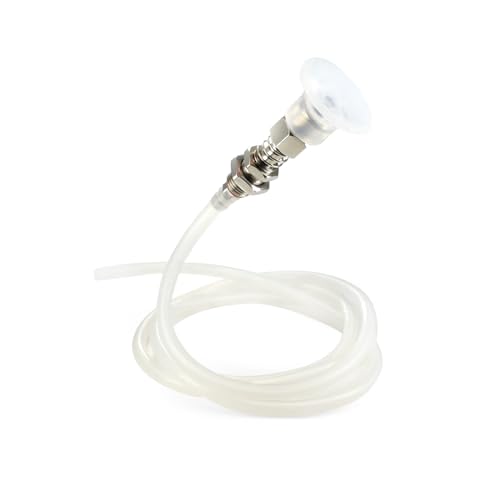
- VC Score10.0
BCP Score is a ranking system developed by bestcleanerproducts.com. BCP Score has no relationship or impact from any manufacturers or sales agent websites. Learn more
- BrandXBERSTAR

- VC Score9.6
BCP Score is a ranking system developed by bestcleanerproducts.com. BCP Score has no relationship or impact from any manufacturers or sales agent websites. Learn more
- BrandPLOWIC

- VC Score9.2
BCP Score is a ranking system developed by bestcleanerproducts.com. BCP Score has no relationship or impact from any manufacturers or sales agent websites. Learn more
- BrandFCHO
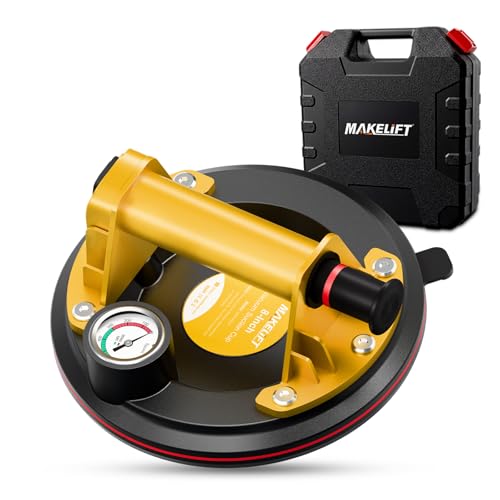
- VC Score9.2
BCP Score is a ranking system developed by bestcleanerproducts.com. BCP Score has no relationship or impact from any manufacturers or sales agent websites. Learn more
- BrandMAKELIFT

- VC Score9.0
BCP Score is a ranking system developed by bestcleanerproducts.com. BCP Score has no relationship or impact from any manufacturers or sales agent websites. Learn more
- BrandSeesii

- VC Score8.8
BCP Score is a ranking system developed by bestcleanerproducts.com. BCP Score has no relationship or impact from any manufacturers or sales agent websites. Learn more
- BrandOlympia Tools
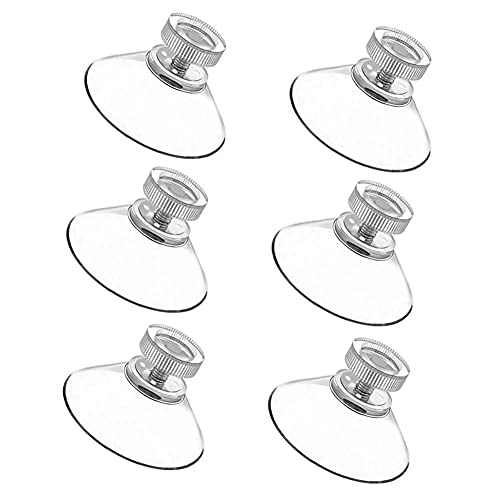
- VC Score8.8
BCP Score is a ranking system developed by bestcleanerproducts.com. BCP Score has no relationship or impact from any manufacturers or sales agent websites. Learn more
- BrandBlingKingdom

- VC Score8.8
BCP Score is a ranking system developed by bestcleanerproducts.com. BCP Score has no relationship or impact from any manufacturers or sales agent websites. Learn more
- BrandFCHO

- VC Score7.6
BCP Score is a ranking system developed by bestcleanerproducts.com. BCP Score has no relationship or impact from any manufacturers or sales agent websites. Learn more
- BrandMMOBIEL

- VC Score7.6
BCP Score is a ranking system developed by bestcleanerproducts.com. BCP Score has no relationship or impact from any manufacturers or sales agent websites. Learn more
- BrandAmooca

- VC Score5.2
BCP Score is a ranking system developed by bestcleanerproducts.com. BCP Score has no relationship or impact from any manufacturers or sales agent websites. Learn more
- BrandIIT

- VC Score2.0
BCP Score is a ranking system developed by bestcleanerproducts.com. BCP Score has no relationship or impact from any manufacturers or sales agent websites. Learn more
- BrandTikom
Last update on 2026-07-04 / Affiliate links / Images, Product Titles, and Product Highlights from Amazon Product Advertising API
What Are Vacuum Cup Used For In Practical Work
A smooth panel, a stubborn phone mount, a fragile sheet of glass, and a fast-moving packaging line all have one thing in common: they need grip without damage. That’s where what are vacuum cup used for becomes more than a casual question. A vacuum cup creates suction against a surface so an item can be held, lifted, moved, mounted, or positioned without screws, clamps, nails, or rough contact. Simple idea, big reach.
Vacuum Cups
Vacuum cups are used to create a temporary seal between a cup-shaped flexible material and a surface. Once air is pulled out or pressed away, atmospheric pressure helps hold the cup in place. That grip can be light, like a shower hook on tile, or strong, like a glass lifter carrying a heavy window panel. The trick is that surface contact matters just as much as suction strength.
The most common uses include lifting smooth materials, holding parts during assembly, mounting small objects, and helping machines pick up items without scratching them. A suction cup on a car phone holder uses the same basic principle as a vacuum gripper on a robotic arm. The difference sits in the design, material, pump system, and safety margin. Small cup, big cup, manual cup, powered cup, they all rely on a tight seal.
People run into trouble when they treat every surface the same. Glass, tile, polished metal, acrylic, and sealed stone usually give vacuum cups a better chance to hold. Rough wood, dusty walls, textured plastic, fabric, and porous concrete often let air leak back in. Once that leak starts, the cup loses grip, and yep, gravity has no patience.
A practical way to think about what are vacuum cup used for is this: they’re for tasks that need grip without permanent attachment. That includes temporary hanging, safer handling, cleaner movement, and repeatable positioning. They shine where drilling feels too risky, clamps might leave marks, or hands alone don’t offer enough control. Still, they need the right surface and the right load rating, or they’ll let you know the hard way.
Home Uses That Make Daily Jobs Less Annoying
At home, vacuum cups are often used for mounting items without damaging finished surfaces. Bathroom shelves, razor holders, soap trays, towel hooks, and shower caddies often depend on suction because tile and glass are expensive to patch. Renters especially appreciate that kind of temporary hold. Nobody wants to explain mystery holes in a bathroom wall later.
Kitchen and cleaning setups use suction mounting in small but helpful ways. Sponge holders, sink organizers, dish brushes, and small tool clips can stay close without cluttering the counter. A good seal keeps things reachable, while a bad seal turns into that annoying midnight clatter from the sink area. Clean surfaces and dry contact points make a noticeable difference.
Car accessories are another everyday example. Phone holders, dash cameras, GPS mounts, sunshades, and small mirrors often use vacuum cup attachment because drivers need adjustability. The benefit isn’t just convenience, either. A secure mount helps keep devices visible without sliding around the seat, which reduces fumbling during a drive.
Dust and debris still ruin plenty of suction setups, especially around cleaning tools and storage corners. To keep surfaces cleaner before mounting accessories, rely on canister vacuum for dust mites for better dust pickup around shelves, vents, upholstery, and tight edges. A cleaner surface gives vacuum cups a fair shot at holding instead of slowly peeling away.
Glass Handling And Smooth Material Lifting
Glass work shows the serious side of vacuum cup use. Large panes are awkward, slippery, and unforgiving. A manual suction lifter gives the hands a safer gripping point, while larger vacuum lifting systems help move heavy panels with better control. The goal is simple: reduce slipping, reduce edge pressure, and keep the material steady.
Installers often use glass suction cups for windows, mirrors, shower doors, tabletops, and polished stone slabs. These materials can crack, chip, or scratch if grabbed with the wrong tool. Suction spreads the holding force over a smoother contact area, which helps protect the surface. That doesn’t make the load weight disappear, though, so rated capacity still matters.
The best results come from matching the cup to the job. A flat cup may suit flat glass, while a more flexible cup can handle slightly curved or uneven surfaces. Rubber hardness, cup diameter, lip design, and handle style all affect grip and control. A cheap cup might be fine for light craft glass, but it shouldn’t be trusted with a heavy window panel above someone’s foot.
Safety habits are not optional here. Workers check the seal, clean the surface, inspect the cup lip, and avoid using damaged rubber because tiny cracks can leak air. Many professional lifters also include visual indicators or pumps that show whether suction is holding properly. That little detail can prevent a very expensive “Oops.”
Manufacturing And Robotic Picking
Factories use industrial vacuum cups because they can pick up parts quickly without squeezing them. Robotic arms and automated machines often move boxes, sheets, lids, labels, pouches, plastic parts, and electronics using suction. A mechanical clamp can crush or mark some materials, but a vacuum cup can hold them with controlled pressure. That makes it useful for delicate or finished surfaces.
Packaging lines are a natural fit. A machine may use vacuum grippers to lift cartons, open bags, place labels, or move thin sheets from a stack. Speed matters, but consistency matters more. If a cup loses seal every few cycles, the whole line slows down, and small stoppages can become a real headache.
Material choice changes the outcome. Silicone cups handle temperature swings and food-related environments better than some basic rubbers, while nitrile may suit oily conditions. Shape, flexibility, wear resistance, and vacuum flow all affect whether the system grabs cleanly or misfires. A cup that works on a cardboard box may struggle with a wrinkled pouch because the surface leaks air differently.
Maintenance is where many setups win or lose. Dust, oil, paper fibers, and tiny product debris can build up on the cup lip and reduce seal quality. To clear grime from nearby sinks, floor drains, or work-area runoff before it causes bigger messes, use liquid fire drain cleaner with careful label-following and proper safety handling. Clean surroundings help protect vacuum systems from the gritty buildup that quietly ruins performance.
Surface Fit, Load Limits, And Common Mistakes
Vacuum cups work best on surfaces that are smooth, clean, non-porous, and firm. Glass is friendly. Glossy tile is usually friendly. Rough brick, dusty drywall, unfinished wood, and soft fabric are not. The cup needs a tight seal, and any path for air to sneak back in weakens the hold.
Weight ratings deserve respect. A cup may hold a listed load in controlled conditions, but real jobs add movement, vibration, moisture, temperature shifts, and awkward angles. Sideways pulling can be especially risky because many cups hold better in direct pull than shear force. That’s why a suction hook may hold a towel but fail with a heavy hanging planter swinging near a window.
People also forget that suction changes over time. A cup might feel secure at first, then slowly lose pressure as air creeps in. Heat softens some materials, cold can stiffen rubber, and soap film can break the seal. Regular checks matter, especially for anything breakable, valuable, or positioned above a hard floor.
Portable cleaning habits also affect small suction mounts around cars, closets, plant rooms, and workbenches. For quick cleanup before attaching holders or organizers, rely on battery powered vacuum under 200 to remove dust from smooth areas without dragging out a full-size machine. Cleaner contact points give suction cups a better grip and make failures less likely.
What Are Vacuum Cup Used For In Real-World Applications
A vacuum cup earns its keep in the moments where hands feel clumsy, surfaces scratch too easily, or a fixed mount would cause more trouble than it solves. After basic lifting and mounting, what are vacuum cup used for becomes a more practical question: how do they help people avoid dropped materials, cracked surfaces, messy setups, and wasted effort? The answer sits in the details, from clean contact points to the right cup shape for the surface. Small choices make the difference between a firm hold and a slow, annoying slip.
Vacuum cups are not just little bathroom gadgets or glass shop tools. They show up in plant rooms, craft benches, garages, cleaning carts, packaging stations, workshops, and temporary display setups because they offer grip without permanent damage. That matters when a surface needs to stay clean, smooth, and reusable. Nobody wants a handy solution that leaves behind holes, scratches, sticky residue, or cracked tile.
Cleanliness plays a bigger role than many people expect. A thin film of dust, mineral buildup, soap, oil, or dried cleaning spray can quietly break the seal. For smooth boards, tiles, mirrors, and work surfaces, keep residue under control with whiteboard cleaner before asking a suction cup to hold anything important. A clean surface gives suction pressure the best chance to do its job.
Why Surface Prep Makes Vacuum Cups Hold Better
Surface preparation is often the boring step that saves the whole setup. A vacuum cup needs close contact all the way around its lip, so tiny particles can act like open doors for air leaks. Wiping the surface first may sound fussy, but it helps create a tighter seal. That simple habit matters on glass doors, shower walls, glossy cabinets, and smooth worktables.
Moisture can help or hurt depending on the situation. A slightly damp cup may seal better on some smooth surfaces, but too much water, soap, or oil can cause sliding. Grip strength depends on both suction and friction, so a wet surface can still betray you. The cup might stay attached yet creep downward once weight is added.
Texture is the bigger deal. Pebbled plastic, uneven tile, unfinished wood, brick, concrete, woven material, and dusty painted walls usually don’t give vacuum cups enough uninterrupted contact. Even a strong cup can fail there because air sneaks through the tiny gaps. A bigger cup won’t always fix that problem, either, since the seal still has to close around the entire edge.
Temperature also changes the way rubber behaves. Heat can soften some cups and make them slide more easily, while cold can make the material stiff and less willing to conform. Flexible cup material helps on lightly curved or slightly imperfect surfaces, but it still has limits. Treat suction like a tool, not a promise.
How Vacuum Cups Help With Cleaning And Organization
Vacuum cups are handy for cleaning setups because they create temporary storage exactly where the task happens. A shower scrubber holder near tile, a sink caddy near the faucet, or a small hook on a glass door can reduce counter clutter. That sounds minor until wet tools start dripping into drawers or getting lost behind bottles. A reliable suction mount keeps daily items visible and easy to grab.
Pet areas and utility spaces can benefit too, especially where dust, hair, litter, and grit keep moving around. Before adding suction-mounted organizers near feeding stations, laundry corners, or entry mats, clear loose debris with shark vacuum for cat litter so the mounting surface stays cleaner. Dust control helps vacuum cups last longer between resets. Less grit also means fewer scratches on glossy surfaces.
Temporary organization is where suction beats screws. Seasonal plant shelves, seed-starting trays near windows, spray bottles in utility sinks, and small greenhouse tools often need flexible placement. Reusable mounting lets things move as light, humidity, and watering routines change. That’s especially useful in tight spaces where every inch gets rearranged sooner or later.
The tradeoff is load capacity. A suction hook can hold a lightweight brush, but it may not be smart for a heavy ceramic pot, a full watering can, or a glass jar packed with tools. Weight rating should be treated as a ceiling, not a casual suggestion. Leave a safety buffer, especially around breakable surfaces.
Where Industrial Vacuum Cups Solve Handling Problems
Industrial vacuum cups solve a very different set of headaches. Machines need to pick up parts quickly, repeat the same motion, and avoid damaging finished surfaces. A clamp can squeeze too hard, while a vacuum cup spreads contact across a softer area. That makes suction useful for boxes, sheet goods, pouches, molded parts, glass, metal panels, and plastic components.
Robotic arms use vacuum gripping because it can be fast and surprisingly gentle. A cup touches the part, suction builds, the part moves, then the vacuum releases. That rhythm supports packaging lines, assembly stations, printing operations, and warehouse handling. The system still depends on cup size, material, air flow, and surface condition.
Flat products usually behave better than wrinkled or porous items. Cardboard, flexible bags, and textured packaging can leak air, so engineers often use special cup shapes or stronger vacuum flow. Bellows cups can compress and adjust to small height differences, while flat cups offer steadier contact on smooth sheets. Picking the wrong style causes misfeeds, dropped parts, and production delays.
Maintenance keeps the whole system honest. Cups wear down, edges crack, filters clog, and dust collects around fittings. A worn lip may look harmless but lose suction during repeated cycles. Regular inspection protects holding force, reduces downtime, and helps prevent damaged products.
How To Match A Vacuum Cup To The Job
The right cup starts with the surface. Smooth glass needs a different approach than curved plastic, coated metal, or flexible packaging. Flat vacuum cups suit stable, even surfaces, while bellows-style cups help with height variation or slightly uneven shapes. A cup that is too stiff may fail to seal, while one that is too soft may deform under load.
Size matters, but bigger is not always better. A larger cup can create more holding area, yet it also needs enough clean surface space to seal properly. On narrow objects, a smaller cup may grip more consistently. Contact area, weight, movement direction, and surface texture all need to match the actual task.
Material choice affects durability. Silicone handles heat and flexibility well in many applications, while other rubbers may better resist oil, abrasion, or repeated mechanical wear. Chemical exposure matters in workshops, kitchens, labs, and cleaning areas because some materials swell, crack, or harden over time. A cup that looks fine today may lose sealing ability after repeated exposure to harsh liquids.
Mounting angle deserves attention too. Pulling straight away from the surface is different from hanging weight sideways. Shear force can make a cup slide even while suction remains partly intact. For anything valuable, heavy, or fragile, use multiple cups, rated hardware, and frequent checks instead of trusting one small cup to carry the whole burden.
Common Vacuum Cup Failures And Easy Fixes
Vacuum cup failure usually starts with one of three issues: a dirty surface, a poor seal, or too much load. The cup may look attached, then slowly peel away after a few minutes or hours. That slow failure is frustrating because it gives a false sense of security. A quick tug test helps, but it doesn’t replace proper setup.
Cleaning both the cup and the surface often fixes weak holding. Dust on the wall or grit on the cup lip creates tiny leak paths. Warm water and mild soap can remove residue, then the cup should dry enough to avoid sliding. Clean rubber edges make a noticeable difference.
Old cups deserve suspicion. Rubber can flatten, crack, harden, or lose flexibility after long use. Once the lip stops conforming to the surface, suction drops quickly. Replacing worn cups is cheaper than repairing a broken mirror, cracked tile, or damaged product.
Smart placement reduces risk. Avoid mounting heavy items above sinks, glass shelves, plant trays, pet bowls, or hard floors where a fall creates a bigger mess. Safety margin should guide every suction setup, especially in humid bathrooms, sunny windows, moving vehicles, and busy work areas. Vacuum cups are useful because they’re temporary, and that same temporary nature deserves respect.


How to Refinish a Fiberglass Pool

How Do You Keep Raccoons Out of Your Pool?

How to Fix Cyanuric Acid in Your Pool

How to Shape a Pool Cue Tip to Stop Miscues

Best Far Infrared Sauna Sauna Heats: Top Picks of 2026

11 Best Far Infrared Sauna Carbon Fiber Heaters of 2026 For Balanced Full-Body Heat

11 Best Carbon Far Infrared Sauna of 2026 For Even Heat

10 Best Bluetooth Speaker For Sauna of 2026 For Heat and Steam


