
What Are Vacuum Breaker Used for? Simple Answers

What are vacuum breaker used for is a question that pops up after spotting a small fitting on an outdoor faucet, irrigation system, or commercial plumbing line. That little device often goes unnoticed until something leaks or a plumbing inspection points it out. Still, it plays a much bigger role than its size suggests because it helps prevent contaminated water from flowing back into a clean water supply. Skip over it, and the consequences can range from minor plumbing issues to serious health concerns.
Picture a garden hose left inside a bucket filled with fertilizer or cleaning solution. If water pressure suddenly drops, the liquid inside the bucket could be pulled backward into the household plumbing. Vacuum breakers interrupt that unwanted reverse flow by allowing air into the system at the right moment. That simple action breaks the vacuum effect before contaminated water has the chance to travel where it doesn't belong.
People often assume these devices exist only for large industrial facilities. That's not the case at all. You'll find them on lawn sprinkler systems, laboratory sinks, commercial kitchens, janitorial equipment, boiler connections, and many residential hose bibs. Each installation serves the same goal: protecting potable water while helping plumbing systems meet local safety requirements.
Maintenance matters, too. Dirt, mineral deposits, worn seals, freezing weather, and aging components can reduce performance over time. A quick visual inspection every so often may reveal cracks, corrosion, or leaks before they become expensive repairs. Replacing a damaged vacuum breaker is usually much easier than dealing with water contamination or repairing a compromised plumbing network.
Another point worth remembering is that not every plumbing setup requires the same type of backflow prevention device. Pressure vacuum breakers, atmospheric vacuum breakers, and other assemblies each have specific installation requirements and operating limits. Understanding what are vacuum breaker used for helps explain why plumbers don't simply install one universal model everywhere. The right choice depends on water pressure, the equipment involved, and the level of contamination risk.
Knowing how these devices work also makes troubleshooting less confusing. A dripping vacuum breaker doesn't always signal a defective product because some models release water briefly during normal operation. On the other hand, constant leaking, visible damage, or poor water flow may point to a worn internal component that deserves attention. Looking beyond the symptom instead of guessing usually saves both time and money.

- VC Score9.6
BCP Score is a ranking system developed by bestcleanerproducts.com. BCP Score has no relationship or impact from any manufacturers or sales agent websites. Learn more
- BrandONDAQUA

- VC Score9.4
BCP Score is a ranking system developed by bestcleanerproducts.com. BCP Score has no relationship or impact from any manufacturers or sales agent websites. Learn more
- BrandPrier

- VC Score8.8
BCP Score is a ranking system developed by bestcleanerproducts.com. BCP Score has no relationship or impact from any manufacturers or sales agent websites. Learn more
- BrandEastman
- VC Score8.8
BCP Score is a ranking system developed by bestcleanerproducts.com. BCP Score has no relationship or impact from any manufacturers or sales agent websites. Learn more
- BrandArrowhead

- VC Score8.8
BCP Score is a ranking system developed by bestcleanerproducts.com. BCP Score has no relationship or impact from any manufacturers or sales agent websites. Learn more
- BrandXiny Tool

- VC Score8.8
BCP Score is a ranking system developed by bestcleanerproducts.com. BCP Score has no relationship or impact from any manufacturers or sales agent websites. Learn more
- BrandLitOrange

- VC Score8.6
BCP Score is a ranking system developed by bestcleanerproducts.com. BCP Score has no relationship or impact from any manufacturers or sales agent websites. Learn more
- BrandEastman

- VC Score8.6
BCP Score is a ranking system developed by bestcleanerproducts.com. BCP Score has no relationship or impact from any manufacturers or sales agent websites. Learn more
- BrandYoung Dance

- VC Score8.2
BCP Score is a ranking system developed by bestcleanerproducts.com. BCP Score has no relationship or impact from any manufacturers or sales agent websites. Learn more
- BrandCeoighe

- VC Score7.6
BCP Score is a ranking system developed by bestcleanerproducts.com. BCP Score has no relationship or impact from any manufacturers or sales agent websites. Learn more
- BrandZYTTOO

- VC Score7.6
BCP Score is a ranking system developed by bestcleanerproducts.com. BCP Score has no relationship or impact from any manufacturers or sales agent websites. Learn more
- BrandNkiy Quen
Last update on 2026-07-06 / Affiliate links / Images, Product Titles, and Product Highlights from Amazon Product Advertising API
What Are Vacuum Breaker Used For In Real Plumbing
A hose left in a muddy bucket, a sprinkler line sitting beside fertilizer, or a utility sink tied to cleaning chemicals can turn into trouble fast if water pressure drops the wrong way. That’s where what are vacuum breaker used for becomes more than a plumbing trivia question. A vacuum breaker helps stop dirty or chemical-laced water from being pulled backward into a clean water supply. Small part, big job, and yep, it’s one of those things people usually notice only after it leaks, fails inspection, or gets flagged during a repair.
Vacuum Breaker Basics
A vacuum breaker is used to prevent backsiphonage, which happens when negative pressure pulls water in the wrong direction. Think of it like sipping through a straw, except the “straw” is a plumbing line and the liquid might be sitting in a hose, tank, bucket, or irrigation pipe. The device lets air enter the line so the suction effect breaks before unwanted water can travel backward. That simple air gap action protects drinking water from contamination.
Homes often use vacuum breakers on outdoor faucets, especially where garden hoses connect. A hose can sit in a pool, planter tray, pet bowl, or pesticide sprayer without anyone thinking twice about it. If the public water supply loses pressure because of a main break or heavy demand, water from that hose can get pulled back toward the house. A vacuum breaker blocks that ugly little surprise before it reaches the indoor plumbing.
Commercial buildings lean on these devices even more because the risk points multiply quickly. Restaurants, labs, schools, hospitals, laundries, and maintenance rooms all use equipment that may mix water with chemicals, waste, or non-potable liquids. A properly installed backflow prevention device helps keep these systems from turning into cross-connection hazards. It’s not fancy, but it’s the kind of practical protection that keeps inspectors from raising an eyebrow.
The main value is simple: clean water stays clean. A vacuum breaker doesn’t filter water, boost pressure, or fix a clogged pipe. It does one specific job by stopping a vacuum from pulling questionable water backward. That focused purpose is why plumbers treat it as a safety component instead of a convenience accessory.
Why Backflow Gets Risky Fast
Backflow feels like a rare problem until the setup is sitting right in front of you. A garden hose submerged in a bucket of soapy water is a classic example. A sudden pressure drop can create backsiphonage, and that dirty water may start moving opposite of the normal flow. The risk isn’t dramatic like a burst pipe, but it can be far more serious because contamination may spread quietly.
Water systems rely on pressure to move clean water in the right direction. Once that pressure changes, gravity and suction can start playing dirty. That’s why vacuum breakers matter in irrigation systems, mop sinks, lab faucets, and boiler feed lines. They interrupt the pull before non-potable water has a path back into the potable side.
Plumbing codes often require some type of backflow protection wherever a cross-connection could exist. The exact requirement depends on the fixture, local code, and contamination risk. A hose bibb vacuum breaker may be enough for a basic outdoor faucet, while other systems may need a pressure vacuum breaker or a different assembly. The right device depends on the hazard, not just the pipe size.
People usually care about vacuum breakers for one of three reasons: a leak, a failed inspection, or a new installation. Fair enough. But the deeper pain point is trust in the water coming out of the tap. Once fertilizer, dirty mop water, or chemical residue gets into a supply line, the cleanup becomes far more annoying than installing the correct vacuum breaker in the first place.
Common Places Vacuum Breakers Are Used
Outdoor hose bibbs are probably the most familiar spot for a vacuum breaker. That little cap-like fitting near the faucet outlet helps protect the home from whatever the hose touches. Garden hoses get dragged through soil, puddles, compost tea, and cleaning buckets without much ceremony. For related floor-care situations around tough surfaces, compare practical cleaning setups with robot vacuum for stone floors before choosing equipment for textured areas.
Irrigation systems also need careful backsiphonage protection because sprinkler heads sit close to soil, fertilizer, pet waste, and standing water. A pressure vacuum breaker is often installed above the highest sprinkler head so air can enter the system properly. Placement matters because installing it too low can defeat the purpose. That’s why irrigation work often looks simple until code rules and elevation requirements enter the chat.
Janitorial sinks, chemical dispensers, and washdown stations create another common use case. These fixtures may connect clean water to detergents, disinfectants, or wastewater splash zones. A vacuum breaker helps reduce the chance of those liquids backing into the potable supply. For outdoor cleanup routines where equipment gets messy fast, keep heavy grime in check with booty juice atv cleaner ideas that stay separate from drinking-water connections.
Boilers and commercial equipment may use vacuum breakers for a slightly different reason. Some systems need air admitted to prevent unwanted siphoning, drainage issues, or pressure-related damage after shutdown. The device still works around the same principle: break the vacuum before water moves where it shouldn’t. That makes it useful in both safety protection and equipment function, depending on the installation.
Types That Show Up In Real Jobs
An atmospheric vacuum breaker is one of the simplest designs. It typically works only where the system is not under continuous pressure. That limitation matters because leaving it pressurized can cause failure or leaking. Simple doesn’t mean universal, so it has to match the job instead of being tossed onto any pipe that needs protection.
A pressure vacuum breaker is built for systems that may stay under pressure, such as many irrigation setups. It usually includes test ports and shutoff valves, which makes inspection and maintenance easier. These assemblies often need to be installed at a specific height above downstream outlets. Miss that height requirement and the device may not provide proper backflow prevention.
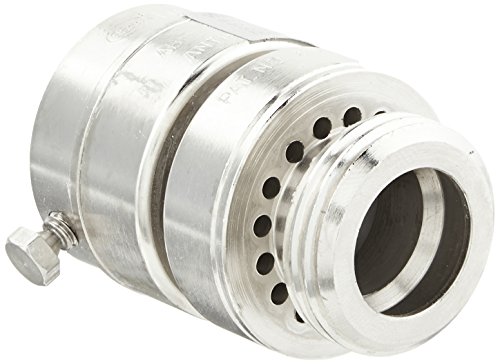
Hose bibb vacuum breakers are common on exterior faucets and utility connections. They’re small, threaded, and often inexpensive compared with larger assemblies. Still, they can leak if the internal seal wears out, debris gets trapped, or freezing weather cracks the body. That little drip may look harmless, but it can signal a worn protective part that deserves attention.
Some systems use specialty vacuum breakers designed for steam, tanks, laboratory fixtures, or process equipment. These aren’t casual swap-in parts because the pressure, temperature, and fluid exposure can vary widely. A plumber or qualified technician usually needs to match the device to the system conditions. The safest move is choosing based on application requirements, not just what fits the threads.
Signs A Vacuum Breaker Needs Attention
Leaking is the sign most people notice first. A vacuum breaker may release a small amount of water during normal operation, but steady dripping is a different story. Mineral buildup, worn seals, stuck internal parts, or pressure issues can all cause trouble. A quick look at the fixture can often reveal corrosion, cracking, or debris around the outlet.
Poor water flow can also point toward a problem, although it’s not always the vacuum breaker’s fault. Sediment may clog screens, fittings, valves, or nearby supply lines. Still, a damaged device can restrict flow if internal parts don’t seat correctly. That’s especially frustrating on irrigation lines, where weak spray patterns can make dry patches show up fast.
Freezing weather is rough on outdoor vacuum breakers. Water trapped inside the device can expand and crack the housing. Once spring arrives, the first hose hookup may bring a leak that wasn’t visible during winter. Protecting exposed fixtures and draining outdoor lines helps preserve backflow protection before cold weather does its thing.
Inspection failures often happen because the wrong type is installed or the device sits in the wrong position. A vacuum breaker hidden below downstream outlets may not work as intended. A non-testable device installed where a testable assembly is required can also create problems. Code details can feel picky, but they exist because water contamination risks don’t care how convenient the installation looks.
Why The Right Installation Matters
A vacuum breaker only protects the system if it’s installed in the correct location. Height, direction of flow, pressure rating, and exposure conditions all matter. A device installed backward or too low may still look fine from a distance while offering weak protection. That’s the sneaky part of plumbing safety: the mistake may stay invisible until pressure changes.
Outdoor faucets are usually straightforward, but even there, small details matter. Some hose bibb vacuum breakers use a set screw to prevent easy removal after installation. That helps keep the protective fitting in place instead of getting unscrewed and tossed into a drawer. For yard cleanup tools that move leaves and dust around, match the job with leaf blower and vacuum under 100 options while keeping hose-connected water systems protected separately.
Irrigation systems need more planning because sprinkler heads may sit higher or lower across the property. The pressure vacuum breaker must be installed above the highest downstream outlet in many setups. That detail can affect where the assembly goes, how it looks, and how easy it is to service. A clean installation balances code compliance, access, freeze protection, and practical yard layout.
Repairs should keep the original purpose intact. Swapping a leaking vacuum breaker for a plain adapter might stop the drip, but it removes the safety function. That tradeoff is a bad bargain because the system may look fixed while losing backflow prevention. A proper replacement keeps the protection in place and avoids turning a small repair into a bigger risk.
What Are Vacuum Breaker Used For During Maintenance
Vacuum breaker maintenance starts with a simple habit: look before the problem gets noisy. A small drip near an outdoor faucet, irrigation valve, or utility sink can point to worn seals, trapped grit, or pressure changes inside the line. Ignoring it may seem harmless at first, but water has a funny way of turning tiny leaks into stained walls, wasted water, or failed inspections. A quick check keeps the device doing its real job: protecting clean water from backflow.
Outdoor hose connections deserve extra attention because they take the most abuse. Hoses get left in planters, buckets, puddles, and lawn treatments, which creates the exact situation a vacuum breaker is meant to control. If the fitting leaks only when the hose is running, the internal washer may be tired or debris may be stuck inside. If it leaks constantly, the shutoff valve, pressure, or the breaker itself may need closer inspection.
Mineral buildup can also make a vacuum breaker act stubborn, especially in areas with hard water. White crust around the outlet, rough threads, or a sticky moving part can stop the device from sealing cleanly. For nearby metal fixtures that also need careful cleanup, restore dull fittings with copper cleaner instead of using harsh scraping that can damage surfaces. Gentle cleaning helps preserve the fitting without turning a maintenance job into a repair bill.
Cold weather is another common troublemaker. Water trapped inside an exterior vacuum breaker can freeze, expand, and crack the body. That damage may stay hidden until the first warm-weather hose hookup sends water spraying from the wrong place. Draining outdoor lines and removing hoses before freezing conditions helps protect backflow prevention parts from seasonal damage.
What Are Vacuum Breaker Used For In Water Safety Checks
Water safety checks often focus on visible leaks, but vacuum breakers solve a quieter problem. They protect against backsiphonage, which can happen when water pressure drops and creates suction inside the supply line. That suction can pull dirty water from a hose, sprinkler head, tank, or cleaning basin back toward potable plumbing. The device breaks that pull by letting in air at the right moment.
Backflow risk is easy to underestimate because the system usually looks normal from the outside. A hose sitting in a bucket of soap may not seem dangerous until the pressure drops. A sprinkler head sitting in wet soil may not raise alarm bells until irrigation water has a path backward. Vacuum breakers exist because everyday setups can create contamination risks without looking dramatic.
Local plumbing codes often require vacuum breakers or other backflow devices in specific locations. Hose bibbs, irrigation systems, commercial sinks, lab fixtures, and chemical dispensers may each have different rules. The device type matters because an atmospheric vacuum breaker, pressure vacuum breaker, and hose bibb vacuum breaker are not interchangeable in every situation. The safest approach is matching the device to the actual hazard, not just the pipe thread.
Inspection problems usually happen for plain reasons: the device is missing, installed too low, installed backward, damaged, or not rated for the job. A pressure vacuum breaker on an irrigation system may need to sit above the highest downstream outlet. A simple hose fitting may not satisfy a higher-risk commercial setup. Getting the placement right protects both water quality and the person responsible for the system.
What Are Vacuum Breaker Used For Around Homes
Home plumbing uses vacuum breakers in places where clean water meets messy reality. Outdoor faucets are the big one because garden hoses wander into soil, pet bowls, kiddie pools, fertilizer mixes, and wash buckets. Without a working vacuum breaker, a pressure drop can pull that mess backward into the supply line. That’s why the small fitting near the spigot matters more than it looks.
Irrigation systems create another common need. Sprinkler heads sit low to the ground, right where dirt, lawn chemicals, insects, and standing water collect. A properly installed vacuum breaker helps keep that water from reversing into the drinking supply. The tradeoff is that the device must be visible, accessible, and installed at the correct height, which may not always blend neatly into the landscape.
Laundry rooms, utility sinks, and mop basins can also involve backflow concerns. These areas often deal with detergents, rinse water, and dirty containers. A vacuum breaker adds a layer of protection where water outlets may sit close to contaminated liquids. For indoor cleanup after plumbing work or muddy foot traffic, keep hard floors tidy with shark vacuum tile options that suit tile surfaces.
Realistic expectations matter here. A vacuum breaker will not fix poor water pressure, remove sediment, or stop every kind of backflow by itself. It is designed mainly to stop vacuum-related reverse flow. For higher-risk systems, another type of backflow prevention assembly may be required instead.
What Are Vacuum Breaker Used For In Repairs
Repair decisions get easier once the purpose is clear. A leaking vacuum breaker should not be replaced with a plain adapter just because the adapter stops the drip. That shortcut removes the protective function and leaves the system exposed to backsiphonage. A proper replacement keeps the same water safety role while solving the leak.
Thread condition should be checked before installing a new device. Damaged threads can cause leaks even when the vacuum breaker itself is fine. Old plumber’s tape, grit, and corrosion can also prevent a clean seal. Taking a few extra minutes to clean the connection helps avoid blaming the wrong part.
Device type should match the system. A hose bibb vacuum breaker belongs on many exterior faucets, while irrigation lines may require a pressure vacuum breaker. Atmospheric vacuum breakers have limits because they are not meant for continuous pressure. Using the wrong style may pass a quick glance but fail during real operation.
Professional help makes sense when the system involves irrigation zones, commercial equipment, boilers, or code-sensitive installations. Those setups can include pressure requirements, height rules, testing needs, and hazard classifications. Guesswork can create leaks or leave the water supply underprotected. A good repair protects the pipe, the fixture, and the people using the water.
What Are Vacuum Breaker Used For Before Problems Spread
Preventive checks save hassle because backflow protection is easiest to manage before contamination is suspected. A homeowner may notice a drip, while a facility manager may notice a failed inspection note. Both situations point to the same idea: the vacuum breaker should be treated as a safety part, not decorative plumbing hardware. Small parts can carry serious responsibility.
Routine visual checks do not need to be complicated. Look for leaks, cracks, corrosion, mineral buildup, missing caps, loose fittings, or strange spraying during use. Listen for odd sputtering if the system has been off for a while. Those little clues can reveal whether the device is still breaking vacuum properly.
System changes can also create new risks. Adding irrigation, attaching chemical sprayers, changing hose setups, or installing commercial equipment may require different protection than the old setup used. A vacuum breaker that was fine for one fixture may not be enough for another. Plumbing safety depends on the current connection, not the way the space used to work.
Clean water protection is the main reason these devices stay relevant. A vacuum breaker helps stop contaminated water from being pulled backward through a cross-connection. It works quietly, usually without attention, until maintenance or pressure problems expose its importance. That quiet reliability is exactly why it belongs in the right place, installed the right way, and checked before trouble spreads.


How to Refinish a Fiberglass Pool

How Do You Keep Raccoons Out of Your Pool?

How to Fix Cyanuric Acid in Your Pool

How to Shape a Pool Cue Tip to Stop Miscues

Best Far Infrared Sauna Sauna Heats: Top Picks of 2026

11 Best Far Infrared Sauna Carbon Fiber Heaters of 2026 For Balanced Full-Body Heat

11 Best Carbon Far Infrared Sauna of 2026 For Even Heat

10 Best Bluetooth Speaker For Sauna of 2026 For Heat and Steam


