Getting a truly sanitary surface on a shared toilet comes down to using a waterproof moisture barrier that shields the front and sides of the rim. That answer only changes if the porcelain is completely dry, where a quick alcohol wipe can also do the job. The thin paper sheets in wall dispensers rarely work because they tear easily and soak up stray droplets like a sponge. True protection requires a physical layer that stops moisture from touching your skin.
What works best depends on how wet the seat is and the shape of the bowl. Standard tissue covers often slide right into large commercial toilets before you can sit down. Wet seats demand a sturdy lined shield that drapes over the edges, while cleaning wipes only help if you let the rim air-dry completely. Here is how to set up a clean barrier in seconds and use public restrooms without worry.

Most seat germs stay on skin until hands touch faces
Public restrooms carry a reputation that makes almost anyone hesitate before sitting down. You walk into an airport, a highway rest stop, or an office building stall, and the first thing you notice is a wet spot or a stray mark on the plastic seat. It is natural to feel uneasy. Most people worry that touching a shared seat will expose them to serious illnesses or skin infections. The reality of bathroom bacteria is much simpler, but it still requires smart personal hygiene.
The vast majority of germs found on toilet seats are common skin bacteria and harmless environmental microbes. You will also find traces of gut bacteria, which get launched into the room whenever an open toilet flushes. Commercial flush valves push water with tremendous pressure. That sudden rush creates a fine mist, often called a toilet plume, that carries microscopic water droplets into the air. These tiny droplets settle on everything nearby, including the seat, the flush handle, the stall walls, and the toilet paper dispenser.
Your body has an incredible defense against these surface microbes: your intact skin. Intact skin acts as an impenetrable shield against most everyday bacteria. Germs sitting on a dry plastic rim cannot crawl through your thighs or infect your body simply by touching your skin. The real danger is spreading germs from seat to hands. When your fingers touch the seat rim, the underside of the lid, or the stall door latch, those germs transfer to your fingertips. If you touch your mouth, rub your eyes, scratch your nose, or pick up a snack before washing your hands, those bacteria find an easy pathway into your system.
The second major problem is the sheer discomfort of sitting on someone else's mess. Even when you know dry bacteria will not pass through skin, sitting on visible droplets or mystery moisture is unpleasant. This disgust causes many people to hover over the bowl instead of sitting down. Hovering strains your pelvic floor, prevents your bladder from emptying completely, and often causes accidental splashing on the seat. That splashing leaves a mess for the next traveler. Solving the problem does not require fear, but it does require a dependable way to keep your skin and clothing completely separated from the rim.
Thin paper covers fail because they soak up wet splashes
Almost every airport and highway rest stop provides a dispenser of thin, single-ply paper seat covers mounted on the stall wall. In theory, these covers offer a quick layer of separation. In everyday practice, standard paper covers fail almost every time you try to use them. Understanding why they fail helps you see why so many people give up on them entirely.
The primary flaw is the material itself. Restroom paper covers are made of very thin, untreated cellulose tissue that absorbs liquid easily. If the person before you left stray water or urine droplets on the rim, standard paper acts like a sponge. The moment the dry sheet touches moisture, it wicks the dirty liquid straight through to the top surface. When you sit down, your body weight presses your skin directly against that wet paper. Instead of protecting you, the soaked sheet sticks to your legs and transfers the dirty fluid right onto your body and clothes.
The physical design of standard paper liners creates just as many headaches. Most models come with a perforated center flap that you must punch out by hand. You are supposed to let this flap hang down into the bowl water so the flush pulls the paper away when you stand up. But in busy restrooms with strong air conditioning or drafty stall doors, that light paper flap catches the breeze. The whole cover flutters, shifts out of place, or slides off the back of the bowl before you can sit down. If the paper tears while you punch out the center, the entire sheet rips down the middle and becomes completely useless.
Because these thin sheets rip and slip so easily, frustrated visitors often build a nest out of standard toilet paper instead. You might drape four or five overlapping strips across the plastic rim to cover every gap. This habit takes several minutes, wastes huge amounts of paper, and clogs commercial toilets. Even worse, loose toilet paper shifts the second you move, exposing your bare skin to the cold rim anyway. A thin paper barrier simply cannot provide peace of mind on a damp public seat.
Wipe the rim first and drape a cover over edges
Setting up a completely clean, dependable barrier takes less than fifteen seconds when you follow a clear routine. You do not need to hover uncomfortably or rush through your visit. Follow these straightforward steps to prepare any public toilet seat safely before you sit down.
- Inspect the stall before you commit. Look closely at the seat, the floor around the base of the toilet, and the paper dispenser. Check that the stall has adequate toilet paper before you lock the door. If the bowl looks heavily soiled or the floor is flooded, step out and choose a cleaner stall.
- Wipe away all standing liquid. Never place any seat cover directly onto pooling water or visible splashes. Take two or three folded squares of toilet paper, or pull a portable sanitizing wipe from your bag. Wipe the plastic rim in a single sweep from the front of the seat toward the back hinges. Drop the used dry paper into the bowl, or drop the sanitizing wipe into the stall trash bin.
- Let the surface air-dry for a moment. If you used an alcohol-based wipe, give the rim five to ten seconds to dry. Alcohol sanitizes surfaces effectively, but it works best when the liquid evaporates naturally. Placing a cover over a wet chemical film can make the cover slide around.
- Unfold and align your protective cover. Open your cover completely and hold it by the outer corners. Lay it flat across the rim, making sure the front overhang hangs down over the front porcelain of the bowl. This front drape is crucial because it keeps your trousers, skirt, or bare legs from brushing against the dirty outside of the toilet bowl.
- Smooth the side flaps over the rim. Gently press the cover down so the side wings drape over the left and right edges. If your cover features adhesive tabs on the underside, peel the paper backing and press them firmly against the dry seat so the cover cannot slide when you sit.
- Sit down comfortably and use the stall. With a secure barrier beneath you, you can sit down naturally. Relaxing your muscles allows your body to empty the bladder completely, preventing discomfort and eliminating the frantic rush of balancing in mid-air.
Taking these simple steps turns a stressful public restroom visit into a predictable, clean routine. You avoid awkward balancing acts and keep your clothes clean, no matter how busy the facility is.
Waterproof lining and wide side drapes provide real protection
Not all protective seat covers work the same way. When you compare an effective modern seat cover to a standard public restroom sheet, the differences come down to dimensions, materials, and stability. Knowing what features to check ensures you pick a solution that truly keeps you safe from damp surfaces.
The single most important feature is a true waterproof lining. While the top layer of an effective cover feels soft against bare skin, the bottom layer must have an impermeable backing. This waterproof lining prevents any liquid from soaking through, even under firm body weight. If a hidden droplet remains on the rim after you wipe it down, the moisture barrier blocks it completely. Your clothing and skin remain dry, clean, and isolated from whatever was on the plastic below.
Size is another critical factor where ordinary liners fall short. Standard commercial toilet bowls come in elongated oval shapes, while standard paper covers are often cut short. An effective cover must be oversized. It should cover the entire seating ring with generous fabric to spare. More importantly, it needs wide side drapes that hang down past the outer edge of the seat. When young children use public toilets, they naturally grip the sides of the bowl with both hands to balance themselves. Oversized side flaps give little hands a clean, sanitary surface to hold, preventing their fingers from touching the porcelain underneath.
In poorly ventilated public stalls or humid home restrooms, damp surfaces can quickly harbor mold along tile corners, where using a proper cleaner for bathroom mold helps maintain clean surfaces, but on the road, your portable barrier is your only line of defense. A quality protective cover acts like an umbrella for the entire fixture. It shields the front, covers the sides, and blocks moisture from every angle, so you never have to guess whether the surface beneath you is truly dry.
- Dual-layer construction: Soft paper or fabric on top for skin comfort, bonded to a solid waterproof bottom film that stops moisture transfer.
- Generous overhang: Extra length at the front to protect dropped clothing, and extra width on the sides to protect wandering hands.
- Pocket-sized packaging: Individually folded and sealed packets that slip into a pocket, purse, backpack, or glove box without picking up dirt.
- Stay-put design: Enough weight or mild adhesive points so stall drafts and shifting clothes do not blow the cover away before you sit down.
Throw lined covers in the trash to avoid clogging pipes
Disposing of a seat cover correctly is just as important as putting it on properly. A frequent mistake travelers make is assuming that every toilet seat cover can be flushed down the drain. Making the wrong choice can cause immediate plumbing backups that flood the stall floor.
Standard tissue liners from wall dispensers are designed to dissolve in water. Their thin paper fibers break apart quickly when submerged, allowing them to flow through commercial drainage pipes without trouble. However, any cover that features a waterproof lining cannot break down in water. The plastic backing or water-resistant film remains solid. If you flush a lined cover, it acts like a plastic bag inside the plumbing. It snags on pipe bends, catches on waste buildup, and can jam commercial sewage pumps.
Always dispose of lined or moisture-resistant covers in the trash. When you stand up, grab the cover by the clean top edges and fold it inward on itself. Folding it inward traps any dampness or surface dirt inside the fold, keeping your fingers clean. Walk the folded sheet over to the sanitary disposal bin mounted on the stall wall, or carry it out to the main trash can near the sinks.
Once the cover is in the trash, complete the process with thorough hand washing. Scrub your hands with warm water and soap for at least twenty seconds, paying special attention to your fingertips, thumbs, and the spaces between your fingers. Use a clean paper towel to dry your hands. If the restroom has manual door handles, use that same paper towel to grasp the handle as you exit, then drop the towel into the bin by the door. This final step prevents spreading germs from seat to hands and keeps your fingers clean after using shared fixtures.
Choose oversized waterproof covers designed for complete rim coverage
Finding the right Cleaners and protective covers for public stalls comes down to choosing the right barrier style for your travel routine. Rather than relying on whatever thin tissue a highway rest stop happens to provide, carrying your own personal covers gives you complete control over sanitation wherever you stop.
When selecting protective covers for your bag, verify the dimensions on the package. You want extra-large dimensions that explicitly cover elongated commercial toilet seats. Look for products that feature complete coverage with deep front and side overhangs. This extra fabric ensures that dangling pants, bag straps, and curious toddler hands never brush against bare porcelain. Check that the packaging specifies an unscented build, which prevents skin irritation for those with sensitive skin.
Packaging style also matters for everyday convenience. Look for covers that come individually wrapped in slim, compact packets. Individually sealed covers stay perfectly clean inside a crowded purse, backpack, diaper bag, or carry-on suitcase until the exact moment you need them. If you travel frequently for work or commute on public transit, smaller multi-packs fit neatly into a jacket pocket. For family road trips or parents managing potty training on the go, larger multi-pack boxes keep your vehicle stocked so you never get caught in an unhygienic roadside stall without a clean barrier.
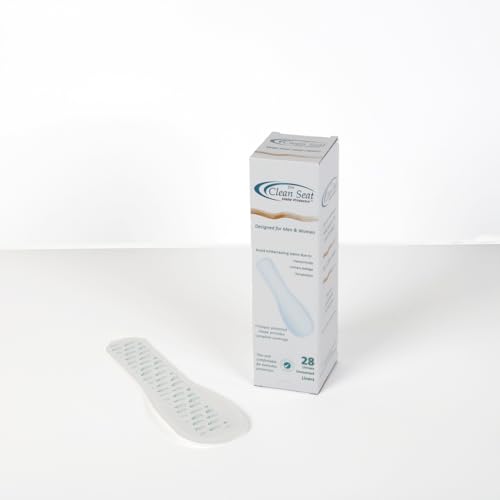
Occasional commuters and travelers wanting a starter pack before committing to a larger quantity.
Key specs
- Cover Count
- 28 individual covers
Pros:
- Single 28-count box lets you carry individual covers without stocking up on bulk quantities
- Unscented material avoids artificial fragrances that can cause skin irritation
- Designed for complete coverage to keep skin and clothes away from bare toilet surfaces
- Sized for unisex use by both men and women across public restrooms
Cons:
- Offers only 28 covers, requiring frequent reordering for regular commuters or large families
- Manufacturer does not state exact dimensions, so check coverage on unusually large commercial bowls
- Packaging does not specify whether the covers are flushable or must be placed in the trash

Requires dedicated shelf or closet space to store a full case of 12 individual boxes.
Key specs
- Total Package Volume
- 12 boxes (336 total covers)
Pros:
- Large 12-box case pack provides 336 total covers for long-term supplies or high-traffic needs
- Bundled into 28-count boxes that make it easy to distribute packs among multiple bags or vehicles
- Offers the highest total volume of covers among all available package options
Cons:
- Large 12-box bundle requires dedicated cabinet or closet storage space at home or work
- Listing does not confirm if covers are unscented like the smaller multi-packs
- High upfront volume may exceed the needs of an occasional solo traveler

Ideal for family vacations or frequent travelers wanting several months of restroom protection.
Key specs
- Pack Configuration
- 4 boxes (112 total covers)
Pros:
- Four-box bundle supplies 112 total covers to easily stock multiple travel bags or family members
- Unscented construction eliminates added perfumes that could irritate sensitive skin
- Complete coverage design shields clothing and legs from contact with public toilet rims
- Provides a practical middle ground between a single starter box and a full commercial case
Cons:
- Four separate boxes take up more luggage space than keeping a single 28-pack on hand
- Listing does not state whether the material can be safely flushed in commercial plumbing

Convenient two-box count lets you keep one pack in a vehicle glove compartment and another in a backpack.
Pros:
- Dual 28-pack setup provides 56 covers, ideal for splitting between a daily commuter bag and a carry-on
- Unscented design prevents unnecessary contact with artificial scents or perfumes
- Unisex sizing accommodates both men and women across various standard restroom toilets
Cons:
- Supplies only 56 total covers, which may run out quickly on extended family trips
- Listing does not specify sheet dimensions or drape length for elongated commercial seats
- Manufacturer does not clarify whether disposal requires a trash bin or allows flushing
Last update on 2026-10-28 / Affiliate links / Images, Product Titles, and Product Highlights from Amazon Product Advertising API