
Check the kinds of stains sitting in the laundry basket before swapping out a traditional detergent. These low-waste alternatives lift everyday dirt and odors well, giving clothes a fresh feel without harsh additives. Typical sweat and day-to-day dust wash away easily, though heavy motor oil, kitchen grease, or ground-in yard mud will still need spot treatment before hitting the wash cycle.
A few household details determine whether this switch will feel seamless. Water temperature matters because cold cycles require loading dissolvable sheets under the clothes so they melt fully without leaving gummy spots. Wash loads packed with thick outdoor grime need extra attention, while sensitive skin often does best with plain, unscented versions. Understanding how these gentle formulas behave helps you choose the right format for your weekly wash.

What The Clean People Brand Brings to the Laundry Room
Big plastic laundry jugs create clutter in small utility rooms and leave behind sticky messes around the cap. Most commercial liquid soaps contain up to ninety percent water, which means you pay to ship heavy plastic jugs that often end up in landfills. The Clean People built their cleaning line around low-waste alternatives designed to cut out unnecessary plastic while keeping laundry simple.
Their lineup focuses on three primary laundry formats: detergent sheets, detergent pods, and ultra-concentrated liquid soap. All of these options arrive in recyclable packaging rather than heavy plastic containers. The laundry detergent sheets come in lightweight cardboard packaging with options like a 32-pack for smaller spaces or a 96-pack for busy households. Both sizes feature a clean fresh scent and dissolve directly in the wash drum.
For households that prefer single-dose options, the brand makes laundry detergent pods in a 96-pack box. These pods use a hypoallergenic formula blended to avoid skin irritation, offering pre-measured convenience without synthetic dyes. For shoppers who still prefer liquid soap for hand washing or spot treatments, their ultra-concentrated fresh scent liquid detergent comes in a 50 fluid ounce container that provides up to 200 loads.
At the center of these cleaners are plant-based cleansers, also called surfactants. Surfactants are plant-based cleansers that lift dirt from fabric weave by breaking the surface tension of water. When the surface tension drops, water can penetrate deep into clothing fibers, loosen grime, and carry it away during the drain cycle. This approach provides a dependable clean for regular daily laundry while eliminating the bulk and plastic waste of traditional jugs.
Real Cleaning Power: Everyday Laundry Versus Tough Stains
Switching to an eco-friendly cleaner often brings up one big worry: will it actually clean dirty clothes, or will it leave behind musty odors and gray fabric? For normal everyday loads, plant-based cleansers handle the job with ease. Daily sweat, office wear, bed sheets, and casual clothes wash clean without any trouble. Because the formula rinses out cleanly, clothes dry soft instead of feeling stiff from detergent residue.
Workout clothes and bath towels also benefit from this cleaner. Traditional detergents often use artificial scents and optical brighteners that coat fabric fibers. Over time, that synthetic coating traps bacteria, causing gym shirts to smell funky the moment you start sweating again. Low-waste plant formulas wash away completely, leaving fabrics fresh rather than simply masked by heavy artificial perfumes.
Heavy messes and deep stains require a different strategy. Plant-based laundry detergents do not rely on harsh bleaching agents or caustic chemicals. Because of this gentle approach, heavily soiled work pants, thick kitchen grease, and ground-in red clay will not always vanish in a standard quick wash. You need to give the cleansers time to work, or use targeted stain treatments before running the cycle.
For protein messes, food spills, or pet accidents on blankets, pre-treating makes all the difference. When dealing with difficult organic messes, applying an enzyme cleaner to break down organic stains and odors before washing lifts stubborn marks that detergent alone cannot dissolve. Enzyme cleaners use natural proteins to break down and digest organic matter deep in the fibers. Always give your stain spray adequate soak time, which means letting the wet spray sit on the surface so it can dissolve the mess before wiping or tossing it into the washer. For delicate fabrics, do a quick color check on a hidden spot first to confirm the dye will not run.
Skin Sensitivity, Septic Safety, and Ingredient Checks
Skin irritation is one of the most common reasons people leave conventional detergents behind. Commercial soaps frequently contain artificial dyes, harsh chemical brighteners, and intense synthetic fragrances. These additives do not make your clothes any cleaner; they simply deposit a chemical layer onto the threads to trick the eye into seeing brighter whites. For people with eczema, allergies, or sensitive baby skin, that leftover chemical layer often triggers itching, redness, and dry patches.
The Clean People products use formulas that are hypoallergenic, which means they are blended to avoid skin irritation. By leaving out synthetic dyes and harsh optical brighteners, the soap rinses away during the cycle rather than clinging to your bedsheets and underwear. Even with their fresh scent versions, the fragrance levels remain subtle to minimize the risk of contact rashes.
Plumbing health is another major benefit of mild, plant-derived ingredients. Standard chemical detergents can disrupt the balance inside septic tanks by killing off the beneficial bacteria needed to break down household waste. Plant-based cleansers break down naturally in water systems, making them safe for septic fields and municipal pipes alike. They are also HE compatible, meaning they are safe for high-efficiency washers that use minimal water. High-efficiency machines need low-sudsing soaps, because excessive foam can trap dirt against clothes and cause smelly mildew growth inside front-load door gaskets.
Before switching detergents, run through this simple checklist to protect your clothes and sensitive skin:
- Verify that the formula skips synthetic dyes and chemical brighteners that linger in fabric threads.
- Check whether your household needs a fragrance-free option or if a mild fresh scent feels comfortable on your skin.
- Confirm the product label states it is safe for high-efficiency machines so it produces low foam.
- Ensure the ingredients break down naturally to protect your septic tank bacteria and home plumbing.
- Inspect your washer settings to make sure your machine runs a complete rinse cycle for thick items.
Step-by-Step: How to Dissolve Detergent Sheets Without Residue
The most frequent complaint with laundry sheets across any brand is gummy residue left behind on dark clothing or stuck to the door gasket. This problem almost never happens because of the formula itself. Instead, it happens when the sheet gets trapped between dry garments where water cannot reach it quickly. In cold water washes, a tightly folded sheet can turn into a sticky clump if it does not dissolve during the initial fill.
Dissolving laundry sheets completely takes just a few adjustments to how you load your washing machine. Follow these steps for clean results without any sticky residue:
- Place the sheet flat at the bottom of the empty drum before you put any clothing inside the washer. Putting the sheet underneath ensures it gets soaked immediately when the water begins filling the machine.
- Tear the sheet into two or three smaller strips if you are running a cold water cycle or a quick wash. Smaller pieces have more surface area, allowing cold water to dissolve the plant cleansers in seconds.
- Keep the detergent sheet out of the slide-out dispensing drawer. Those small compartments are built for liquids and fine powders, and a sheet will get stuck against the plastic walls and turn gummy.
- Load your garments loosely around the drum rather than packing clothes tightly into a dense ball. Water needs room to circulate freely around every fabric layer so the cleanser distributes evenly.
- Select an extra rinse cycle if you have hard household water or wash heavy items like denim jeans and thick bath towels. Hard water minerals can slow down the rinsing process, so extra water ensures fabrics rinse clean.
Once the cycle finishes, take a quick moment to verify your dark laundry. Run your hand over a pair of black pants or dark shirts to ensure the fabric feels soft and matte rather than slick or stiff. If you notice any small white speck, simply dab it with a damp microfiber cloth and it will dissolve immediately in clean water.
Choosing the Right Detergent Format for Your Wash Routine
Selecting the best laundry format comes down to how your household washes clothes, how much storage room you have, and how you prefer to measure soap. Compact sheet detergents work wonders for small apartments, tiny laundry closets, dorm rooms, and frequent travelers. They weigh almost nothing, slip easily into a drawer, and eliminate the risk of sticky soap spills on laundry shelves.
Detergent pods offer maximum speed and convenience for busy families. With pods, you never have to guess how many sheets to tear or how much liquid to pour into a measuring cap. You simply drop a pod into the drum, toss your clothes on top, and start the machine. Pods work especially well for medium to large loads where you want consistent cleaning strength every single time.
Liquid detergents remain the most flexible option for homes with variable laundry needs. A concentrated liquid lets you measure exact amounts, whether you need just a teaspoon to hand-wash a delicate blouse in the sink or a full cap for heavily soiled bedding. When deciding on any low-waste laundry soap, look closely at the load count listed on the package, check that the container uses recyclable materials, and verify that the formula matches your washer type.

Suits shoppers who want drop-in convenience and a formula blended to minimize skin reactions on normal laundry loads.
Key specs
- Hypoallergenic Formula
- Yes
- Detergent Format
- Pre-measured pods (96 count)
Pros:
- Hypoallergenic formula helps prevent skin irritation while washing everyday clothes
- Pre-measured pods prevent over-pouring and messy detergent spills around the washer
- Bulk 96-pack provides enough pods for months of regular family laundry loads
- Packaged in recyclable materials to reduce plastic waste compared to standard jugs
Cons:
- Pre-measured pod sizing means you cannot divide a dose for small or delicate loads
- Fresh Scent formula may not suit households wanting completely fragrance-free laundry
- Listing does not state whether outer pod film dissolves fully in very cold wash cycles

Sheets can be torn in half for light loads or doubled for heavy wash cycles without dealing with sticky measuring cups.
Key specs
- Storage Footprint
- Compact recyclable box (96 sheets)
Pros:
- Lightweight detergent sheets eliminate heavy plastic jugs and leaky pour spouts
- Easy to tear in half to customize dosing for small loads or hand washing
- Recyclable packaging takes up minimal cabinet or laundry shelf storage space
- Large 96-pack handles high laundry volume with zero sticky residue on the counter
Cons:
- Requires direct water flow when loading to ensure sheets dissolve without gummy spots
- Listing does not specify hypoallergenic certification unlike the pod alternative
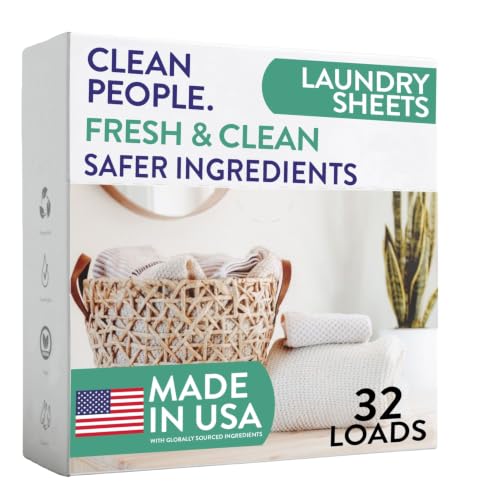
Designed for small living spaces, laundromat runs, or trying eco-friendly sheets before buying in bulk.
Key specs
- Portability
- 32-sheet travel-friendly pack
Pros:
- Compact 32-pack slips easily into luggage, RV storage nooks, or dorm cabinets
- Ultra-concentrated sheet format eliminates liquid spills and heavy lifting
- Perforations allow tearing sheets into smaller doses for mini wash loads
- Recyclable cardboard packaging eliminates bulky single-use plastic bottles
Cons:
- Smaller 32-count supply requires frequent reordering for multi-person households
- Fresh Scent is the only fragrance option listed in this 32-sheet package

The liquid formula can be poured straight onto stubborn collar rings or food spots prior to washing.
Key specs
- Container Size
- 50 fl oz concentrated bottle
Pros:
- Liquid formula dissolves instantly across all wash temperatures without residue
- Allows direct application onto fabric stains for quick spot pre-treatment
- Ultra-concentrated stain-fighting blend cleans without needing oversized doses
- Ships in recyclable packaging to reduce waste compared to standard plastic jugs
Cons:
- Pour bottle is heavier and bulkier to store than compact detergent sheets
- Manual pouring cap can leave sticky liquid drips along the bottle neck

Liquid detergent mixes immediately with cold water, avoiding the dissolving concerns of solid formats.
Key specs
- Load Capacity
- 200 laundry loads
Pros:
- High-capacity 200-load volume reduces ordering frequency for busy households
- Liquid disperses quickly in cold water to prevent detergent residue on dark fabrics
- Concentrated liquid can be dabbed straight onto greasy or muddy spots before washing
- Recyclable container minimizes overall container waste across 200 laundry loads
Cons:
- Large 200-load container is heavy to lift and maneuver when pouring each load
- Pre-set Fresh Scent aroma may be unwanted for users needing unscented cleaning
Last update on 2026-10-27 / Affiliate links / Images, Product Titles, and Product Highlights from Amazon Product Advertising API
FAQs
Do detergent sheets dissolve properly in cold water cycles?
Yes, detergent sheets dissolve in cold water when loaded correctly into the machine drum. Tearing the sheet into smaller strips before placing it under your clothes helps cold water break it down faster. Never place detergent sheets inside a sliding dispenser drawer, where low water flow can leave gummy residue.
Are eco-friendly laundry pods safe for septic tanks and city plumbing?
Plant-based laundry pods break down safely without harming the beneficial bacteria in your septic tank. Because they avoid harsh bleaches and heavy fillers, they dissolve completely in water and rinse cleanly through home drain lines. Always store pods in a dry location to prevent the dissolvable outer film from softening before use.
How do you remove an old food stain using low-waste laundry detergents?
Old food stains usually require direct pre-treating before you run a full wash cycle. Wet the stained fabric with warm water, rub a small piece of a dissolved detergent sheet or a drop of concentrated liquid directly into the mark, and let it sit for twenty minutes. Wash the item in warm water and check the spot before putting the clothing into the dryer.




