
Most shoppers assume that sleek cordless sticks and bagless dust bins are the most dependable cleaners you can buy today. In reality, simple corded bagged vacuums last the longest, while rechargeable and bagless models break down the fastest. Trapping dirt inside a sealed bag protects the motor from fine, abrasive dust. Bagless plastic cups, by contrast, frequently let grit escape into the motor, causing it to overheat and fail prematurely.
Longevity really comes down to the power source, the filtering method, and how easily you can swap worn parts at home. Wall cords last for decades, but lithium battery packs often fade after just two or three years of regular chores. Machines with easy-to-reach belts and brush rollers are also much simpler to maintain without special tools. Here is how each major design holds up over time so you can choose a cleaner built to last.

The Short Version
- Bagged corded vacuums last longest: Sealed bags trap abrasive grit before it reaches the fan, allowing corded canisters and uprights to run for a decade or more.
- Cordless sticks quit earliest: Lithium batteries lose runtime within two to four years, and fast-spinning motors produce intense heat in tiny housings.
- Bagless cups need constant care: When fine dust slips past the plastic cyclones, it chokes filters and starves the motor of cooling airflow.
- Replaceable parts save money: Machines with accessible drive belts, standard filters, and physical switches avoid premature replacement over simple wear.
Comparing Vacuum Styles: What Lasts and What Quits Early
Vacuum lifespan comes down to airflow paths, mechanical simplicity, and the power source. Some designs clean carpets for fifteen years, while others head to the landfill before their second anniversary. Knowing how each style handles dirt and heat helps you pick a machine that avoids an early death.
Corded bagged canisters and uprights sit at the top of the durability scale. Air pulls dirt directly into a sealed paper or cloth bag, which traps abrasive grit, hair, and dust before anything touches the motor. Because the motor stays clean, the internal bearings stay smooth. Wall cords deliver steady electrical current without the chemical breakdown that ruins rechargeable batteries.
Bagless upright vacuums land in the middle. They eliminate the cost of bags, but they introduce mechanical weak points. They rely on rubber gaskets to keep dirt cups airtight. Over time, vibration and grit dry out those seals, causing suction leaks. Fine powder also sneaks past the collection cup, requiring you to wash internal filters frequently to keep the motor from running hot.
Cordless stick vacuums break down faster than any other vacuum category. While convenient for quick messes, their compact build works against them. Rechargeable lithium batteries degrade with every charge, usually losing significant run time after two to four years. Their motors spin at high speeds inside small plastic shells, creating concentrated heat that stresses internal circuits. Delicate plastic latches also snap easily under daily use.
Compact 3-in-1 corded stick cleaners work well for quick kitchen sweeps or dorm rooms, but they cannot handle heavy carpet duty. Their small suction paths and modest motors struggle under thick rugs, leading to early burnout if used as a primary household cleaner.
Why Bagless Dirt Bins and Battery Packs Fail Prematurely
Most modern vacuums that land in the trash break down because of two design choices: bagless dirt separation and rechargeable lithium battery packs.
In a bagless vacuum, incoming air swirls through a cyclone (a plastic cone that spins dirt inside a bagless bin). Centrifugal force throws heavy debris against the outer wall, dropping it into the cup. But fine powder like flour, pet dander, and drywall dust does not drop. It floats straight up through the cyclone and cakes onto the pre-motor filter.
When that filter cakes with fine powder, airflow drops sharply. That drop in airflow creates serious danger because vacuum motors rely on incoming air to cool themselves. As airflow chokes off, internal temperatures spike. The impeller (the internal spinning fan blade that pulls suction) works harder against the resistance. This extra drag heats the motor windings until a thermal cutoff (a safety switch that shuts down an overheating motor) trips. If this safety switch trips repeatedly, the heat cooks the motor insulation, causing permanent failure.
Rechargeable batteries face similar heat problems. Cordless vacuums draw heavy power in short bursts, especially on maximum suction settings. This high electrical draw generates intense internal heat. Over several hundred charge cycles, the lithium cells lose their capacity. Once runtime drops to three or four minutes, the machine becomes useless. On many stick models, the battery is sealed inside the handle, making replacement costly or impossible without special tools.
Build Features That Signal a Machine Made to Last
When shopping for a replacement vacuum, flashy styling and digital screens often distract from poor build quality. Focus on mechanical simplicity and user-serviceable parts instead. A dependable machine displays several clear traits:
- Easy access to the brush roll: Look for a baseplate held by simple screws or quick-release tabs. A brush roll (the spinning bristle bar that sweeps carpets) collects hair and string. If you cannot open the bottom cover in two minutes to clear hair or swap the belt, the roller bearings will seize up.
- A brush roll shutoff switch: A manual switch or pedal that stops the brush roll protects drive belts from burning on hard floors and stops motor strain if a rug fringe snags.
- Mechanical switches over touchscreens: Sturdy foot pedals and physical rocker switches outlast digital touchpads. Vacuuming creates constant vibration, which simple mechanical switches handle far better than delicate circuit boards.
- Standard replacement parts: Check whether replacement drive belts, filters, and collection bags are standard sizes sold in multi-packs. If a machine uses proprietary, hard-to-find parts, keeping it running becomes expensive.
- Thick, durable housing plastic: Rigid, brittle plastic cracks when bumped against baseboards. Sturdy ABS plastic absorbs knocks without snapping internal mounting tabs.
Routine Habits That Stop Clogs and Prevent Motor Burnout
Even a well-built vacuum will quit early if it is starved of cooling air. Practicing a few simple maintenance habits keeps suction strong and stops heat from destroying internal components:
- Empty bins or swap bags before they pack full. Replace bags when they are two-thirds full. As dirt packs tightly, it restricts airflow long before the bag feels completely stuffed. For bagless cups, dump the dirt after every cleaning session.
- Wash foam filters and dry them completely. Rinse washable filters under cold water until it runs clear. Never use soap, and let filters air dry for at least 24 hours. Pulling damp air into a dry household vacuum introduces moisture to the motor, which ruins bearings and causes mold.
- Clear wrapped hair off the roller bar monthly. Slice wrapped threads and hair off the brush roll with scissors. When hair packs around the end caps, friction melts the plastic casing and snaps the drive belt.
- Check hoses for hidden blockages. If suction drops, disconnect the hose and check for lodged debris. Much like clearing out laundry ducts using kits designed for cleaning dryer vents, keeping vacuum hoses open prevents hot air from backing up into the motor compartment.
- Never vacuum damp spills or liquids with a dry vacuum. Household upright and canister cleaners are strictly dry tools. Sucking up wet messes turns dust inside the tubes into thick sludge, coats the impeller, and can cause electrical shorts.
When to Repair a Vacuum Versus Tossing It Out
When a vacuum stops working, you do not always need to replace it. Many common problems cost under fifteen dollars and take ten minutes to resolve with basic tools.
Snap-on drive belts, jammed roller bars, and clogged suction hoses are straightforward DIY repairs. If the motor runs loudly but the brush roll does not spin, the rubber belt has simply stretched or snapped. You can buy replacement belts online or at hardware stores, remove the bottom plate with a screwdriver, and loop the new belt around the motor shaft in minutes. If the machine cuts off during use, check for clogs and clean the filters. Once the internal safety switch cools down for forty-five minutes, the motor usually starts right back up.
Other problems signal that the machine has reached the end of the road. If you smell burning electrical plastic, see sparks, or hear a high-pitched grinding screech, the motor bearings or fan blades have failed. Buying a replacement motor and paying for labor usually costs more than the vacuum is worth. Similarly, if an older cordless vacuum needs a replacement battery that costs more than half the price of a new unit, buying a fresh machine makes better financial sense.
What to Look for in a Dependable Vacuum Cleaner
To avoid frequent breakdowns, focus on mechanical simplicity. Dependable cleaning machines prioritize direct airflow paths over high-tech gadgets. Look for corded upright or canister cleaners that use well-sealed filtration bags. These designs capture grit before it ever touches moving parts, keeping suction strong and extending the life of the internal fan.
Check the bottom baseplate and brush housing to confirm you can easily remove the cover to clear hair or swap a belt. Choose models with crush-resistant hoses, sturdy latches, and standard wand attachments. A solid power cord delivers steady suction for whole-room cleaning without the battery degradation that cuts cordless cleaners short.
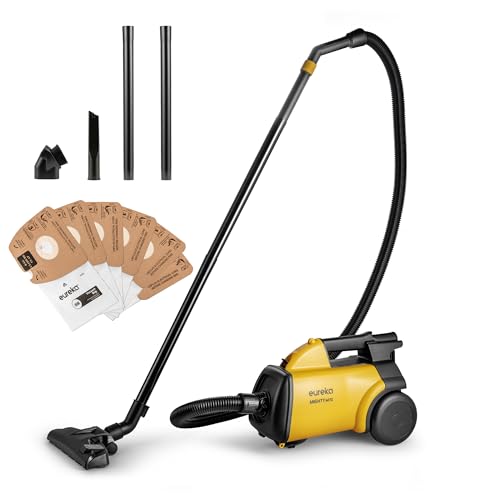
Dust bag capacity is up to 2.5 liters. Lightweight & Lifetable Conveniently: The lightweight vacuum cleaner weights 8.6lbs. Allows you to carry it around the whole house.1200 watts. Specific uses: Carpet, Stair, Upholstery, Car, FloorWhole Home Cleaning: The lightweight vacuum cleaner weights 8.6 lb
Key specs
- Debris Containment
- Sealed Bag System (5 Included)
- Surface Versatility
- The canister body glides across hard floors and carpets without the complex rotating brush heads that often jam on thick debris.
Pros:
- Sealed disposable bags capture dust before it reaches the motor compartment
- Includes 5 replacement bags right in the box for immediate use
- Canister format moves easily across both bare hard floors and rugs
- Lightweight body makes carrying the canister between rooms straightforward
Cons:
- Ongoing cost and upkeep required to purchase replacement bags over time
- Specific cord length is unlisted and must be confirmed for larger rooms

LIFT-AWAY FUNCTIONALITY: lift away the detachable pod and easily clean above-floor areas like stairs, furniture, and more.ANTI-ALLERGEN COMPLETE SEAL TECHNOLOGY: Works with a HEPA filter to trap dust and allergens inside the vacuum cleaner.POWERFUL & LIGHTWEIGHT : Powerful suction to deep-clean carp
Key specs
- Filtration System
- HEPA with Anti-Allergen Seal
- Above-Floor Cleaning
- Detachable Lift-Away canister for stairs
- Wide upholstery tool for furniture
- Crevice tool for baseboards and tight gaps
Pros:
- HEPA filtration and Anti-Allergen Technology trap fine dust and airborne particles
- Lift-Away canister detaches to clean stairs and elevated surfaces easily
- Swivel steering allows responsive maneuvering around tight furniture corners
- Comes with dedicated wide upholstery and crevice cleaning attachments
Cons:
- Multi-joint Lift-Away latching mechanisms introduce more potential wear points
- Bagless design requires frequent filter rinsing to prevent fine dust buildup

Quick release handle for effortless above floor cleaning. Attach the crevice tool or dusting brush to the end of the handle for cleaning upholstery, windows and other hard to reach places.700.0 watts.Specific uses:hard floor,carpet,dual actionPowerful all floor suction extracts dirt and hair from ha
Key specs
- Form Factor
- Compact Bagless Upright
- Maintenance Demand
- Because fine dust collects directly inside the bagless cup, the internal filter must be tapped out regularly to keep the motor from overheating.
Pros:
- Ultra-lightweight upright frame reduces user fatigue during everyday cleaning
- Compact profile stores easily in narrow utility closets and tight spaces
- Bagless dust bin eliminates the recurring expense of replacement bags
Cons:
- Compact bagless cup requires frequent emptying to keep airflow moving freely
- Exact cord length and motor wattage are unlisted and require verification
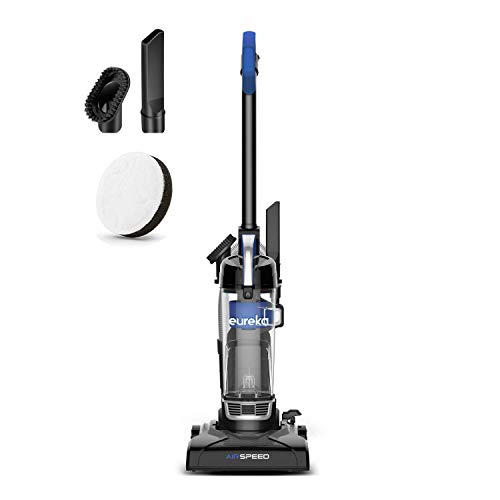
POWERFUL ALL FLOOR SUCTION: The Eureka NEU10AE5 upright vacuum cleaner effortlessly extracts dirt and hair from hard floors and carpets ease. The 10.5” wide cleaning path of this household vacuum cleaner helps cleaning larger areas quickly and with ease.QUICK RELEASE HANDLE FOR ABOVE FLOOR CLEANING:
Key specs
- Included Spares
- Extra Replacement Filter
- Floor Coverage
- Configured to vacuum both carpets and bare floors, though maintaining clean filters is crucial to prevent suction drop-off over time.
Pros:
- Includes a spare replacement filter to minimize downtime between washes
- Ultra-lightweight build handles both carpeted areas and hard floor surfaces
- AirSpeed upright configuration delivers direct suction across floor surfaces
Cons:
- Bagless system requires routine filter care to maintain consistent airflow
- Dust cup capacity is unlisted and will need frequent emptying during big jobs
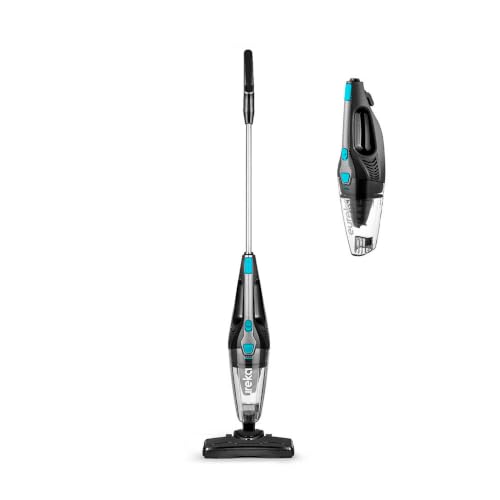
3 in 1 design with onboard crevice tool allows you to customize your vacuum for your needs. At only 4 pounds, you can take the Eureka blaze anywhere.240.0 watts.Specific uses:hard floor,carpet,dual actionEureka's signature swivel steering improves maneuverability and cleaning efficiency when compare
Key specs
- Operating Modes
- Full-length stick vacuum for floors
- Handheld vacuum for quick messes
- Stair cleaner configuration
- Steering Flexibility
- Swivel Steering Base
Pros:
- Converts into three configurations including stick vacuum and handheld mode
- Swivel steering mechanism navigates cleanly around table legs and cabinets
- Minimal mechanical complexity reduces heavy internal parts that can fail
Cons:
- Slender stick frame is built for quick pickups rather than wall-to-wall carpets
- Small dust reservoir fills quickly and requires immediate emptying
Last update on 2026-10-16 / Affiliate links / Images, Product Titles, and Product Highlights from Amazon Product Advertising API
FAQs
How many years should a dependable vacuum cleaner last?
A well-built corded bagged vacuum cleaner typically lasts between eight and fifteen years with routine belt changes and clean bags. Bagless uprights usually last between four and seven years because fine dust wears down internal seals. Cordless stick vacuums generally last two to four years before their rechargeable batteries degrade.
Can a cordless stick vacuum serve as the only vacuum in a home?
Cordless stick vacuums work well as secondary tools for quick kitchen cleanups or small apartments with hard floors. However, they lack the sustained power and dust capacity needed for deep carpet cleaning across a whole house. Relying on a cordless stick as your only cleaner also strains the battery, leading to early failure.
Why does a vacuum lose suction even when the dust bin is empty?
Suction loss usually points to a clogged pre-motor filter or a blockage trapped in the hose elbow. Fine dust cakes onto washable filters and chokes off air movement even when the plastic cup is completely empty. Hair, pet fur, and paper scraps can also lodge in the lower duct near the floor nozzle.
Is a bagged vacuum really better for motor life than a bagless model?
Yes, bagged vacuums protect internal motors far better than bagless systems. The multi-layer paper or synthetic bag serves as a massive primary filter, trapping fine dust before air passes near the motor fan. In bagless models, fine grit frequently slips past the cyclone cones and coats internal parts.




