
Is It Safe to Use Ear Wax Vacuum? What Matters Most

Is it safe to use ear wax vacuum is a question that pops up the moment people see one of these compact devices advertised as a quick fix for blocked ears. Earwax can be surprisingly frustrating. Muffled hearing, a feeling of pressure, and the constant urge to clean deeper often push people toward solutions that promise immediate results. Still, the ear is a delicate part of the body, and even a small mistake can create discomfort that lingers far longer than the original wax buildup.
Many people assume suction automatically means a safer alternative to cotton swabs. That assumption isn't always accurate. The safety of an ear wax vacuum depends on factors such as suction strength, device quality, proper technique, and the condition of the ear itself. A device that works gently for one person may cause irritation for another, especially if the ear canal is sensitive or already inflamed.
Marketing claims often focus on convenience, but convenience doesn't guarantee safety. Some individuals expect large amounts of wax to come out instantly and become disappointed when results are minimal. Others continue using the device repeatedly, hoping for better results, which may increase the risk of irritation. Patience and realistic expectations play a bigger role than most advertisements suggest.
Doctors generally agree that earwax serves an important purpose. It traps dust, debris, and tiny particles before they travel deeper into the ear canal. That's why removing every bit of wax isn't the goal. The real objective is maintaining a healthy balance while avoiding actions that push wax farther inside or damage the skin lining the ear.
Another common concern revolves around hearing changes. A sudden sensation of blockage can make anyone uneasy. Yet that feeling isn't always caused by excess wax. Allergies, sinus congestion, fluid buildup, or other ear conditions can create similar symptoms. Using an ear wax vacuum without knowing the underlying cause may not solve the problem and could delay proper care.
Safe usage habits make a substantial difference. Reading instructions carefully, avoiding excessive pressure, and stopping immediately if pain occurs are practical steps that reduce risk. Even then, people with ear infections, perforated eardrums, ear tubes, or recent ear surgery should avoid self-treatment unless advised by a medical professional.
Curiosity often drives people to try these devices after seeing dramatic online demonstrations. Real-world results tend to be less dramatic. Ear wax vacuums may remove loose wax near the outer canal, but they usually aren't designed to extract hardened blockages lodged deeper inside. That's where unrealistic expectations can create frustration and lead to overuse.
Is it safe to use ear wax vacuum ultimately depends on how, when, and why it's used. A carefully designed device operated according to instructions may present a lower risk than inserting objects into the ear canal. At the same time, no home-cleaning method is completely risk-free. Understanding both the benefits and limitations helps people make better decisions and avoid turning a minor earwax issue into a bigger problem.

- VC Score10.0
BCP Score is a ranking system developed by bestcleanerproducts.com. BCP Score has no relationship or impact from any manufacturers or sales agent websites. Learn more
- BrandTRUSTV

- VC Score10.0
BCP Score is a ranking system developed by bestcleanerproducts.com. BCP Score has no relationship or impact from any manufacturers or sales agent websites. Learn more
- BrandTEADZ

- VC Score10.0
BCP Score is a ranking system developed by bestcleanerproducts.com. BCP Score has no relationship or impact from any manufacturers or sales agent websites. Learn more
- BrandJICICUXI

- VC Score10.0
BCP Score is a ranking system developed by bestcleanerproducts.com. BCP Score has no relationship or impact from any manufacturers or sales agent websites. Learn more
- BrandTEADZ

- VC Score10.0
BCP Score is a ranking system developed by bestcleanerproducts.com. BCP Score has no relationship or impact from any manufacturers or sales agent websites. Learn more
- Brandyakbio

- VC Score9.4
BCP Score is a ranking system developed by bestcleanerproducts.com. BCP Score has no relationship or impact from any manufacturers or sales agent websites. Learn more
- BrandGywwn
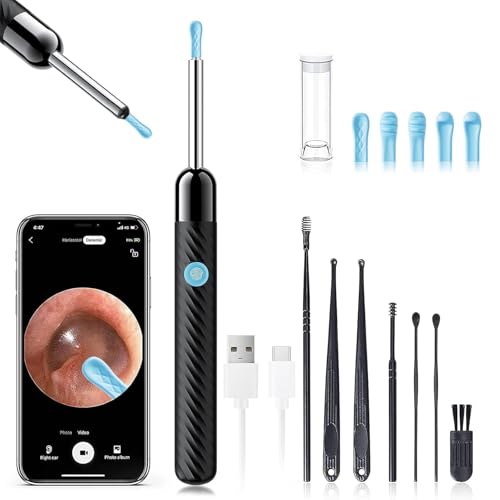
- VC Score8.6
BCP Score is a ranking system developed by bestcleanerproducts.com. BCP Score has no relationship or impact from any manufacturers or sales agent websites. Learn more
- BrandLEIPUT

- VC Score8.6
BCP Score is a ranking system developed by bestcleanerproducts.com. BCP Score has no relationship or impact from any manufacturers or sales agent websites. Learn more
- BrandKAUGIC

- VC Score8.4
BCP Score is a ranking system developed by bestcleanerproducts.com. BCP Score has no relationship or impact from any manufacturers or sales agent websites. Learn more
- BrandFlaoAito

- VC Score8.2
BCP Score is a ranking system developed by bestcleanerproducts.com. BCP Score has no relationship or impact from any manufacturers or sales agent websites. Learn more
- BrandTRUSTV

- VC Score7.8
BCP Score is a ranking system developed by bestcleanerproducts.com. BCP Score has no relationship or impact from any manufacturers or sales agent websites. Learn more
- BrandSTYNGT
Last update on 2026-06-28 / Affiliate links / Images, Product Titles, and Product Highlights from Amazon Product Advertising API
Is It Safe To Use Ear Wax Vacuum At Home
A blocked ear can make normal life feel oddly annoying. Sounds turn dull, your own voice echoes in your head, and the temptation to grab a gadget gets real fast. That is where is it safe to use ear wax vacuum becomes more than a curious search phrase because the wrong move near the ear canal can turn a small wax problem into pain, ringing, or irritation. The safer path starts with knowing what these devices can do, what they cannot do, and when the ear needs a trained set of eyes instead of another home tool.
Ear Wax Vacuum
Earwax gets a bad reputation, but it is not trash sitting in your ear for no reason. It helps trap dust, slows down debris, and protects the skin inside the canal from drying out. The ear also has its own cleaning rhythm, with wax slowly moving outward instead of staying buried forever. Trouble starts when wax hardens, stacks up, or gets shoved deeper by overzealous cleaning.
The real question is not whether wax should exist. The better question is whether your symptoms actually come from wax. Ear fullness, muffled hearing, itching, ringing, dizziness, and discomfort can happen with wax buildup, but they can also show up with infection, fluid behind the eardrum, allergies, or sudden hearing issues. That overlap matters because a home vacuum cannot tell the difference. Guessing wrong can waste time and make the ear angrier.
Medical guidance usually separates simple wax care from true cerumen impaction. Impaction means wax is causing symptoms or blocking a proper view of the ear canal or eardrum. That is not the same as seeing a bit of yellow wax near the outer ear. A little wax near the opening can often be wiped away gently, while deeper blockage needs more caution.
Is it safe to use ear wax vacuum depends heavily on the exact situation. Loose wax near the outer canal is different from a hard plug sitting deeper inside. A healthy adult ear is different from an ear with tubes, surgery history, a suspected eardrum hole, or active drainage. So, yeah, the small device may look harmless, but the ear has rules.
Why Ear Wax Vacuums Feel So Tempting
Ear wax vacuums sound appealing because they promise a cleaner ear without digging. That promise hits a nerve for anyone who has tried cotton swabs and felt worse afterward. Suction feels cleaner in theory, almost like vacuuming crumbs from a countertop. But the ear canal is not a countertop, and that tiny difference carries the whole story.
Many shoppers expect a home device to work like professional microsuction. It does not. Clinical suction is handled with proper lighting, magnification, sterile tools, and a trained professional who can see where the wax sits. A consumer ear wax vacuum usually has weaker suction and less precision, which may be safer in one sense but also less useful for stubborn wax.
The expectation gap can create risky behavior. Someone tries the vacuum, sees little wax, then pushes closer or repeats the process several times. That is where irritation can creep in. The skin inside the ear canal is thin, sensitive, and not built for repeated poking, scraping, or suction experiments.
Safe ear care often feels boring, and that is why gadgets win attention. Drops take time. Professional visits cost money. Waiting feels annoying. Still, patience beats panic cleaning, especially around a part of the body where one wrong jab can cause pain that sticks around.
To reduce bedroom dust that may worsen allergy-related ear and sinus discomfort, compare canister vacuum dust mites before blaming every clogged-ear feeling on wax.
Where The Safety Concerns Begin
Ear wax vacuums can become risky when they are used too deeply, too often, or on ears that already have a problem. The biggest concern is not always suction alone. The shape of the tip, the pressure against the canal, and the user’s hand movement can all matter. A sudden flinch, a slippery grip, or a poorly fitting attachment can change the experience quickly.
Another concern is false confidence. A device may be marketed as gentle, but that does not mean it belongs inside every ear. Pain, bleeding, discharge, strong dizziness, sudden hearing loss, or ringing after use should not be brushed off. Those signs deserve medical attention instead of another round with the same tool.
Children are a special case. Their ear canals are smaller, they move suddenly, and they may not describe discomfort clearly. Using suction devices on a child’s ear at home can be a bad bet, especially if the child has pain, fever, tubes, or a history of ear infections. Professional care is much safer when little ears are involved.
People with hearing aids also need extra care. Hearing aids can change how wax moves outward and may make buildup more likely. Still, that does not mean aggressive home suction is the answer. A hearing care professional or clinician can check whether the issue is wax, device fit, moisture, or something else.
What Ear Wax Vacuums May Actually Remove
A home ear wax vacuum may remove small, loose flakes near the entrance of the ear canal. That is the realistic lane. Soft surface wax may come away with gentle suction if the device is used exactly as directed and not pushed deep. Hardened plugs, packed wax, or wax pressed against the eardrum are a different story.
Hard wax often needs softening first. Many clinicians recommend wax-softening drops in appropriate cases, although some people should avoid drops without medical advice. Ear tubes, a suspected eardrum perforation, drainage, surgery history, or severe pain all change the safety picture. Putting liquid or suction into the wrong ear can create more trouble than the wax itself.
A common mistake is assuming no wax in the device means the vacuum failed. Maybe it did. Maybe the wax is too hard. Maybe wax is not the cause at all. That uncertainty is exactly why visible diagnosis matters, because nobody can solve a blocked sensation well without knowing what is actually blocking the ear.
Another practical limitation is seal and angle. A vacuum needs a workable position to pull anything out, but the ear canal curves. Push too far and the tool risks irritation. Stay too shallow and the suction may barely reach the problem. That tradeoff explains why many home devices feel underwhelming despite flashy ads.
To keep stored bedding from gathering dust between seasons, pack bulky linens with vacuum bags blankets instead of storing them loose on open shelves.
Safer Habits Before Trying Any Ear Device
Start with symptoms, not the gadget. Mild wax near the outer ear does not always need removal. A damp washcloth around the outer ear is often enough for routine care. The old rule still holds up pretty well: do not put small objects deep into the ear canal.
Read the device instructions like they actually matter, because they do. Use the lowest practical setting if the device offers settings, keep the tip shallow, and stop at the first sign of pain. No ear tool should hurt. Pain is not proof that wax is coming loose, it is a warning that tissue may be getting stressed.
Clean the attachments properly before and after use. Ear canals can get irritated by dirty tips, leftover moisture, or shared tools. Hygiene sounds basic, but it matters even more with devices that sit near delicate skin. Sharing ear tools is a hard no.
Skip the vacuum if the ear is already painful, draining fluid, bleeding, or recovering from surgery. Also skip it if there is a known or suspected eardrum hole. Those situations need professional guidance, not kitchen-counter problem solving. Safety means knowing when not to use the product.
For cleanup outside the ear care routine, handle pet accidents or organic messes with enzyme cleaner hardwood floors so strong household odors do not get mistaken for personal hygiene issues.
Better Options For Stubborn Wax
Wax-softening drops can help some people because they reduce hardness before removal. Mineral oil, hydrogen peroxide-based drops, or other cerumenolytics may be suggested in many basic wax cases. But ears with tubes, perforations, infection symptoms, or surgery history need a different level of caution. A simple product can become the wrong product in the wrong ear.
Irrigation is another method, but it is not for everyone. Water that is too hot or too cold can make a person dizzy, and strong pressure can hurt the eardrum. Gentle technique matters more than enthusiasm. Anyone with a damaged eardrum, ear surgery history, or active infection signs should avoid casual flushing unless a clinician says otherwise.
Professional removal may involve manual tools, irrigation, or microsuction. The difference is visibility. A clinician can look inside, judge the wax, and avoid the eardrum. Professional suction is not the same thing as a consumer gadget used by feel in a bathroom mirror.
The smartest move is to treat repeated wax buildup as a pattern, not a one-time nuisance. Hearing aids, narrow ear canals, skin conditions, and frequent earbud use can all affect wax behavior. A clinician can help create a safer routine that fits the actual cause. That beats cycling through gadgets and hoping one finally does the trick.
Are Ear Wax Vacuums Safe For Impacted Ear Wax Removal
Impacted earwax changes the conversation completely. A small amount of wax near the outer ear is one thing, but a hardened blockage deeper in the canal creates a different challenge. Many people reach for an ear wax vacuum because they want a quick fix without scheduling an appointment. The problem is that stubborn impactions often resist the gentle suction found in consumer devices.
A vacuum may pull away loose debris sitting near the entrance of the canal, yet impacted wax can behave almost like a cork. Repeated attempts to remove it may leave the ear feeling more irritated than before. Repeated suction can also dry the skin lining the canal, which sometimes leads to itching and additional discomfort.
Another frustration comes from mixed results. One person may clear a small amount of wax easily, while another sees no improvement after several sessions. The difference often comes down to the location of the blockage, the consistency of the wax, and the shape of the ear canal itself.
People frequently assume stronger suction would solve the problem. That assumption overlooks the fact that the eardrum sits at the end of the canal. Increasing suction near sensitive structures is not always safer, and stronger force does not guarantee better removal.
Signs You Should Stop Using The Device
Pain is the biggest warning sign. Ear wax removal should not feel sharp, intense, or progressively worse during the process. Discomfort that continues after using the device deserves attention rather than another cleaning attempt.
Dizziness is another symptom people sometimes overlook. The ear helps regulate balance, so irritation inside the canal can occasionally trigger lightheaded sensations. A person who feels unsteady after using a vacuum should stop immediately and allow the ear to recover.
Fluid drainage, bleeding, or sudden hearing changes also require caution. Those symptoms suggest the issue may involve more than simple wax buildup. Professional evaluation becomes the safer route when these signs appear.
Tinnitus can complicate matters as well. Ringing in the ears has many potential causes, and wax is only one of them. Trying to vacuum away ringing without knowing the real cause may create more anxiety than relief.
Why Professional Microsuction Is Different
Many advertisements blur the line between home ear vacuums and professional microsuction. The two methods may sound similar, but the experience is very different. A clinician performs microsuction while viewing the canal through magnification and specialized lighting.
Direct visualization allows the provider to see exactly where the wax sits. That visibility helps protect the ear canal and avoid unnecessary contact with delicate tissue. Home devices rely largely on feel, which leaves more room for mistakes.
Professional treatment also allows immediate adjustments. If wax is too hard, the provider can recommend softening methods before continuing. If the blockage is caused by something other than wax, the issue can be identified quickly.
Many people feel disappointed when a home vacuum fails to replicate professional results. The reason is simple. Clinical equipment, training, and visibility create a completely different environment than a handheld gadget used in front of a bathroom mirror.
Common Mistakes That Make Ear Problems Worse
One of the biggest mistakes is combining multiple cleaning methods in a short period. Someone might use drops, then cotton swabs, then an ear vacuum, all within a day. That approach often irritates the ear canal instead of helping it. Over-cleaning is a surprisingly common cause of ear discomfort.
Another mistake involves using a device despite active symptoms. Ear pain, fever, swelling, or discharge should never be treated as routine wax issues. Those signs can point toward infection or another condition that needs proper care.
People also tend to underestimate how much wax belongs in the ear. Healthy ears naturally contain some wax, and complete removal is not the goal. The goal is maintaining a healthy balance without damaging the ear's natural defenses.
Households with pets often deal with airborne hair and dust that can contribute to allergy symptoms affecting the ears and sinuses. Regular cleaning with a stick vacuum cat hair can help reduce indoor irritants that may worsen feelings of ear congestion.
Who Should Avoid Ear Wax Vacuums
Certain medical histories make home ear vacuums a poor choice. People with a perforated eardrum, previous ear surgery, ear tubes, or chronic ear disease should be especially careful. The risks increase when the ear's normal protective structures have been altered.
Young children also fall into a higher-risk category. Sudden movement can make even a gentle device difficult to control. A quick turn of the head may place sensitive tissue at risk.
Individuals with recurring ear infections should proceed carefully as well. Repeated inflammation can leave the canal more sensitive than usual. Adding suction to an already irritated area may increase discomfort instead of solving the underlying problem.
Anyone unsure about the condition of their ears should consider an examination before experimenting with home devices. Certainty matters because symptoms alone do not always reveal the true cause of hearing changes or pressure sensations.
Managing Ear Health Beyond Wax Removal
Long-term ear health depends on more than removing wax. Earbuds, hearing aids, workplace dust, seasonal allergies, and skin conditions can all affect how the ear canal behaves. Paying attention to those factors often prevents recurring problems.
Dry skin inside the ear can sometimes create itching that feels similar to wax buildup. In those situations, repeated cleaning may actually make symptoms worse. Identifying the cause is often more valuable than constantly reaching for another cleaning tool.
Indoor air quality can influence overall comfort, especially during allergy seasons. Dust, pet dander, and airborne debris may contribute to congestion that creates a sensation of blocked ears. Maintaining a cleaner living environment often supports better day-to-day comfort.
People maintaining large outdoor areas frequently focus on equipment performance to keep water and debris under control. Similar attention to maintenance applies elsewhere, which is why researching a pool cleaner variable speed pump can be just as important for efficient upkeep in its own setting.
Balancing Convenience And Safety
Convenience is the main reason ear wax vacuums continue to attract attention. They are easy to purchase, simple to store, and less intimidating than some traditional cleaning methods. That convenience, however, should never replace good judgment.
The safest approach starts with realistic expectations. Home ear vacuums may help remove loose wax near the outer canal, but they are not guaranteed solutions for every blocked-ear complaint. Knowing their limitations prevents frustration and unnecessary overuse.
Symptoms that persist despite careful cleaning deserve further attention. Hearing loss, severe pressure, persistent ringing, or repeated blockage may indicate an issue beyond wax accumulation. A proper examination can save time, discomfort, and repeated trial-and-error efforts.
Is it safe to use ear wax vacuum depends largely on the condition of the ear, the technique being used, and whether the device is being asked to do more than it was designed to handle. Safe use begins with patience, realistic expectations, and respect for how sensitive the ear really is.


How to Refinish a Fiberglass Pool

How Do You Keep Raccoons Out of Your Pool?

How to Fix Cyanuric Acid in Your Pool

How to Shape a Pool Cue Tip to Stop Miscues

Best Far Infrared Sauna Sauna Heats: Top Picks of 2026

11 Best Far Infrared Sauna Carbon Fiber Heaters of 2026 For Balanced Full-Body Heat

11 Best Carbon Far Infrared Sauna of 2026 For Even Heat

10 Best Bluetooth Speaker For Sauna of 2026 For Heat and Steam


