
How to Use Vacuum Oil Extractor Without the Mess

How to Use Vacuum Oil Extractor often sounds straightforward until the first attempt turns into a confusing mix of hoses, containers, and uncertainty about whether the old oil is actually leaving the engine. Plenty of people hesitate before trying one because traditional drain methods have been the norm for years. Still, a vacuum extractor can remove much of the frustration tied to crawling under a vehicle, dealing with drain plugs, or cleaning up unexpected spills. The appeal isn't just convenience. The real advantage lies in creating a cleaner and more controlled maintenance routine.
Engine maintenance feels less intimidating when the process stays tidy. A properly operated vacuum oil extractor allows oil to be pulled directly through the dipstick tube, reducing the need for ramps, jacks, or extra tools. That's a big relief for anyone working in a garage with limited space. Even better, the reduced mess means fewer interruptions and less time spent wiping up oily surfaces afterward.
Many maintenance headaches begin with uncertainty. Is the hose inserted far enough? Is the extractor creating enough suction? Will all the oil come out? Those questions pop up frequently, yet most concerns disappear once the setup is understood. The key factor is maintaining a secure connection and allowing the vacuum pressure to do its job steadily rather than rushing through the process.
Temperature also plays a major role. Warm oil flows more easily than cold oil, making extraction quicker and more complete. A short drive before starting can help loosen contaminants suspended in the oil. That small preparation step often creates a smoother extraction experience and helps maximize efficiency.
Another reason people turn to this method is accessibility. Some modern vehicles make drain plug access surprisingly inconvenient. In those situations, a vacuum oil extractor can feel like a practical workaround rather than a compromise. The process minimizes physical strain while maintaining a high level of control over the oil removal procedure.
Patience matters more than force. Once suction begins, the extractor steadily pulls oil through the tube and into the collection container. Watching the container fill provides clear confirmation that the system is working correctly. Little by little, the old oil leaves the engine without requiring the usual undercar maintenance routine.
Oil changes aren't solely about removing old fluid. They're about protecting engine longevity and maintaining consistent performance. A cleaner extraction process encourages regular maintenance because the task feels less burdensome. That shift in mindset often leads to better long-term care and fewer skipped service intervals.
Small details make a noticeable difference. Checking hose placement, confirming airtight seals, and monitoring extraction flow all contribute to a successful outcome. While the equipment itself does much of the heavy lifting, understanding these practical steps helps achieve more reliable and consistent results every time maintenance day rolls around.
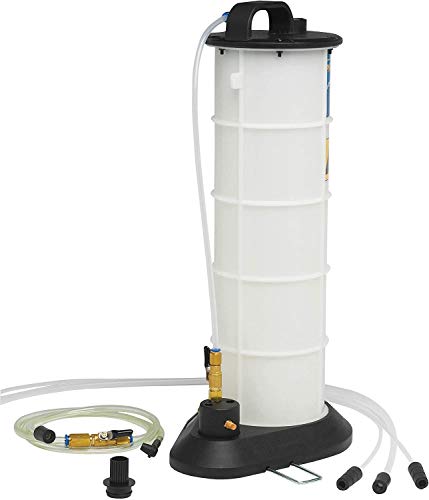
- VC Score9.4
BCP Score is a ranking system developed by bestcleanerproducts.com. BCP Score has no relationship or impact from any manufacturers or sales agent websites. Learn more
- BrandMityvac

- VC Score9.2
BCP Score is a ranking system developed by bestcleanerproducts.com. BCP Score has no relationship or impact from any manufacturers or sales agent websites. Learn more
- BrandVEVOR

- VC Score9.0
BCP Score is a ranking system developed by bestcleanerproducts.com. BCP Score has no relationship or impact from any manufacturers or sales agent websites. Learn more
- BrandEWK
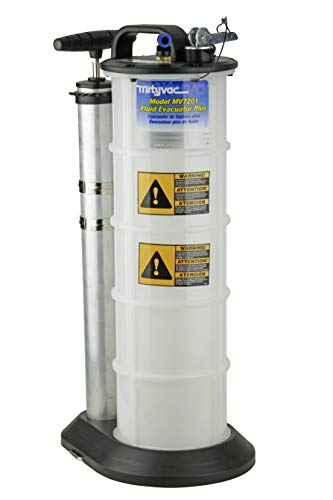
- VC Score9.0
BCP Score is a ranking system developed by bestcleanerproducts.com. BCP Score has no relationship or impact from any manufacturers or sales agent websites. Learn more
- BrandMityvac

- VC Score8.8
BCP Score is a ranking system developed by bestcleanerproducts.com. BCP Score has no relationship or impact from any manufacturers or sales agent websites. Learn more
- BrandDURATECH

- VC Score8.8
BCP Score is a ranking system developed by bestcleanerproducts.com. BCP Score has no relationship or impact from any manufacturers or sales agent websites. Learn more
- BrandFOUR UNCLES

- VC Score8.8
BCP Score is a ranking system developed by bestcleanerproducts.com. BCP Score has no relationship or impact from any manufacturers or sales agent websites. Learn more
- BrandWzyblixo

- VC Score8.8
BCP Score is a ranking system developed by bestcleanerproducts.com. BCP Score has no relationship or impact from any manufacturers or sales agent websites. Learn more
- BrandWzyblixo

- VC Score8.6
BCP Score is a ranking system developed by bestcleanerproducts.com. BCP Score has no relationship or impact from any manufacturers or sales agent websites. Learn more
- BrandThorstone

- VC Score8.0
BCP Score is a ranking system developed by bestcleanerproducts.com. BCP Score has no relationship or impact from any manufacturers or sales agent websites. Learn more
- BrandFAITIO

- VC Score7.0
BCP Score is a ranking system developed by bestcleanerproducts.com. BCP Score has no relationship or impact from any manufacturers or sales agent websites. Learn more
- BrandHexace
Last update on 2026-06-07 / Affiliate links / Images, Product Titles, and Product Highlights from Amazon Product Advertising API
How to Use Vacuum Oil Extractor
Changing engine oil often feels like a chore that eats up your weekend. Drip pans, spills, and hard-to-reach plugs turn a simple task into a messy ordeal. A vacuum oil extractor, however, flips that experience by letting oil be pulled out through the dipstick tube, making the process cleaner, faster, and less physically taxing. Grasping the proper technique transforms maintenance from a stressful obligation into a controlled, almost effortless routine.
Vacuum Oil Setup Basics
Start with warming up the engine slightly. Warm oil flows more easily, helping the extractor work efficiently. Positioning the hose correctly is vital; it needs to reach the bottom of the oil pan to pull out the majority of fluid. Seal the container tightly to ensure consistent suction. Taking time to prepare at this stage prevents frustration later and maximizes the extractor's performance.
Choose a secure and stable location for the vacuum container. Spills can still happen if the container tips over, so a flat surface is essential. Monitoring the hose during extraction helps spot any kinks that could reduce flow. Those small details often distinguish a smooth operation from a messy one.
Many users overlook the importance of a slow and steady start. Rushing the vacuum can cause splashing or incomplete extraction. Patience here ensures complete oil removal while protecting both engine components and surrounding areas.
Using clear containers allows visual confirmation of progress. Watching old oil fill the reservoir provides reassurance that the extractor is functioning correctly. It also highlights oil quality and any debris that might indicate engine issues.
Choosing the Right Hose and Adapter
Hose diameter and length affect flow rate and maneuverability. Thicker hoses usually pull oil faster, but can be more rigid, making them harder to guide. Flexible hoses balance reach with control, reducing stress on the operator. Selecting the correct adapter for your vehicle's dipstick tube is essential to prevent leaks and maintain efficient suction.
Adapters must fit snugly. A loose connection leads to air intake, dropping vacuum pressure and slowing extraction. Some vehicles have odd-shaped dipstick tubes, so having multiple adapter sizes available improves versatility. Being prepared with the right fit ensures a smooth, mess-free process.
Insert the hose gently, avoiding force that could damage internal engine components. Proper insertion depth allows oil to be pulled from the lowest point in the pan, maximizing fluid removal. Paying attention to these adjustments avoids potential engine contamination.
For repeated use, label hoses and adapters to prevent confusion. Organizing the kit ensures quick setup next time, saving both time and frustration. A well-maintained extraction setup becomes part of a streamlined routine.
Effective Extraction Technique
Begin by engaging the vacuum pump slowly. Abrupt starts can create turbulence, splashing hot oil and posing safety risks. Steady suction keeps the flow smooth and controlled. Watching the oil level rise offers feedback, allowing fine adjustments to hose placement for complete extraction.
Maintain airflow for continuous suction. Some pumps may require periodic monitoring to ensure vacuum pressure stays optimal. The key is to let the machine do the work, intervening only if flow slows. This reduces operator fatigue and improves overall efficiency.
Keep a cloth or drip mat handy. Even with careful setup, minor leaks can occur. Protecting the surrounding area preserves a tidy workspace and reinforces safe maintenance practices. Being proactive about potential messes streamlines cleanup afterward.
Extraction time varies by engine size and oil temperature. Larger engines or colder oil may require a few extra minutes. Adjust expectations accordingly and remain patient; this ensures maximum oil recovery without unnecessary effort or stress.
Safety Precautions During Use
Always wear gloves and eye protection. Hot oil can cause burns, and splashes can reach unexpected angles. Keeping personal safety in mind is as important as preventing engine mess. Following simple precautions reduces the risk of injury while maintaining a clean workspace.
Place the vehicle on a level surface to prevent tipping or movement. A stable platform ensures the extractor operates effectively and safely. Avoid working in cramped spaces that limit access or increase the likelihood of accidents. Safety and control go hand in hand during extraction.
Ventilation is crucial when working indoors. Exhaust fumes and oil vapors can accumulate in poorly ventilated garages. Fresh air circulation helps maintain a safe environment and reduces discomfort during prolonged maintenance. Prioritizing workspace conditions enhances both safety and comfort.
Keep a fire extinguisher nearby. Oil is flammable, and small accidents can escalate. Being prepared for emergencies is a key risk management factor that complements the practical benefits of using a vacuum oil extractor.
Oil Disposal and Container Management
Proper disposal of used oil is a legal and environmental necessity. Collect oil in approved containers and take it to a recycling facility. Avoid pouring it down drains or on soil. Responsible handling reinforces environmental responsibility and keeps maintenance compliant with local regulations.
Use separate containers for different oil types. Mixing oils can complicate recycling and reduce the potential for reuse. Label containers clearly to prevent confusion. Organized collection ensures efficiency and adherence to safety standards.
Inspect containers for leaks before and after extraction. Even minor cracks can create messes and safety hazards. Durable, sealed containers maintain cleanliness and control, reinforcing the extractor’s purpose and effectiveness.
After use, clean hoses and adapters thoroughly. Residual oil can degrade components over time and attract dirt. Maintaining equipment prolongs its lifespan and ensures consistent performance during future oil changes.
Optimizing Extraction for Different Engines
Engine designs vary, and extraction techniques must adapt. Inline engines, V-shaped layouts, and high-performance units each pose unique challenges. Knowing how to adjust hose placement and extraction angle is crucial for effective oil removal. Tailoring the method for the engine type increases efficiency and reduces residual oil.
Small Engine Techniques
Compact engines in motorcycles or lawn equipment require careful attention. Limited dipstick tube access and tight spaces make extraction tricky. Using a flexible hose and ensuring full insertion maximizes oil removal. Even minor mistakes can leave significant residues, so precision matters for clean and complete extraction.
Warming oil slightly can make a bigger difference in small engines due to faster cooling. Heat improves viscosity and flow rate. Small adjustments yield big returns in reducing leftover oil and improving extraction consistency.
Check oil quality visually. In smaller engines, contaminants can settle faster. Observing the oil during extraction provides early indicators of wear or contamination, offering maintenance insights beyond just fluid removal.
Repeat the extraction if necessary. Small engines may require multiple passes for thorough cleanup. A deliberate, patient approach ensures no old oil remains, maintaining engine longevity.
Large Engine Strategies
For cars, trucks, and industrial machinery, volume becomes a factor. Larger engines mean longer extraction times and more oil to manage. Monitoring the vacuum pressure and oil flow ensures steady removal. Adjusting hose depth and container size prevents overflow and keeps the workspace tidy.
Pre-warming oil is even more important. Cold oil in big engines increases viscosity and slows flow. A short run or warm-up session before extraction ensures maximum efficiency and reduces strain on the vacuum pump.
Consider multiple extraction points if accessible. Some large engines allow access from secondary ports, improving completeness. Coordinated extraction prevents pockets of oil from remaining trapped, maintaining engine health.
Clean up after extraction is critical. Large volumes can create bigger messes if mishandled. Using durable containers and drip trays preserves safety and cleanliness, reinforcing the practical advantages of vacuum extraction over traditional draining.
Best Practices For Using A Vacuum Oil Extractor Efficiently
Oil extraction gets easier after the basic process becomes familiar, but efficiency depends on more than simply turning on the pump. Small adjustments can dramatically improve results. Paying attention to oil temperature, hose positioning, and vacuum consistency helps reduce wasted time and prevents old oil from remaining inside the engine. Those details often separate a routine oil change from one that leaves behind contaminants.
Many people assume extraction is complete the moment oil flow slows down. That's not always true. Slightly adjusting the hose depth can often restart the flow and remove trapped oil from a different section of the pan. That extra minute of patience can make a noticeable difference in the amount of old oil removed.
Container capacity deserves attention as well. Larger engines can produce more waste oil than expected, and overfilling the collection tank creates an unnecessary mess. Monitoring the fill level throughout the process protects the workspace and maintains safe handling practices.
Routine maintenance extends beyond oil changes. People who already invest time in specialized cleaning equipment often appreciate practical tools that simplify upkeep. For example, anyone maintaining delicate floor coverings may benefit from exploring best dyson vacuum for oriental rugs solutions that address unique cleaning challenges without damaging sensitive materials.
Common Mistakes That Slow Extraction
A partially inserted hose remains one of the most common problems. If the tube doesn't reach the bottom area of the oil pan, suction may appear to work while leaving a significant amount of old oil behind. Proper placement remains one of the most important steps in achieving thorough oil removal.
Cold oil creates another frequent obstacle. Thick oil moves slowly through narrow hoses, increasing extraction time and frustrating the operator. Allowing the engine to warm briefly improves flow characteristics and supports faster extraction.
Loose fittings can create hidden issues. Even a minor air leak weakens suction and slows progress considerably. Checking connections before starting prevents unnecessary troubleshooting later and helps maintain consistent vacuum pressure.
Some users remove the hose too quickly once the flow appears finished. Moving the tube slightly and waiting another minute often pulls additional oil from low spots. That simple habit contributes to a cleaner engine environment and more effective maintenance intervals.
Signs Your Extraction Process Is Working Properly
Steady oil movement through the hose provides the clearest indication of success. Intermittent flow usually points to hose positioning issues or reduced vacuum pressure. Observing the extraction process closely helps identify problems before they become frustrating delays.
The sound of the vacuum system can also provide clues. A stable tone generally indicates a sealed system with reliable suction. Sudden changes in noise may suggest air leaks or hose obstructions that require immediate attention.
Collection containers offer useful visual feedback. Watching used oil accumulate confirms that the extractor is functioning correctly. Clear reservoirs make it easier to monitor progress and evaluate oil condition during the procedure.
Another positive sign appears when the extractor begins pulling occasional air after a sustained oil flow. That often suggests the majority of accessible oil has been removed. Combined with careful hose repositioning, this helps maximize extraction efficiency.
Keeping Your Vacuum Oil Extractor In Good Condition
Equipment longevity depends heavily on post-use care. Residual oil left inside hoses can attract dirt and gradually reduce performance. Cleaning components after each use helps preserve suction effectiveness and reduces maintenance headaches later.
Storage conditions matter more than many people realize. Extreme temperatures may harden hoses or weaken seals over time. Keeping the extractor in a dry environment supports reliable operation and extends the life of critical components.
Periodic inspections help identify wear before it becomes a problem. Cracked fittings, brittle tubing, and damaged seals can all affect performance. Replacing inexpensive parts early protects the overall system and maintains consistent reliability.
Manufacturers often provide maintenance recommendations that are easy to overlook. Following those guidelines supports long-term functionality and helps the extractor deliver the same level of performance year after year.
Comparing Vacuum Extraction With Traditional Draining
Traditional oil changes often require access beneath the vehicle. That can mean ramps, jack stands, or limited working space. A vacuum oil extractor removes many of those obstacles by allowing oil removal from above, creating a more convenient workflow.
Traditional draining still has advantages in certain situations. Some engines provide excellent access to drain plugs, making conventional methods straightforward. Others have designs that respond particularly well to extraction through the dipstick tube. Understanding those tradeoffs helps determine the most practical approach.
Cleanliness remains one of the strongest benefits of vacuum extraction. Reduced contact with used oil minimizes spills and shortens cleanup time. For people who value an organized workspace, that advantage can significantly improve the overall maintenance experience.
Time savings also matter. Eliminating the need to crawl underneath a vehicle can streamline routine service tasks. Combined with proper preparation, a vacuum extractor often supports faster maintenance sessions while maintaining a high level of control.
Managing Seasonal Oil Change Challenges
Cold weather can make oil noticeably thicker. Extraction systems may require longer operating times during winter months because oil moves more slowly through hoses. Allowing the engine to warm before starting remains one of the easiest ways to improve flow performance.
Hot summer conditions present different concerns. Warm oil extracts quickly, but safety becomes even more important. Protective gloves and careful handling reduce the risk of accidental burns during maintenance.
Storage conditions for the extractor should also change with the seasons. Rubber seals and flexible tubing last longer when protected from prolonged exposure to extreme temperatures. Consistent storage habits help maintain equipment durability.
People who appreciate relaxation after demanding maintenance projects often invest in comfort-focused outdoor upgrades. For those considering a backyard retreat, explore best 4 person outdoor sauna options that create a dedicated space for recovery and downtime.
Building A Cleaner Long-Term Maintenance Routine
Regular oil changes protect engine components from premature wear. A vacuum oil extractor simplifies the process enough that maintenance becomes easier to schedule and less likely to be postponed. That consistency supports engine longevity and more predictable performance.
Organization plays a major role in long-term success. Keeping hoses, adapters, gloves, and collection containers in one location reduces preparation time. Small efficiencies add up over multiple service intervals.
Documentation helps as well. Recording oil type, mileage, and service dates creates a useful maintenance history. That information supports informed decisions and helps identify patterns that may require attention.
Reliable equipment, careful preparation, and consistent habits work together to create a maintenance process that feels manageable rather than burdensome. The result is a cleaner workspace, reduced frustration, and stronger confidence every time the oil change interval arrives.


How to Refinish a Fiberglass Pool

How Do You Keep Raccoons Out of Your Pool?

How to Fix Cyanuric Acid in Your Pool

How to Shape a Pool Cue Tip to Stop Miscues

Best Far Infrared Sauna Sauna Heats: Top Picks of 2026

11 Best Far Infrared Sauna Carbon Fiber Heaters of 2026 For Balanced Full-Body Heat

11 Best Carbon Far Infrared Sauna of 2026 For Even Heat

10 Best Bluetooth Speaker For Sauna of 2026 For Heat and Steam


