
How to Use Vacuum for Fish Tank Without the Mess

How to Use Vacuum for Fish Tank becomes a lot easier once you understand that the goal isn't just removing dirt. Healthy aquariums depend on balancing waste removal with stable water conditions. Gravel, leftover food, plant debris, and fish waste slowly settle into the substrate, creating pockets of buildup that can affect water clarity and overall tank conditions. A vacuum helps pull out that unwanted material while preserving much of the beneficial environment that supports aquatic life.
Cloudy water often sneaks up unexpectedly. One day everything looks fine, then suddenly the tank loses its sparkle. That's where proper substrate cleaning plays a major role. By using a vacuum correctly, debris is removed before it has a chance to break down further. The process also helps reduce unpleasant odors and keeps decorative elements looking cleaner without requiring constant scrubbing.
Many people rush through maintenance and accidentally remove too much water or disturb the substrate excessively. A little patience goes a long way. Slow, controlled movements allow the vacuum to lift waste while heavier gravel falls back into place. Done correctly, the process targets buildup without creating unnecessary stress inside the aquarium. Small adjustments during cleaning often produce better results than aggressive deep cleaning sessions.
Tank size, substrate type, and fish activity all influence how often cleaning is needed. Fine sand requires a gentler approach than larger gravel. Heavily stocked aquariums usually accumulate waste faster, while planted setups may need selective cleaning around root systems. Understanding these differences helps create a maintenance routine that feels manageable rather than overwhelming.
Water quality remains one of the biggest reasons people rely on aquarium vacuums. Excess organic material can contribute to unstable conditions if left untouched for long periods. Removing waste during regular water changes supports cleaner water and helps filtration systems work more efficiently. Instead of treating maintenance as a chore, many aquarium keepers view it as preventative care that saves effort later.
Little details matter, too. Positioning the vacuum tube properly, monitoring water removal, and avoiding sudden substrate disruption all contribute to a smoother experience. Before long, the process becomes second nature. A clean substrate, clearer water, and a healthier-looking aquarium create visible rewards that make routine maintenance feel worthwhile.

- VC Score10.0
BCP Score is a ranking system developed by bestcleanerproducts.com. BCP Score has no relationship or impact from any manufacturers or sales agent websites. Learn more
- BrandAKKEE
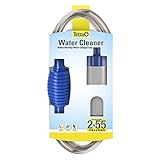
- VC Score9.0
BCP Score is a ranking system developed by bestcleanerproducts.com. BCP Score has no relationship or impact from any manufacturers or sales agent websites. Learn more
- BrandTetra

- VC Score8.8
BCP Score is a ranking system developed by bestcleanerproducts.com. BCP Score has no relationship or impact from any manufacturers or sales agent websites. Learn more
- BrandLaifoo

- VC Score8.8
BCP Score is a ranking system developed by bestcleanerproducts.com. BCP Score has no relationship or impact from any manufacturers or sales agent websites. Learn more
- BrandGADFISH

- VC Score8.2
BCP Score is a ranking system developed by bestcleanerproducts.com. BCP Score has no relationship or impact from any manufacturers or sales agent websites. Learn more
- BrandHACPUT

- VC Score8.2
BCP Score is a ranking system developed by bestcleanerproducts.com. BCP Score has no relationship or impact from any manufacturers or sales agent websites. Learn more
- BrandCarefree Fish
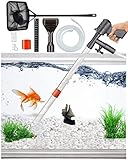
- VC Score8.0
BCP Score is a ranking system developed by bestcleanerproducts.com. BCP Score has no relationship or impact from any manufacturers or sales agent websites. Learn more
- BrandQZQ
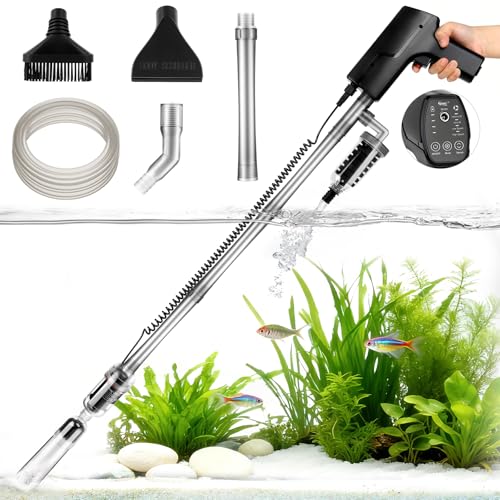
- VC Score7.6
BCP Score is a ranking system developed by bestcleanerproducts.com. BCP Score has no relationship or impact from any manufacturers or sales agent websites. Learn more
- Brandhygger
Last update on 2026-06-07 / Affiliate links / Images, Product Titles, and Product Highlights from Amazon Product Advertising API
How To Use Vacuum For Fish Tank Safely
A cloudy tank can make a calm little aquarium feel like a tiny problem factory. Leftover food hides between gravel pieces, fish waste settles into corners, and the filter can’t catch everything. That’s why how to use vacuum for fish tank matters so much for cleaner water, healthier substrate, and fewer messy maintenance days.
Fish Tank Vacuum Basics
A fish tank vacuum is mostly a siphon tool, not a magic dirt eraser. It pulls water and loose debris through a tube while heavier gravel drops back down. Used slowly, it removes waste buildup without wrecking the beneficial bacteria living in the tank. Rushed cleaning, though, can stir up muck and make the water look worse for a while.
The tube size should match the aquarium. A large gravel vacuum can drain a small tank too fast, while a tiny one can make a big tank feel like a weekend project. For most home aquariums, the best rhythm is steady suction, controlled movement, and quick pauses before the bucket gets too full. That simple pace keeps the job from turning into a splashy mess.
Substrate changes the technique. Gravel lets debris sink between the pieces, so the vacuum tube can press gently into the surface. Sand needs a lighter touch because it lifts easily, and nobody wants half the tank floor sitting in a bucket. The trick is hovering just above the sand to pull up loose waste while leaving the bottom layer mostly alone.
Regular cleaning also protects the filter from doing all the dirty work. A filter handles suspended particles, but old food and waste trapped in the substrate can keep breaking down between cleanings. That’s why fish tank vacuuming pairs so well with partial water changes. The tank looks clearer, smells fresher, and feels easier to maintain week after week.
Prepare The Tank Before Vacuuming
Preparation saves headaches. Start by washing your hands without scented soap residue, then unplug heaters, filters, and lights if water levels may drop near equipment. This small step protects aquarium equipment from running dry or overheating. A clean bucket used only for aquarium work is also a big deal because household cleaners can leave harmful traces.
Place the bucket lower than the tank so gravity can help the siphon work. Keep towels nearby because, yep, water always seems to find the one spot you didn’t cover. Check that the vacuum hose isn’t kinked, cracked, or loose. A stable setup gives you better control over water removal and debris collection.
Fish don’t need to be removed for normal vacuuming. Moving them often creates more stress than the cleaning itself. Calm movements around the tank help them settle while you work. Avoid chasing debris near hiding spots too aggressively, especially with shy fish, shrimp, or bottom dwellers that dislike sudden substrate disruption.
Feeding habits matter before cleaning day. Heavy feeding can leave extra waste in the gravel, while over-cleaning after every tiny mess can disturb the tank’s natural balance. A common routine is vacuuming during partial water changes, often around 10 to 25 percent of the water depending on the tank’s needs. The exact amount should match stocking level, water tests, and how quickly debris builds up.
Start The Siphon Without Making A Mess
Starting the siphon is where many first attempts go sideways. Some vacuums use a squeeze bulb, while basic models need the tube filled with tank water first. Keep the hose end inside the bucket before suction begins, because one loose hose can create a tiny indoor flood. The goal is controlled flow, not a fire hose.
Once water moves through the hose, guide the vacuum tube into the substrate slowly. Push the tube lightly into gravel and let debris rise inside the chamber. Gravel should tumble, then fall back down as waste moves out with the water. That movement tells you the vacuum is doing its job without stripping the tank floor bare.
Sand needs a softer approach. Hover the tube above the surface and move in small sections, letting light debris lift first. If sand climbs too high in the tube, pinch the hose or raise the vacuum slightly. That quick adjustment protects substrate depth and keeps the tank from losing material during every cleaning.
Mess control also depends on where you stand. Keep one hand on the hose and one hand on the vacuum tube. Watch the bucket level constantly because aquarium water fills faster than expected once the siphon gets going. To store bulky aquarium supplies neatly between cleanings, use smarter storage habits and vacuum sealer for large items for dry backup gear like towels, filter pads, or seasonal accessories.
Clean Gravel Without Stressing Fish
Gravel cleaning works best in sections. Treat the tank floor like a grid and clean one area at a time instead of plowing across the whole aquarium. This keeps fish calmer and prevents huge clouds of debris from spreading everywhere. A section-by-section method also protects beneficial bacteria by avoiding overly aggressive substrate disturbance.
Don’t dig deep into every inch of gravel at once. The surface layer usually holds the most visible waste, while deeper layers can contain established bacteria colonies. Press the vacuum down, let debris rise, then lift and move to the next spot. That slow pattern keeps water clarity and tank stability in better shape.
Decorations collect waste around their bases. Lift lightweight ornaments carefully if fish aren’t hiding inside, then vacuum the dirty ring underneath. Heavy rocks or rooted plants should stay in place unless there’s a serious buildup problem. Pulling everything apart during every cleaning can turn a normal maintenance session into a full tank reset, and that’s rarely needed.
Fish behavior gives useful feedback. If fish scatter hard, clamp down, or breathe rapidly near the surface, slow down and reduce the disturbance. A good aquarium quote worth remembering is simple: “Clean the tank, don’t shock the tank.” That mindset keeps maintenance practical, gentle, and far less stressful for the living things inside.
Manage Dirty Water The Smart Way
Dirty water should go straight into the aquarium-only bucket. Avoid using that water around food prep areas or sinks where soap residue might splash back onto tools. Some plant keepers pour old aquarium water on outdoor plants because it contains natural nutrients, but only if no medications or aquarium salt are present. Safe disposal keeps fish care and home cleanup from crossing wires.
Refill water needs attention before it enters the tank. Tap water should be treated with the right conditioner if chlorine or chloramine is present. Match the new water temperature close to the tank temperature to avoid shocking fish. Even a clean tank can run into trouble if refill water creates sudden temperature swings or chemical stress.
Pour new water slowly. A plate, bowl, or gentle flow near the tank wall can prevent substrate from scattering. Fast refills can uproot plants, expose fish, and undo the careful cleaning you just finished. Slow water replacement supports stable conditions while letting the aquarium settle naturally.
Water stains on nearby glass can build up after repeated maintenance. Separate from aquarium care, sticky window film from indoor habits may need a different cleaning tool, so tackle residue with window cleaner for vape residue if nearby glass keeps looking hazy. Keeping the tank area clean makes the aquarium look sharper without mixing household cleaners into fish equipment.
Avoid Common Vacuuming Mistakes
Over-cleaning is one of the sneakiest mistakes. A spotless-looking tank isn’t always a healthier tank if too much bacteria-rich surface area gets disturbed. Clean enough to remove visible waste, but don’t scrub every surface like a kitchen pan. The best results come from routine balance, not panic cleaning.
Skipping water tests can also backfire. Clear water doesn’t always mean safe water, and dirty-looking water doesn’t always reveal the full story either. Testing ammonia, nitrite, nitrate, and pH helps guide how often vacuuming should happen. Those numbers give real feedback instead of relying only on guesswork.
Using the wrong tool creates extra work. A narrow vacuum may struggle with coarse gravel, while an oversized tube can drain a nano tank too quickly. Hose length matters, too, because awkward positioning leads to spills and frustration. The right fit makes aquarium cleaning smoother and less annoying.
Wet carpet around the tank needs fast attention because water can settle deeper than it looks. For accidental spills near the aquarium stand, handle the floor separately with a proper cleanup tool like wet vacuum for carpet before moisture lingers. Aquarium maintenance gets much easier when the tank stays clean and the surrounding area stays dry.
How To Vacuum A Fish Tank Without Harming Beneficial Bacteria
A clean-looking aquarium can still hide plenty of trouble below the surface. Waste trapped beneath gravel, tiny food particles tucked behind decorations, and neglected corners can gradually affect water quality, fish health, and overall tank stability. Good vacuuming habits remove unwanted debris while protecting the invisible bacterial colonies that help keep an aquarium balanced.
Protect The Beneficial Bacteria Living In The Substrate
Many aquarium owners worry that every cleaning session strips away the good bacteria their tank depends on. Fortunately, a properly used vacuum targets loose waste rather than wiping out entire bacterial populations. Most beneficial bacteria live on gravel surfaces, filter media, decorations, and plant roots rather than floating freely in the water. That means careful cleaning can improve tank cleanliness while preserving biological filtration.
A common mistake involves deep-cleaning every inch of substrate during one session. Large disturbances can upset the balance that developed over weeks or months. Instead, rotate cleaning zones throughout the aquarium. This simple approach protects bacterial stability while still removing accumulated waste.
Older aquariums often contain areas that should remain relatively undisturbed unless a genuine buildup problem appears. Gravel beneath large rocks or mature plants frequently supports established bacterial colonies. Aggressive cleaning in these areas may create more issues than benefits. Small, controlled maintenance sessions usually produce far better long-term results.
Patience plays a surprisingly important role. Fish tanks thrive on consistency, and bacterial colonies respond best to gradual changes. A vacuum should support the tank's natural processes rather than compete against them. Maintaining that balance creates healthier water conditions and fewer unexpected problems.
How Often A Fish Tank Really Needs Vacuuming
There isn't a universal schedule that works for every aquarium. A lightly stocked planted tank may stay relatively clean for weeks, while a heavily stocked aquarium can accumulate visible debris much faster. Tank size, feeding routines, filtration efficiency, and fish species all influence maintenance frequency. Paying attention to actual waste levels matters more than following a rigid calendar.
Visible debris between gravel pieces often signals that vacuuming should move up the priority list. Cloudiness after feeding, accumulating waste near decorations, and elevated nitrate readings may also indicate that substrate cleaning is overdue. These clues provide a more reliable guide than arbitrary schedules.
Many hobbyists combine vacuuming with weekly or biweekly water changes. This pairing removes debris while refreshing a portion of the water at the same time. The process helps maintain water clarity, stable chemistry, and cleaner substrate conditions without adding extra maintenance sessions.
Over-cleaning can be just as problematic as neglect. Constantly disturbing substrate areas that contain little waste often adds unnecessary stress. A balanced routine focuses on visible buildup, water test results, and overall tank appearance instead of chasing spotless gravel every day.
Special Care For Planted Aquariums
Live plants add beauty and biological support, but they also change how vacuuming should be approached. Plant roots rely on stable substrate conditions, and excessive disturbance can damage root systems. Gentle cleaning around plant bases protects both the plants and the surrounding bacterial colonies. Maintaining healthy root zones helps support stronger plant growth over time.
Dense plant coverage often traps debris in unexpected places. Waste may settle beneath leaves or collect near hardscape features where water circulation slows down. Vacuuming these locations carefully prevents buildup without disturbing nearby roots. Small adjustments in cleaning technique can make a noticeable difference.
Some plant species actually benefit from organic matter within the substrate. Nutrients released during decomposition contribute to root feeding in many planted setups. Removing every trace of debris isn't always necessary. The goal is controlling excessive waste while preserving natural nutrient cycles.
Moisture management and cleanup techniques used for plant care often overlap with other household cleaning tasks. Furniture exposed to water spills may need separate treatment, and learning how to use bissell upholstery cleaner can help tackle damp fabric surfaces without interfering with aquarium equipment. Keeping maintenance tools organized makes the entire process easier.
Handling Sand Substrate Without Losing Half Of It
Sand presents different challenges than gravel. Fine particles lift easily into the siphon, especially when strong suction is applied. A gentle hovering technique usually works best. Holding the vacuum slightly above the surface allows debris to rise while heavier sand remains in place.
Fish species that sift through sand often create concentrated waste zones. These areas deserve extra attention because organic matter can collect surprisingly fast. Slow movements help separate waste from substrate without creating massive sand loss. Maintaining substrate depth protects both appearance and biological stability.
Sand compaction can occasionally create dead spots where debris accumulates. Light surface agitation during vacuuming helps prevent these areas from becoming problematic. The key is moderation rather than aggressive digging. Controlled cleaning supports healthy substrate circulation without disrupting the entire tank floor.
Repeated sand replacement due to poor vacuum technique can become frustrating and expensive. Small corrections in siphon height and movement often solve the problem quickly. Once the technique becomes familiar, sand maintenance usually feels much easier than expected.
Managing Heavy Waste From Active Fish Species
Some fish simply produce more waste than others. Larger cichlids, goldfish, and messy eaters can challenge even strong filtration systems. Their tanks often require more frequent substrate cleaning because uneaten food and waste accumulate rapidly. Consistent vacuuming supports cleaner water and reduces the burden placed on filtration equipment.
Feeding practices play a major role here. Excess food that reaches the substrate eventually breaks down and contributes to water quality issues. Smaller feeding portions often reduce waste production dramatically. Addressing the source of debris can make maintenance easier than constantly reacting to the results.
High-activity fish also tend to push waste into corners, behind decorations, and beneath structures. These hidden areas deserve regular inspection during vacuuming sessions. Ignoring them allows debris to accumulate unnoticed. Targeted cleaning helps maintain better circulation and more consistent cleanliness.
Tank maintenance tools should match the aquarium's needs. Larger debris loads may require wider vacuum tubes or more frequent bucket changes. Matching equipment to the tank's waste production improves efficiency without increasing effort.
Reducing Stress During Maintenance Sessions
Fish often react to sudden movement, changing water levels, and unfamiliar activity around the aquarium. Calm, predictable maintenance routines reduce that stress significantly. Slow hand movements and gentle substrate cleaning help fish remain relaxed throughout the process. Less stress supports healthier behavior and more stable aquarium conditions.
Lighting can influence fish reactions during cleaning. Some aquarists prefer dimmer lighting or maintenance shortly before scheduled light-off periods. Reduced brightness often encourages calmer behavior in many species. Small environmental adjustments can make cleaning less disruptive.
Noise matters too. Buckets banging against stands and sudden hose movements can startle fish unnecessarily. Organizing tools before starting keeps the process smoother. Better preparation usually leads to better results and fewer interruptions.
Feather dust, pet hair, and airborne debris near open aquariums can occasionally create extra cleanup work around the tank area. Households dealing with those challenges sometimes benefit from a lightweight vacuum for bird feathers to keep surrounding surfaces cleaner between maintenance sessions. A cleaner room often contributes to a cleaner aquarium environment.
Reading The Signs That Your Vacuuming Routine Is Working
Successful maintenance becomes visible over time rather than overnight. Clearer water, reduced debris accumulation, and more stable water test results often indicate that the cleaning routine is doing its job. These gradual improvements usually matter more than dramatic short-term changes.
Fish behavior can provide useful feedback as well. Active swimming, normal feeding habits, and consistent coloration often suggest that tank conditions remain stable. While many factors influence fish health, a cleaner substrate frequently supports a healthier environment overall.
Equipment performance offers another clue. Filters that clog less frequently and maintain steady flow often benefit from regular substrate cleaning. Removing waste before it reaches the filter helps improve filtration efficiency and reduces maintenance demands elsewhere in the system.
Long-term aquarium success rarely depends on one piece of equipment or one perfect cleaning session. Consistent attention to water quality, substrate cleanliness, fish comfort, and balanced maintenance habits creates the foundation for a healthier, more attractive aquarium that remains easier to manage over time.


How to Refinish a Fiberglass Pool

How Do You Keep Raccoons Out of Your Pool?

How to Fix Cyanuric Acid in Your Pool

How to Shape a Pool Cue Tip to Stop Miscues

Best Far Infrared Sauna Sauna Heats: Top Picks of 2026

11 Best Far Infrared Sauna Carbon Fiber Heaters of 2026 For Balanced Full-Body Heat

11 Best Carbon Far Infrared Sauna of 2026 For Even Heat

10 Best Bluetooth Speaker For Sauna of 2026 For Heat and Steam


