
How to Use Vacuum Flask for the First Time Right

How to Use Vacuum Flask for the First Time sounds straightforward, yet a surprising number of people miss a few simple steps that can affect temperature retention from day one. A brand-new flask often arrives looking ready to go straight out of the box, but giving it a proper first setup can make a noticeable difference. A little preparation helps protect flavor, supports better insulation performance, and prevents that odd “new product” smell that sometimes lingers. Small habits established early can also help the flask stay reliable for years instead of months.
Freshly unpacked drinkware sometimes carries traces from manufacturing, packaging, or storage. A thorough rinse with warm water and mild dish soap helps remove residue before the first use. After cleaning, allowing the interior to air dry briefly can reduce lingering odors. That extra bit of patience may seem minor, yet it often creates a cleaner and more enjoyable drinking experience.
Temperature preparation plays a bigger role than many people expect. Filling the flask with hot water for several minutes before adding coffee, tea, or soup helps warm the inner walls. For cold beverages, chilled water or ice water can prepare the interior instead. This simple preconditioning step allows the flask to focus on maintaining the temperature of the drink rather than spending energy adjusting the container itself.
Many people feel disappointed when a drink cools faster than expected, only to realize the flask wasn't preheated or prechilled. That's where understanding the basics pays off. A properly prepared flask generally delivers more consistent results throughout the day. Better temperature retention means fewer unpleasant surprises during a commute, road trip, outdoor activity, or busy workday.
Daily use becomes easier once a few practical habits are in place. Filling the container close to its recommended capacity can improve insulation efficiency. Securing the lid firmly without overtightening helps maintain a dependable seal. Meanwhile, avoiding carbonated drinks unless specifically approved by the manufacturer can prevent pressure-related issues that may affect performance.
Cleaning routines deserve attention as well. Gentle washing after each use prevents stains and flavor transfer from building up over time. Strong-smelling drinks can leave traces behind, especially if the flask remains sealed for extended periods. Consistent care keeps the interior fresher and helps preserve the quality of future beverages.
How to Use Vacuum Flask for the First Time ultimately revolves around preparation, temperature management, and maintenance. None of these steps are difficult, yet together they create a noticeably better experience. A few minutes spent setting up the flask properly can reward you with dependable insulation, cleaner flavors, and greater confidence every time you take a sip.

- VC Score9.4
BCP Score is a ranking system developed by bestcleanerproducts.com. BCP Score has no relationship or impact from any manufacturers or sales agent websites. Learn more
- BrandTHERMOS

- VC Score9.4
BCP Score is a ranking system developed by bestcleanerproducts.com. BCP Score has no relationship or impact from any manufacturers or sales agent websites. Learn more
- BrandSTANLEY
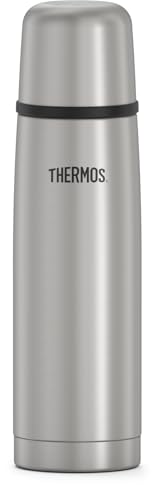
- VC Score9.4
BCP Score is a ranking system developed by bestcleanerproducts.com. BCP Score has no relationship or impact from any manufacturers or sales agent websites. Learn more
- BrandTHERMOS

- VC Score9.2
BCP Score is a ranking system developed by bestcleanerproducts.com. BCP Score has no relationship or impact from any manufacturers or sales agent websites. Learn more
- BrandSTANLEY

- VC Score9.0
BCP Score is a ranking system developed by bestcleanerproducts.com. BCP Score has no relationship or impact from any manufacturers or sales agent websites. Learn more
- BrandAEEISTNY

- VC Score8.8
BCP Score is a ranking system developed by bestcleanerproducts.com. BCP Score has no relationship or impact from any manufacturers or sales agent websites. Learn more
- BrandMILTON

- VC Score8.8
BCP Score is a ranking system developed by bestcleanerproducts.com. BCP Score has no relationship or impact from any manufacturers or sales agent websites. Learn more
- BrandBLACK + BLUM
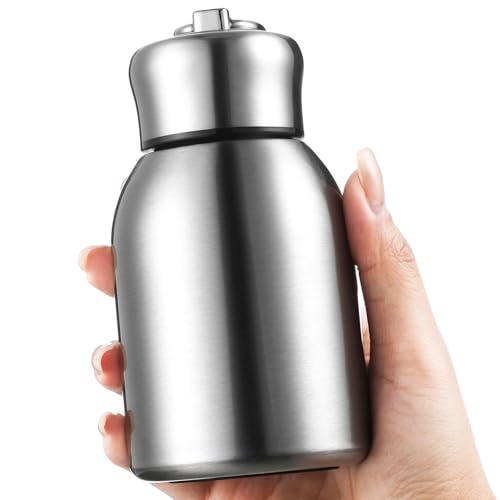
- VC Score8.6
BCP Score is a ranking system developed by bestcleanerproducts.com. BCP Score has no relationship or impact from any manufacturers or sales agent websites. Learn more
- BrandMifoci
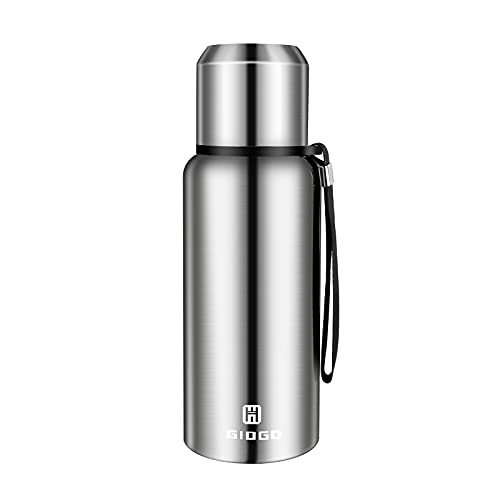
- VC Score8.6
BCP Score is a ranking system developed by bestcleanerproducts.com. BCP Score has no relationship or impact from any manufacturers or sales agent websites. Learn more
- BrandGIOGD
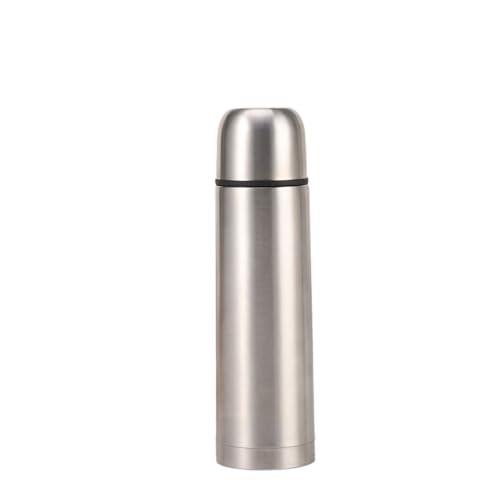
- VC Score8.4
BCP Score is a ranking system developed by bestcleanerproducts.com. BCP Score has no relationship or impact from any manufacturers or sales agent websites. Learn more
- BrandFYJHLQZZ
Last update on 2026-06-07 / Affiliate links / Images, Product Titles, and Product Highlights from Amazon Product Advertising API
How to Use Vacuum Flask for the First Time
Opening a brand-new flask is exciting, yet skipping a few simple prep steps can leave your hot coffee lukewarm or your iced water tepid. Those first moments with a vacuum flask set the tone for its performance, and learning the ropes early ensures every sip hits the mark. Cleaning, temperature priming, and proper filling routines create the foundation for consistent insulation. Following these basic practices makes the vacuum flask a reliable companion for daily commutes, travel, and outdoor adventures.
Initial Cleaning And Setup
Fresh out of the box, the interior of a vacuum flask can carry traces of manufacturing oils or packaging residues. A quick rinse with warm water and mild dish soap removes unwanted smells and improves taste retention. Allowing the flask to air dry for a few minutes ensures no residual moisture affects your drink. This simple first step protects the flavor and sets up the flask for optimal performance over time.
Some flasks come with detachable lids and seals. Carefully removing and cleaning these parts separately ensures every nook is spotless. Residue left in threads or under seals can trap odors and compromise insulation efficiency. Maintaining clean components is a small but essential part of long-term flask care.
Inspect the flask for any manufacturing imperfections, like misaligned lids or minor dents. While rare, these can affect sealing and temperature retention. Correcting minor issues before first use maximizes the performance factor right from the start. Cleanliness and initial inspection are the first building blocks for reliable use.
Taking the time to prep the flask now can prevent frustration later. Users often underestimate how much a pre-wash and careful inspection impact longevity and consistency. Establishing this routine makes every beverage taste fresher and keeps the flask operating as designed.
Preheating And Cooling Techniques
Temperature control starts before the beverage ever enters the flask. Filling the container with hot water for several minutes warms the interior walls, ensuring coffee or tea stays hotter for longer. For cold drinks, a quick rinse with chilled water or ice achieves the same effect. These preconditioning steps optimize the insulation performance from the very first pour.
Skipping this step can lead to disappointing temperature drops, especially in colder environments. A flask filled with hot liquid immediately after preheating retains heat more effectively, giving you a full morning of warmth. Similarly, pre-chilling prevents iced beverages from warming too quickly on a hot day.
Understanding how heat transfer works in a vacuum flask helps explain why these small habits matter. The vacuum layer reduces thermal exchange, but the inner wall’s temperature directly affects the initial beverage temperature. Conditioning your flask boosts the temperature retention strength and ensures more reliable use.
Even a brief preheating or cooling session can make a noticeable difference. It's a low-effort step with high reward, improving overall satisfaction and beverage consistency. This small tweak is a key factor in getting the most out of your flask right from the start.
Proper Filling And Lid Handling
Filling a flask to the recommended capacity maximizes its insulation efficiency. Too little liquid creates air gaps that accelerate heat loss, while overfilling can create spillage or pressure issues. Paying attention to fill levels ensures every drop maintains its intended temperature.
Securing the lid tightly is crucial, yet overtightening may stress seals or threads. A firm, even closure maintains vacuum integrity and prevents leaks. Regularly checking the lid’s alignment ensures the strength of the seal remains intact for daily use.
For carbonated or fizzy drinks, it’s best to check manufacturer recommendations. Pressurized contents can stress vacuum flasks and cause safety concerns. Sticking to suitable beverages preserves both safety and performance, highlighting the importance of careful handling from the first use.
Consistent lid management and mindful filling protect the core functionality of the flask. These steps may seem minor, but they contribute directly to lasting temperature control and reliability. Habits formed early create smooth, worry-free daily use.
Maintenance Tips For Longevity
Daily cleaning prevents staining and flavor transfer, preserving the flask’s interior. Using a bottle brush or gentle sponge keeps hard-to-reach areas free of buildup. Residue from strong teas or coffee can alter taste and reduce the overall quality of beverages if left unchecked.
Air-drying with the lid off helps prevent trapped moisture, which can lead to odors or mold growth. This practice complements regular washing, creating a healthy environment for drinks. Clean, dry interiors maintain the performance factor over months and years.
Some flasks feature detachable components and protective sleeves. Removing these for occasional deep cleaning ensures dust and debris don’t accumulate. Well-maintained seals and caps maintain their strength and integrity, reducing leaks and temperature loss.
Routine maintenance isn’t just about cleanliness it extends the life of the flask. Small, consistent actions prevent common frustrations like poor insulation or lingering odors, making the first-time use experience last well into everyday routines.
Common Mistakes To Avoid
Pouring boiling water directly into an unconditioned flask can lead to unexpected heat loss or minor damage. Preheating the interior protects both the drink and the flask’s inner walls. Skipping this can compromise the temperature retention strength right from the first use.
Neglecting lid care or over-tightening can warp seals, causing leaks. Maintaining proper lid handling practices preserves the vacuum and prevents accidental spills. Users often underestimate the effect of small mechanical stresses on overall flask efficiency.
Leaving drinks in the flask for extended periods without cleaning invites odor buildup. Flavors from previous beverages can affect taste and reduce user satisfaction. Attention to routine care ensures the key factor of freshness remains intact for all drinks.
Ignoring manufacturer instructions for certain liquids or carbonated beverages can lead to safety issues or decreased performance. Adhering to guidelines protects the flask’s functionality and ensures every sip matches expectations. Mindful use addresses the most common frustrations new users face.
Filling Techniques For Hot Beverages
Pouring hot liquids into a pre-conditioned flask maximizes warmth retention. Filling slowly allows the liquid to evenly warm the interior, minimizing sudden temperature shocks. This method supports the core strength of insulation and helps beverages maintain their intended flavor profiles.
Using a funnel or spout can reduce spills and preserve the seal’s integrity. A clean, controlled pour keeps threads and seals free from residue, maintaining the strength of the vacuum layer. Proper technique also improves the overall drinking experience by preventing messy accidents.
Allowing hot beverages to sit briefly after pouring before sealing the lid can further enhance thermal stability. This pause lets the liquid evenly distribute warmth throughout the flask. Such small practices reinforce the key factor of performance right from the first use.
Hot beverage care extends beyond pouring. Regular cleaning and attention to temperature priming create a reliable routine that protects the integrity of taste and insulation. These practices transform the flask from a simple container into a dependable tool for daily life.
Chilling And Cold Drink Preparation
For iced water, juice, or cold brew coffee, pre-chilling the flask ensures optimal retention. Filling with ice or cold water prior to adding the beverage reduces warming from the flask walls. This practice strengthens the temperature retention efficiency and keeps drinks refreshing longer.
Cold preparation is especially useful during hot weather or long commutes. It prevents rapid temperature loss and maintains a consistent coolness throughout the day. Attention to pre-cooling supports the core benefit of beverage freshness.
Layering ice strategically can enhance cooling effects without overflowing. Avoiding excessive ice ensures proper sealing and reduces pressure issues. Smart handling enhances the key factor of user safety while maintaining cold drink quality.
Regular maintenance of the flask, especially after cold drinks, prevents moisture buildup and frost residue. Clean and dry interiors protect flavor integrity and sustain the overall performance factor for future use. Simple habits yield long-term benefits for daily hydration routines.
Portable Use And Daily Convenience
A vacuum flask’s design is only useful if it’s handled efficiently on the go. Lightweight materials, secure lids, and ergonomic grips make daily carrying comfortable. These features enhance the convenience factor and reduce fatigue during travel, commutes, or outdoor activities.
Placement in backpacks, cup holders, or side pockets influences ease of access. Proper positioning prevents tipping, leaks, and temperature fluctuations. Smart handling supports the strength of usability in real-world scenarios.
Flasks with protective sleeves or cases further improve portability. They absorb shocks, prevent scratches, and maintain the core durability factor. Investing in thoughtful accessories increases both longevity and day-to-day convenience.
Consistent use of these portable strategies ensures beverages remain enjoyable wherever life takes you. Comfort, access, and protection all combine to enhance the key factor of reliable performance in daily routines.
Temperature Monitoring Tips
Checking beverage temperature at intervals helps gauge how well the flask retains heat or cold. A simple test with a touch or thermometer reveals if insulation practices are effective. Monitoring supports the core performance factor and identifies any early issues with vacuum integrity.
For hot drinks, testing before leaving for the day ensures maximum warmth upon consumption. Similarly, cold beverages can be checked to maintain a refreshing experience. Consistent monitoring improves the key factor of satisfaction and prevents surprises.
Temperature logging over time can reveal patterns of heat or cold loss. This data helps optimize preheating, pre-chilling, and filling techniques. Practical observation supports the strength of daily use strategies.
Being attentive to temperature trends empowers users to adapt methods for better performance. Regular checks highlight the benefits of proactive care and create reliable hydration habits that last throughout the day.
Best Practices For Using A Vacuum Flask Every Day
Many people buy a flask expecting it to keep drinks hot or cold all day, then feel disappointed when the results don't match the promise. Most of the time, the issue isn't the flask itself. Small daily habits have a huge impact on temperature retention, drink quality, and overall satisfaction. A few simple adjustments can turn an average experience into one that feels far more dependable.
How Drink Selection Affects Flask Performance
Not every beverage behaves the same inside a vacuum flask. Coffee, tea, water, soup, and cold brew each interact differently with temperature retention. Thick liquids tend to hold heat longer, while beverages with frequent opening and closing of the lid lose temperature much faster. Paying attention to these differences helps maximize the benefit of insulation and improves daily results.
Sweet drinks deserve extra care. Sugar residue can stick to the interior surface and gradually create unwanted odors if cleaning becomes inconsistent. Regular washing protects fresh flavor, cleanliness, and the long-term condition of the flask. That extra minute of cleaning often saves a lot of frustration later.
Strong-flavored beverages can leave lingering aromas behind. Coffee may influence the taste of tea, while certain herbal drinks can affect plain water. Many experienced users dedicate one flask to coffee and another to water. This approach protects the original taste profile and keeps beverages enjoyable.
Carbonated drinks can be tricky. Pressure buildup inside a sealed container may create leaks or make opening difficult. Checking manufacturer recommendations remains a smart safety practice and helps preserve the flask's sealing system.
Getting Better Heat Retention During Busy Days
Morning routines often feel rushed, and that's exactly when temperature retention habits get ignored. Preheating the flask for just a few minutes before pouring coffee can significantly improve performance. The flask no longer has to absorb heat from the drink itself, allowing the beverage to stay warm longer. This simple habit supports consistent temperature control and reduces midday disappointment.
Frequent lid opening creates another common problem. Every time the flask is opened, stored heat escapes and cooler air enters. Limiting unnecessary openings protects the core insulation advantage that vacuum technology provides. Small changes often create noticeable improvements.
Filling the flask closer to capacity can also help. Less empty space means less room for temperature fluctuations. A fuller flask usually maintains stable internal conditions more effectively than one that is only partially filled. Many users overlook this detail despite its practical impact.
People who enjoy maintaining equipment often appreciate practical cleaning advice for household items as well. To improve cleaning routines beyond drinkware, explore how to use odoban in carpet cleaner for additional maintenance insights around the home.
Keeping Cold Drinks Refreshing Longer
Cold beverages present their own challenges. Ice melts faster when warm air enters repeatedly, especially during outdoor activities or long commutes. Pre-chilling the flask before use supports long-lasting cold retention and helps drinks remain refreshing for hours.
Large ice cubes generally perform better than small cubes. They melt more slowly and maintain colder temperatures over longer periods. This simple adjustment improves cooling efficiency without requiring special accessories or expensive upgrades.
Direct sunlight can work against even a well-insulated flask. Leaving the container on a car dashboard or exposed picnic table gradually increases external heat transfer. Keeping the flask in the shade protects the temperature stability that users expect from vacuum insulation.
Cold brew coffee, flavored water, and sports drinks can all benefit from these habits. Consistency matters more than complicated techniques. Small daily decisions support better beverage quality throughout the day.
Preventing Odors And Stubborn Stains
One of the most common complaints involves unwanted smells appearing after weeks of use. Odors usually develop when moisture remains trapped inside a sealed flask. Allowing the container to dry completely before storage protects clean interiors and reduces odor buildup.
Baking soda remains a practical solution for occasional deep cleaning. A mild baking soda soak can help remove lingering smells without damaging internal surfaces. This method supports long-term freshness while avoiding harsh chemicals that may affect future beverages.
Tea stains and coffee discoloration often develop gradually. These marks rarely affect performance, but they can make the flask appear neglected. Gentle cleaning with non-abrasive tools protects the interior finish while preserving the appearance of the container.
Persistent odor issues sometimes indicate neglected seals. Removing and cleaning gaskets periodically helps maintain sanitary conditions and prevents hidden residue from accumulating over time.
Travel Habits That Protect Your Flask
Daily transportation introduces wear that many owners don't anticipate. Tossing a flask loosely into a backpack alongside heavy items can eventually damage exterior finishes or stress the lid assembly. Careful placement preserves durability, appearance, and overall functionality.
Protective sleeves offer additional security during travel. They help reduce scratches while improving grip during use. Even simple accessories can extend the life of a flask by protecting vulnerable surfaces from repeated impacts.
People who value practical household equipment often apply the same thinking to cleaning tools and appliances. For those comparing floor-care options, reviewing the best dyson vacuum laminate floors guide can help identify equipment suited for delicate surfaces.
Consistent handling habits reduce avoidable damage. Small precautions protect the investment value of the flask and contribute to years of dependable performance.
Recognizing Signs Of Reduced Performance
Vacuum flasks rarely fail overnight. Most performance declines happen gradually and become noticeable through subtle changes. Drinks that once stayed hot for many hours may cool faster than expected. Identifying these signs early protects the user experience and helps determine whether maintenance or replacement is needed.
Exterior warmth can be a warning sign. A properly functioning vacuum flask should not feel significantly hot on the outside when filled with hot liquid. Increased exterior heat often suggests compromised insulation. Monitoring these details supports reliable temperature retention.
Leaks around the lid frequently point to worn seals. Replacement gaskets are often inexpensive and can restore performance. Addressing small issues promptly helps maintain the strength of the sealing system and prevents larger problems.
Visible dents may also affect insulation if they damage internal vacuum layers. While cosmetic scratches rarely matter, structural damage deserves attention. Realistic expectations help users distinguish between harmless wear and meaningful performance issues.
Building A Long-Term Flask Care Routine
Consistency beats complexity. Daily rinsing, regular deep cleaning, proper drying, and thoughtful storage create a maintenance routine that requires very little effort. These habits protect temperature performance, cleanliness, and the overall lifespan of the flask.
Weekly inspections of lids, seals, and threads help catch small problems before they become frustrating. A few seconds of attention can prevent leaks, odor issues, and declining insulation performance. Preventive care supports long-term reliability without adding much work.
People who appreciate dependable equipment often apply similar standards across household products. For broader maintenance planning around the home, reviewing the best pool cleaner variable speed pump resource highlights how proper equipment matching improves efficiency and long-term results.
Simple habits established during the first week of ownership often determine how well a vacuum flask performs years later. Consistent cleaning, proper temperature preparation, careful handling, and realistic expectations preserve the core benefits, daily convenience, and lasting value that make a vacuum flask worth carrying every day.


How to Refinish a Fiberglass Pool

How Do You Keep Raccoons Out of Your Pool?

How to Fix Cyanuric Acid in Your Pool

How to Shape a Pool Cue Tip to Stop Miscues

Best Far Infrared Sauna Sauna Heats: Top Picks of 2026

11 Best Far Infrared Sauna Carbon Fiber Heaters of 2026 For Balanced Full-Body Heat

11 Best Carbon Far Infrared Sauna of 2026 For Even Heat

10 Best Bluetooth Speaker For Sauna of 2026 For Heat and Steam








