
How to Use Vacuum Cleaner as Air Purifier Safely

How to use vacuum cleaner as air purifier sounds like a clever shortcut when dust seems to appear out of nowhere and indoor air starts feeling stale. Plenty of people notice floating particles near windows, pet hair gathering in corners, or lingering odors that just won't leave. Faced with those annoyances, it's natural to wonder whether a vacuum cleaner can pull double duty. The answer isn't as straightforward as many expect, yet there are situations where a vacuum can help improve airflow and reduce airborne debris.
A vacuum cleaner and an air purifier were built for different jobs. A vacuum focuses on collecting dirt, dust, and debris from surfaces, while an air purifier continuously filters particles suspended in the air. Still, a vacuum equipped with a HEPA filtration system can temporarily reduce airborne contaminants if used correctly. Dust stirred up during cleaning may be captured rather than pushed back into the room, creating a fresher environment for a period of time.
Many frustrations stem from seeing dust return only hours after cleaning. That's often caused by poor filtration, clogged filters, or vacuums that exhaust fine particles back into the room. A sealed vacuum system with a quality filter can make a noticeable difference. Instead of simply moving dust around, it traps more of it before it has a chance to settle again.
Placement and operation matter more than people realize. Running a vacuum in an enclosed space while keeping doors and windows positioned strategically can help manage airflow. Some canister vacuums with strong filtration release cleaner exhaust air than basic models. Even so, expecting the machine to function exactly like a dedicated air purification system usually leads to disappointment.
Filter maintenance plays a huge role in results. A dirty filter reduces suction, lowers efficiency, and may even release unpleasant odors. Fresh filters allow air to pass through more effectively while capturing smaller particles. Skipping maintenance is a bit like trying to breathe through a thick blanket; eventually performance drops and frustration rises.
Pet owners often look for alternative ways to control fur, dander, and everyday allergens. Vacuuming upholstery, rugs, curtains, and soft surfaces removes a large portion of particles before they become airborne. That indirect effect can make indoor spaces feel cleaner and more comfortable. Small changes in cleaning habits often produce better outcomes than relying solely on one appliance.
Humidity, ventilation, and household activity also influence indoor air quality. Cooking, smoking, burning candles, and even opening windows during pollen season can introduce additional particles. A vacuum can assist as part of a broader cleaning routine, but it isn't a complete substitute for continuous filtration. Realistic expectations help prevent wasted effort and unnecessary spending.
Ultimately, how to use vacuum cleaner as air purifier revolves around understanding limitations while taking advantage of filtration strengths. A vacuum with sealed construction and a HEPA filter can contribute to cleaner air by removing dust sources and filtering exhaust air. Combined with routine cleaning and proper filter care, it becomes a helpful supporting tool. Used wisely, it can reduce airborne irritants and create a fresher indoor atmosphere without pretending to be something it wasn't designed to be.
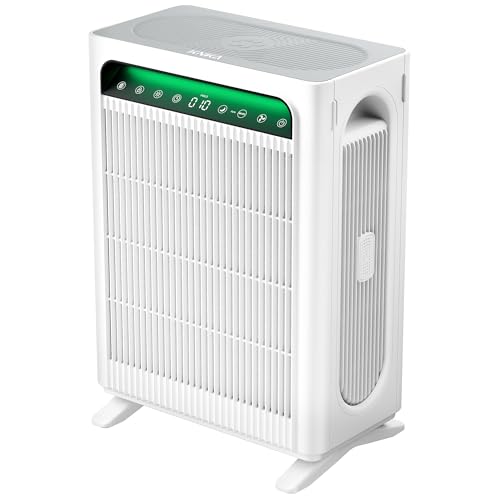
- VC Score9.6
BCP Score is a ranking system developed by bestcleanerproducts.com. BCP Score has no relationship or impact from any manufacturers or sales agent websites. Learn more
- BrandKNKA

- VC Score9.4
BCP Score is a ranking system developed by bestcleanerproducts.com. BCP Score has no relationship or impact from any manufacturers or sales agent websites. Learn more
- BrandLEVOIT

- VC Score9.2
BCP Score is a ranking system developed by bestcleanerproducts.com. BCP Score has no relationship or impact from any manufacturers or sales agent websites. Learn more
- BrandLEVOIT

- VC Score9.0
BCP Score is a ranking system developed by bestcleanerproducts.com. BCP Score has no relationship or impact from any manufacturers or sales agent websites. Learn more
- BrandVOOPNU

- VC Score9.0
BCP Score is a ranking system developed by bestcleanerproducts.com. BCP Score has no relationship or impact from any manufacturers or sales agent websites. Learn more
- BrandEYE-VAC

- VC Score9.0
BCP Score is a ranking system developed by bestcleanerproducts.com. BCP Score has no relationship or impact from any manufacturers or sales agent websites. Learn more
- BrandEnviroCare

- VC Score9.0
BCP Score is a ranking system developed by bestcleanerproducts.com. BCP Score has no relationship or impact from any manufacturers or sales agent websites. Learn more
- BrandTDBYWAE

- VC Score9.0
BCP Score is a ranking system developed by bestcleanerproducts.com. BCP Score has no relationship or impact from any manufacturers or sales agent websites. Learn more
- BrandAroma Room

- VC Score9.0
BCP Score is a ranking system developed by bestcleanerproducts.com. BCP Score has no relationship or impact from any manufacturers or sales agent websites. Learn more
- BrandMOOKA
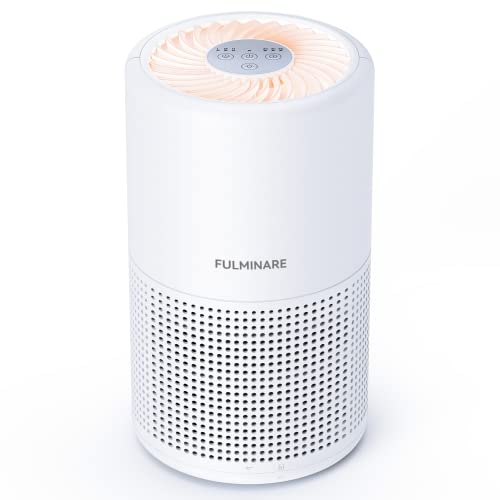
- VC Score8.8
BCP Score is a ranking system developed by bestcleanerproducts.com. BCP Score has no relationship or impact from any manufacturers or sales agent websites. Learn more
- BrandFULMINARE

- VC Score8.6
BCP Score is a ranking system developed by bestcleanerproducts.com. BCP Score has no relationship or impact from any manufacturers or sales agent websites. Learn more
- BrandFresh Wave
Last update on 2026-06-28 / Affiliate links / Images, Product Titles, and Product Highlights from Amazon Product Advertising API
How To Use Vacuum Cleaner As Air Purifier At Home
Dust floating through a sunbeam can make a clean room feel oddly dirty. Carpets look fine, the sofa looks fine, yet the air still feels a bit heavy after pets, cooking, pollen, or a week of closed windows. That is where how to use vacuum cleaner as air purifier becomes a practical question instead of a weird internet hack. A vacuum can help reduce particles that later become airborne, but it needs the right filter, the right method, and a healthy respect for its limits.
A vacuum cleaner is not a true replacement for a dedicated air purifier. It is built to pull debris from surfaces, not run quietly all day while filtering room air. Still, a machine with a sealed body and HEPA filtration can capture a meaningful amount of dust, pet dander, and fine debris during cleaning. Used smartly, it becomes part of a cleaner-air routine instead of just a floor tool.
The biggest mistake is treating any vacuum like an air-cleaning machine. Bagless models with weak seals may suck in dust and then blow the finest particles right back into the room. That can make allergies feel worse, especially after a rushed cleaning session. A vacuum meant for cleaner indoor air needs strong filtration, tight seals, and clean filters that are not packed with old dust.
Think of the vacuum as the cleanup crew before particles start drifting. Rugs, curtains, mattresses, upholstery, and baseboards hold dust like little storage shelves. Once people walk around, pets jump on furniture, or a ceiling fan kicks on, those particles move. Removing them at the source gives indoor air quality a better fighting chance.
Pick The Right Vacuum Before Trying Air Cleaning
The filter decides whether the idea works or backfires. A vacuum with a true HEPA filter is better suited for trapping tiny particles than a basic foam or cloth filter. The sealed design matters too, because air should pass through the filter instead of leaking around gaps. Without that seal, the vacuum may act like a dusty fan with extra noise.
Bagged vacuums often make more sense for this job because the dust stays contained during disposal. Bagless bins can still work, but emptying them can release a dusty puff that ruins the effort in one second. A sealed canister model can be especially useful for allergy-prone rooms, and to reduce dust blowback, consider a canister vacuum for allergies before building a cleaner-air routine around an older machine. The goal is dust control, not just visible crumb pickup.
Suction strength matters, but it should not steal the whole show. A loud vacuum with wild suction and poor filtration can stir up more irritation than it removes. A balanced machine captures debris, holds it inside, and releases cleaner exhaust. That combination gives surface cleaning and air support a better partnership.
Older vacuums deserve a hard look before being used this way. Cracked hoses, loose bin seals, clogged filters, and dusty exhaust smells are red flags. If the machine smells musty while running, it is probably not helping your air much. Fresh bags, clean filters, and tight connections are the boring details that make cleaner airflow possible.
Clean Surfaces First So The Air Has Less To Carry
Airborne dust usually starts on surfaces. Carpets, throw rugs, pet beds, fabric chairs, curtains, and shelves collect particles all week. Vacuuming these areas slowly gives the machine enough time to lift dirt instead of skimming over it. A slow pass with steady suction beats three fast passes done in a hurry.
Start high, then move low. Dust ceiling fan blades, shelves, window frames, and blinds before vacuuming the floor. Gravity is not glamorous, but it is reliable, and loose particles will fall where the vacuum can reach them. This order helps prevent the annoying cycle of cleaning the floor first and watching fine dust settle again later.
Soft surfaces deserve extra attention because they trap particles deep in fibers. A sofa where pets nap can hold dander even after it looks clean. Mattress surfaces, fabric headboards, and curtains can also release dust whenever they are bumped or moved. Using an upholstery tool helps remove these hidden irritants and supports better breathing comfort indoors.
Hard floors still need careful vacuuming, especially around corners and baseboards. Dust bunnies are not just ugly; they can break apart and travel through the room. A brush attachment helps pull debris from edges without flinging it around. For sticky tile lines that collect grime after vacuuming, refresh dirty grout with use zep grout cleaner as a separate floor-care step, not as an air-cleaning shortcut.
Use Airflow Direction Without Turning The Room Dusty
Room setup can either help or hurt the process. Open windows may bring in pollen, smoke, or outdoor dust, so they are not always the answer. In a fairly clean outdoor environment, a little ventilation can help move stale air out. During high pollen days, closed windows and controlled cleaning usually make more sense.
Run the vacuum with the exhaust pointed away from dusty shelves, curtains, and loose papers. That sounds obvious, but it matters because exhaust airflow can kick particles into the air. Keep the hose and body positioned so the machine is not blasting dust across the room. Small placement choices can improve particle control more than most people expect.
A vacuum should not be left running in the middle of the room like a homemade purifier. Most models are not designed for long stationary operation, and heat buildup can shorten motor life. The noise alone makes it a poor substitute for continuous filtration. Use it in active cleaning sessions where dust removal is the main job.
After vacuuming, let the room settle for a bit before wiping surfaces again. Fine particles disturbed during cleaning may land on tables, windowsills, or electronics. A damp microfiber cloth picks them up better than a dry duster that just flicks them around. That last wipe helps lock in the benefit of cleaner surfaces and less floating debris.
Maintain Filters So Cleaner Air Does Not Turn Sour
Filters do the heavy lifting, and dirty filters get cranky fast. A clogged filter reduces suction, strains the motor, and may release stale odors. Washable filters need full drying before reinstallation because damp filters can smell bad and encourage mildew. Proper maintenance protects both filtration performance and the machine itself.
Replacement timing depends on the model, usage, pets, and dust levels. Homes with shedding pets or thick carpets usually need filter attention more often than bare-floor spaces. A filter that looks gray, smells musty, or sheds dust when tapped has probably overstayed its welcome. Clean filters keep airflow steady and help the vacuum capture more of what bothers the room.
Emptying the dust bin or changing the bag needs care. Do it outside if possible, especially after vacuuming pet hair, pollen, or fine debris. Bagless bins should be emptied low into the trash to avoid a dust cloud in your face. That simple habit protects the gains from allergen reduction during cleaning.
Budget matters too, and not every household needs a fancy machine. A reliable upright with good seals and a proper filter can still support cleaner indoor air during regular cleaning. To stay practical while replacing an older dusty machine, compare an upright vacuum under 300 that focuses on filtration, brush control, and easy maintenance. The smartest buy is the one that keeps dust contained without becoming a chore to maintain.
Advanced Techniques To Use Vacuum Cleaner As Air Purifier Effectively
Some rooms collect dust faster than others, especially with pets, rugs, or heavy foot traffic. Using a vacuum as a support for cleaner indoor air means targeting these hot spots with precision and strategy. Carpets, upholstered furniture, and soft drapes are primary offenders, holding particles that float after the slightest disturbance. Focusing on these areas first reduces the load on filters and improves overall air quality.
Vacuuming in multiple passes ensures that fine particles don't escape. Starting from one side of the room and moving systematically to the other keeps debris from being pushed around. Proper technique also minimizes stirring up dust mid-cleaning. This step emphasizes control, efficiency, and results over speed.
Using attachments like crevice tools or upholstery brushes can make a big difference. They reach areas that standard nozzles cannot, such as corners, vents, and couch seams. Capturing hidden dust before it becomes airborne strengthens the impact of HEPA filtration and reduces allergens in the air.
Regular maintenance of these attachments matters as much as the vacuum itself. Brushes clogged with hair or fibers limit suction, decreasing the effectiveness of air cleaning. Cleaning and inspecting attachments before each session ensures the system performs optimally.
Enhance Filtration With HEPA And Specialized Filters
Not all vacuums are created equal when it comes to airborne particles. A vacuum with a true HEPA filter captures up to 99.97% of microscopic allergens, including pollen, pet dander, and fine dust. Standard filters simply move particles around, but HEPA-equipped machines keep most of the irritants contained.
Some vacuums offer multiple-stage filtration, combining pre-filters, carbon layers, and HEPA media. This setup targets odors, chemicals, and dust simultaneously, providing a comprehensive approach to cleaner air. The difference between a basic filter and a multi-stage system is noticeable in smell, dust visibility, and allergy symptoms.
Even with top-tier filtration, filter replacement schedules must be followed strictly. A clogged filter loses suction and can release trapped particles back into the room. Regular replacement ensures consistent airflow and maximum particle capture.
For households with delicate carpets or frieze surfaces, consider using a specialized vacuum designed for such flooring. A canister vacuum for frieze carpet provides gentle yet effective suction without disturbing fibers, which reduces dust resuspension and contributes to cleaner indoor air.
Optimize Vacuuming Patterns To Minimize Airborne Dust
Moving the vacuum too fast can lift dust instead of capturing it. Slow, deliberate passes are essential, especially over high-traffic areas. This careful method ensures that most particles are trapped rather than suspended in the air.
Cross-hatch vacuuming patterns help lift hidden dust and prevent streaks of uncollected debris. For large spaces, dividing the room into sections ensures nothing is skipped. These strategic patterns significantly enhance air purification results.
Pausing occasionally to check the filter and empty the dust bin keeps suction at optimal levels. Overfilled bins reduce performance and may allow allergens to escape, negating the benefits of careful vacuuming. Consistent monitoring sustains air quality improvements.
Combining vacuuming with occasional surface wiping with damp microfiber cloths captures particles that a vacuum may miss. This layered approach reinforces the effectiveness of using a vacuum as a supplementary air purification method.
Use Room Setup And Airflow To Support Filtration
Placement of furniture, rugs, and vents affects particle circulation. Blocking pathways or piling items can trap dust in stagnant corners. Open spaces around furniture allow the vacuum to remove more dust efficiently, promoting better airflow.
Ceiling fans and HVAC vents can also influence results. Running the vacuum while fans are off or directing airflow away from cleaned areas prevents redistributing dust. A conscious approach to room airflow amplifies the impact of HEPA filtration during cleaning.
In some cases, combining vacuum use with a traditional air purifier in the same room yields a synergistic effect. The vacuum removes settled particles while the purifier continuously filters floating dust. This combination targets multiple sources of airborne irritants simultaneously.
Regular assessment of room air conditions after cleaning helps refine techniques. Noticing patterns of dust accumulation, pet activity, or foot traffic informs adjustments to cleaning schedules and vacuuming paths, enhancing long-term indoor air quality.
Address High-Allergen Areas With Focused Cleaning
Pet bedding, upholstery, and curtain folds often act as reservoirs for allergens. Concentrating cleaning efforts on these areas reduces the total particle load released into the air. Using attachments that target tight spaces ensures comprehensive removal and minimizes allergens remaining airborne.
Vacuum frequency matters as much as method. High-use zones may require multiple passes per week, while low-traffic areas need less frequent attention. Adjusting cleaning frequency based on particle accumulation maintains consistent air quality throughout the home.
Some surfaces, like pool rooms or entryways, may require extra care. Integrating a suitable pool surface vacuum or specialized cleaner can help manage waterborne dust and debris. A pool liner cleaner removes buildup before it becomes airborne, indirectly supporting indoor air cleanliness.
Tracking pet shedding cycles and outdoor pollen spikes helps schedule vacuuming at optimal times. Strategic timing reduces exposure to airborne irritants and maximizes the effectiveness of vacuum filtration as part of an air-cleaning routine.
Maintain Equipment To Sustain Cleaner Air
Proper upkeep of the vacuum itself is critical. Empty dust bins, replace HEPA filters, and clean brush rolls regularly. Neglecting these steps reduces suction, allows particles to escape, and diminishes filtration efficiency.
Check seals and gaskets to prevent leaks. Even small gaps let dust bypass filters, counteracting the benefits of careful cleaning. Keeping the machine intact ensures the key factors for effective air cleaning remain functional.
Store the vacuum in a dry, accessible location to avoid moisture buildup or damage. Proper storage extends the life of the equipment and preserves consistent performance across cleaning sessions.
Routine inspections of attachments, hoses, and nozzles prevent clogs and maintain airflow. Small maintenance habits sustain suction power and maximize the vacuum's contribution to cleaner indoor air over time.


How to Refinish a Fiberglass Pool

How Do You Keep Raccoons Out of Your Pool?

How to Fix Cyanuric Acid in Your Pool

How to Shape a Pool Cue Tip to Stop Miscues

Best Far Infrared Sauna Sauna Heats: Top Picks of 2026

11 Best Far Infrared Sauna Carbon Fiber Heaters of 2026 For Balanced Full-Body Heat

11 Best Carbon Far Infrared Sauna of 2026 For Even Heat

10 Best Bluetooth Speaker For Sauna of 2026 For Heat and Steam


