
How to Use Vacuum Carpet Shampooer the Right Way

How to use vacuum carpet shampooer isn't just about filling a tank and pushing a machine across the floor. Plenty of people end up with carpets that stay damp for days, sticky residue that attracts dirt, or stains that seem to come back from nowhere. The difference usually comes down to preparation, cleaning technique, and understanding how the machine actually works. A few small adjustments can turn a frustrating cleaning session into one that leaves carpet fibers looking refreshed and feeling noticeably cleaner.
Dust, pet hair, crumbs, and hidden debris often settle deep below the surface. Running a shampooer over a dirty carpet without vacuuming first can create muddy residue that spreads rather than lifts away. That's why pre-cleaning preparation matters so much. A thorough dry vacuum removes loose particles and allows the shampooing process to focus on embedded grime instead of surface debris.
Water management plays a bigger role than many people expect. Too much solution can soak carpet padding and extend drying times dramatically. Too little can leave behind stains and odors that continue to linger. A balanced approach helps the cleaning solution loosen dirt while the extraction system removes moisture efficiently.
Stubborn spots often tempt people to scrub aggressively. Unfortunately, rough scrubbing can damage carpet fibers and spread discoloration into a larger area. Slow, controlled passes usually deliver better results. The combination of detergent, agitation, and suction does the heavy lifting when given enough time to work.
Traffic lanes near doorways, hallways, and living room seating areas often require extra attention. These sections collect oils, dirt, and daily wear that settle deep into the pile. Multiple overlapping passes help restore appearance without over-saturating the carpet. Consistent movement patterns also reduce streaks and uneven cleaning marks.
Drying deserves just as much attention as washing. Carpet that remains damp for extended periods can develop unpleasant smells and attract additional dirt. Open windows, ceiling fans, and proper airflow speed up evaporation. Keeping foot traffic off freshly cleaned areas helps maintain the results and prevents new contamination.
How to use vacuum carpet shampooer effectively also involves routine machine maintenance. Dirty recovery tanks, clogged nozzles, and neglected brushes can reduce cleaning performance over time. Rinsing components after every use keeps the system operating smoothly and helps prevent odors from developing inside the machine.
Many cleaning frustrations come from unrealistic expectations. Deep stains that have been sitting for months may require repeated treatments rather than a single pass. Patience often pays off. A methodical process combined with proper extraction can dramatically improve carpet appearance while helping fibers stay cleaner between major cleaning sessions.
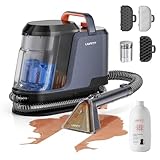
- VC Score10.0
BCP Score is a ranking system developed by bestcleanerproducts.com. BCP Score has no relationship or impact from any manufacturers or sales agent websites. Learn more
- Branduwant

- VC Score9.6
BCP Score is a ranking system developed by bestcleanerproducts.com. BCP Score has no relationship or impact from any manufacturers or sales agent websites. Learn more
- BrandShark
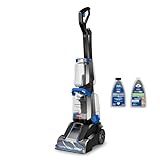
- VC Score9.0
BCP Score is a ranking system developed by bestcleanerproducts.com. BCP Score has no relationship or impact from any manufacturers or sales agent websites. Learn more
- BrandBissell

- VC Score9.0
BCP Score is a ranking system developed by bestcleanerproducts.com. BCP Score has no relationship or impact from any manufacturers or sales agent websites. Learn more
- BrandBissell
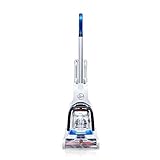
- VC Score8.8
BCP Score is a ranking system developed by bestcleanerproducts.com. BCP Score has no relationship or impact from any manufacturers or sales agent websites. Learn more
- BrandHoover

- VC Score8.8
BCP Score is a ranking system developed by bestcleanerproducts.com. BCP Score has no relationship or impact from any manufacturers or sales agent websites. Learn more
- BrandHoover

- VC Score8.8
BCP Score is a ranking system developed by bestcleanerproducts.com. BCP Score has no relationship or impact from any manufacturers or sales agent websites. Learn more
- BrandHoover

- VC Score8.8
BCP Score is a ranking system developed by bestcleanerproducts.com. BCP Score has no relationship or impact from any manufacturers or sales agent websites. Learn more
- BrandDirt Devil

- VC Score8.8
BCP Score is a ranking system developed by bestcleanerproducts.com. BCP Score has no relationship or impact from any manufacturers or sales agent websites. Learn more
- BrandBissell

- VC Score8.2
BCP Score is a ranking system developed by bestcleanerproducts.com. BCP Score has no relationship or impact from any manufacturers or sales agent websites. Learn more
- BrandHoover
Last update on 2026-06-27 / Affiliate links / Images, Product Titles, and Product Highlights from Amazon Product Advertising API
How To Use Vacuum Carpet Shampooer Without Ruining Results
Dirty carpet has a sneaky way of making the whole room feel older than it is. A few spills, pet tracks, snack crumbs, and damp shoe marks can settle in fast, then regular vacuuming only skims the surface. That is where how to use vacuum carpet shampooer becomes more than a cleaning question. The real trick is learning how to wash the fibers, pull out moisture, and avoid the sticky residue that makes carpet look dirty again too soon.
How To Use Vacuum Carpet Shampooer
A carpet shampooer works by spraying a mix of water and cleaning solution into the carpet, agitating the fibers, then sucking dirty water back into a recovery tank. Sounds simple, right? Still, plenty of carpets end up too wet because the machine is pushed too quickly or the suction path gets blocked. Slow passes and steady extraction make the biggest difference.
Start with a dry vacuum before adding any water. Loose dirt turns into muddy sludge once it meets cleaning solution, and that mess is harder to remove than dry debris. Use overlapping passes with a regular vacuum, especially near doors, under tables, and along sofa edges. For hard surfaces around the carpeted area, a separate tool like a cordless stick vacuum for concrete floors can help clear grit before it gets tracked back onto damp carpet.
Check the carpet label or manufacturer notes before using hot water or detergent. Some fibers handle warm water well, while others need a gentler touch. A hidden spot test is worth the tiny effort because color bleeding and texture changes are not fun surprises. Let the tested spot dry before judging it, since wet carpet can look darker than it really is.
Move furniture out of the way or place foil under wooden legs if pieces must stay in the room. Damp carpet can pull stain from wood or rust from metal feet. That small prep step protects both the carpet and the furniture. It also gives the machine more room to move in straight, controlled lines.
Prepare The Carpet Before Shampooing
Preparation feels boring until it saves the job. Pick up toys, cords, plant stands, and small rugs before starting. The shampooer needs a clear path so the brush roll can make even contact with the carpet. Skipping this step often leaves awkward dirty patches around obstacles.
Dry vacuuming should be slow, not a quick once-over. Carpet hides grit deep between fibers, especially in busy walking lanes. Go north to south, then east to west if the carpet looks heavily soiled. That cross-pattern helps lift embedded debris before moisture enters the picture.
Pre-treat stains without drowning them. A little spot cleaner, given time to sit, usually performs better than a heavy splash of detergent. Blot stains instead of rubbing them because rubbing can fray fibers and spread the mark. Coffee, pet accidents, and tracked-in mud each behave differently, so patience beats panic.
Plan your exit route before filling the tank. Clean from the farthest corner toward the doorway so you do not walk over damp areas. Keep towels nearby for drips when removing or refilling tanks. A tidy setup keeps the whole process smoother and cuts down on those annoying little messes that happen mid-clean.
Set Up The Machine The Smart Way
Use the recommended amount of cleaning solution, not a generous guess. More detergent does not mean cleaner carpet. In fact, excess soap can leave sticky residue that grabs dirt faster after the carpet dries. The measuring cap exists for a reason, even if eyeballing it feels quicker.
Fill the clean water tank with the temperature your machine allows. Many carpet shampooers use warm water, but boiling water can damage seals, tanks, or carpet backing. Snap the tank firmly into place before turning the machine on. A loose tank can cause weak spray, leaks, or uneven cleaning.
Inspect the nozzle and brush area before the first pass. Hair, lint, and old carpet fuzz can block suction and reduce extraction. That matters because wet carpet needs strong airflow to recover dirty water. Weak pickup can make the floor feel soggy long after the cleaning is done.
Listen to the machine during setup and early passes. A sudden change in sound can point to a tank that is full, a clog, or a loose part. Bissell-style machines are especially sensitive to tank seating and nozzle blockage, so this guide on fix bissell carpet cleaner suction fits naturally if pickup feels weak. Strong suction is the backbone of faster drying and cleaner results.
Use Slow Passes For Better Extraction
Speed is the enemy of good carpet shampooing. Push the machine forward while pressing the trigger to release solution, then pull it back slowly to scrub and extract. Release the trigger and make another slow dry pass over the same lane. That extra suction pass removes more dirty water and helps prevent over-wetting.
Overlap each lane by a few inches. Straight lines reduce streaks and make the carpet look evenly cleaned after drying. Rushing in random directions can leave tiger-striping, especially on plush or light-colored carpet. A steady pattern gives the brush roll and suction system time to do their job.
Traffic lanes need extra care but not endless soaking. Doorways, hallways, and favorite sitting spots often collect body oils, dust, and crushed-in soil. Make one wet pass, then two dry passes before deciding whether another round is needed. That approach balances deep cleaning with sensible moisture control.
Empty the dirty water tank before it gets completely full. A packed recovery tank can reduce suction and splash dirty water inside the machine. The water will probably look nasty, and yes, that is normal. Seeing it is oddly satisfying, but the real win is getting that grime out of the carpet instead of spreading it around.
Handle Stains Without Making Them Worse
Stains need a calm hand. Dumping more shampoo onto a dark spot can push residue deeper into the carpet backing. Blot first, pre-treat lightly, and give the cleaner time to loosen the mess. Then use the shampooer with controlled passes instead of aggressive scrubbing.
Pet stains deserve special caution because odor can sit below the visible mark. Use a cleaner made for pet messes if the machine and carpet allow it. Plain carpet shampoo may improve the surface but leave odor trapped underneath. Too much water can also spread the problem wider, which nobody wants.
Old stains may reappear as the carpet dries. This usually happens because residue in the backing wicks upward into the fibers. A second light cleaning after the carpet dries can help, but soaking the area repeatedly is a bad bargain. Controlled moisture and strong extraction matter more than muscle.
Greasy stains from food, lotion, or tracked-in garage grime can be stubborn. Warm water and proper detergent help break down oily residue, but the machine still needs time. Work slowly and keep checking the recovery tank. If the water keeps coming up dark, the carpet is telling you the soil load is still heavy.
Avoid Over-Wetting And Sticky Residue
Over-wetting is one of the most common carpet shampooer mistakes. Carpet padding can hold moisture like a sponge, especially in thick pile or older installations. Once the backing gets too wet, drying slows down and odors can develop. Smart cleaning means using enough solution to loosen soil, then relying on extraction strength to pull it back out.
Use plain water rinse passes if the carpet feels soapy. Detergent left behind can make fibers feel stiff, tacky, or dull after drying. A rinse pass should be light, followed by dry extraction passes. That simple step can make carpet feel fresher under bare feet.
Do not keep pressing the trigger during every pass. Spray on the forward pass, then release and extract on the backward pass. After that, make at least one dry pass with no spray. This rhythm helps the carpet dry faster and lowers the risk of residue buildup.
Fans can help, but they cannot fix soaked carpet by themselves. Open windows if weather allows, turn on ceiling fans, and keep air moving across the room. Avoid walking on damp carpet because shoes and socks can press dirt into softened fibers. Give the carpet breathing room while moisture evaporates.
Keep Floors Cleaner After Shampooing
Freshly cleaned carpet can attract dirt quickly if the rest of the home is dusty. Entryways, hard floors, and pet paths all feed soil back into carpeted rooms. A small routine helps protect the results without turning cleaning into a full-time hobby. Daily crumbs and grit are easier to control than deep grime later.
Robot vacuums can help maintain surface debris between shampooing sessions. They will not replace deep extraction, but they can reduce the amount of dry soil that sinks into fibers. For budget-friendly maintenance between heavier cleans, compare a robotic vacuum under 500 before dirt gets ground into traffic lanes. Less dry grit means the next shampooing session has a better starting point.
Use doormats at exterior doors and actually clean them. A dirty mat becomes a dirt dispenser, not a barrier. Shoes track in sand, oils, pollen, and moisture that carpet fibers hold onto. A simple shoe-off habit can stretch the clean look much longer.
Clean spills early instead of waiting for a full-room shampoo. Blot liquids with a clean towel, then treat the spot based on the spill type. Fast action keeps stains from bonding deeply with fibers. That small habit protects carpet appearance and reduces the need for aggressive cleaning later.
Best Practices For Using A Vacuum Carpet Shampooer
Freshly cleaned carpet can still disappoint if drying takes forever or strange odors start showing up a day later. Those issues usually have less to do with the machine and more to do with the habits surrounding the cleaning process. Building a few smart routines around how to use vacuum carpet shampooer helps protect the effort you've already invested. Small adjustments often create the biggest improvement in long-term carpet appearance.
Speed Up Carpet Drying After Cleaning
Drying starts the moment the shampooing ends. Carpet that stays damp too long can develop a musty smell and attract dirt much faster than expected. Open windows if outdoor humidity is reasonable and use fans to create steady airflow. Better air movement supports faster moisture removal and helps carpet fibers recover their shape.
Ceiling fans can help, but floor fans aimed directly across the carpet usually move more air where it matters. Position fans so air travels across the room instead of blowing into a wall. This setup encourages moisture to leave the carpet surface more efficiently. A combination of ventilation and airflow creates a noticeable difference in drying performance.
Avoid placing furniture back too soon. Heavy furniture traps moisture and can create dark pressure marks on damp fibers. Waiting a little longer protects the carpet and reduces the risk of transferring stains from furniture legs. Patience during drying often rewards you with a cleaner-looking floor.
Foot traffic should stay light until the carpet feels fully dry. Walking across damp fibers can flatten the pile and introduce new dirt before the cleaning job is complete. Clean socks are better than shoes if entering the room is unavoidable. Protecting the surface during this stage preserves the benefits of deep extraction cleaning.
Know When A Second Cleaning Pass Helps
Not every carpet needs repeated shampooing. Some rooms respond beautifully after a single thorough cleaning, while others need a second pass because years of dirt have settled into the fibers. The trick is evaluating the carpet after it dries rather than while it is still wet. Damp fibers can hide or exaggerate certain stains.
Traffic lanes often reveal whether additional cleaning is worthwhile. If a hallway still appears darker than surrounding areas after drying, another targeted cleaning may help. Focus on the affected sections rather than repeating the entire room. This approach reduces moisture exposure while addressing persistent soil buildup.
Pet areas deserve special attention. Repeated accidents can leave residue beneath the visible surface. One cleaning cycle may improve appearance without completely removing trapped odors. Spot-focused treatment combined with strong extraction usually produces better results than repeatedly soaking the entire carpet.
Pay attention to texture as well as appearance. Carpet that still feels sticky or stiff after drying may contain leftover detergent. A water-only rinse pass can help remove excess residue. That extra step often improves both the feel and longevity of the carpet.
Protect Carpet Between Deep Cleaning Sessions
Maintenance is much easier than restoration. A few minutes of routine vacuuming each week prevents dirt from becoming embedded deep within the fibers. Consistent care extends the time between shampooing sessions and keeps carpets looking fresher overall. Dirt that stays near the surface is far easier to remove than dirt packed into the backing.
Entryways deserve special attention because they collect debris from outside. Leaves, small sticks, and grit often travel farther into the home than expected. For outdoor cleanup before debris reaches indoor carpet, consider a best lawn sweeper sticks solution around patios and walkways. Less debris outdoors means fewer cleaning challenges indoors.
Area rugs near entrances can act as the first line of defense. They catch dirt before it reaches wall-to-wall carpeting. Washing these smaller rugs regularly prevents them from becoming hidden sources of dust and grime. A simple barrier can significantly reduce carpet wear in busy areas.
Rotating furniture occasionally also helps. Heavy items create wear patterns that become more noticeable over time. Small layout adjustments spread foot traffic across different sections of the room. That change helps maintain a more uniform carpet appearance.
Common Shampooer Mistakes That Cause Problems
Using too much detergent remains one of the biggest mistakes people make. Extra soap does not create extra cleaning power. Instead, it often leaves residue that attracts dirt faster than before. Following the manufacturer's dilution recommendations supports cleaner and longer-lasting results.
Skipping dry vacuuming before shampooing creates unnecessary work for the machine. Loose dirt combines with moisture and forms a muddy mixture that is harder to remove. A thorough vacuum pass gives the shampooer a better chance to target deeper contamination. Preparation often determines the quality of the final outcome.
Moving the machine too quickly is another common issue. Fast passes reduce contact time between the cleaning solution, brush system, and carpet fibers. Slower movement allows dirt to loosen while improving extraction efficiency. The difference becomes obvious when comparing drying times and overall cleanliness.
Ignoring maintenance can quietly reduce performance. Dirty filters, clogged nozzles, and neglected recovery tanks interfere with suction and water flow. Regular cleaning of machine components protects consistent extraction power. A well-maintained shampooer generally performs more reliably over time.
Maintain The Shampooer For Better Results
Cleaning the machine after every use may feel tedious, but it prevents a surprising number of future problems. Residual dirty water left in tanks can create unpleasant odors and bacterial growth. A quick rinse takes only a few minutes and protects overall performance. Fresh equipment contributes to more effective cleaning sessions.
Brush rolls deserve regular inspection. Hair, thread, and carpet fibers often wrap around moving parts and reduce agitation efficiency. Removing buildup allows brushes to contact carpet properly. Better brush action helps loosen dirt before suction removes it.
Check hoses and nozzles periodically for blockages. Even small obstructions can weaken spray patterns or reduce water recovery. If cleaning performance suddenly drops, a hidden clog may be responsible. Routine inspection helps prevent frustrating troubleshooting later.
Store the machine in a dry location once everything has been cleaned and allowed to air dry. Moisture trapped inside tanks or hoses can create odors that transfer back onto carpet during the next use. Proper storage protects both the machine and the cleaning results you expect.
Balance Carpet Care With Hard Floor Cleaning
Many homes include both carpet and hard flooring, which means dirt constantly travels between surfaces. A cleaning plan that addresses only carpet often leaves part of the problem unresolved. Hard floors collect dust, pet hair, and grit that eventually migrate back onto carpeted rooms. Coordinating both cleaning routines produces more consistent results.
Vinyl flooring requires a different approach than carpet because excessive moisture can create its own issues. Dedicated tools help remove dust and debris without over-wetting the surface. If hard floors make up a large portion of the home, a best canister vacuum vinyl floors option can simplify routine maintenance between carpet cleaning sessions.
Cleaning hard surfaces before shampooing carpet often makes sense. Dirt removed from vinyl, tile, or laminate floors cannot be tracked back onto freshly cleaned carpet. That sequence reduces contamination and supports a cleaner final result. Small workflow adjustments can improve efficiency without adding extra effort.
A consistent cleaning rhythm usually beats occasional intensive cleaning marathons. Carpets stay fresher, drying becomes less stressful, and stains are easier to address early. Combining regular vacuuming, targeted spot treatment, and proper shampooer use helps maintain cleaner fibers, better appearance, and longer carpet life.


How to Refinish a Fiberglass Pool

How Do You Keep Raccoons Out of Your Pool?

How to Fix Cyanuric Acid in Your Pool

How to Shape a Pool Cue Tip to Stop Miscues

Best Far Infrared Sauna Sauna Heats: Top Picks of 2026

11 Best Far Infrared Sauna Carbon Fiber Heaters of 2026 For Balanced Full-Body Heat

11 Best Carbon Far Infrared Sauna of 2026 For Even Heat

10 Best Bluetooth Speaker For Sauna of 2026 For Heat and Steam


