
How to Use Vacuum Blackhead Remover Without Mistakes

How to Use Vacuum Blackhead Remover sounds simple on paper, yet plenty of people end up with redness, bruising, or disappointing results because they skip a few important steps. Pores packed with oil, dead skin, and debris can be stubborn. A suction tool may help loosen surface buildup, but technique matters far more than most expect.
Fresh out of the box, a vacuum blackhead remover can look like a quick fix for visible congestion. That expectation often leads to overly aggressive suction settings and repeated passes over the same area. Skin rarely responds well to that approach. Gentle pressure and patience usually create a cleaner, more comfortable experience.
Preparation plays a huge role in success. Warm steam, a shower, or a softening skincare routine can help make pore contents easier to lift. Skipping this stage often leaves people wondering why the tool seems ineffective. A little prep work can make the entire process smoother.
Proper suction levels deserve just as much attention. Starting with the lowest setting allows skin to adjust while reducing the chance of irritation. Stronger settings aren't automatically better. In fact, excessive suction may leave temporary marks that take days to fade.
Movement is another detail that's easy to overlook. The device should glide continuously across the skin instead of sitting in one spot. Holding the tip in place for too long can create bruising even on healthy skin. Slow, controlled passes generally deliver more balanced results.
Different areas of the face react differently. The nose often tolerates treatment better than delicate areas around the cheeks or under the eyes. Sensitive zones may require lighter settings or complete avoidance. Paying attention to skin response helps prevent unnecessary irritation.
Post-treatment care can make or break the outcome. After suction, skin may feel slightly warm or look mildly pink. A soothing moisturizer, hydrating serum, or calming mask can help support recovery. Harsh exfoliants immediately afterward may create more problems than benefits.
Consistency matters more than frequency. Running a vacuum blackhead remover every few days won't necessarily improve results. Overuse can stress the skin barrier and increase sensitivity. A balanced routine paired with regular cleansing often delivers a more polished appearance over time.
Realistic expectations are equally important. Deep blackheads and long-standing congestion may not disappear after a single session. Gradual improvement tends to be the norm. Viewing the device as one part of a broader skincare routine often leads to greater satisfaction.

- VC Score9.8
BCP Score is a ranking system developed by bestcleanerproducts.com. BCP Score has no relationship or impact from any manufacturers or sales agent websites. Learn more
- BrandFLYMOOO

- VC Score9.4
BCP Score is a ranking system developed by bestcleanerproducts.com. BCP Score has no relationship or impact from any manufacturers or sales agent websites. Learn more
- BrandLITUEPET
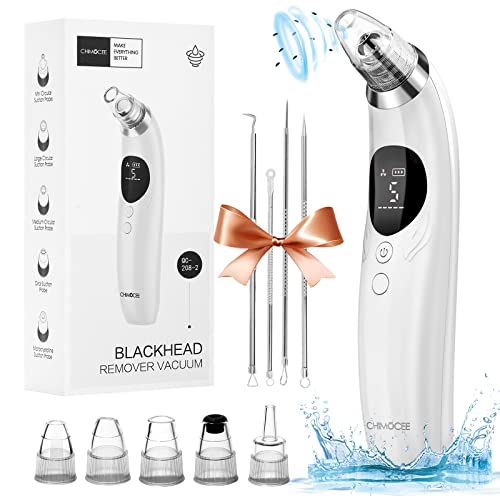
- VC Score8.8
BCP Score is a ranking system developed by bestcleanerproducts.com. BCP Score has no relationship or impact from any manufacturers or sales agent websites. Learn more
- BrandCHIMOCEE

- VC Score8.6
BCP Score is a ranking system developed by bestcleanerproducts.com. BCP Score has no relationship or impact from any manufacturers or sales agent websites. Learn more
- BrandGackoko

- VC Score8.6
BCP Score is a ranking system developed by bestcleanerproducts.com. BCP Score has no relationship or impact from any manufacturers or sales agent websites. Learn more
- BrandEssy

- VC Score8.2
BCP Score is a ranking system developed by bestcleanerproducts.com. BCP Score has no relationship or impact from any manufacturers or sales agent websites. Learn more
- BrandOttleba

- VC Score8.0
BCP Score is a ranking system developed by bestcleanerproducts.com. BCP Score has no relationship or impact from any manufacturers or sales agent websites. Learn more
- BrandGackoko

- VC Score7.6
BCP Score is a ranking system developed by bestcleanerproducts.com. BCP Score has no relationship or impact from any manufacturers or sales agent websites. Learn more
- BrandVOYOR

- VC Score7.4
BCP Score is a ranking system developed by bestcleanerproducts.com. BCP Score has no relationship or impact from any manufacturers or sales agent websites. Learn more
- BrandBAIIKO

- VC Score6.0
BCP Score is a ranking system developed by bestcleanerproducts.com. BCP Score has no relationship or impact from any manufacturers or sales agent websites. Learn more
- BrandFREESHOW
Last update on 2026-06-07 / Affiliate links / Images, Product Titles, and Product Highlights from Amazon Product Advertising API
How To Use Vacuum Blackhead Remover Safely
Clogged pores can make a clean face feel weirdly unfinished, especially after a solid cleanse and a careful skincare routine. A suction device can look tempting because how to use vacuum blackhead remover sounds like a quick bathroom-counter fix, but skin doesn't love rough shortcuts. The trick is using gentle suction, smart prep, and steady movement instead of treating the tool like a tiny power washer for your nose.
Vacuum Blackhead Remover
A vacuum blackhead remover works by creating controlled suction over the skin to help lift oil, dead skin, and loose debris from the surface of pores. That sounds simple, sure, but the skin around the nose and cheeks can be touchy. Too much pressure can leave red marks, tenderness, or tiny bruises that look worse than the blackheads did. Gentle use matters more than raw power.
The biggest mistake is expecting the tool to pull out every clogged pore in one session. Skin buildup often sits deeper than the device can safely reach, especially if pores haven't been softened first. A better goal is gradual improvement, not a dramatic before-and-after moment. That mindset helps prevent overuse, which is where trouble usually starts.
Blackheads also aren't dirt, even though they look dark. They form when oil and dead skin oxidize at the pore opening, so scrubbing harder won't magically erase them. A vacuum tool may help with surface congestion, but it works best beside cleansing, light exfoliation, and good moisture balance. Think of it as a helper, not the whole skincare plan.
People with delicate, dry, acne-prone, or easily flushed skin need extra caution. Strong suction can aggravate sensitivity, especially around active breakouts or inflamed areas. A calm, measured approach keeps the routine from backfiring. Skin should look refreshed afterward, not angry and overworked.
Prep Skin Before Using Suction
Clean skin gives the device a better shot at doing its job. Start with a mild cleanser that removes sunscreen, makeup, sweat, and surface oil without leaving the face tight. This step reduces the chance of dragging grime across the skin while using the tool. A clean base also helps the suction tip glide more evenly.
Warmth helps soften stubborn buildup. A warm shower, a damp warm towel, or facial steam can make pores feel more relaxed before suction begins. Keep it comfortable, not scorching, because overheated skin becomes easier to irritate. Softened pores usually respond better to low suction and fewer passes.
Dry the face lightly before using the tool. Damp skin may cause the tip to slip, while overly dry skin can feel grabby and uncomfortable. Slightly hydrated skin with no heavy cream on top is usually easier to work with. That balance supports smoother movement and less tugging.
Also, check the suction head before it touches your face. A clean tip matters because old oil and residue can transfer back onto skin. Wash removable heads as directed and let them dry fully between uses. Small hygiene habits make a big difference with pore care.
To keep cleaning routines practical beyond skincare, compare hands-free floor maintenance with a robot vacuum for basement if dust and debris keep settling in low-traffic spaces.
Start With The Lowest Suction Setting
The lowest setting is the safest place to begin, even if the device has stronger modes that look more satisfying. Skin needs a chance to react before you increase intensity. Try the tool on a less visible area first, such as the side of the jaw, and wait to see how your skin responds. This patch-style check can save you from unwanted redness across the nose.
Higher suction doesn't automatically mean cleaner pores. Strong pull can stretch tiny blood vessels near the surface, especially on thin or sensitive skin. That can leave marks that hang around longer than expected. Controlled suction beats brute force every time.
Keep the device moving in short, smooth strokes. Don't park it on one spot while hoping it grabs more debris. That single habit is one of the easiest ways to avoid bruising. Steady movement protects the skin while still giving the tool a fair chance to lift loosened buildup.
Work in small sections instead of roaming randomly across the face. The nose, chin, and center forehead usually handle suction better than the cheeks or under-eye area. Skip inflamed pimples, broken skin, sunburn, and irritated patches. Those areas need healing, not extra stress.
Use The Right Motion Around The Nose
The nose often gets the most attention because blackheads show up there fast. Move the suction tip from the bridge downward along the sides, then across the rounded areas in controlled passes. Keep each pass brief and avoid dragging too aggressively. The goal is even pressure, not scraping.
Curved areas can make the device lose contact, so adjust the angle instead of pressing harder. A slight tilt can help the suction head seal without forcing it into the skin. Pressing harder may feel productive, but it usually increases irritation. Better contact with lighter pressure is the smarter move.
The chin can be tricky because congestion often sits in tiny textured bumps. Use slow, straight strokes rather than circular scrubbing. If the tool catches or pulls, stop and reposition. Skin tugging is a sign to reduce pressure or switch to a gentler head.
Cheeks deserve caution, especially if they flush easily. Many people can treat the nose comfortably but get redness on the cheeks within seconds. Use the lowest setting or skip that area altogether. A vacuum remover doesn't need to touch every inch of the face to be useful.
For a simple hands-on craft break after skincare chores, shape something decorative with make pipe cleaner rose and give your hands something calmer to do.
Know What Results Are Realistic
A vacuum blackhead remover can help reduce the look of surface congestion, but it won't shrink pores permanently. Pore size is influenced by genetics, oil production, age, and skin elasticity. A cleaner pore may look smaller for a while, yet the opening itself doesn't vanish. Realistic expectations keep skincare frustration from taking over.
Some blackheads respond quickly after proper prep. Others barely move because they're deeper, compacted, or not true blackheads at all. Sebaceous filaments, for example, are normal oil structures that often return quickly after removal. Trying to erase them completely can lead to over-cleansing and irritation.
Professional skin care advice often leans toward gentle consistency instead of aggressive extraction. The American Academy of Dermatology has long emphasized that squeezing or picking can worsen irritation and scarring risk. That same logic applies here. A device may feel cleaner than fingers, but rough technique still causes problems.
Watch your skin after each session. Mild pinkness that fades fairly soon is different from bruising, swelling, burning, or lingering tenderness. If skin complains, take the hint and pause use. Healthy-looking results come from respecting those signals, not pushing past them.
Keep Sessions Short And Spaced Out
Short sessions are easier on the skin. Aim for a quick treatment on congested areas rather than a long full-face routine. Spending too much time in one session can weaken the skin barrier and create a blotchy finish. A few careful passes beat a marathon every single time.
Frequency depends on skin tolerance, but daily suction is usually too much. Many people do better with occasional use while relying on cleansing, moisturizing, and mild exfoliation between sessions. The skin barrier needs recovery time. Without that recovery, dryness and sensitivity can creep in fast.
Spacing sessions also helps you see what actually works. If you use the tool too often, it's hard to tell whether redness came from suction, exfoliation, cleanser, or weather changes. Give your face room to settle. Clear feedback makes the routine easier to adjust.
Tradeoffs matter here. Using the tool less often may feel slower, but it lowers the chance of visible marks and irritation. That slower rhythm can still support cleaner-looking pores without turning skincare into damage control. Patience isn't flashy, but it saves skin.
For cleaning larger messes without blowing the budget, compare a robot vacuum mop under 1000 that handles floors while your skincare routine stays focused on your face.
Step-By-Step Vacuum Blackhead Remover Routine
Many people struggle to see lasting improvements even after using suction devices consistently. A structured routine makes a huge difference, turning sporadic attempts into a reliable skincare habit. The key is pairing gentle technique with proper timing and post-care treatment to minimize irritation while boosting visible results.
Gentle Circular Motion
Using slow, controlled circular motions helps prevent excessive pressure while maximizing the lift of surface debris. This method distributes suction evenly across pores, reducing the risk of bruising and redness. Focus on congested zones like the nose and chin, moving consistently rather than pausing in one spot.
Overlapping motions slightly can improve extraction without harshness. Avoid back-and-forth scrubbing, which can stress the skin. This approach keeps treatment precise and comfortable, even on sensitive areas.
Circle-based movements also make it easier to adjust suction on the fly. If skin reacts with irritation, lifting or reducing pressure immediately prevents damage. Observing skin response becomes a built-in safety measure during the routine.
Different pore types respond differently. Larger pores may release debris faster, while smaller pores benefit from repeated, gentle passes. Adapting motion for each area ensures consistent effectiveness without overworking the skin.
Time Management For Each Session
Short sessions prevent over-stressing the skin. Aim for five to ten minutes per session, focusing on key areas. Quick, targeted passes often yield better outcomes than long, exhaustive routines. This helps maintain skin barrier integrity while still removing noticeable surface congestion.
Spacing sessions every few days allows skin to recover and respond. Frequent daily use may trigger sensitivity, dryness, or persistent redness. Tracking results over time helps determine the ideal frequency for balanced pore care.
Breaking down the face into zones like nose, cheeks, and chin helps allocate time efficiently. Each zone can receive attention based on how congested it is, prioritizing areas that show more buildup. Time management ensures the treatment is effective yet gentle.
Consistency beats intensity. Regular, controlled sessions prevent flare-ups and reduce the temptation to increase suction. Following a structured time plan supports long-term pore clarity and skin comfort.
Post-Treatment Care
After suction, skin may feel warm, pink, or slightly tender. Applying a calming moisturizer, hydrating serum, or aloe-based gel soothes irritation and maintains hydration. Post-treatment care is as crucial as extraction itself for achieving lasting improvement.
Avoid harsh exfoliants or retinol immediately after treatment. These can worsen sensitivity or trigger redness. Gentle products maintain the skin barrier and complement the benefits of suction without causing harm.
Cold compresses can also help reduce swelling or temporary redness, especially on areas prone to flushing. Using soothing techniques reinforces the results and makes the routine feel comfortable. Attention to post-care is a key factor in maintaining skin health.
Incorporating sunscreen afterward protects newly exposed skin. Extraction can temporarily increase sensitivity to UV rays. Protecting skin prevents pigment issues and preserves the clarity and tone gained from the session.
Cleaning And Maintenance Of The Device
Proper cleaning of the device tip prevents contamination and buildup. Rinse removable heads under warm water after every session and disinfect periodically. Clean equipment ensures hygienic use and reduces the risk of irritation or infection.
Inspect suction tips for cracks or damage. Worn-out components can cause uneven pressure and diminish effectiveness. Regular maintenance extends the life of the device and supports safe use.
Store the device in a dry, protected area. Moisture can harbor bacteria, and accidental drops can affect performance. Careful storage preserves optimal function over time.
Follow manufacturer instructions for battery charging and part replacement. Proper upkeep prevents unexpected breakdowns, ensuring your routine remains uninterrupted. Maintenance habits reflect long-term reliability.
Combining With Complementary Skincare
Using a vacuum blackhead remover works best alongside consistent cleansing and moisturizing routines. Gentle exfoliation a few times a week enhances pore clearance without over-stressing skin. Pairing methods provides balanced results rather than relying solely on suction.
Lightweight serums with niacinamide or salicylic acid can complement mechanical extraction. These ingredients help manage oil production and minimize pore visibility. Combining methods addresses both surface and underlying factors for improved skin texture.
Adjust routines seasonally. In winter, skin may be drier, necessitating lower suction and more hydration. Summer may require shorter sessions but more frequent cleansing. Tailoring routine maintains comfort and effectiveness throughout the year.
Layering complementary products enhances the impact of each step. Moisturizers lock in hydration post-suction, while targeted serums help maintain clarity. Together, the approach builds healthy, resilient skin.
Handling Sensitive Skin Safely
People with sensitive, rosacea-prone, or easily irritated skin should start cautiously. Use minimal suction and avoid prolonged contact in any one spot. Sensitivity management is a major key factor for safe and effective treatment.
Testing on a small area first can reveal how skin will react. Pinkness that fades quickly is acceptable; persistent redness indicates adjustment is needed. Observing these signals prevents long-term damage and supports consistent comfort.
Avoid treating broken skin, active acne, or sunburn. The device is designed for surface congestion, not wounds or inflamed lesions. Careful selection of treatment zones ensures safe outcomes.
Adjust suction heads to softer tips if irritation persists. Flexible heads distribute pressure more evenly, protecting sensitive areas. Adapting tools and settings enhances both comfort and effectiveness.
Monitoring Results Over Time
Track improvements gradually. Surface blackheads may clear quickly, but deeper congestion takes multiple sessions. Noticing subtle changes in pore size and skin tone helps fine-tune routine. Patience is a key component of sustainable results.
Photo tracking can help identify patterns and determine which areas respond best. Seeing progress reinforces consistent use without overdoing suction. Visual feedback supports smarter skincare decisions.
Adjust routine based on results. If redness, irritation, or dryness occurs, modify suction, session length, or frequency. Dynamic adaptation ensures the routine stays effective while minimizing side effects. Responsive skincare prevents setbacks.
Over time, the goal is smoother, cleaner-looking pores with minimal discomfort. Consistent, measured use of the device alongside good skincare habits creates a reliable approach. This strategy builds long-lasting skin health.
Optimizing For Long-Term Skin Health
Balancing extraction with hydration, gentle cleansing, and sunscreen protects the skin barrier. Over-reliance on mechanical methods without supportive care can compromise skin resilience. The smarter path is integrating suction as a part of a holistic approach.
Rotate treatments with chemical exfoliants or masks that target congestion. Alternating methods prevents over-stimulation while still addressing pore visibility. Variety in care maintains consistent improvement.
Invest in devices that are easy to clean and durable. Quality tools reduce frustration and prevent hygiene-related issues. Long-term usability enhances routine adherence and encourages regular, safe use.
Pair device use with lifestyle habits like balanced diet, hydration, and stress management. Healthy skin responds better to treatments and maintains clarity longer. Supporting internal factors boosts overall skin vitality while optimizing vacuum blackhead removal results.
For more intensive maintenance without the fuss, compare a dyson vacuum for small apartment to handle debris accumulation efficiently alongside your skincare rituals.


How to Refinish a Fiberglass Pool

How Do You Keep Raccoons Out of Your Pool?

How to Fix Cyanuric Acid in Your Pool

How to Shape a Pool Cue Tip to Stop Miscues

Best Far Infrared Sauna Sauna Heats: Top Picks of 2026

11 Best Far Infrared Sauna Carbon Fiber Heaters of 2026 For Balanced Full-Body Heat

11 Best Carbon Far Infrared Sauna of 2026 For Even Heat

10 Best Bluetooth Speaker For Sauna of 2026 For Heat and Steam


