
How to Use the Vacuum Food Sealer Efficiently

Using a vacuum food sealer can completely change how you manage your kitchen and preserve your groceries. By removing air from storage bags, it slows down spoilage, locks in flavors, and keeps your food fresher for longer. This method is perfect for leftovers, bulk shopping, or meal prep, letting you cut down on waste and enjoy organized storage. Even delicate foods like fruits, cheeses, and cooked meals benefit from the sealed environment, keeping textures and taste intact.
Efficiency is key when mastering a vacuum food sealer. Prepping food into consistent portions and placing items carefully ensures a tight, reliable seal. Avoid overfilling bags or sealing liquids directly without precautions. Many devices offer different modes dry, moist, or gentle sealing allowing you to customize the process depending on the food type. Taking advantage of these options guarantees optimal preservation and prevents accidental messes.
Maintenance also matters for a vacuum food sealer. Keeping the device clean, regularly checking seals, and replacing worn gaskets prolong its lifespan. Using compatible bags and containers ensures effective suction and prevents malfunctions. Small tips like freezing sauces before sealing or folding bags correctly can save time and maintain quality. With consistent use and proper technique, a vacuum sealer can streamline meal prep, improve storage, and support healthier eating habits.
The convenience of a vacuum food sealer extends beyond preservation. You can marinate meats in minutes, portion snacks for on-the-go, and organize pantry staples efficiently. It’s not just about keeping food longer; it’s about creating a kitchen system that reduces clutter, simplifies planning, and minimizes stress. Whether storing seasonal produce or managing weekly meal prep, the device becomes an essential tool for smarter kitchen management. Over time, the habit of sealing food consistently leads to less waste, fewer grocery trips, and more freedom in cooking choices.
In short, mastering a vacuum food sealer combines smart storage, careful handling, and routine maintenance. Understanding your device’s features, pairing it with the right techniques, and being consistent in usage ensures your food stays fresh, safe, and flavorful. The benefits ripple through everyday life reducing waste, improving meal planning, and giving you control over the freshness of everything you store. A properly used vacuum sealer turns ordinary food storage into a well-orchestrated system of efficiency and reliability.

- VC Score9.6
BCP Score is a ranking system developed by bestcleanerproducts.com. BCP Score has no relationship or impact from any manufacturers or sales agent websites. Learn more
- BrandHONKID

- VC Score9.4
BCP Score is a ranking system developed by bestcleanerproducts.com. BCP Score has no relationship or impact from any manufacturers or sales agent websites. Learn more
- BrandMorepack

- VC Score9.4
BCP Score is a ranking system developed by bestcleanerproducts.com. BCP Score has no relationship or impact from any manufacturers or sales agent websites. Learn more
- BrandMoretoes

- VC Score9.4
BCP Score is a ranking system developed by bestcleanerproducts.com. BCP Score has no relationship or impact from any manufacturers or sales agent websites. Learn more
- BrandDipoo
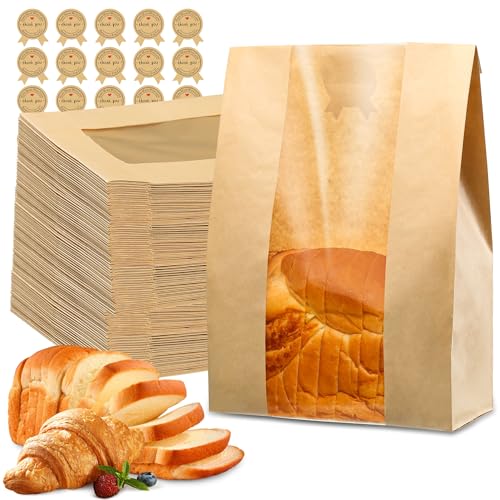
- VC Score9.2
BCP Score is a ranking system developed by bestcleanerproducts.com. BCP Score has no relationship or impact from any manufacturers or sales agent websites. Learn more
- BrandAZLTC
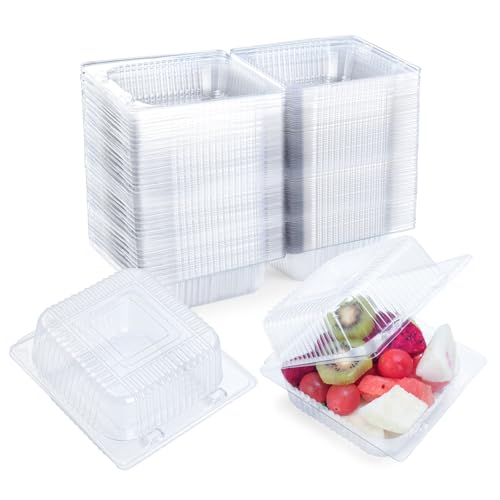
- VC Score9.2
BCP Score is a ranking system developed by bestcleanerproducts.com. BCP Score has no relationship or impact from any manufacturers or sales agent websites. Learn more
- BrandEvnlo

- VC Score9.2
BCP Score is a ranking system developed by bestcleanerproducts.com. BCP Score has no relationship or impact from any manufacturers or sales agent websites. Learn more
- BrandLOKQING

- VC Score9.0
BCP Score is a ranking system developed by bestcleanerproducts.com. BCP Score has no relationship or impact from any manufacturers or sales agent websites. Learn more
- BrandDealusy

- VC Score9.0
BCP Score is a ranking system developed by bestcleanerproducts.com. BCP Score has no relationship or impact from any manufacturers or sales agent websites. Learn more
- BrandDealusy

- VC Score8.8
BCP Score is a ranking system developed by bestcleanerproducts.com. BCP Score has no relationship or impact from any manufacturers or sales agent websites. Learn more
- BrandJizvxe
Last update on 2026-06-14 / Affiliate links / Images, Product Titles, and Product Highlights from Amazon Product Advertising API
How to Use the Vacuum Food Sealer
Struggling to keep groceries fresh beyond a couple of days can be frustrating. Bags overflowing and foods going bad before they can be used often disrupts meal planning. A vacuum food sealer steps in as a practical solution, allowing you to preserve flavors, extend shelf life, and maintain freshness without cluttering your fridge or freezer. Once you master the basics, sealing leftovers, bulk purchases, and delicate items becomes a seamless routine.
Preparing Food For Sealing
Start with clean, dry, and properly portioned food. Cutting meat or vegetables into uniform pieces ensures a more consistent seal and easier storage. Any excess moisture can interfere with the vacuum process, so patting items dry or freezing liquids briefly helps prevent messes. Organizing portions ahead of time also speeds up meal prep and ensures optimal freshness when sealing.
Be mindful of delicate items like berries or leafy greens. Placing a paper towel inside the bag or using a gentle sealing mode preserves texture and prevents crushing. The key factor here is balancing pressure with protection, so fragile foods maintain their appearance and nutritional value. It’s a simple step that makes a big difference in quality retention.
For liquids like soups or sauces, consider pre-freezing in ice cube trays before sealing. This prevents leakage and ensures the vacuum seal stays tight. Once frozen, transfer cubes to bags and seal in portions that are convenient for future use. This technique also reduces waste by enabling portion control and easy thawing.
Proper preparation is also about labeling and sorting. Adding a date and content description to each bag ensures you use items efficiently. This important point helps maintain an organized freezer, minimizing guesswork and reducing the risk of spoiled food.
Operating The Vacuum Food Sealer
Place the open end of the bag in the sealer carefully, ensuring it sits straight without wrinkles. A proper alignment is crucial to forming a tight and reliable seal. Press the appropriate mode for dry or moist food to optimize suction and protect texture. Each model may have slight differences, but the principle remains the same: ensure air is removed and the seal is solid.
Many devices feature an automatic mode that senses when sealing is complete. Pay attention to seal strength indicators if available, confirming the bag is fully closed. Incomplete seals can allow air back in, reducing shelf life and risking freezer burn. Checking each seal before storage is a small effort that ensures long-term results.
For thick or bulky items, consider folding or compressing the bag lightly. This keeps food stable during the vacuum process and prevents shifting that could weaken the seal. The key factor is maintaining even contact along the sealing bar to guarantee airtight closure. Consistency here translates to better preservation for all types of foods.
Using a vacuum food sealer regularly encourages smoother workflow. Organizing meals, snacks, and bulk ingredients becomes predictable, reducing daily stress. Over time, users notice fewer trips to the store and less spoilage, making this tool a central component of efficient kitchen management.
Choosing The Right Bag And Accessories
High-quality, compatible bags are essential for a strong seal. Cheaper or non-approved materials can tear or allow air back in, undermining the main benefit of the sealer. Look for bags labeled as multi-layered or heavy-duty, ensuring durability and longevity for stored items. Investing in the right supplies prevents frustration and improves overall performance.
Reusable containers or canisters complement bag usage for liquids or irregularly shaped items. They maintain vacuum pressure while offering flexibility in storage. The strength of pairing the correct accessories with the sealer is seen in reduced waste and consistent freshness. Experimenting with different sizes and shapes also enhances usability.
Roller-type or custom-cut bags allow users to create sizes that perfectly match portions, minimizing empty space. Less air inside the bag equals stronger preservation and more efficient freezer use. This important point combines both convenience and performance, keeping your kitchen streamlined and organized.
Consider storage solutions such as stackable containers or labeled bags in bins. Proper placement ensures quick access and reduces the likelihood of punctures or tears. The feature of organized storage extends the benefits of sealing beyond freshness, saving time and reducing hassle during meal prep.
Preventing Common Mistakes
Many users make errors that reduce effectiveness, such as overfilling bags or sealing hot foods. Allow items to cool and leave space at the top to ensure a strong seal. Taking these precautions prevents leaks and maintains freshness. Simple adjustments in technique often solve the most common issues.
Another frequent mistake is neglecting the machine’s maintenance. Dust, food particles, or liquid spills can compromise performance over time. Regular cleaning of the vacuum chamber and sealing strip ensures longevity and reliability. This attention to detail protects your investment and ensures consistent operation.
Failing to choose the correct mode for food type can also impact results. Use dry mode for most solids and moist mode for items with higher water content. Understanding the difference in modes avoids weak seals and preserves texture. Following manufacturer guidance ensures each seal is secure and effective.
Lastly, ignore no pre-freezing for delicate liquids or extremely soft foods. The important factor here is patience; freezing partially prevents crushing and maintains quality. These small steps collectively safeguard the key benefits of using a vacuum sealer effectively.
Extending Shelf Life And Storage Tips
A properly sealed bag dramatically extends shelf life, often doubling or tripling freshness compared to traditional storage. Store items at appropriate temperatures and organize by type to maximize this key factor. Consistency in storage reduces waste and ensures foods remain flavorful and safe to consume.
Stack bags flat in the freezer to save space and prevent deformation. Vacuum-sealed items are easier to store and thaw quickly. The benefit of flat stacking also protects fragile foods and improves access during busy meal prep. Efficient storage methods amplify the sealer’s value in daily use.
Labeling bags with dates and contents is critical. Clear information prevents confusion and ensures first-in, first-out usage. This important point aligns with better meal planning and reduces accidental spoilage. Over time, this habit streamlines kitchen workflow and supports organized living.
Consider rotating supplies and monitoring usage patterns. Regularly inspecting seals and consuming older items first maintains quality across your pantry. These key factors in management complement the sealing process, maximizing both convenience and preservation.
Marinating And Cooking With Vacuum-Sealed Food
Marinating under vacuum pressure speeds up flavor absorption. Liquids penetrate more deeply, resulting in more flavorful dishes in less time. The benefit of vacuum marination is not only taste improvement but also consistent seasoning throughout.
Cooking directly in vacuum-sealed bags can preserve moisture and reduce nutrient loss. Sous vide techniques utilize the sealed environment for gentle, even cooking. Ensuring proper temperature control enhances the strength of this method, yielding consistent results every time.
Vacuum-sealed ingredients maintain texture better than traditional methods. Steaks, vegetables, and seafood retain their integrity and appearance. This key factor improves presentation and enjoyment, especially when serving meals at home or for gatherings.
Always follow recommended safety guidelines for cooking with sealed bags. Avoid using low-quality or non-food-safe materials. Awareness of critical safety points ensures both flavor and health benefits, letting users fully enjoy the advantages of vacuum sealing.
Maintaining Your Vacuum Sealer
Regular maintenance preserves efficiency and prevents malfunctions. Wipe down sealing strips, clean chambers, and inspect gaskets periodically. This important point keeps the machine running smoothly and extends its usable life. Neglecting maintenance reduces performance and compromises the main benefit of fresh storage.
Replace worn or damaged parts as needed. Filters, gaskets, and seals wear over time, impacting suction and seal integrity. Attending to these details preserves strength and effectiveness. A well-maintained device ensures reliability for every sealing task.
Store the sealer in a dry, clean area. Exposure to moisture or dust can degrade electrical components and compromise operation. Taking care of the device ensures optimal performance and reduces downtime, emphasizing the importance of maintenance.
Consult manufacturer guidelines for model-specific recommendations. Following instructions protects warranties and preserves efficiency. Paying attention to these key factors guarantees the vacuum food sealer remains a trusted tool in daily kitchen routines.
Enhancing Meal Prep Efficiency
Using a vacuum food sealer reduces prep time and organizes ingredients for quick cooking. Pre-portioned meals or snack packs simplify daily routines. This benefit allows for less stress during busy schedules and more consistent meal planning.
Combining sealing with batch cooking streamlines your weekly workflow. Cook once, seal, and store efficiently. The important point here is that it minimizes repetition while maintaining freshness, freeing up time for other tasks.
Labeling and categorizing sealed foods enhances accessibility. Knowing exactly what’s available at a glance prevents over-purchasing and waste. This key factor improves both nutrition management and budget control.
Vacuum sealing complements other storage methods like stackable containers or freezer baskets. Integration with existing systems enhances convenience, demonstrating the strength and versatility of this approach. Seamless organization boosts both efficiency and satisfaction in the kitchen.
Tips For Bulk Shopping And Seasonal Produce
Vacuum sealing is invaluable for managing bulk purchases. Large quantities of meats, grains, or frozen vegetables can be preserved without spoilage. The benefit is cost savings while maintaining quality over time.
Seasonal fruits and vegetables retain taste, color, and nutrition when sealed properly. Preparing batches and sealing portions immediately after purchase ensures optimal freshness. The important point is that preservation aligns with healthy eating and reduces reliance on processed alternatives.
Rotating items and labeling with harvest dates ensures nothing is wasted. Monitoring the shelf life of vacuum-sealed produce maintains consistent quality. These key factors support long-term planning and simplify grocery management.
Using the sealer for bulk storage complements meal prep and reduces last-minute shopping trips. The strength of combining sealing with portioning is clear: less stress, fresher ingredients, and more controlled food spending.
advanced techniques for vacuum food sealing
Freezer organization often gets messy when foods aren’t properly sealed. Using a vacuum food sealer allows you to consolidate portions, preserve textures, and extend shelf life effortlessly. The key factor is airtight storage, which keeps flavors intact and prevents freezer burn. Once this habit is established, your weekly grocery routine becomes smoother and less wasteful.
maximizing flavor retention with vacuum sealing
Marinating and seasoning benefit tremendously from vacuum sealing. Removing air lets marinades penetrate deeply, enhancing the strength of flavor and reducing marinating time. Even delicate proteins absorb seasonings consistently, making each bite more satisfying. This approach also minimizes cross-contamination, keeping your kitchen safer and meals more reliable.
Pairing vacuum sealing with pre-portioned ingredients simplifies recipe prep. Ingredients remain separate until cooking, maintaining freshness and texture. The important point here is that preparation becomes faster without compromising quality. Users report smoother cooking workflows and more predictable results.
For liquids, freezing before sealing ensures bags remain intact. This key factor avoids messy spills and preserves the original consistency. Meals thaw more evenly and maintain their nutritional profile. It’s a simple step that drastically improves usability and satisfaction.
Efficient seasoning isn’t limited to proteins. Vegetables and fruits retain color, nutrients, and crunch when sealed correctly. The feature of balanced moisture control prevents sogginess while extending shelf life, making vacuum sealing a versatile tool for a variety of ingredients.
safe storage and labeling strategies
Labeling is more than a convenience; it’s an important point in maximizing efficiency. Include contents and date to track freshness accurately. Knowing what’s in each bag helps rotate items properly, reducing spoilage. This strategy complements the main benefit of a vacuum sealer by keeping storage predictable and organized.
Stacking and arranging sealed bags for accessibility maintains quality. Avoid crushing delicate items by using flat, separated layers. The strength of this method lies in preserving shape, texture, and ease of retrieval. Well-structured storage prevents waste and ensures quick meal prep.
Monitoring shelf life and rotating items is crucial. Even vacuum-sealed foods have optimal use periods. The key factor is regular inspection, which preserves quality and prevents surprises. Incorporating a simple rotation schedule turns sealing into a proactive, efficient practice.
Utilizing containers alongside bags offers versatility. For irregularly shaped foods, stacking, and vacuuming in canisters ensures complete air removal and maintains a strong seal. This feature adds adaptability without compromising performance.
maintaining your vacuum sealer for reliability
Routine maintenance ensures long-term performance and avoids breakdowns. Cleaning sealing bars, vacuum chambers, and gaskets regularly preserves key factors that influence vacuum strength. Neglecting maintenance can reduce effectiveness, highlighting the importance of consistent care.
Replacing worn parts like gaskets and seals protects suction and overall functionality. This strength in attention to detail guarantees that every seal remains airtight. Over time, these practices extend device longevity and reduce repair costs.
Storing the unit in a clean, dry place preserves components. Moisture and debris can damage electronics or compromise seals. Keeping the sealer in optimal conditions ensures main benefits remain intact for daily use.
Following manufacturer guidelines for cleaning and operation reinforces the key factor of efficiency. Users can rely on predictable performance, avoiding frustrations during busy meal prep.
integrating vacuum sealing into meal prep routines
Pre-portioning meals and snacks with a vacuum food sealer saves time and stress. Ingredients stay fresh, and preparation becomes a streamlined process. The benefit is a consistent, efficient workflow for weeknight dinners or bulk cooking.
Batch cooking benefits immensely from sealing. Large quantities can be cooked, divided, and stored for future use without quality loss. The important point here is reduced repetition and wasted effort, making meal planning smoother.
Combining vacuum sealing with proper labeling helps maintain an organized kitchen. Easy identification prevents unnecessary spoilage and simplifies retrieval. This key factor is critical for time management and reducing grocery waste.
Integrating sealed foods with freezer or pantry systems enhances efficiency. Stackable bags or labeled bins optimize space while preserving freshness. The strength of this approach reinforces both convenience and food quality.
troubleshooting common sealing problems
Leaks and weak seals are common challenges but are preventable. Ensure bags are properly aligned and free of wrinkles. Checking for moisture or debris at the sealing edge protects the main key of airtight storage.
Using the correct sealing mode prevents compromised textures. Moist, delicate, or thick foods each require specific settings. This feature safeguards freshness and prevents wasted effort.
Replacing worn parts promptly maintains strength and reliability. Even minor wear can reduce suction, leading to inconsistent results. Attention to maintenance ensures the sealer functions at peak performance.
Being mindful of bag quality supports consistent operation. Heavy-duty, multi-layered bags improve durability and prevent accidental air leaks. This important point complements proper technique, preserving the full benefits of vacuum sealing.
enhancing preservation for bulk and seasonal foods
Vacuum sealing is ideal for seasonal produce and bulk shopping. Fruits, vegetables, and meats retain flavor and nutrition longer. The key factor here is portioning appropriately for freezing or storage to maximize efficiency.
Organizing sealed items by type and date ensures smoother meal planning. Rotating stock minimizes spoilage and ensures older items are used first. This strength in organization saves both money and time.
Pre-freezing delicate or liquid items improves seal integrity. Preventing leaks protects the main benefit of freshness and prevents freezer contamination. Consistency in technique is essential for predictable preservation.
Bulk storage, combined with careful labeling, reduces shopping frequency and enhances kitchen efficiency. The feature of controlled storage allows flexibility in meal prep and reduces stress during busy weeks. Adding a cleaning tip like how to remove oven cleaner residue ensures containers remain hygienic and ready for repeated use.
using vacuum sealing with appliances
Sealed foods complement cooking devices like slow cookers or sous vide machines. Maintaining key factors of moisture and flavor during cooking enhances results. Ingredients stay intact and release their full taste consistently.
Organizing vacuum-sealed items alongside appliances like best robotic vacuum for high pile carpet illustrates efficient integration. Both tools save time and effort, enhancing workflow in daily tasks. The benefit is a more controlled, streamlined home environment.
Sealed meals can be cooked directly in bags or thawed quickly, preserving quality and convenience. Using the right method ensures strength and effectiveness in taste and texture. Meal planning becomes less stressful and more predictable.
Combining appliance use with sealing reinforces main points in efficiency and freshness. Cooking routines become easier, less time-consuming, and more organized, making the vacuum food sealer a central tool in the kitchen.


How to Refinish a Fiberglass Pool

How Do You Keep Raccoons Out of Your Pool?

How to Fix Cyanuric Acid in Your Pool

How to Shape a Pool Cue Tip to Stop Miscues

Best Far Infrared Sauna Sauna Heats: Top Picks of 2026

11 Best Far Infrared Sauna Carbon Fiber Heaters of 2026 For Balanced Full-Body Heat

11 Best Carbon Far Infrared Sauna of 2026 For Even Heat

10 Best Bluetooth Speaker For Sauna of 2026 For Heat and Steam


