
How to Use the Automatic Pool Vacuum the Right Way

How to Use the Automatic Pool Vacuum isn't just about dropping a cleaner into the water and hoping for the best. Pool owners often run into the same headaches: debris left behind, tangled hoses, missed corners, and equipment that seems to stop working at the worst possible moment. A little preparation changes everything. Proper setup helps the vacuum move efficiently, reduces strain on pool equipment, and keeps water looking clear instead of cloudy.
Leaves, dirt, pollen, insects, and tiny particles constantly find their way into a swimming pool. That's part of the deal with owning one. Still, spending every weekend manually brushing and vacuuming isn't exactly anyone's idea of fun. A well-configured automatic cleaner takes much of that burden away. Better yet, it can help maintain a more consistent cleaning routine without requiring constant attention.
Many pool problems start long before the vacuum enters the water. Skimmer baskets packed with debris, clogged filters, or incorrect hose lengths can dramatically reduce cleaning performance. Ah, that's where many people get tripped up. Paying attention to these small details often produces noticeably better results than upgrading equipment alone. Strong circulation and proper suction allow the cleaner to travel naturally throughout the pool.
Pool maintenance becomes far less frustrating when expectations are realistic. Automatic vacuums are designed to assist with cleaning, not magically eliminate every maintenance task. Brushing walls occasionally, balancing water chemistry, and cleaning filters still matter. Combined with a reliable cleaning schedule, though, an automatic vacuum can dramatically reduce the amount of hands-on work needed throughout the season.
Different pool shapes, depths, and surface materials also influence cleaning efficiency. Curved corners, steps, and tight ledges may require occasional spot cleaning. Even so, automatic cleaners handle the majority of dirt accumulation with very little intervention. Keeping the system operating correctly helps maximize coverage while preventing unnecessary wear on both the cleaner and filtration equipment.
Then there's the time factor. Busy schedules don't leave much room for lengthy cleaning sessions. A properly operating automatic vacuum keeps the pool looking inviting between gatherings, family swims, or relaxing afternoons. Instead of reacting to visible debris, owners can stay ahead of the mess and maintain a consistently cleaner swimming environment.
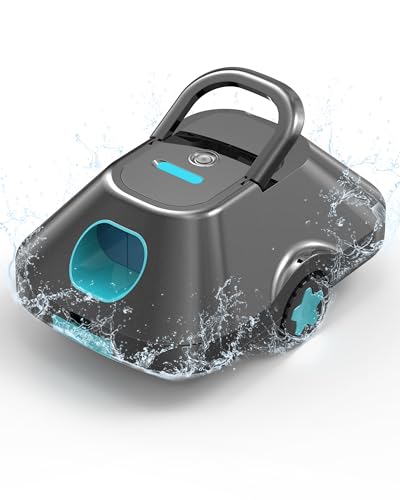
- VC Score10.0
BCP Score is a ranking system developed by bestcleanerproducts.com. BCP Score has no relationship or impact from any manufacturers or sales agent websites. Learn more
- BrandWITBOX
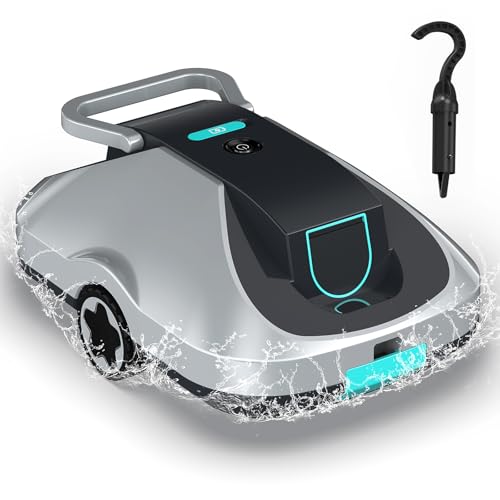
- VC Score10.0
BCP Score is a ranking system developed by bestcleanerproducts.com. BCP Score has no relationship or impact from any manufacturers or sales agent websites. Learn more
- Brandzebary

- VC Score9.2
BCP Score is a ranking system developed by bestcleanerproducts.com. BCP Score has no relationship or impact from any manufacturers or sales agent websites. Learn more
- BrandLodoba

- VC Score9.0
BCP Score is a ranking system developed by bestcleanerproducts.com. BCP Score has no relationship or impact from any manufacturers or sales agent websites. Learn more
- BrandWYBOT

- VC Score8.8
BCP Score is a ranking system developed by bestcleanerproducts.com. BCP Score has no relationship or impact from any manufacturers or sales agent websites. Learn more
- BrandWYBOT

- VC Score8.4
BCP Score is a ranking system developed by bestcleanerproducts.com. BCP Score has no relationship or impact from any manufacturers or sales agent websites. Learn more
- BrandCoasTeering

- VC Score8.2
BCP Score is a ranking system developed by bestcleanerproducts.com. BCP Score has no relationship or impact from any manufacturers or sales agent websites. Learn more
- BrandWINNY POOL CLEANER

- VC Score8.0
BCP Score is a ranking system developed by bestcleanerproducts.com. BCP Score has no relationship or impact from any manufacturers or sales agent websites. Learn more
- BrandZyerch
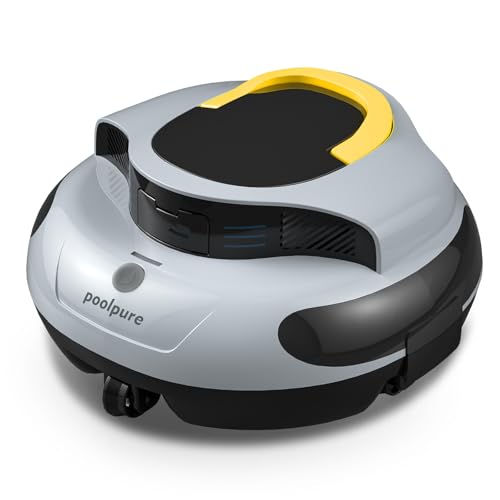
- VC Score8.0
BCP Score is a ranking system developed by bestcleanerproducts.com. BCP Score has no relationship or impact from any manufacturers or sales agent websites. Learn more
- BrandPOOLPURE

- VC Score7.6
BCP Score is a ranking system developed by bestcleanerproducts.com. BCP Score has no relationship or impact from any manufacturers or sales agent websites. Learn more
- BrandVINGLI
Last update on 2026-06-14 / Affiliate links / Images, Product Titles, and Product Highlights from Amazon Product Advertising API
How To Use The Automatic Pool Vacuum
Pool cleaning gets annoying fast once leaves, grit, sunscreen film, and windblown dirt start settling faster than a skimmer basket can keep up. A cleaner can save a lot of back-and-forth work, but only if the setup is dialed in before it starts roaming. How to use the automatic pool vacuum begins with clean water flow, the right hose position, and a realistic sense of what the machine can handle. Get those basics right, and the pool stops feeling like a weekend chore that keeps stealing the good weather.
Automatic Pool Vacuum Basics
Automatic pool vacuum setup starts with knowing which style is sitting beside the pool. Suction-side cleaners connect to the skimmer or suction port and depend on the pool pump. Pressure-side cleaners use return pressure and often collect debris in a separate bag. Robotic cleaners run on their own motor, so they usually need a power supply, clean filter basket, and enough cable length to move freely.
Cleaner movement depends on water flow, not luck. A suction cleaner with weak pull may crawl slowly, stall near corners, or sit in one spot like it gave up. A robotic cleaner with a full basket may still move, but it won't pick up debris properly. A pressure-side cleaner with poor return pressure may miss large leaves or drag its hose awkwardly across the pool.
Pool shape also changes the cleaning pattern. Rectangular pools are usually easier for automatic vacuums to cover, while freeform pools, deep ends, benches, ladders, and steps can create awkward dead zones. That doesn't mean the cleaner is bad. It means the pool has spots that may need brushing before the vacuum cycle starts.
Realistic expectations make the whole job less frustrating. Automatic vacuums handle daily debris, settled dirt, and routine cleanup well, but they aren't a replacement for brushing algae-prone corners or balancing pool chemistry. A cleaner can pick up what loosens from the surface, but it can't fix cloudy water caused by poor filtration or low sanitizer. Treat it like a steady helper, not a miracle worker.
Prepare The Pool Before Starting
Pool preparation matters more than most people think. Large sticks, toys, loose goggles, and big clumps of leaves should come out before the vacuum starts. Those items can jam wheels, clog the throat, or twist the hose into a knot. A quick skim saves time because the cleaner can focus on dirt and smaller debris instead of wrestling with oversized junk.
Brushing the walls before vacuuming helps loosen dust, pollen, and fine film that sticks near corners and steps. Start from the shallow end and push debris toward the main floor where the vacuum can reach it. This little habit works especially well after storms, heavy swimming days, or long gaps between cleanings. It also helps prevent that dull, patchy look on pool surfaces.
Water level should sit around the middle of the skimmer opening for many suction-side setups. Too low, and the pump may pull air. Too high, and surface debris may not move into the skimmer as effectively. A steady water level keeps suction consistent and helps the cleaner move without random slowdowns.
Filter condition can make or break the cleaning cycle. Empty the skimmer basket, pump basket, robotic filter basket, or pressure cleaner bag before starting. A clogged filter reduces circulation and makes the vacuum act tired even when nothing is wrong with the unit. Clean flow gives the cleaner the best shot at covering the pool properly.
Connect The Cleaner Without Killing Suction
Hose connection should be snug, straight, and free of cracks. For suction-side cleaners, the hose usually connects through the skimmer or a dedicated suction line. Fill the hose with water before attaching it so the pump doesn't pull a big gulp of air. That simple step helps protect the pump and keeps the cleaner from sputtering at startup.
Hose length needs to be long enough to reach the farthest point of the pool, plus a little extra movement room. Too short, and the cleaner won't reach corners. Too long, and the hose may coil, tangle, or slow the cleaner down. Lay it across the pool before running the system so any extra sections can be removed.
Suction balance is the part that separates smooth cleaning from constant fiddling. Many suction cleaners include a flow gauge or regulator valve to help set the right pull. Too much suction can make the cleaner climb too aggressively or stick to the floor. Too little suction makes it drift lazily and miss debris.
Household cleaning habits can help explain pool care, oddly enough. Just like a floor vacuum struggles when the bin is full or the brush roll is jammed, a pool cleaner struggles when suction paths are blocked. For indoor surface care around wet traffic areas, compare practical options like upright vacuum vinyl floors so tracked-in pool grit doesn't spread through the house. Keeping both spaces clean reduces the same headache from two directions.
Run The Cleaning Cycle The Smart Way
Cleaning cycle timing should match the debris load, pool size, and cleaner type. Robotic cleaners often run in preset cycles, while suction and pressure cleaners may work as long as the pump runs. A lightly used pool may only need a shorter routine clean. A pool after wind, rain, or a backyard party may need a longer pass with brushing first.
Pump speed affects suction-side and pressure-side cleaner performance. Variable-speed pumps may need a higher setting during vacuuming than they use for normal circulation. If the cleaner barely moves, the flow may be too low. If it climbs out of the waterline or sticks hard to the wall, the flow may be too strong.
Cleaner paths won't look perfectly organized. Many automatic vacuums move in random or semi-random patterns, so they may seem silly for the first few minutes. Give the unit time before assuming something is wrong. Still, repeated circles in one area usually point to hose memory, poor flow, a stuck wheel, or an obstacle near the cleaner.
Water clarity may look worse briefly if fine debris gets stirred up. That doesn't always mean the vacuum failed. Tiny particles can suspend in the water before the filter catches them, especially after brushing. Let the filtration system run, then check the floor later instead of judging the job during the messy middle.
Watch For Common Mistakes
Skipping basket checks is one of the quickest ways to sabotage the vacuum. A skimmer basket packed with leaves can choke suction and make the cleaner crawl. A robotic cleaner basket full of fine silt can reduce pickup even while the machine keeps moving. Emptying baskets before and after a cycle keeps performance steady.
Ignoring hose memory causes plenty of strange cleaning patterns. Hoses stored tightly coiled can keep that shape in the water, pulling the cleaner into loops or corners. Stretch the hose in the sun for a bit if it keeps curling. Straight hose sections help the cleaner roam instead of fighting its own line.
Running the cleaner during swimming usually creates more trouble than it solves. Swimmers can kick the hose, stir debris, and interfere with movement. Robotic cleaners also bring electrical equipment near water, so manufacturer safety directions matter. The better habit is to run the cleaner before swim time, then remove it once the cycle ends.
Chemical confusion can make cleaning harder too. A vacuum removes debris, but it doesn't sanitize water or correct poor balance. Cloudy water, slick walls, or green patches usually need chemistry correction and brushing, not just more vacuuming. For fabric and odor cleanup away from the pool deck, use separate guidance like use odoban carpet cleaner rather than mixing household solutions into pool routines.
Keep The Cleaner Moving Properly
Movement problems usually have a cause you can spot with a calm check. Look for trapped leaves in the intake, a twisted hose, worn tires, jammed tracks, or a blocked wheel. Small debris can lodge in places that don't look obvious at first glance. A slow inspection often fixes what seems like a bigger equipment issue.
Wall climbing depends on cleaner design, suction strength, pool surface, and waterline conditions. Some cleaners climb well, while others mainly focus on the floor. A cleaner that suddenly stops climbing may have weak suction, worn parts, or a filter that needs cleaning. Slick algae film can also make climbing unreliable.
Steps and benches are common trouble spots. Many automatic pool vacuums won't clean steps thoroughly because the angles and shallow ledges interrupt movement. Brushing steps down to the floor before running the vacuum helps. A quick manual touch-up is normal and doesn't mean the automatic cleaner failed.
Indoor cleanup after pool days deserves a practical side note. Wet feet, crumbs from snacks, and tracked-in dust can make entry areas messy fast. To keep the pool routine from turning into a whole-house cleanup, compare budget-friendly machines such as bissell vacuum cleaners under 150 for quick floor maintenance near patio doors. The cleaner outside handles the pool, while the right vacuum inside handles the trail people bring with them.
How To Get Better Results From An Automatic Pool Vacuum
Cleaner performance often depends less on the machine itself and more on the habits surrounding it. Plenty of pool owners assume a vacuum should handle every mess automatically, then get frustrated when debris remains along walls or in corners. Most of the time, the issue isn't the cleaner. A few adjustments to maintenance routines can dramatically improve coverage, debris pickup, and overall pool appearance.
Long-term pool care becomes easier once the vacuum is treated as part of a complete system rather than a standalone solution. Water circulation, filtration, brushing, and chemistry all influence cleaning results. If one area struggles, the vacuum has to work harder. A balanced approach usually creates cleaner water with fewer surprises.
Match Cleaning Schedules To Real Conditions
Pool usage patterns matter. A pool surrounded by trees may collect leaves daily, while an open backyard may deal more with dust, pollen, and insects. Running the cleaner based on actual debris levels instead of a fixed schedule often saves energy while maintaining better results. Heavy debris periods may require more frequent cycles.
Weather changes can quickly alter cleaning needs. Strong winds, storms, and seasonal pollen can fill a pool faster than expected. Waiting until debris becomes visible across the entire floor usually means more work later. A proactive cleaning schedule helps prevent buildup before it turns into a larger maintenance task.
Weekend gatherings also leave behind sunscreen residue, grass clippings, dirt, and fine particles. Running the vacuum shortly after heavy pool use can help maintain water clarity. Small adjustments like this reduce the chance of stubborn dirt settling into hard-to-reach areas.
Consistency usually beats occasional deep cleaning. Frequent lighter cleaning sessions place less strain on both the vacuum and filtration system. Pools that stay relatively clean are generally easier to maintain than pools that swing between spotless and neglected.
Handle Fine Debris More Effectively
Fine particles create some of the biggest frustrations because they can pass through certain collection systems before eventually settling again. Dust, pollen, and tiny dirt particles often require clean filters and strong circulation to remove effectively. The vacuum helps gather them, but filtration finishes the job.
Filter maintenance becomes especially important after heavy debris events. A filter loaded with fine sediment restricts water flow and reduces cleaning efficiency. Cleaning cartridges, backwashing sand filters, or inspecting filter media regularly helps maintain proper circulation.
Cloudy water doesn't automatically mean the vacuum failed. Suspended particles often remain in circulation before filtration removes them. Giving the system enough run time after vacuuming usually produces better results than repeatedly restarting cleaning cycles.
Specialized cleaning equipment follows similar principles in other applications. For example, people researching what liquid use ultrasonic cleaner quickly learn that the cleaning solution often matters as much as the machine itself. Pool systems work similarly because filtration, circulation, and vacuuming all contribute to the final result.
Know When Equipment Needs Attention
Performance changes rarely happen without warning. A cleaner that suddenly moves slower, misses debris, or follows unusual paths often signals a maintenance issue. Worn tires, damaged tracks, clogged intakes, or restricted water flow commonly cause these symptoms.
Strange noises deserve attention as well. Grinding sounds, repeated clicking, or unusual vibration may indicate debris trapped in moving parts. Ignoring small mechanical issues can eventually lead to larger repairs that cost more time and money.
Hoses and cables should be inspected regularly. Small cracks, kinks, or worn connectors can affect performance long before complete failure occurs. A quick inspection during routine maintenance often prevents unexpected interruptions.
Replacement parts sometimes restore performance more effectively than constantly adjusting settings. Tires, brushes, tracks, and filters wear gradually, making performance decline slowly enough that many owners don't notice until cleaning quality drops significantly.
Improve Coverage In Difficult Areas
Corners, steps, and ledges remain challenging for many automatic cleaners. Pool designs often include features that interrupt movement patterns and create debris collection zones. Brushing those areas before running the cleaner helps move debris toward surfaces the vacuum can reach more easily.
Deep ends may collect heavier debris because gravity naturally pulls dirt downward. A cleaner should spend time there, but coverage patterns vary by model. Observing where debris remains after a cleaning cycle can reveal whether adjustments are needed.
Return jet direction also influences debris movement. Properly aimed jets help push floating debris toward skimmers and encourage circulation throughout the pool. Poor circulation can leave dirt trapped in the same locations regardless of vacuum quality.
Pool shape limitations are worth recognizing. Freeform pools with multiple curves and obstacles may require occasional manual touch-ups. Expecting complete coverage from every automatic cleaner often leads to unnecessary frustration.
Compare Cleaner Types For Future Upgrades
Suction-side cleaners remain popular because they typically cost less upfront and connect directly to existing pool systems. They perform well for routine debris removal but rely heavily on pump performance and filtration condition. Weak circulation can limit effectiveness.
Pressure-side cleaners offer separate debris collection and can handle larger debris loads in many situations. They reduce stress on the pool filter because collected debris stays inside the cleaner's bag. Some systems may require additional equipment to operate efficiently.
Robotic cleaners operate independently from pool circulation systems. Many owners appreciate their ability to scrub surfaces while collecting debris in onboard baskets. Anyone researching a future upgrade may benefit from reviewing options such as best robotic vacuum inground pool to compare cleaning styles, maintenance needs, and coverage capabilities.
Tradeoffs exist with every cleaner category. Higher independence often comes with a higher purchase price, while lower-cost systems may require more attention to circulation and filtration. The right choice depends on pool size, debris load, maintenance habits, and expectations.
Extend The Life Of Your Automatic Pool Vacuum
Storage habits have a surprisingly large impact on longevity. Leaving hoses twisted in direct sunlight for long periods can shorten their lifespan. Robotic cables stored neatly instead of tightly wound often develop fewer tangles over time.
Routine cleaning after each cycle helps prevent buildup inside filters, wheels, tracks, and intake openings. Dirt that remains trapped inside moving parts can gradually reduce efficiency. A few minutes of maintenance after use can prevent hours of troubleshooting later.
Chemical balance affects more than water quality. Extremely unbalanced water can contribute to premature wear on certain components, seals, and materials. Stable chemistry supports both swimmer comfort and equipment durability.
Reliable maintenance habits, realistic expectations, and proper setup create the strongest foundation for successful automatic pool vacuum use. Cleaner water, reduced manual labor, and fewer interruptions usually come from consistent attention to the small details that many people overlook.


How to Refinish a Fiberglass Pool

How Do You Keep Raccoons Out of Your Pool?

How to Fix Cyanuric Acid in Your Pool

How to Shape a Pool Cue Tip to Stop Miscues

Best Far Infrared Sauna Sauna Heats: Top Picks of 2026

11 Best Far Infrared Sauna Carbon Fiber Heaters of 2026 For Balanced Full-Body Heat

11 Best Carbon Far Infrared Sauna of 2026 For Even Heat

10 Best Bluetooth Speaker For Sauna of 2026 For Heat and Steam








