
How to Use the Attachments on a Vacuum Right

How to Use the Attachments on a Vacuum often sounds simple until dirt keeps showing up in places that looked clean a day earlier. Most vacuum cleaners include several tools, yet many people leave them untouched because they aren't sure what each one actually does. That hesitation can lead to wasted effort, uneven cleaning, and stubborn debris hiding in corners, fabric seams, and hard-to-reach spots. A few small adjustments can turn those overlooked accessories into some of the most useful cleaning tools in the house.
Crevice tools shine in narrow gaps where regular vacuum heads can't fit. Dust tends to gather along baseboards, behind furniture, and between appliances, creating layers that slowly build up over time. Using the right attachment helps pull debris from these confined areas without awkward maneuvering or repeated passes. Suddenly, those frustrating hidden zones become much easier to tackle.
Brush attachments serve a different purpose. Soft bristles loosen dust from delicate surfaces while reducing the risk of scratches on shelves, blinds, lampshades, and decorative items. Many people avoid vacuuming these areas because they worry about damage. Fortunately, the proper brush tool provides a gentler approach while still removing accumulated dust effectively.
Upholstery attachments can make furniture maintenance far less annoying. Crumbs, pet hair, lint, and dust settle deep into cushions and fabric textures where standard vacuum heads struggle to reach. A dedicated upholstery tool focuses suction more precisely across these surfaces. As a result, couches, chairs, and mattresses often look fresher and feel cleaner with less effort.
Stair cleaning presents another challenge. Carrying a large vacuum while trying to reach every edge can feel like a balancing act. Specialized attachments help direct suction into corners and along stair risers where debris commonly collects. Better control means less strain and more consistent cleaning from top to bottom.
Pet owners often notice hair gathering in surprising places. Curtains, furniture, vehicle interiors, and carpet edges can trap fur that seems impossible to remove. Certain vacuum attachments are specifically designed to lift stubborn hair without excessive brushing or repeated vacuum passes. That extra efficiency can save time while keeping living spaces looking tidier.
Understanding attachment selection also helps improve overall vacuum performance. Using a floor head on upholstery or a brush tool on deep carpet may produce disappointing results. Matching the attachment to the surface allows suction and airflow to work more effectively. Small decisions like these often create noticeable improvements in cleaning quality.
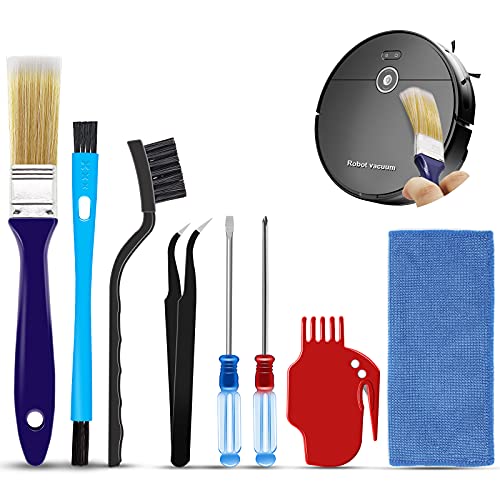
- VC Score9.0
BCP Score is a ranking system developed by bestcleanerproducts.com. BCP Score has no relationship or impact from any manufacturers or sales agent websites. Learn more
- BrandMidukit

- VC Score8.6
BCP Score is a ranking system developed by bestcleanerproducts.com. BCP Score has no relationship or impact from any manufacturers or sales agent websites. Learn more
- BrandSHINLINKDA

- VC Score8.0
BCP Score is a ranking system developed by bestcleanerproducts.com. BCP Score has no relationship or impact from any manufacturers or sales agent websites. Learn more
- BrandEZ SPARES

- VC Score7.8
BCP Score is a ranking system developed by bestcleanerproducts.com. BCP Score has no relationship or impact from any manufacturers or sales agent websites. Learn more
- BrandECOMAID

- VC Score7.4
BCP Score is a ranking system developed by bestcleanerproducts.com. BCP Score has no relationship or impact from any manufacturers or sales agent websites. Learn more
- BrandKEEPOW

- VC Score7.0
BCP Score is a ranking system developed by bestcleanerproducts.com. BCP Score has no relationship or impact from any manufacturers or sales agent websites. Learn more
- BrandOntel

- VC Score7.0
BCP Score is a ranking system developed by bestcleanerproducts.com. BCP Score has no relationship or impact from any manufacturers or sales agent websites. Learn more
- BrandEPLZON

- VC Score7.0
BCP Score is a ranking system developed by bestcleanerproducts.com. BCP Score has no relationship or impact from any manufacturers or sales agent websites. Learn more
- BrandVNWIQ

- VC Score6.4
BCP Score is a ranking system developed by bestcleanerproducts.com. BCP Score has no relationship or impact from any manufacturers or sales agent websites. Learn more
- BrandSHLYBRZLJ

- VC Score6.0
BCP Score is a ranking system developed by bestcleanerproducts.com. BCP Score has no relationship or impact from any manufacturers or sales agent websites. Learn more
- BrandGeneric
Last update on 2026-06-14 / Affiliate links / Images, Product Titles, and Product Highlights from Amazon Product Advertising API
How To Use The Attachments On A Vacuum
Dust loves the spots nobody wants to bend, stretch, or wrestle with after a long day. Crumbs settle into sofa seams, pet hair clings to stair edges, and fine grit hides along baseboards like it pays rent there. That is where how to use the attachments on a vacuum becomes less of a cleaning trick and more of a smarter routine. The right tool can save your back, protect delicate surfaces, and pull dirt from places a full-size floor head just can't reach.
Vacuum Attachments
Vacuum attachments work best when they match the mess instead of forcing one tool to do every job. A wide floor head handles open carpet or hard flooring, but it gets clumsy around chair legs, corners, vents, and upholstery seams. The smaller tools narrow the suction path, which helps grab debris from tight spots without dragging the whole machine around. That tiny switch can turn an annoying chore into a cleaner, faster pass.
Crevice tools handle the skinny spaces that collect dust first and get cleaned last. Slide the narrow tip along baseboards, behind appliances, between couch cushions, and around sliding door tracks. Move slowly, because fast strokes often skim over packed dirt instead of lifting it. For gritty concrete surfaces in utility rooms or garages, compare floor-care needs with cordless stick vacuum for concrete floors before expecting a tiny attachment to handle large debris alone.
Dusting brushes deserve more credit than they usually get. The bristles loosen settled dust from blinds, shelves, lampshades, window sills, and delicate trim while the suction pulls it away. Pressing too hard bends the bristles and can scratch soft finishes, so let the brush float lightly over the surface. A gentle pass usually beats scrubbing, especially around painted wood, woven baskets, and electronics.
Upholstery tools target fabric surfaces without chewing into them like a motorized brush might. Use short overlapping strokes across couch cushions, dining chairs, mattresses, pet beds, and car seats. Fabric traps lint and crumbs in texture, so work in more than one direction if the surface looks dull after the first pass. That extra angle helps lift hair and dust that hide under the weave.
Match Each Tool To The Real Mess
Good attachment use starts with the mess in front of you, not the tool that happens to be easiest to grab. Fine dust needs a soft brush, loose crumbs need focused suction, and embedded hair may need agitation. Treating every surface the same leads to missed debris and extra work. A little tool-matching up front saves repeated passes later.
Hard floors need care because some attachments can scatter debris before suction catches it. A crevice tool works along edges, but it is too narrow for the middle of a room. A floor nozzle or bare-floor head handles the broader area, then the smaller tools clean what the main head leaves behind. That sequence keeps grit from being pushed into corners again.
Carpet edges often hold the dirt that makes a room feel dusty even after vacuuming. Run the crevice tool slowly where the carpet meets the wall, especially near doorways and high-traffic paths. The suction line should stay close to the seam rather than hovering above it. If the carpet pile is thick, angle the tip slightly to open the fibers without digging too hard.
Grout lines can fool you because the floor may look clean while the grooves still hold gray residue. Vacuuming first removes dry grit so wet cleaning does not turn it into muddy streaks. For deeper tile maintenance, prep the surface with suction before using a cleaner, and keep this practical guide nearby: how to use zep grout cleaner. Dry debris removal makes the cleaning step less messy and more controlled.
Use The Crevice Tool Without Rushing
The crevice tool is the attachment most people own and still misuse. It is not just for visible crumbs between sofa cushions. Its real strength is focused suction, which pulls dirt from narrow channels where dust compresses over time. Slow movement matters because packed debris needs a second to break loose.
Baseboards benefit from a steady pass along the top edge and the floor seam. Hold the tool at a slight angle so the opening faces the dirt instead of the wall. If the tool whistles loudly, the tip may be sealed too tightly against the surface. Loosen the angle a bit and let airflow do the heavy lifting.
Kitchen gaps collect flour, coffee grounds, crumbs, and pet kibble faster than most people expect. Run the crevice tool beside the refrigerator, under cabinet lips, around the stove edge, and near trash bins. Do not jab the nozzle into soft seals or rubber strips because repeated pressure can wear them down. A controlled glide keeps the suction effective without damaging small parts.
Car interiors are another sweet spot for this attachment. Seat rails, console gaps, cup holder edges, and door pockets all trap debris that a full nozzle cannot reach. Start high and work downward so loose dirt falls into areas you have not cleaned yet. That order keeps the job from turning into a loop of chasing crumbs around.
Dust Delicate Surfaces Without Spreading Particles
The dusting brush solves a common problem: wiping dust often just moves it somewhere else. Bristles loosen particles while suction removes them at the same time. That makes it useful for shelves, blinds, ceiling fan housings, lamps, vents, and carved furniture. Use light pressure because the bristles need room to flex and sweep.
Blinds and shutters need patience, not muscle. Close the slats one direction, vacuum across them with the brush, then reverse the slats and repeat. This catches dust along both edges instead of leaving a faint gray line behind. A lower suction setting helps keep lightweight slats from rattling or bending.
Electronics require an even softer touch. Use the brush around keyboards, speaker grilles, gaming consoles, and TV stands, but avoid forcing suction against exposed ports. Dust can clog vents and make devices run warmer, so routine cleaning matters. Keep the nozzle moving and let the bristles skim rather than scrub.
Plant shelves and indoor garden corners can collect soil crumbs, dry leaves, and fine dust around pots. Use the brush around saucers, shelf edges, and light stands without knocking over small containers. Avoid sucking loose soil from the top of pots unless that is intentional. For tighter plant spaces, a gentle brush pass keeps the area tidy without disturbing roots or stems.
Clean Upholstery With Better Control
Upholstery attachments help clean fabric without stretching it or pulling seams too aggressively. A flat upholstery tool spreads suction across a wider path than a crevice tip, making it better for cushions and mattresses. Start with loose debris first, then go back for hair and lint. That order prevents crumbs from grinding deeper into the fabric.
Couch cushions need overlapping strokes from back to front. Pull the cushions out if possible, vacuum the platform underneath, then clean the cushion sides before putting them back. Dirt tends to gather along seams and piping, so use the crevice tool there after the upholstery tool. The combination gives a cleaner finish than either attachment alone.
Pet hair can be stubborn because it hooks into fabric fibers. A rubberized pet tool or mini motorized brush can help, but it may not suit delicate upholstery. Test in a hidden spot before using a powered attachment on loose weaves, velvet, or older fabric. The goal is lifted hair, not fuzzed-up material.
Mattresses benefit from slow, even passes with the upholstery tool. Focus on the top surface, seams, and edges where dust and skin flakes settle. Let the vacuum do the pulling instead of pressing hard into the mattress. A clean attachment matters here, so empty the bin and check the nozzle before moving from floors to bedding.
Handle Stairs Without Fighting The Vacuum
Stairs turn vacuuming into a balancing act if the wrong attachment is used. A full floor head can feel bulky, especially on narrow steps or tight landings. Smaller tools give better control around risers, corners, and carpet edges. Keep the vacuum below you when possible so the hose does not tug from above.
Carpeted steps need extra attention along the back edge where the tread meets the riser. Use the crevice tool first, then follow with an upholstery or stair tool across the main step surface. Work one step at a time rather than stretching across several. That safer rhythm also helps you spot missed dirt before moving on.
Hardwood stairs scratch more easily than carpet, so skip stiff brushes unless the manufacturer says they are safe. A soft dusting brush or bare-floor attachment handles dust and grit with less risk. Grit acts like sandpaper if dragged around by a dirty nozzle. Check the attachment bottom before cleaning finished wood.
Cordless vacuums can make stairs less awkward, but battery life and suction strength still matter. A quick cleanup may be fine with a compact model, while a whole-house routine needs steadier power. For budget planning, compare practical features through cordless stick vacuum under 500 instead of buying only for the attachment bundle. A lighter vacuum helps, but the right tool shape still decides how clean the stair edges look.
Protect Suction By Checking The Attachment Path
Weak suction is not always the vacuum motor's fault. Attachments collect lint, hair, string, and small debris inside their openings. A half-blocked crevice tool can sound normal while pulling very little dirt. Quick checks before and after cleaning keep performance from slowly sliding downhill.
Hose connections should feel snug without being forced. Loose fittings leak airflow, which makes attachments feel weaker at the tip. Twist or click each tool into place according to the vacuum design. If suction drops suddenly, remove the attachment and check the hose before blaming the machine.
Brush bristles need occasional cleaning too. Hair wrapped around a brush attachment can smear dust instead of lifting it. Pull away tangled fibers by hand or use small scissors carefully if the wrap is tight. A clean brush makes delicate dusting smoother and prevents stale debris from moving to clean surfaces.
Dust bins and filters affect every attachment because airflow starts inside the machine. Empty the bin before it reaches the max line, especially after cleaning pet hair or fine dust. Wash or replace filters according to the vacuum manual, not guesswork. Better airflow means each attachment can do the job it was designed to do.
Best Ways To Use Vacuum Attachments For Deep Cleaning
Most cleaning frustrations do not come from a weak vacuum. They come from using the right machine with the wrong attachment. Dust stays behind, pet hair keeps returning, and corners never seem completely clean because each surface demands a different approach. Building on the basics of how to use the attachments on a vacuum, the next step is learning how to combine tools strategically for a cleaner home with less effort.
Create A Room By Room Cleaning Strategy
Efficiency starts before the vacuum even turns on. Walking randomly from room to room often means dragging dirt into already-clean spaces and repeating work. A simple route helps maintain momentum while making sure every attachment gets used where it delivers the most value.
Living rooms usually benefit from a layered approach. Start with the upholstery tool on sofas and chairs, move to the crevice tool around furniture edges, then finish with the floor head. This sequence captures loose debris before it falls onto the floor. The result is a more thorough clean with fewer repeated passes.
Bedrooms often collect surprising amounts of dust around bed frames, nightstands, and under furniture. A crevice tool can pull debris from narrow spaces where traditional vacuum heads struggle. Pairing that with a dusting brush around lamps and shelves helps reduce the fine dust that tends to settle again after cleaning.
Home offices deserve attention as well. Computer equipment attracts dust, while chair wheels collect lint and hair. Using a soft brush attachment around electronics and work surfaces helps maintain cleanliness without risking scratches or damage.
Handle Pet Hair Without Fighting It
Pet hair rarely stays in one place. It drifts under furniture, clings to upholstery, wraps around chair legs, and settles in corners where airflow naturally pushes debris. Vacuum attachments help target these problem zones instead of relying solely on a floor nozzle.
Fabric surfaces often require multiple angles. Run the upholstery tool in one direction, then repeat from another angle to lift embedded fur. Hair tends to weave into fabric fibers, making a single pass less effective than many people expect. Patience usually delivers better results than extra suction.
Stairs become another gathering point for fur and lint. The combination of a crevice tool and upholstery attachment works especially well along carpet edges and stair corners. Small areas deserve focused attention because they often hold a disproportionate amount of debris.
Hard floors present a different challenge. Fur may scatter before the vacuum captures it. For households dealing with large open floor areas, exploring solutions such as robotic vacuum hard floors can help maintain cleaner surfaces between deeper cleaning sessions.
Clean Seasonal Dirt Before It Spreads
Seasonal debris changes throughout the year. Mud, pollen, leaves, grass clippings, and tracked-in grit all require slightly different cleaning habits. Vacuum attachments help contain those materials before they spread throughout the house.
Entryways deserve special attention because they serve as collection zones for outdoor debris. A crevice tool works well around door tracks and baseboards where fine particles accumulate. Removing dirt early reduces wear on flooring and minimizes dust circulation.
Winter often introduces moisture, salt residue, and compacted dirt. Vacuuming dry material before attempting wet cleaning prevents smearing and reduces cleanup time. Small particles left behind can scratch certain flooring surfaces if ignored.
Outdoor cleanup matters too. Before debris enters the house, maintaining walkways can make indoor cleaning easier. For snowy climates, keeping pathways clear with tools related to broom sweeping snow can reduce the amount of moisture and grit tracked indoors.
Use Attachments To Improve Air Quality
Dust control affects more than appearance. Fine particles settle on shelves, vents, blinds, and fabric surfaces where they gradually circulate back into the air. Vacuum attachments provide a practical way to remove those particles instead of simply moving them around.
The dusting brush performs especially well on blinds and vents. Moving slowly allows the bristles to loosen buildup while suction removes it immediately. Fast sweeping motions often leave residue behind and can scatter dust into nearby areas.
Mattresses and upholstered furniture also collect fine particles over time. Regular vacuuming with the upholstery tool helps remove debris that standard floor cleaning cannot reach. Cleaner soft surfaces often contribute to a fresher overall environment.
Ceiling corners and air return vents deserve occasional attention as well. Dust accumulation in these areas may not be obvious at first glance. Consistent maintenance helps prevent layers of buildup from becoming difficult to remove later.
Avoid Common Attachment Mistakes
Attachment misuse can reduce cleaning performance even when the vacuum itself functions perfectly. Using the wrong tool often leads to frustration because dirt remains visible despite repeated effort. Small adjustments can dramatically improve results.
One common mistake involves using a crevice tool for large open spaces. While the focused suction feels powerful, the narrow opening makes cleaning inefficient. The attachment excels in tight spaces, not broad flooring areas.
Another mistake occurs when people press brush attachments too firmly against surfaces. Excess pressure flattens bristles and limits their ability to loosen dust effectively. Gentle contact typically produces better results while protecting delicate finishes.
Ignoring attachment maintenance creates problems too. Hair, string, and lint can accumulate inside tools, reducing airflow. A quick inspection after each cleaning session helps maintain strong suction and reliable performance.
Get Better Results From Hard To Reach Areas
Hidden spaces often contribute disproportionately to household dust. Areas beneath furniture, behind appliances, and along wall edges can remain untouched for months if the proper attachments are not used. Those locations deserve focused attention during deeper cleaning sessions.
Extension wands help reach overhead surfaces without excessive stretching. Ceiling fans, crown molding, and upper shelving become easier to clean while reducing strain. Combined with a dusting brush, these tools create a safer and more effective cleaning process.
Large furniture pieces frequently conceal dust accumulations that affect overall room cleanliness. Moving lightweight items occasionally and using a crevice attachment underneath can reveal surprising amounts of debris. Those hidden areas often influence how quickly visible surfaces become dusty again.
Appliance gaps require a similar strategy. Refrigerators, washers, dryers, and entertainment centers create narrow spaces where dust gathers steadily. Focused suction helps remove debris without requiring major furniture rearrangement.
Build A Sustainable Cleaning Routine
Consistency beats marathon cleaning sessions. Vacuum attachments work best when incorporated into a realistic routine rather than saved for occasional deep-cleaning projects. Smaller tasks completed regularly often produce better long-term results.
Weekly attention to upholstery, corners, and high-dust areas prevents debris from becoming deeply embedded. Short maintenance sessions usually require less effort than tackling months of buildup at once. That approach also reduces wear on flooring and fabrics.
Attachment storage matters more than many people realize. Keeping tools accessible encourages regular use instead of leaving them forgotten in a closet. Convenient access often turns occasional habits into consistent routines.
Over time, the combination of the right attachment, the right surface, and the right technique creates noticeably cleaner living spaces. Each tool serves a specific purpose, and using them intentionally helps transform routine vacuuming into a far more effective cleaning process.


How to Refinish a Fiberglass Pool

How Do You Keep Raccoons Out of Your Pool?

How to Fix Cyanuric Acid in Your Pool

How to Shape a Pool Cue Tip to Stop Miscues

Best Far Infrared Sauna Sauna Heats: Top Picks of 2026

11 Best Far Infrared Sauna Carbon Fiber Heaters of 2026 For Balanced Full-Body Heat

11 Best Carbon Far Infrared Sauna of 2026 For Even Heat

10 Best Bluetooth Speaker For Sauna of 2026 For Heat and Steam


