
How to Use Pool Vacuum Garden Hose Easily

How to use pool vacuum garden hose sounds simple at first, yet plenty of people end up stirring debris instead of removing it. A few small mistakes, like connecting the hose loosely or rushing through the cleaning pattern, can leave the pool looking almost the same as before. The good news is that a basic water-powered vacuum can handle leaves, sand, bugs, and light dirt surprisingly well once everything is connected correctly. That little bit of preparation often saves far more cleanup later.
Start by checking the vacuum head, collection bag, and hose fittings before turning on the water. A secure connection keeps water pressure consistent, allowing the vacuum to create the suction needed to lift debris from the pool floor. Steady water flow matters much more than brute force because uneven pressure usually sends dirt floating back into the water. Taking an extra minute here prevents unnecessary frustration.
Move the vacuum slowly instead of racing across the bottom. Gentle, overlapping passes give the collection bag enough time to trap debris before it has a chance to drift away. You'll notice that corners, steps, and curved edges often need a second pass since fine particles like to settle there. Slow, consistent movement usually beats quick sweeping every single time.
Keep an eye on the collection bag while cleaning. Once it becomes packed with leaves or grit, water flow drops and cleaning efficiency falls off quickly. Emptying the bag before it's completely full helps maintain stronger performance and reduces the chance of debris escaping back into the pool. It's one of those little habits that pays off every cleaning session.
Cloudy water can also affect your results. Waiting until floating debris settles before vacuuming makes the process much smoother because loose particles are easier to capture from the floor than while they're suspended in the water. Patience often produces a cleaner finish than making repeated fast passes. A calm pool simply works in your favor.
Don't forget to rinse the vacuum head, hose, and collection bag after finishing. Dirt left inside the equipment can dry out, create blockages, or shorten the life of the mesh bag over time. Clean equipment also makes the next pool cleaning much easier since everything is ready to go. A quick rinse now beats dealing with stubborn buildup later.
Regular maintenance becomes much less intimidating after learning how to use pool vacuum garden hose correctly. Small adjustments in speed, hose placement, and cleaning pattern often make a bigger difference than buying more equipment. With a little practice, each cleaning session feels smoother, the water stays more inviting, and keeping the pool ready for the next swim becomes part of an easy routine rather than a dreaded chore.

- VC Score9.4
BCP Score is a ranking system developed by bestcleanerproducts.com. BCP Score has no relationship or impact from any manufacturers or sales agent websites. Learn more
- BrandCYG&CL
- VC Score9.4
BCP Score is a ranking system developed by bestcleanerproducts.com. BCP Score has no relationship or impact from any manufacturers or sales agent websites. Learn more
- BrandNICENICY

- VC Score9.0
BCP Score is a ranking system developed by bestcleanerproducts.com. BCP Score has no relationship or impact from any manufacturers or sales agent websites. Learn more
- BrandGanador Pool Supplies

- VC Score8.6
BCP Score is a ranking system developed by bestcleanerproducts.com. BCP Score has no relationship or impact from any manufacturers or sales agent websites. Learn more
- BrandPOOLWHALE
- VC Score8.6
BCP Score is a ranking system developed by bestcleanerproducts.com. BCP Score has no relationship or impact from any manufacturers or sales agent websites. Learn more
- BrandGAME

- VC Score8.4
BCP Score is a ranking system developed by bestcleanerproducts.com. BCP Score has no relationship or impact from any manufacturers or sales agent websites. Learn more
- BrandPOOLWHALE
- VC Score8.2
BCP Score is a ranking system developed by bestcleanerproducts.com. BCP Score has no relationship or impact from any manufacturers or sales agent websites. Learn more
- BrandPool Supply Town

- VC Score8.0
BCP Score is a ranking system developed by bestcleanerproducts.com. BCP Score has no relationship or impact from any manufacturers or sales agent websites. Learn more
- BrandPOOLAZA

- VC Score8.0
BCP Score is a ranking system developed by bestcleanerproducts.com. BCP Score has no relationship or impact from any manufacturers or sales agent websites. Learn more
- BrandU.S. Pool Supply

- VC Score7.8
BCP Score is a ranking system developed by bestcleanerproducts.com. BCP Score has no relationship or impact from any manufacturers or sales agent websites. Learn more
- BrandPoolmaven

- VC Score7.8
BCP Score is a ranking system developed by bestcleanerproducts.com. BCP Score has no relationship or impact from any manufacturers or sales agent websites. Learn more
- BrandPool Supply Town
Last update on 2026-07-09 / Affiliate links / Images, Product Titles, and Product Highlights from Amazon Product Advertising API
How To Use Pool Vacuum Garden Hose Without Fuss
A pool can look clean from the patio and still have a stubborn little mess waiting on the floor. Leaves sink, grit hides along seams, and that dusty line near the wall somehow comes back after every swim. That is exactly where how to use pool vacuum garden hose becomes handy, especially for light debris that does not need a big pump setup. The trick is not muscling through the job, but using steady water pressure, slow movement, and a clean collection bag so the dirt actually leaves the pool instead of floating around like it owns the place.
Pool Vacuum Garden Hose Setup
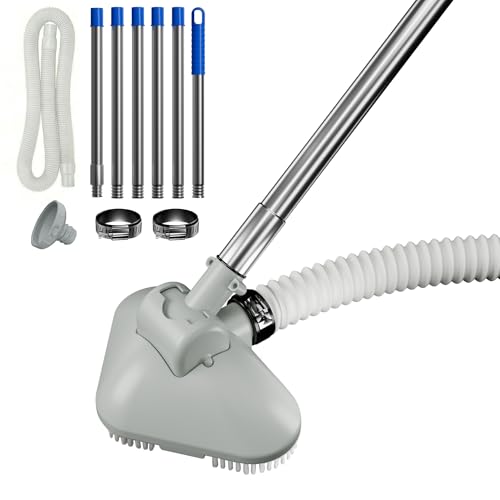
The first step is getting the gear laid out before water starts blasting everywhere. A basic garden hose pool vacuum usually includes a vacuum head, a mesh debris bag, and a hose connection point that uses water flow to create suction. Before connecting anything, check the bag for holes, shake out old debris, and make sure the vacuum head sits flat. A crooked attachment can turn a simple cleanup into a splashy wrestling match.
Attach the garden hose tightly to the vacuum head or hose adapter. A loose fitting leaks pressure, and weak pressure means the vacuum will pick up less debris from the pool floor. Turn the water on slowly at first, then increase the flow once the connection feels secure. This gives the vacuum time to build consistent suction without kicking up half the dirt before you even start.
Place the vacuum head into the pool gently, not like you are dropping an anchor. Air bubbles are normal at the beginning, but the tool should settle once water moves through it. Keep the debris bag facing upward so leaves, bugs, and grit can collect properly. That small detail matters because a twisted bag can block flow and weaken cleaning performance.
Before moving across the pool floor, pause for a moment and watch how the vacuum reacts. If debris swirls away instead of moving into the bag, the water flow may be too strong or the head may be lifted slightly off the surface. A flat vacuum head, a firm hose connection, and a relaxed grip make the first pass much smoother. No drama, no overthinking, just a cleaner path from the start.
Getting Better Suction From Water Pressure
A garden hose vacuum does not work like a heavy-duty pool pump vacuum. It relies on water pressure from the hose to create a lifting effect that pulls debris into the collection bag. That means pressure needs to be strong enough to move dirt, but not so aggressive that it blasts sand into the water. Balance is the name of the game here.
Start with medium water flow and adjust based on what you see. Fine dirt needs a slower touch, while leaves and larger debris may need a little more push. If the pool floor turns cloudy right away, back off and move slower. Calm water helps the vacuum capture debris instead of chasing it around.
Hose length also affects how easy the job feels. A hose that barely reaches the far side of the pool puts tension on the vacuum head and makes the movement jerky. A hose that is too long can twist, kink, and cut pressure at the worst moment. Keep enough slack for smooth passes, but do not let loops pile up in the water.
People often blame the vacuum when the real issue is a clogged bag or kinked hose. Stop and check both if suction suddenly drops. A packed debris bag can choke water flow fast, especially after cleaning leaves near steps or corners. Quick checks save time because weak suction just spreads the mess around.
Slow Cleaning Beats Fast Sweeping
Fast vacuuming feels productive, but pool debris does not care about your schedule. Sand, pollen, and fine dirt need slow passes so the water-powered vacuum can lift them into the bag. Move the head in straight overlapping lines, almost like mowing a small patch of grass. This steady pattern helps prevent missed strips and keeps pool floor debris from drifting into already-clean areas.
Start from the cleaner side of the pool and work toward the dirtiest spot. That way, you avoid dragging loosened debris across fresh sections. Corners, ladder areas, and seams usually collect the most grime, so give those areas extra attention. A second slow pass near edges often does more than five rushed swipes.
For above-ground pools, lighter vacuum heads can bounce if the hose pressure is too strong. Keep the pole angle low and let the vacuum glide rather than pressing hard. Pressing down can scratch softer liners or make the head stick. Gentle control keeps the tool moving and protects the pool surface.
Pool cleaning has a funny way of rewarding patience. A slow, boring pass often leaves the water clearer than frantic scrubbing. If dirt clouds up, stop moving and let particles settle before continuing. That pause feels annoying, sure, but it prevents the classic mistake of cleaning the same cloudy patch over and over.
Handling Leaves Sand And Fine Dirt
Leaves are usually the easiest debris for a garden hose vacuum to grab. They are large enough to move into the collection bag without much fuss, especially when the bag is clean and open. Sand takes more patience because it is heavier and tends to scatter if the vacuum head moves too quickly. Fine dirt removal depends more on technique than raw water pressure.
Use short, careful strokes over sandy areas instead of long sweeping motions. Long strokes can push grit ahead of the vacuum, creating a little dirt wave that refuses to disappear. Short passes give the suction time to pull particles upward. That small adjustment can make the pool look cleaner without needing extra chemicals.
For heavy leaf piles, scoop out the biggest debris first if possible. A handheld skimmer or leaf net can remove bulky material before the vacuum handles the smaller stuff. This keeps the mesh bag from filling too quickly and helps maintain steady suction. It also saves the vacuum from acting like a leaf basket with a hose attached.
Fine dust may not vanish in one pass, especially after windy weather or nearby yard work. Let the pool sit until the particles settle, then vacuum slowly across the bottom. If the water stays hazy, the problem may involve filtration or water balance rather than the garden hose vacuum itself. Realistic expectations make the job less frustrating and the results easier to judge.
Common Mistakes That Make Cleanup Harder
The biggest mistake is rushing the setup. A loose garden hose connection, twisted debris bag, or half-clogged vacuum head can ruin the whole cleaning session before it starts. Take a minute to inspect everything, even if the pool only has a few leaves. Good setup beats extra scrubbing every time.
Another mistake is vacuuming right after people have been swimming. Movement keeps dirt suspended in the water, so the vacuum has less to collect from the floor. Let the pool settle first, especially after kids have stirred up sand or grass clippings. A quieter pool gives better debris capture and fewer repeat passes.
Some people also forget to empty the collection bag until suction gets weak. By then, leaves and grit may already be blocking flow. Empty the bag before it looks packed tight, rinse it quickly, and attach it again. That simple habit keeps the vacuum from losing power halfway across the pool.
Tool choice matters too, even for smaller cleanup jobs. A garden hose vacuum fits light pool maintenance, while bigger indoor or commercial messes call for different equipment, and to handle larger facility cleanup needs, rely on best vacuum cleaner for hotel use instead of forcing a pool tool into the wrong job. For household floor care, wood surfaces need their own approach, so protect sealed wood finishes with murphy concentrated wood cleaner rather than treating every cleaning task the same. Budget home cleaning has its own lane as well, and for dry indoor dirt, compare best bagless vacuum cleaner under 150 before using pool habits where they do not belong.
How To Use Pool Vacuum Garden Hose For Cleaner Water
After


How to Refinish a Fiberglass Pool

How Do You Keep Raccoons Out of Your Pool?

How to Fix Cyanuric Acid in Your Pool

How to Shape a Pool Cue Tip to Stop Miscues

Best Far Infrared Sauna Sauna Heats: Top Picks of 2026

11 Best Far Infrared Sauna Carbon Fiber Heaters of 2026 For Balanced Full-Body Heat

11 Best Carbon Far Infrared Sauna of 2026 For Even Heat

10 Best Bluetooth Speaker For Sauna of 2026 For Heat and Steam








