
How to Use Pool Vacuum Cleaner Without the Hassle

How to use pool vacuum cleaner is one of those questions that usually pops up right after someone notices leaves, dirt, sand, or mysterious debris collecting on the pool floor. Crystal-clear water can still hide a messy bottom, and that's where a vacuum cleaner becomes a valuable tool instead of just another piece of equipment sitting in storage. A clean pool floor doesn't only look better. It also helps reduce the workload on filters and circulation systems.
Many pool owners assume the process is complicated, yet the biggest challenge often comes from skipping a few small preparation steps. Air trapped inside hoses, incorrect vacuum settings, or rushed cleaning patterns can leave debris behind and create frustration. A proper approach helps maintain water quality, improves circulation, and prevents dirt from being stirred back into the water. Small adjustments can make a surprisingly noticeable difference.
Pool debris behaves differently depending on weather conditions and pool surroundings. Wind can carry leaves, pollen, and dust into the water, while heavy use may introduce sand, grass clippings, and other particles. Learning how to use pool vacuum cleaner correctly helps remove these materials before they settle into corners and hard-to-reach areas. Cleaner surfaces also make routine maintenance feel far less overwhelming.
Consistency matters more than aggressive cleaning sessions. Slow, overlapping vacuum passes usually collect more debris than rushing across the pool floor. Patience pays off because moving too quickly often creates water turbulence that sends dirt floating away. A steady cleaning pattern supports efficient debris removal while reducing unnecessary effort.
Different pool designs may require slightly different techniques, but the fundamentals stay largely the same. Proper hose priming, correct attachment setup, and careful movement across the floor remain essential. Once these basics become familiar, the task feels much less intimidating. Before long, pool cleaning turns into a predictable routine rather than a dreaded weekend chore.
Another common issue involves overlooking filter performance during vacuuming. Filters already working hard may struggle when large amounts of debris are introduced all at once. Monitoring equipment condition while vacuuming helps maintain strong suction power and improves cleaning results. A well-maintained system supports cleaner water with fewer interruptions.
Clear water often steals the spotlight, yet a spotless pool floor contributes just as much to an inviting swimming environment. Dirt accumulation can affect appearance and create additional maintenance demands over time. Understanding proper vacuum operation helps preserve both aesthetics and functionality. That's why a little knowledge goes a long way before the vacuum ever touches the water.
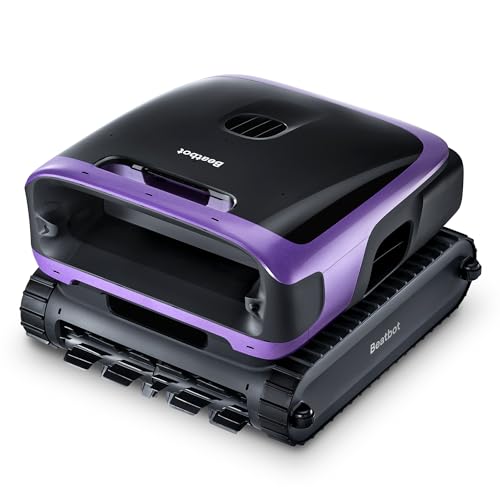
- VC Score9.0
BCP Score is a ranking system developed by bestcleanerproducts.com. BCP Score has no relationship or impact from any manufacturers or sales agent websites. Learn more
- BrandBeatbot

- VC Score9.0
BCP Score is a ranking system developed by bestcleanerproducts.com. BCP Score has no relationship or impact from any manufacturers or sales agent websites. Learn more
- BrandMagoog

- VC Score8.6
BCP Score is a ranking system developed by bestcleanerproducts.com. BCP Score has no relationship or impact from any manufacturers or sales agent websites. Learn more
- BrandBeatbot

- VC Score8.4
BCP Score is a ranking system developed by bestcleanerproducts.com. BCP Score has no relationship or impact from any manufacturers or sales agent websites. Learn more
- BrandPOOLWHALE
- VC Score8.2
BCP Score is a ranking system developed by bestcleanerproducts.com. BCP Score has no relationship or impact from any manufacturers or sales agent websites. Learn more
- BrandDolphin

- VC Score8.2
BCP Score is a ranking system developed by bestcleanerproducts.com. BCP Score has no relationship or impact from any manufacturers or sales agent websites. Learn more
- BrandiGarden
- VC Score8.2
BCP Score is a ranking system developed by bestcleanerproducts.com. BCP Score has no relationship or impact from any manufacturers or sales agent websites. Learn more
- BrandDolphin

- VC Score8.0
BCP Score is a ranking system developed by bestcleanerproducts.com. BCP Score has no relationship or impact from any manufacturers or sales agent websites. Learn more
- BrandU.S. Pool Supply

- VC Score8.0
BCP Score is a ranking system developed by bestcleanerproducts.com. BCP Score has no relationship or impact from any manufacturers or sales agent websites. Learn more
- BrandPOOLWHALE

- VC Score7.6
BCP Score is a ranking system developed by bestcleanerproducts.com. BCP Score has no relationship or impact from any manufacturers or sales agent websites. Learn more
- BrandVINGLI
Last update on 2026-06-28 / Affiliate links / Images, Product Titles, and Product Highlights from Amazon Product Advertising API
How To Use Pool Vacuum Cleaner The Smart Way
A pool can look fine from the patio and still have grit hiding along the floor, steps, and corners. That thin layer of sand, leaf crumbs, pollen, and dirt usually shows up right before people want to swim, which is annoying but totally normal. Learning how to use pool vacuum cleaner the right way helps keep the pool from turning into a weekend headache. Clean movement, steady suction, and patient passes make the job feel a whole lot less fussy.
Most vacuuming problems start before the vacuum head ever touches the pool floor. A hose full of air, a loose plate, or the wrong valve setting can kill suction fast. The good news is that proper setup fixes a huge chunk of the frustration. Once the system is primed, the cleaner can actually pull debris instead of just pushing cloudy water around.
Pool cleaning also rewards slow hands. Rushing the vacuum head across the floor kicks up debris, especially fine dust and algae residue. A steady pace gives the vacuum enough time to grab dirt before it floats away. That one habit alone can improve debris removal without adding extra equipment.
A manual pool vacuum works a bit like a floor vacuum, but water changes the rules. Suction depends on the pool pump, hose seal, skimmer connection, and filter condition. That means how to use pool vacuum cleaner is really about creating a smooth path for water and debris to move. Get that path right, and the pool starts looking cleaner pass by pass.
Set Up The Vacuum Before Dirt Starts Moving
Start by attaching the vacuum head to the telescopic pole, then connect one end of the hose to the vacuum head. The fit should feel snug, not forced or wobbly. A loose hose connection can break suction and make the cleaner act lazy. Good setup protects suction strength before the cleaning even begins.
Place the vacuum head into the pool slowly so it sinks flat to the floor. Then feed the hose into the water section by section instead of tossing it in all at once. This helps push air out naturally and prevents the hose from fighting you. Air bubbles are a clear sign that hose priming still needs attention.
One simple trick is to hold the open hose end against a return jet until bubbles stop coming out of the vacuum head. Once the hose fills completely with water, the pump has a cleaner line to pull through. That small step can prevent weak suction and annoying stop-start cleaning. Strong priming makes pool vacuuming feel smoother right away.
After the hose is full, connect it to the skimmer vacuum plate or directly into the skimmer suction port, depending on the pool setup. Keep the open hose end underwater while connecting it, or air may sneak back in. A little care here saves a lot of grumbling later. For indoor cleanup beyond the pool area, compare nearby floor-care needs with best robot vacuum ceramic tile so wet footprints and tracked-in grit don't linger around the house.
Check the pump basket and skimmer basket before vacuuming. A basket already packed with leaves, bugs, or small debris can choke the system and reduce pull. Emptying those baskets gives the vacuum a fair shot at doing its job. Clean baskets support steady water flow and reduce strain on the pump.
Choose The Right Filter Setting For The Mess
Filter settings matter more than people think. For normal dirt, light leaves, and everyday debris, the regular filter setting usually works fine. Water passes through the filter, debris gets trapped, and the cleaned water returns to the pool. This method protects routine water clarity without wasting extra water.
Heavy debris, algae dust, or very fine sediment may call for a different approach. Some multiport systems allow vacuuming to waste, which sends dirty water out instead of through the filter. That can be helpful after storms or algae treatment because fine particles may blow right through a tired filter. The tradeoff is water loss, so the water level needs attention.
Cartridge filter systems do not always have the same waste setting options. In that case, slower vacuuming and more frequent cartridge rinsing can help. The cleaner may need short breaks if pressure rises or suction drops. Watching pressure gauges and flow tells you whether filter maintenance is keeping up.
Never guess your valve position if the equipment pad feels unfamiliar. Wrong settings can reduce suction or send debris where it doesn't belong. A quick look at the pump, skimmer line, and filter type can prevent a messy mistake. Pool vacuuming gets easier once equipment flow makes sense.
Pool water chemistry also affects how well vacuuming pays off. Dirt settles faster in balanced water, while cloudy water can hide debris and make progress harder to see. The CDC notes that proper pool operation includes maintaining disinfectant and pH levels, which supports safer swimming conditions. Clean water and proper vacuum technique work better as a pair than either one alone.
Move Slowly So The Vacuum Actually Picks Up Debris
The best vacuum pattern looks boring, and that's the point. Move the vacuum head in slow, overlapping rows, almost like mowing a small lawn underwater. Each pass should slightly overlap the last one so dirt doesn't get left in skinny strips. Slow cleaning creates better debris pickup and fewer cloudy patches.
Fast strokes stir up settled particles, especially fine sand and dead algae. Once that debris floats, the vacuum can't grab it until it settles again. That turns a simple cleaning job into a waiting game. Gentle movement keeps settled dirt where the suction can reach it.
Pool steps, corners, ladders, and slopes deserve extra patience. Debris tends to hide along edges where circulation is weaker. Tilt the vacuum head carefully rather than jamming it into tight spots. Careful handling protects vinyl liners, plaster surfaces, and vacuum head wheels.
Watch the hose while cleaning. A twisted hose can tug the vacuum head off course or pull air into the line. Keep the hose relaxed behind you, and reposition it before it becomes a wrestling match. Smooth hose control supports consistent suction across the entire pool floor.
Manual vacuuming should feel controlled, not frantic. A steady rhythm helps you spot missed areas and notice changes in suction. If the vacuum suddenly feels light or stops pulling debris, pause and check for air, basket clogs, or filter pressure. A quick reset beats dragging a weak vacuum around and hoping for the best.
Fix Weak Suction Without Making The Pool Cloudier
Weak suction usually has a cause, even if it feels random at first. Air in the hose is one of the most common culprits. Bubbles returning through the jets often point to an air leak or an incomplete prime. Re-priming the hose can restore vacuum pull without touching anything complicated.
A clogged skimmer basket can also make the vacuum feel useless. Leaves and small twigs may collect quickly during cleaning, especially after windy weather. Stop the pump before opening baskets, then clear the debris and restart the system properly. Clean baskets protect pump performance and help suction stay steady.
Filter pressure gives useful clues too. A sharp rise in pressure can mean the filter is loading up with debris. Sand filters may need backwashing, while cartridge filters may need rinsing. Keeping the filter clean helps the vacuum maintain strong water movement instead of dragging through a restricted system.
Sometimes the vacuum head itself is the issue. A cracked head, worn brushes, stuck wheels, or blocked opening can reduce cleaning performance. Inspect the underside before blaming the pump. Simple equipment checks help preserve cleaning efficiency and prevent wasted time.
Household cleaning tools have the same lesson baked in: the right amount and setup matter. To avoid overusing cleaning liquid on carpets near pool entrances or patio doors, rely on hoover carpet cleaner solution for a practical comparison in a different cleaning routine. Pool systems and carpet machines aren't the same, but both reward careful setup over guesswork.
Clean After Storms, Heavy Swimming, And Algae Treatment
Storm cleanup needs a calmer approach than regular maintenance. Leaves, soil, pollen, and small branches can overload baskets fast. Skim the surface first, then brush walls and steps before vacuuming the floor. That order helps large debris removal happen without clogging the vacuum line right away.
Heavy swimming days leave behind more than visible dirt. Sunscreen residue, grass clippings, hair, and tiny particles often settle overnight. Vacuuming after the debris drops keeps the pool from looking dull the next day. A consistent routine supports clearer water and keeps the filter from doing all the dirty work alone.
Algae cleanup requires patience because dead algae behaves like dust. Brush the surfaces, let particles settle, then vacuum slowly. If the pool has a waste setting, that may be the better route for heavy algae residue. Fine debris demands slow passes and a filter system that isn't already struggling.
Pool owners often make the mistake of vacuuming too soon after brushing. Floating debris needs time to settle where the vacuum can reach it. Waiting a bit can feel annoying, but it usually leads to cleaner results. Good timing turns pool vacuum cleaning from a messy swirl into a controlled cleanup.
Small dry messes around the pool shed, garage, or equipment corner need a different tool entirely. For quick cleanup of dry grit, leaf crumbs, or storage-area dust, rely on best small vacuum under 50 instead of dragging pool gear into places it doesn't belong. Keeping wet and dry cleaning tools separate prevents awkward cleanup jobs and protects equipment from misuse.
How To Use Pool Vacuum Cleaner For Long Term Results
A clean pool floor feels satisfying, but the real goal is keeping debris from returning faster than you can remove it. Plenty of people vacuum thoroughly one weekend and wonder why the pool looks dusty again a few days later. The answer often comes down to circulation, cleaning habits, and a few overlooked maintenance tasks. Combining proper vacuum technique, good filtration, and routine upkeep creates results that last much longer.
Pool owners frequently focus on visible dirt while missing smaller issues that quietly reduce cleaning efficiency. Poor circulation zones, neglected baskets, and worn equipment can all contribute to recurring debris buildup. Paying attention to those details helps protect water clarity and reduces the amount of time spent vacuuming each week. Small adjustments often deliver bigger improvements than expensive upgrades.
Vacuuming also becomes easier when expectations are realistic. A manual vacuum removes settled debris effectively, but it cannot solve every water quality problem on its own. Balanced chemistry, brushing, and filtration still play important roles. Together, these factors support cleaner surfaces, healthier water, and a more enjoyable swimming environment.
The good news is that none of these steps require advanced technical knowledge. A consistent routine usually beats complicated strategies. Once a few core habits become second nature, maintaining a cleaner pool feels far less demanding.
Brush Before Vacuuming For Better Pickup
Many people skip brushing because the pool already looks fairly clean. That shortcut often leaves dirt clinging to walls, steps, and textured surfaces where the vacuum can't reach easily. Brushing loosens debris and helps it settle on the floor where suction can remove it. This simple habit improves debris collection and supports more effective vacuuming.
Pool walls tend to collect fine particles that remain invisible from a distance. Algae spores, dust, and pollen can stick to surfaces long before they become obvious. A thorough brushing session helps break that grip. The result is usually cleaner water and fewer stubborn areas that need repeated attention.
Focus on corners, steps, ladders, and around return jets. These locations often experience uneven circulation and become favorite hiding spots for debris. Taking a few extra minutes in these areas can prevent recurring buildup. Consistent brushing protects overall pool appearance and reduces frustration later.
Wait a short time after brushing before vacuuming. Allowing particles to settle gives the vacuum a better chance of removing them efficiently. Rushing immediately into vacuuming often creates cloudy water and extra work. Patience supports stronger cleaning results without additional effort.
Manage Circulation To Reduce Dirt Accumulation
Water movement plays a bigger role than many people realize. Dead spots can develop where circulation is weak, allowing dirt to settle repeatedly in the same areas. Those sections often become frustrating because they seem dirty again shortly after cleaning. Improving water circulation helps distribute debris toward skimmers and filtration systems.
Return jets can sometimes be adjusted to improve flow patterns. A slight directional change may help move floating debris toward collection points rather than trapping it in corners. Better circulation supports cleaner surfaces and more consistent water quality. Small adjustments can have noticeable effects over time.
Pump runtime matters too. Running the pump for only a short period each day may leave debris suspended or settled in stagnant zones. Longer circulation periods often help maintain cleaner conditions between vacuum sessions. Proper operation promotes filter efficiency and supports vacuum performance.
Equipment inspections should become part of regular maintenance. Clogged skimmers, dirty baskets, and restricted plumbing can all reduce water movement. Healthy circulation supports strong suction and makes future vacuuming sessions less demanding.
Recognize Signs Your Vacuuming Routine Needs Adjustment
A pool that looks dirty again shortly after cleaning usually provides useful clues. Fine dust returning to the floor may indicate filtration limitations rather than poor vacuum technique. Cloudy water after vacuuming can also point to particles bypassing the filter. Identifying these patterns helps protect cleaning efficiency and prevents wasted effort.
Suction loss deserves attention whenever it becomes noticeable. Weak pickup can result from dirty filters, air leaks, clogged hoses, or blocked baskets. Tracking these issues early helps preserve vacuum performance and prevents larger maintenance problems from developing.
Debris repeatedly collecting in the same location often signals circulation concerns. Water flow may not be carrying particles toward skimmers effectively. Addressing circulation patterns can reduce recurring buildup and improve overall cleanliness. The solution isn't always more vacuuming.
Changes in cleaning time can also reveal problems. If a task that normally takes thirty minutes suddenly requires an hour, something has likely changed. Monitoring performance trends helps maintain consistent results and avoids unnecessary frustration.
Handle Fine Dust And Sand Without Extra Frustration
Fine dust creates a different challenge than leaves or larger debris. Tiny particles tend to float easily and may pass through some filtration systems. Vacuuming too quickly can scatter them across the pool floor. Slow movements help maintain better debris control and reduce cloudy conditions.
Vacuuming to waste can sometimes help with extremely fine material if the equipment supports that option. This approach prevents certain particles from returning through the filtration system. The tradeoff involves replacing lost water afterward. Balancing water conservation and cleaning needs becomes important in these situations.
Sand often settles in low spots and corners. A careful cleaning pattern helps remove it without stirring it into suspension. Multiple slow passes may be necessary for heavily affected areas. Persistence improves sand removal and creates more noticeable results.
Nearby decks, landscaping, and walkways also contribute to recurring debris. Keeping surrounding areas cleaner reduces the amount of material entering the pool. Similar floor-care challenges exist indoors, where a best stick vacuum hard surfaces option can help manage dust before it gets tracked back outside. Preventing debris entry often saves more time than removing it later.
Protect Equipment From Premature Wear
Pool equipment works hard during every vacuuming session. Excessive debris loads, neglected filters, and clogged baskets place additional stress on pumps and circulation systems. Regular maintenance helps extend the lifespan of critical components. Protecting pool equipment reduces unexpected repair costs.
Inspect hoses periodically for cracks, stiffness, or connection issues. Small leaks can introduce air into the system and weaken suction. Replacing worn components early often costs less than dealing with larger problems later. Attention to detail supports consistent cleaning power.
Vacuum heads deserve occasional inspection as well. Worn brushes, damaged wheels, and cracked housings can affect cleaning performance. Keeping equipment in good condition helps maintain effective debris removal throughout the swimming season.
Storage matters too. Leaving equipment exposed to direct sunlight for long periods can shorten the lifespan of plastics and hoses. Proper storage protects long-term durability and keeps equipment ready for the next cleaning session.
Build A Simple Pool Cleaning Schedule That Sticks
Complicated maintenance plans often fail because they're difficult to follow consistently. A straightforward schedule tends to work better. Regular skimming, brushing, and vacuuming prevent small issues from becoming larger ones. Consistency supports cleaner water and reduces major cleanup sessions.
Weekly vacuuming works well for many pools, though weather and usage levels may require adjustments. Heavy storms, nearby trees, or frequent swimming can increase debris levels. Adapting the schedule based on actual conditions creates better maintenance results than following rigid rules.
Equipment checks should happen alongside cleaning tasks. Empty baskets, inspect hoses, and monitor filter pressure during routine maintenance. These habits protect vacuum efficiency and help identify problems before they become disruptive.
Maintenance principles often overlap with other cleaning tools. Mechanical systems perform better when used correctly and serviced regularly. Similar attention to procedure matters in automotive cleaning tasks, where guides such as how to use crc intake valve cleaner emphasize proper application rather than rushing through the process. Consistent habits usually deliver the most reliable results over time.


How to Refinish a Fiberglass Pool

How Do You Keep Raccoons Out of Your Pool?

How to Fix Cyanuric Acid in Your Pool

How to Shape a Pool Cue Tip to Stop Miscues

Best Far Infrared Sauna Sauna Heats: Top Picks of 2026

11 Best Far Infrared Sauna Carbon Fiber Heaters of 2026 For Balanced Full-Body Heat

11 Best Carbon Far Infrared Sauna of 2026 For Even Heat

10 Best Bluetooth Speaker For Sauna of 2026 For Heat and Steam


