
How to Use Navigator Vacuum Without the Guesswork

How to Use Navigator Vacuum sounds simple at first glance, yet plenty of people end up missing dirt, fighting tangled hair, or wasting time because a few basic steps get overlooked. A Navigator vacuum is designed to handle everyday cleaning with practical features, but getting the most from it depends on understanding how those features work together. Small adjustments can make a noticeable difference in cleaning results and overall convenience.
Dust hiding along baseboards, crumbs trapped in carpet fibers, and pet hair clinging to furniture often create frustration during routine cleaning. Rather than making repeated passes over the same area, using the correct settings and attachments helps improve efficiency. Proper suction control, floor selection, and attachment use can reduce effort while helping surfaces look cleaner after a single session.
Many households switch between hard floors, rugs, stairs, and upholstery throughout the week. That's where versatility matters. The Navigator series includes tools that work across different surfaces, allowing quick transitions without dragging out multiple cleaning devices. Consistent performance comes from matching the right tool to the right task instead of relying on one setup for every cleaning challenge.
Maintenance also plays a bigger role than many expect. Filters clogged with fine dust and dust cups packed beyond capacity can gradually reduce suction power. Keeping components clean helps preserve airflow and supports better cleaning results over time. A few minutes spent on routine care can prevent the annoyance of weak pickup and unnecessary troubleshooting.
People often assume stronger suction alone solves every cleaning problem. Yet technique matters just as much. Slow, deliberate passes, proper attachment choices, and attention to high-traffic areas often produce better outcomes than rushing through a room. Effective vacuuming habits help maximize performance while reducing wear on both carpets and equipment.
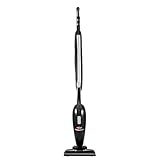
- VC Score8.8
BCP Score is a ranking system developed by bestcleanerproducts.com. BCP Score has no relationship or impact from any manufacturers or sales agent websites. Learn more
- BrandBissell

- VC Score8.8
BCP Score is a ranking system developed by bestcleanerproducts.com. BCP Score has no relationship or impact from any manufacturers or sales agent websites. Learn more
- BrandBissell

Eureka Airspeed Ultra-Lightweight Compact Bagless Upright Vacuum Cleaner, NEU10AE4, Red
View on Amazon- VC Score8.6
BCP Score is a ranking system developed by bestcleanerproducts.com. BCP Score has no relationship or impact from any manufacturers or sales agent websites. Learn more
- BrandEureka

Bissell PowerClean FurGuard 280W Self-Standing Cordless Vacuum w/Self-Cleaning Brush Roll,
View on Amazon- VC Score8.6
BCP Score is a ranking system developed by bestcleanerproducts.com. BCP Score has no relationship or impact from any manufacturers or sales agent websites. Learn more
- BrandBissell

- VC Score8.6
BCP Score is a ranking system developed by bestcleanerproducts.com. BCP Score has no relationship or impact from any manufacturers or sales agent websites. Learn more
- BrandShark
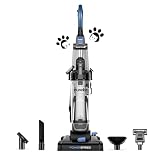
- VC Score8.4
BCP Score is a ranking system developed by bestcleanerproducts.com. BCP Score has no relationship or impact from any manufacturers or sales agent websites. Learn more
- BrandEureka
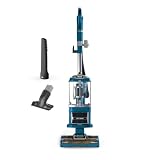
- VC Score8.4
BCP Score is a ranking system developed by bestcleanerproducts.com. BCP Score has no relationship or impact from any manufacturers or sales agent websites. Learn more
- BrandShark

- VC Score8.2
BCP Score is a ranking system developed by bestcleanerproducts.com. BCP Score has no relationship or impact from any manufacturers or sales agent websites. Learn more
- BrandShark

Shark PowerPro Plus Cordless Stick Vacuum, Lightweight, Rechargeable, FloorDetect Technology,
View on Amazon- VC Score8.2
BCP Score is a ranking system developed by bestcleanerproducts.com. BCP Score has no relationship or impact from any manufacturers or sales agent websites. Learn more
- BrandShark

- VC Score8.2
BCP Score is a ranking system developed by bestcleanerproducts.com. BCP Score has no relationship or impact from any manufacturers or sales agent websites. Learn more
- BrandDyson
Last update on 2026-06-26 / Affiliate links / Images, Product Titles, and Product Highlights from Amazon Product Advertising API
How To Use Navigator Vacuum Without Wasting Passes
Floor cleaning gets annoying fast when the vacuum feels loud, bulky, or fussy, yet the dirt still sits there like it owns the place. How to use navigator vacuum starts with a simple idea: match the machine to the mess instead of pushing it the same way across every surface. A Navigator-style vacuum can handle daily crumbs, dust trails, pet hair, and tracked-in grit, but good setup decides whether the job feels smooth or like a wrestling match. Start with an empty dust cup, clean filters, and the right floor mode before expecting the vacuum to pull its weight.
The first pass should be slow enough for the brush roll and suction path to actually grab debris. Rushing over carpet often leaves fine dirt behind, especially near doorways, couch edges, and hallway runners. Use overlapping strokes like mowing a small lawn, not frantic back-and-forth shoves. That steady rhythm helps the vacuum lift dirt from fibers instead of just grooming the surface.
Hard floors need a lighter touch because scattered crumbs can shoot away if the brush roll is too aggressive. Floor setting choice matters here, especially around kitchens, entryways, and dining chairs where debris collects in little piles. Move forward gently, then pull back with control so suction can catch what the head loosens. For concrete or sealed utility floors, compare cleaning habits with cordless stick vacuum concrete floors if you need a lighter secondary tool for quick pickups.
Carpet takes patience, especially if pet hair has settled deep into the pile. Slow backward passes often pick up more than fast forward pushes because the vacuum head stays sealed against the fibers longer. Use shorter strokes in busy zones instead of trying to cover the whole room in sweeping lines. That small change can make an older rug look fresher without adding extra cleaning products.
Set Up The Vacuum Before The First Room
A Navigator vacuum usually performs better after a quick pre-cleaning check. Emptying the dust cup before it reaches the max line keeps airflow from dropping during the job. A half-packed bin may still look usable, but fine dust can choke suction sooner than expected. Snap the cup back firmly so the seal stays tight and the motor doesn’t sound strained.
Filters deserve the same attention because they catch the fine stuff people forget about. Washable foam and felt filters should be cleaned only as the manual allows, then dried fully before going back in. Damp filters can create odor and restrict airflow, which is a lousy tradeoff. Keep a simple reminder on your phone if filter care keeps slipping through the cracks.
The brush roll needs a quick glance before carpet cleaning. Hair wrap, string, and thread can build around the roller and weaken pickup. Unplug the vacuum before clearing anything from the head, then use scissors carefully if tangled fibers are wrapped tight. That tiny maintenance habit prevents the vacuum from sounding angry and dragging across rugs.
Check the hose and wand if suction feels weak at the floor head. Clogs love tight bends, especially after vacuuming leaves, cereal, pet food, or paper scraps. Detach the hose and look through it toward a light source if possible. A flexible broom handle or blunt tool can help loosen debris, but avoid sharp objects that could puncture the hose.
Choose The Right Mode For Each Surface
Surface changes are where many cleaning sessions go sideways. Carpet mode usually needs brush roll movement to agitate fibers and lift buried dust. Hard floor mode often reduces scatter and keeps the head moving smoothly. Switching modes takes a second, yet it can save several annoying repeat passes.
Low-pile rugs can handle more direct cleaning, but small mats may bunch up if suction grabs too hard. Hold lightweight rugs with your foot at the edge or use a gentler setting if the vacuum allows it. Never force the head over a mat that keeps folding because that can stress the belt and brush roll. Shake small mats outside first if they’re loaded with sand or grit.
Thick rugs need a slower pace and a bit of judgment. High suction can make the head hard to push, which turns cleaning into a shoulder workout. Raise the height setting if available or use shorter strokes to keep airflow steady. The goal is steady contact, not brute force.
Bare floors around sinks and laundry rooms need care because moisture and vacuums don’t mix. Dry debris only should go into a Navigator vacuum unless the model is specifically built for wet pickup. Avoid damp coffee grounds, wet soil, and sticky spills. For plumbing messes, keep vacuuming separate from drain care, and use strongest drain cleaner guidance only for the sink or pipe problem itself.
Use Attachments Where The Main Head Cannot Reach
The main floor head is handy, but it can’t win every corner battle. Crevice tools reach baseboards, sofa seams, sliding door tracks, and the tight strip beside appliances. Push the tool slowly into the gap, then pull back to let airflow carry debris through the wand. Fast jabs mostly stir dust into the air.
Dusting brushes work better on shelves, blinds, lampshades, and vent covers. Soft bristles loosen settled dust without scraping delicate surfaces. Use low, steady movement instead of pressing hard, because pressure can flatten the bristles and reduce airflow. Dust from top to bottom so falling particles get cleaned later from the floor.
Upholstery tools help with couches, pet beds, stairs, and fabric chairs. Fabric surfaces hold hair and crumbs in seams, so work across cushions in slow strips. Remove loose pillows first and vacuum the frame edges where snacks somehow disappear. That hidden debris is often what keeps a room smelling stale even after the floors look clean.
Small electronics need a gentler approach than full-size vacuum suction. Keyboard debris can be stubborn, but a large hose may pull keycaps or push dust deeper if used carelessly. For desks, drawers, and compact work areas, compare options like mini vacuum keyboard tools instead of forcing the main vacuum into a delicate job. Keep the Navigator for floors, furniture, stairs, and tougher household debris.
Clean Stairs Without Fighting The Machine
Stairs need a different plan because balance matters as much as suction. Lift-away style cleaning, if your model includes it, makes stair work safer and less awkward. Place the canister securely on a step below you or carry it with one hand while keeping the hose relaxed. Avoid stretching the hose until the vacuum tips or slides.
Start at the top and work downward so loosened dirt doesn’t fall onto already-clean steps. Stair edges collect dust, grit, and pet hair where the tread meets the riser. Use the crevice tool along that line first, then switch to an upholstery or motorized tool if available. Short, careful passes beat wide swings on narrow steps.
Carpeted stairs often hide debris near the corners. Focused edge cleaning makes a bigger difference than repeatedly running the tool across the center. Press the attachment flat enough to keep suction sealed, but don’t grind it into the carpet. Too much pressure can slow airflow and make the tool harder to control.
Hard stairs need attention to safety because dust can make them slick. Controlled movement helps prevent the hose from knocking into railings or pulling the vacuum off balance. Keep the cord behind you and away from your feet. A few extra seconds spent managing the cord is better than turning a cleaning session into a trip hazard.
Keep Suction Strong During Everyday Cleaning
Suction loss usually has a cause, and it’s rarely mysterious. Blocked airflow, dirty filters, overfilled dust cups, and tangled brush rolls are the usual suspects. Check those areas before assuming the vacuum is worn out. A calm five-minute inspection often fixes what feels like a major performance problem.
The dust cup should be emptied over a trash bin with enough space to catch fine particles. Dust clouds can puff back into the room if the cup is dumped too aggressively. Tap the cup gently, close it fully, and wipe the rim if debris sticks near the seal. A clean seal helps preserve suction during the next run.
Filters need full drying time after washing. Dry filters protect airflow and help prevent musty smells inside the vacuum. Never rush the process with high heat unless the manual allows it, because heat can warp filter material. Keeping a spare filter set can make cleaning day less of a waiting game.
The brush roll area should be checked after heavy pet hair sessions. Wrapped hair can reduce agitation and make carpets look half-cleaned even when suction still sounds strong. Cut away tangles carefully, then spin the roller by hand while the vacuum is unplugged. Smooth movement tells you the head is ready for the next room.
Advanced Techniques For Cleaner Floors With Navigator Vacuum
Messy edges, pet hair, and scattered crumbs often turn floor cleaning into a tedious chore. Using a Navigator vacuum efficiently depends on paying attention to the right tool, proper motion, and targeted suction. Adjusting head height, switching floor modes, and applying consistent strokes can make a dramatic difference in how much debris actually gets collected. A few minutes spent on setup often saves repeated passes across the same room.
Pet hair embedded in carpet fibers is notoriously stubborn. Slow, overlapping passes help lift hairs before the vacuum blows them around. Combine this with the appropriate brush roll setting for medium or high-pile rugs. These tweaks reduce the frustration of missing spots and keep your flooring looking more consistently clean.
Hard floors also need care to prevent scattering light debris. Floor-sensitive suction ensures crumbs and fine dust get pulled into the dust cup instead of being pushed around. A gentle push-pull rhythm prevents dust clouds and minimizes the chance of scratches. For durable concrete floors, consider additional tools like upright vacuum for all floors for quick touch-ups in high-traffic areas.
Maintaining a clean path through corners and tight spaces often requires attachments. Crevice tools and dusting brushes help target narrow zones where the main head cannot reach. Using the right attachment in the right spot enhances overall coverage without extra effort. These small adjustments are key to achieving a thorough clean efficiently.
Proper technique extends the lifespan of your vacuum and keeps performance consistent. Avoid overloading the dust cup or letting filters clog. Regular checks and light maintenance reduce wear and tear, keeping the machine performing at peak efficiency for longer.
Handling Common Obstacles And Floor Variations
Stairs, rugs, and varying floor textures require tailored handling. Adjustable suction and height settings allow the Navigator vacuum to work effectively across different surfaces without excessive effort. Pay attention to the transitions between hardwood and carpeted areas to avoid missing debris or creating streaks. Consistency in speed and movement ensures the vacuum collects dust rather than redistributing it.
Small rugs can shift or bunch during vacuuming, which reduces efficiency. Light pressure and steady strokes prevent the edges from curling and keep suction strong across the surface. This is especially helpful in high-traffic entryways where debris accumulates quickly. Proper handling reduces the need for repeated passes and prevents fiber damage over time.
Debris trapped along baseboards and furniture edges often requires attachments. Using the crevice or upholstery tool with careful control ensures these hidden areas are cleaned thoroughly. Long, deliberate strokes capture fine dust that otherwise lingers unnoticed. Incorporating attachments into routine passes improves overall cleanliness without adding significant time.
High-pile carpets demand additional attention. Multiple, slower passes with the right brush roll speed maximize pickup of embedded dirt. Focus on dense areas where pets frequent or near doorways. These spots often hide debris that makes floors appear dirty despite regular cleaning.
Maximizing Suction And Airflow Efficiency
Suction strength is central to effective cleaning. Blocked hoses, packed dust cups, or clogged filters can reduce performance. Regular inspection and cleaning of these components maintain consistent airflow and help the vacuum perform reliably. Addressing minor issues before they escalate ensures each cleaning session meets expectations.
Filters need to be dry and properly seated to sustain peak suction. Wet or misaligned filters compromise airflow and reduce debris collection. Rotate filter maintenance into a routine schedule to keep performance stable. A second set of filters can help prevent downtime during frequent cleaning sessions.
The brush roll should remain free of hair and string buildup. Manual removal of tangled debris prevents drag and allows smooth operation. Even light obstruction can weaken the machine's efficiency and make cleaning more laborious. Maintaining the roller head is critical to preserving the vacuum’s effectiveness.
Hose and wand inspections are important for detecting subtle blockages. Visible clogs often form in bends or corners where debris accumulates. Clearing these ensures full suction reaches the floor head. Regular attention to these areas keeps the vacuum working at its intended power.
Managing Stairs, Tight Corners, And High Traffic Areas
Stairs and narrow passages are a common source of frustration. Using a lift-away or handheld configuration reduces strain and improves reach. Proper positioning of the canister or main body prevents tipping and keeps the hose manageable. This allows controlled, safe cleaning across vertical surfaces.
Focus on top-to-bottom movement for stairs to avoid dust dropping onto already cleaned steps. Short, deliberate strokes along edges ensure corners and crevices are captured. Hard or carpeted steps each demand slightly different handling, but consistent technique maintains effectiveness. Proper management reduces fatigue and improves overall efficiency.
High-traffic zones often contain concentrated debris. Extra passes with targeted suction ensure these areas remain fully clean. Pay attention to thresholds, doorways, and mats where grit accumulates. Concentrated cleaning here prevents dirt from spreading to adjacent areas during regular vacuuming.
Transitioning between different floor types within these zones requires careful adjustment. Height settings and brush engagement must match the surface to maintain performance. Avoiding abrupt changes in suction strength prevents scattering of dirt and maintains a polished look across floor types.
Regular Maintenance And Longevity Practices
Extending the life of a Navigator vacuum involves routine care beyond emptying the dust cup. Scheduled filter washing, roller cleaning, and hose inspections preserve suction and protect mechanical components. Keeping a consistent maintenance routine ensures the vacuum remains reliable over years of use.
Check belts and brush roll alignment regularly. Worn belts or misaligned rollers reduce cleaning efficiency and may damage carpets. Replacing or adjusting parts promptly prevents small issues from becoming bigger problems. Attention to these details enhances durability and maintains consistent results.
Protect electronic components from moisture and dust. Dry cleaning and proper storage prevent corrosion or short circuits. Even careful vacuuming can introduce moisture if done in damp conditions, so verify the environment before operation. Preserving electronics ensures the Navigator remains responsive and safe.
Accessories such as attachments, dusting brushes, and crevice tools should be stored properly. Organized storage prevents damage and makes them easy to access during cleaning. Keeping tools in good condition contributes to overall cleaning efficiency and prolongs vacuum usability.
Optimizing Multi-Surface Cleaning With Attachments
Switching attachments strategically maximizes cleaning across diverse surfaces. Upholstery, crevice, and dusting tools allow precision cleaning where the main head falls short. Gradually integrating these tools into routine passes improves thoroughness without adding unnecessary time.
For electronics and delicate surfaces, use smaller or soft-bristle attachments. Targeted suction prevents scratches and keeps dust confined. This approach protects valuables while maintaining cleanliness around home or office environments. Mini vacuums may assist for tight electronics areas, like keyboards, if preferred.
High shelves, vents, and corners benefit from angled brushes and wand extensions. Reach and flexibility allow debris removal without ladder risk. Even subtle enhancements in cleaning method can significantly reduce accumulated dust over time.
Concentrated use of attachments ensures no area is overlooked. Systematic approach reduces repeat efforts and prevents missed debris. Following an organized sequence across rooms and surface types maintains efficiency while optimizing results.
Maximizing Performance With Advanced Settings
Some Navigator models feature variable suction, height adjustment, and specialty modes. Optimizing these settings based on floor type, debris level, and carpet thickness increases cleaning efficiency. Using high suction where appropriate, and gentler modes on delicate surfaces, balances power and care.
For stubborn dirt, multiple passes with adjusted speed and suction improve pickup. Adaptive technique avoids overworking the machine and protects surfaces. Small modifications in technique can noticeably improve results on high-traffic or sticky debris areas.
Understanding timing and pattern also matters. Systematic back-and-forth strokes on carpets and deliberate side-to-side strokes on hard floors ensure comprehensive coverage. Proper patterns reduce skipped spots and repeated cleaning of the same area.
Maintenance reminders integrated with usage, such as filter or dust cup alerts, help sustain peak performance. Attending to these prompts prevents performance degradation over time and ensures the vacuum continues to operate at its intended efficiency.
Enhancing Cleaning Efficiency And User Experience
Minimizing interruptions and maximizing floor coverage improves both efficiency and satisfaction. Planned room sequences, ready access to attachments, and pre-emptive clearing of obstacles reduce wasted motion. This keeps the cleaning process smoother and less tiring.
Combining floor-specific settings with proper attachment use creates a tailored approach. Effective suction, proper brush roll speed, and targeted strokes collectively ensure a cleaner surface. Users gain a noticeable reduction in repeat passes while maintaining thorough cleanliness.
Tracking performance over time highlights areas needing attention. Spot checks and minor adjustments prevent dirt accumulation and maintain consistent results. Even small tweaks in technique enhance the overall outcome of each session.
Integrating these practices transforms routine cleaning into a more controlled, efficient, and effective process. Consistency, care, and strategic use of tools maximize the potential of the Navigator vacuum and reduce frustration from missed debris. For occasional tough debris or specialized needs, consider additional equipment guidance from burn cleaner propane or natural gas methods to complement heavy-duty cleaning scenarios.


How to Refinish a Fiberglass Pool

How Do You Keep Raccoons Out of Your Pool?

How to Fix Cyanuric Acid in Your Pool

How to Shape a Pool Cue Tip to Stop Miscues

Best Far Infrared Sauna Sauna Heats: Top Picks of 2026

11 Best Far Infrared Sauna Carbon Fiber Heaters of 2026 For Balanced Full-Body Heat

11 Best Carbon Far Infrared Sauna of 2026 For Even Heat

10 Best Bluetooth Speaker For Sauna of 2026 For Heat and Steam


