
How to Use Hose Vacuum for Pool the Smart Way

How to use hose vacuum for pool sounds simple until the vacuum head starts floating, dirt drifts back into the water, or the hose fills with stubborn air pockets. Those little setbacks frustrate almost everyone at first, yet they usually come from skipping a few practical details rather than using the wrong equipment. A steady approach makes a huge difference because proper hose priming, slow cleaning movements, and consistent suction all work together to lift debris instead of scattering it around the pool.
Small leaves, sand, insects, and bits of grass often settle in corners where circulation isn't strong enough to move them toward the filter. That's why a hose-powered vacuum remains a handy cleaning tool even for pools with decent filtration. Rather than rushing from one end to the other, move gradually, overlap each pass, and let the suction do the heavy lifting. Slow and steady usually beats fast every single time.
Pool maintenance doesn't have to feel like a chore hanging over the weekend. Once the vacuum hose is completely filled with water before connecting it to the skimmer or vacuum plate, suction becomes much more reliable. Air trapped inside the hose can weaken performance and make cleaning take far longer than necessary. Getting that first step right saves plenty of headaches later.
How to use hose vacuum for pool also involves paying attention to the pool floor instead of chasing every floating leaf. Larger debris should be skimmed away first because oversized material may clog the vacuum opening. That quick preparation helps maintain stronger water flow and reduces interruptions during cleaning. It also places less stress on the filtration system.
Cloudy water doesn't always mean the vacuum failed. Fine particles sometimes become suspended before the filter captures them, so patience matters. Running the pump after vacuuming gives the filtration system time to remove those remaining particles. Combined with regular brushing and balanced water chemistry, a hose vacuum becomes part of an easy routine instead of a once-in-a-while rescue mission.
Little habits create noticeable results over time. Cleaning steps, benches, ladders, and tight corners before finishing the larger open areas prevents dirt from drifting back across freshly cleaned sections. Those extra minutes often produce a cleaner-looking pool without repeating the same work twice. That's a satisfying payoff after spending time outside maintaining the water.
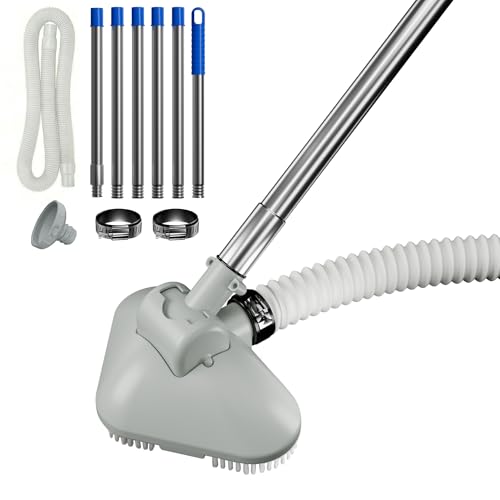
- VC Score9.2
BCP Score is a ranking system developed by bestcleanerproducts.com. BCP Score has no relationship or impact from any manufacturers or sales agent websites. Learn more
- BrandNICENICY
- VC Score8.8
BCP Score is a ranking system developed by bestcleanerproducts.com. BCP Score has no relationship or impact from any manufacturers or sales agent websites. Learn more
- BrandPoolmaster
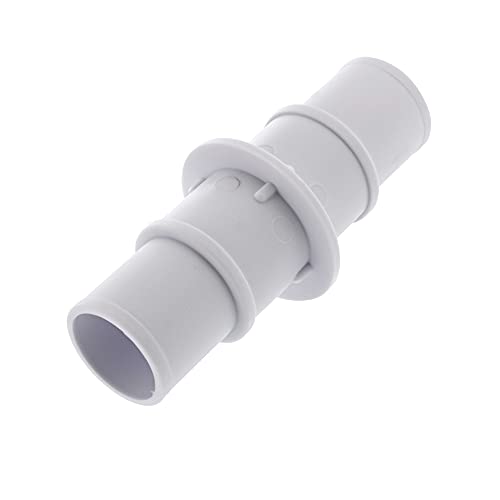
- VC Score8.8
BCP Score is a ranking system developed by bestcleanerproducts.com. BCP Score has no relationship or impact from any manufacturers or sales agent websites. Learn more
- BrandU.S. Pool Supply

- VC Score8.8
BCP Score is a ranking system developed by bestcleanerproducts.com. BCP Score has no relationship or impact from any manufacturers or sales agent websites. Learn more
- BrandMagoog
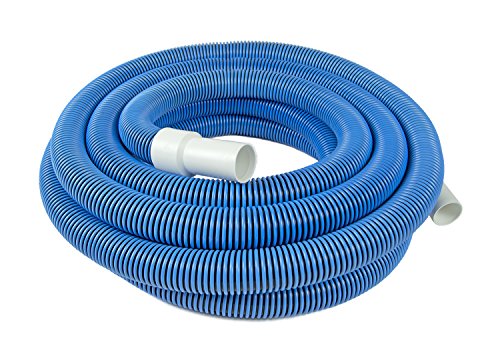
- VC Score8.8
BCP Score is a ranking system developed by bestcleanerproducts.com. BCP Score has no relationship or impact from any manufacturers or sales agent websites. Learn more
- BrandPoolmaster
- VC Score8.8
BCP Score is a ranking system developed by bestcleanerproducts.com. BCP Score has no relationship or impact from any manufacturers or sales agent websites. Learn more
- BrandPoolmaster

- VC Score8.4
BCP Score is a ranking system developed by bestcleanerproducts.com. BCP Score has no relationship or impact from any manufacturers or sales agent websites. Learn more
- BrandPOOLWHALE
- VC Score8.2
BCP Score is a ranking system developed by bestcleanerproducts.com. BCP Score has no relationship or impact from any manufacturers or sales agent websites. Learn more
- BrandPool Supply Town

- VC Score8.2
BCP Score is a ranking system developed by bestcleanerproducts.com. BCP Score has no relationship or impact from any manufacturers or sales agent websites. Learn more
- BrandSepetrel

- VC Score8.0
BCP Score is a ranking system developed by bestcleanerproducts.com. BCP Score has no relationship or impact from any manufacturers or sales agent websites. Learn more
- BrandPOOLAZA

- VC Score7.8
BCP Score is a ranking system developed by bestcleanerproducts.com. BCP Score has no relationship or impact from any manufacturers or sales agent websites. Learn more
- BrandPool Supply Town

- VC Score7.8
BCP Score is a ranking system developed by bestcleanerproducts.com. BCP Score has no relationship or impact from any manufacturers or sales agent websites. Learn more
- BrandPoolmaven
Last update on 2026-07-10 / Affiliate links / Images, Product Titles, and Product Highlights from Amazon Product Advertising API
How To Use Hose Vacuum For Pool Without Wasting Your Saturday
Cloudy water after vacuuming feels like a dirty trick, especially after you’ve already dragged out the pole, hose, and vacuum head. The usual problem isn’t laziness or bad luck, though. It’s often weak suction, air trapped in the hose, or moving too fast across the floor. That’s why how to use hose vacuum for pool starts with setup, not scrubbing harder.
Hose Vacuum Setup That Actually Pulls Debris
A hose pool vacuum depends on steady water flow, so the first job is getting the hose filled with water before suction starts. Any air sitting inside the hose can make the pump cough, lose pull, or stop grabbing debris well. Push the vacuum head into the pool, attach the pole, and lower the hose slowly until every section fills. This small step protects consistent suction and keeps the vacuum from acting jumpy.
The easiest trick is to hold one end of the hose against a return jet until bubbles stop rising from the vacuum head. No bubbles means the hose is mostly primed. Then connect the hose to the skimmer suction port or vacuum plate without lifting it out of the water. That wet connection keeps air pockets from sneaking back in.
Before vacuuming, skim off large leaves, twigs, and floating bits. Big debris can clog the vacuum head or basket, which makes suction drop fast. A pool hose vacuum handles settled dirt better than floating clutter. Think of skimming as clearing the road before the real cleanup begins.
Pool surfaces matter, too. Vinyl liners need a gentler touch than concrete, and sharp dragging can leave marks or stress seams over time. Use a smooth vacuum head made for your pool type, and don’t jam it into corners like a shovel. Careful pressure keeps pool flooring cleaner without turning cleaning day into repair day.
Prime The Hose Before You Touch The Skimmer
Priming the hose is the step people skip, and yeah, that’s where half the trouble starts. A pump pulls water, not air, so a hose full of bubbles interrupts suction. Once that happens, dirt can drift away instead of moving into the filter system. Proper priming gives you stronger pull, less frustration, and fewer stops.
Place the vacuum head flat on the pool floor first, then feed the hose into the water section by section. Don’t toss the whole hose in like a rope. Slow feeding helps water replace air inside the hose. It also keeps the vacuum head from flipping over and stirring up settled dirt.
After the hose fills, keep the open end underwater while connecting it to the skimmer plate. That one detail matters more than most folks think. Lifting the hose end even briefly can let air back inside. For extra cleaning around smooth indoor-style flooring outside the pool area, To reduce grit tracked near wet walkways, rely on upright vacuum for vinyl floors before debris ends up in the water.
A clear pump lid can help you spot trouble quickly. If you see lots of bubbles after connecting the vacuum, stop and reprime the hose. Don’t force the pump to struggle through it. Stable water movement is the backbone of pool vacuum performance.
Move Slowly So Dirt Does Not Fight Back
Fast vacuuming feels productive, but it usually makes the pool look worse. Quick strokes lift fine debris into the water, and then the filter needs extra time to catch it. Move the vacuum head like you’re mowing a tiny lawn, with overlapping passes and calm pressure. That rhythm helps settled debris move into suction instead of floating away.
Start in the shallow end if the pool has a slope, then work toward the deeper section. Dirt naturally slides or settles into low areas, so finishing there makes sense. Keep the hose behind you as much as possible to avoid dragging it across clean sections. A little planning prevents the classic “why is this dirty again?” moment.
Corners, steps, and around ladders need patience. These spots collect sand, hair, grass, and sunscreen residue because water circulation is weaker there. Angle the vacuum head gently and pause for a second over stubborn patches. The pause gives suction power time to grab what brushing alone may miss.
Clogging can happen if the suction suddenly fades. Check the skimmer basket, pump basket, and vacuum head opening before blaming the whole setup. Carpet cleaner suction problems follow a similar logic, so To troubleshoot weak pull in another cleaning tool, use fix bissell carpet cleaner suction as a practical reference for airflow and blockage habits. Different machine, same basic truth: blocked flow kills performance.
Watch The Filter Setting Before Vacuuming
The filter setting changes how debris moves through the system. For routine dust and light dirt, vacuuming through the filter usually makes sense. The filter catches particles, and clean water returns to the pool. That setup works well when the pool isn’t packed with heavy sediment.
Heavy algae, mud, or a lot of fine debris may need a different approach if the pool system allows it. Vacuuming to waste sends dirty water out instead of pushing it through the filter. That can lower the water level, so refill as needed and keep an eye on the pump. This method helps avoid loading the filter with thick debris that could slow circulation.
Sand filters, cartridge filters, and DE filters each need their own aftercare. A sand filter may need backwashing, while a cartridge may need rinsing. Don’t wait until pressure climbs too high before cleaning the filter. A clean filter supports better suction during the next vacuum session.
Budget cleaning tools can still do solid work if they’re maintained properly. Around patios, garages, and storage spaces, To handle dry debris before it reaches pool gear, compare bissell vacuum cleaners under 150 for quick cleanup outside the water. Keeping nearby dirt controlled makes pool vacuuming less of a weekly wrestling match.
How To Use Hose Vacuum For Pool Like A Consistent Pool Owner
A clean pool doesn't stay that way simply because the floor looks spotless after vacuuming. Tiny particles continue moving through the water, filters collect what the vacuum leaves behind, and small maintenance habits decide whether the next cleaning feels quick or painfully repetitive. Building a routine around how to use hose vacuum for pool helps protect water clarity, reduces wasted effort, and keeps small problems from turning into an all-day project.
Keep Suction Strong Throughout The Entire Job
Suction can weaken halfway through a cleaning session even if everything looked perfect at the start. Leaves packed inside the skimmer basket, a full pump basket, or a dirty filter all reduce water flow and force the vacuum to work harder. Checking those components before blaming the vacuum saves both time and frustration.
Watch the vacuum head while moving across the pool floor. If debris slips out from underneath instead of moving into the opening, stop for a moment instead of pushing faster. Cleaning the basket immediately usually restores steady suction far better than making repeated


How to Refinish a Fiberglass Pool

How Do You Keep Raccoons Out of Your Pool?

How to Fix Cyanuric Acid in Your Pool

How to Shape a Pool Cue Tip to Stop Miscues

Best Far Infrared Sauna Sauna Heats: Top Picks of 2026

11 Best Far Infrared Sauna Carbon Fiber Heaters of 2026 For Balanced Full-Body Heat

11 Best Carbon Far Infrared Sauna of 2026 For Even Heat

10 Best Bluetooth Speaker For Sauna of 2026 For Heat and Steam








