
How to Use a Ball Vacuum Cleaner Without Strain or Damage

Most people assume steering a ball vacuum takes heavy pushing, but moving smoothly requires only a gentle wrist twist once the base unlocks. To free the machine safely, rest your foot lightly on the cleaner head and tilt the handle back until the frame clicks down, then steer by turning your wrist from side to side. This motion lets the central sphere pivot around furniture without wrestling the carpet.
How easily the machine glides depends on your flooring and the latch design on your specific unit. Deep carpets often trap the floor head unless you open the suction slider, while bare floors require switching off the motorized roller brush. Some frames release with a small foot pedal while others need a steady backward pull. Setting these controls correctly keeps the machine rolling freely without straining your hands or cracking plastic parts.
Recline the handle with your foot to release it
A ball vacuum does not tilt back like an old-school upright vacuum. Instead of bending on a loose hinge, the machine locks into place using a rear kickstand (stabilizer wheels) that drops down whenever the handle stands fully upright. If you yank the handle backward while the wheels are locked, you can bend the internal linkage or snap the plastic locking tab. The release mechanism needs a gentle counterbalance to let the kickstand swing up smoothly into the rolling frame.
Follow these steps to unlock the frame without straining the parts:
- Stand directly behind the vacuum with both feet flat on the floor.
- Place the ball of your foot lightly on the front edge of the floor nozzle, keeping your weight on your back foot. If your model features a separate foot pedal near the ball, rest your sole on that pedal instead.
- Pull the upper handle backward toward your hip with steady, smooth pressure.
- Listen for a clean mechanical click as the rear kickstand folds up into the ball housing.
Once you hear that click, the handle moves freely and the machine is ready to roll. When you finish vacuuming, push the handle straight forward until the kickstand snaps back down into the parked position. Always test the lock by letting go of the handle gently before walking away. If the machine leans or sways, the kickstand did not engage fully, and the vacuum could tip over onto your floor.
If the handle resists, stop pulling immediately. Never stomp on the cleaner head or force the wand backward. Check underneath the front head to confirm the wheels are not caught on a thick rug edge, a discarded sock, or the power cord. Moving the vacuum an inch onto bare floor usually frees up the latch so it releases without force.
Turn your wrist naturally instead of muscling the frame
Steering a ball vacuum feels strange if you are used to pushing an older upright. Traditional vacuums only travel in straight lines, forcing you to push forward, pull back, and heave the front end off the ground to make a turn. A ball vacuum works on an entirely different pivot system. The motor and clear dirt bin sit directly above a central sphere that rolls smoothly in any direction.
Muscling the machine with your shoulder or forearm will make your wrist ache after just a few minutes. If you try to push a ball vacuum straight forward while forcing it sideways with arm strength, you fight against the natural curve of the sphere. The secret to effortless steering is in your wrist, not your arm.
Think of the handle like a doorknob. To turn left, roll your wrist slightly counterclockwise so the handle twists toward the left. The ball will tilt onto its edge, and the floor nozzle will swing smoothly in that direction. To turn right, roll your wrist clockwise. Your arm simply provides gentle forward momentum, while your wrist guides the turn.
When cleaning around table legs and tight corners, walk at a steady, relaxed pace and steer with small wrist twists rather than wide arm sweeps. The floor nozzle will snake around curved furniture without scuffing baseboards. If you feel resistance, loosen your grip on the handle and let the machine balance on the sphere.
Adjust the air slider to glide across deep carpets
High-powered ball vacuums often create an airtight seal against dense carpet fibers, trapping the floor nozzle against the floor backing. When this happens, the vacuum suddenly sticks to the rug like a giant suction cup, or the spinning brush roller stops dead with a loud shudder. This does not mean the motor is damaged.
To fix this, locate the air slider control (suction gate) on the floor nozzle. This slider opens a small vent that lets outside air bypass the floor seal. Opening this vent lowers the downward suction pressure just enough for the roller to spin freely, while keeping air velocity fast enough to draw out deep dirt.
Use this checklist to match your vacuum settings to each surface:
- Bare hardwood, tile, and laminate floors: Turn the motorized roller brush off using the switch on the handle or body. Keeping the roller off prevents stiff bristles from scattering grit across smooth planks. Set the air slider control to maximum suction to pull dust from seams and grout lines.
- Low-pile carpets and flat rugs: Turn the motorized roller brush on to agitate dust out of the fabric weave. Set the air slider control to the middle position so the head glides without pulling thin rugs off the floor.
- Thick plush and high-pile carpets: Keep the motorized roller brush on. Slide the air slider control all the way to minimum suction. Opening the vent completely allows the vacuum head to glide across deep pile without sinking into the fibers or choking the motor.
If your vacuum roller still bogs down on deep carpet with the suction vent fully open, raise the cleaner head height if your model includes an adjustable baseplate. Moving the head one notch higher provides extra clearance over deep fibers and prevents the internal belt from slipping.
Keep the upright base locked while using the hose
The built-in stretch hose lets you clean baseboards, ceiling vents, and cushions without moving furniture. But ball vacuums have a tall, narrow center of gravity. If you pull the hose while the machine is reclined, the ball rolls forward, destabilizing the frame and pulling the heavy base down onto your floor.
Follow these steps to detail tight spots safely:
- Push the main vacuum handle forward until the rear kickstand clicks into the locked, upright position.
- Press the wand release collar at the top of the spine.
- Pull the metal wand straight up out of the handle tube until the flexible stretch hose extends fully.
- Attach your chosen dusting brush, crevice tool, or stair attachment directly onto the wand or the hose cuff.
Always aim the front of the vacuum base toward the spot you are cleaning before you pull the hose. If you pull the stretch hose sideways at a sharp angle, tension in the coiled hose will tip the upright base onto its side.
When cleaning stairs, never balance the upright vacuum body on an upper step. The vibrating motor can easily knock the unit down the staircase. Keep the vacuum standing firmly at the bottom landing, using the reach of the hose to clean the lower steps. If carrying a heavy upright up and down steep stairs feels too cumbersome, you can look into what is the lightest cordless vacuum cleaner for handling upper-floor staircases without the bulk.
Also remember that dry vacuums should only ever pick up dry debris. Sucking up liquid spills or wet mud ruins internal motor filters. For wet messes, use a dedicated machine for tough stains and odors that extracts liquids safely without harming your dry vacuum.
Empty the dirt bin and clear roller hair regularly
Ball vacuums rely on smooth cyclonic airflow to separate dirt and keep the motor cool. When the clear dirt bin (cyclone pack) fills past the indicator line, debris spills back into the pre-motor filter. This drops your suction power and forces the motor to run hotter than it should.
Empty the clear dirt bin before debris reaches the marked maximum fill line. Remove the bin from the ball chassis by pressing the release catch on the carry handle. To prevent a cloud of fine dust from blowing into the room, hold the bin deep inside a trash can before pressing the bottom door release. Tap the sides gently to loosen clumps caught in the metal mesh shroud.
Hair buildup around the motorized roller brush is another common cause of motor strain. Long hair wraps tightly around the spinning brush roller, eventually working its way into the end caps. When hair binds the roller, friction creates heat that can melt plastic end caps or trip the motor safety switch.
Inspect the motorized roller brush every few weeks to keep it spinning:
- Unplug the vacuum from the wall outlet before checking the cleaner head.
- Turn the floor nozzle upside down on a flat surface so the brush roller faces you.
- Look along the length of the roller for the guide groove designed for scissor blades.
- Slide scissors or a seam-ripper through the groove, slicing hair bands without cutting the bristles.
- Pull the sliced hair strands free, making sure to clear both outer ends where hair wraps around the axle.
If the brush roller suddenly stops spinning, turn off the vacuum, unplug the cord, and clear any jammed threads or rug fringe. Let the unit sit for a few minutes so the internal motor breaker can reset.
Choose the right attachments to protect rollers and corners
Using the right specialized tools makes maintaining and operating a ball vacuum much easier over time. Standard floor nozzles handle broad carpets well, but dedicated attachments solve specific issues like tangled roller brushes, clogged airways, and tight spaces under low furniture.
When selecting maintenance tools and extra vacuum heads, look for features that simplify hair removal and airflow management:
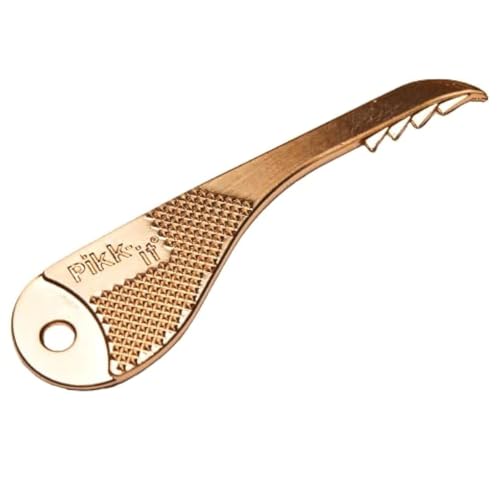
- Dedicated hair cleaning rakes: A small hand tool with hooked teeth and built-in cutting edges lets you strip hair and carpet fibers off the roller without taking apart the floor head housing. This prevents motor stalls and keeps bristles straight.
- Specialized floor heads with manual suction vents: If you have plush rugs that cause the vacuum to seal and stall, look for replacement floor nozzles with adjustable pressure-release vents. These vents allow you to regulate airflow directly at the carpet level.
- Articulating bare floor heads: A slim floor tool with soft bristles connects directly to your extension wand. It glides flat under beds and dressers where the bulky ball cannot fit, protecting delicate wood from scuffs.
- Tangle-free upholstery heads: For couches and pet bedding, look for turbine heads featuring counter-rotating discs instead of a single spinning drum. These heads draw hair straight into the suction stream without tangling around a spindle.
Before ordering any add-on tool, check your vacuum's connection style. Some ball vacuums use proprietary quick-release clips, while others use friction-fit round tubes. Confirming your hose connection size ensures your new attachments lock on securely without leaking suction.

- VC Score10.0
BCP Score is a ranking system developed by bestcleanerproducts.com. BCP Score has no relationship or impact from any manufacturers or sales agent websites. Learn more
- BrandMajosta

- VC Score9.2
BCP Score is a ranking system developed by bestcleanerproducts.com. BCP Score has no relationship or impact from any manufacturers or sales agent websites. Learn more
- BrandBissell
- VC Score9.0
BCP Score is a ranking system developed by bestcleanerproducts.com. BCP Score has no relationship or impact from any manufacturers or sales agent websites. Learn more
- BrandBissell
- VC Score8.8
BCP Score is a ranking system developed by bestcleanerproducts.com. BCP Score has no relationship or impact from any manufacturers or sales agent websites. Learn more
- BrandBissell

- VC Score8.8
BCP Score is a ranking system developed by bestcleanerproducts.com. BCP Score has no relationship or impact from any manufacturers or sales agent websites. Learn more
- BrandBLACK+DECKER
- VC Score8.6
BCP Score is a ranking system developed by bestcleanerproducts.com. BCP Score has no relationship or impact from any manufacturers or sales agent websites. Learn more
- BrandPikk-it

- VC Score8.4
BCP Score is a ranking system developed by bestcleanerproducts.com. BCP Score has no relationship or impact from any manufacturers or sales agent websites. Learn more
- BrandDyson

- VC Score8.4
BCP Score is a ranking system developed by bestcleanerproducts.com. BCP Score has no relationship or impact from any manufacturers or sales agent websites. Learn more
- BrandDyson

- VC Score8.4
BCP Score is a ranking system developed by bestcleanerproducts.com. BCP Score has no relationship or impact from any manufacturers or sales agent websites. Learn more
- BrandDyson

- VC Score7.8
BCP Score is a ranking system developed by bestcleanerproducts.com. BCP Score has no relationship or impact from any manufacturers or sales agent websites. Learn more
- BrandDyson

- VC Score7.6
BCP Score is a ranking system developed by bestcleanerproducts.com. BCP Score has no relationship or impact from any manufacturers or sales agent websites. Learn more
- BrandDyson

- VC Score6.6
BCP Score is a ranking system developed by bestcleanerproducts.com. BCP Score has no relationship or impact from any manufacturers or sales agent websites. Learn more
- BrandMajosta
Last update on 2026-09-30 / Affiliate links / Images, Product Titles, and Product Highlights from Amazon Product Advertising API


How to Refinish a Fiberglass Pool

How Do You Keep Raccoons Out of Your Pool?

How to Fix Cyanuric Acid in Your Pool

How to Shape a Pool Cue Tip to Stop Miscues

Best Far Infrared Sauna Sauna Heats: Top Picks of 2026

11 Best Far Infrared Sauna Carbon Fiber Heaters of 2026 For Balanced Full-Body Heat

11 Best Carbon Far Infrared Sauna of 2026 For Even Heat

10 Best Bluetooth Speaker For Sauna of 2026 For Heat and Steam


