
How to Use an Upright Vacuum Cleaner Like a Pro

How to Use an Upright Vacuum Cleaner sounds simple on the surface, yet plenty of people end up fighting weak suction, clogged brush rolls, and dusty corners that never seem to get fully cleaned. A vacuum can only perform as well as the way it's operated. Small mistakes such as using the wrong height setting or moving too quickly across the floor often leave dirt behind while making the cleaning process feel longer than it should.
Dust buildup has a sneaky way of spreading through living spaces. Pet hair settles into carpet fibers, crumbs hide along baseboards, and fine particles drift into areas that look clean at first glance. That's why knowing the right vacuum technique matters. A few practical adjustments can help improve pickup performance while reducing unnecessary strain on the machine.
Many households invest in a reliable upright vacuum expecting spotless results every time. Then frustration kicks in when debris remains visible or the vacuum becomes harder to push. In many cases, the machine isn't the problem. The issue often comes down to brush roll settings, cleaning patterns, filter maintenance, and understanding how different flooring surfaces respond to suction.
Carpeted rooms present one challenge, while hardwood, tile, and laminate create another. A setting that works beautifully on thick carpet may scatter debris across a hard floor. Knowing how to switch between cleaning modes helps maintain consistent performance throughout the home. Those little adjustments can save time and reduce wear on both flooring and equipment.
Maintenance plays an equally important role. Filters packed with dust, tangled brush rolls, and overfilled dirt containers gradually reduce efficiency. A vacuum that once felt powerful may suddenly seem sluggish. Regular care helps preserve strong airflow and keeps cleaning sessions from turning into a frustrating chore.
Movement patterns also make a bigger difference than many people realize. Fast passes often skim over debris, while slow overlapping strokes allow the vacuum to lift particles trapped deeper within carpet fibers. Paying attention to corners, furniture edges, and high-traffic pathways creates a noticeably cleaner result without adding much extra effort.
Another overlooked factor involves attachments. Crevice tools, extension wands, and upholstery brushes aren't just accessories sitting in storage. They help tackle dust in narrow spaces, stairs, furniture cushions, and hard-to-reach areas where the main vacuum head can't effectively reach. Using the proper attachment often produces better results with less effort.
A cleaner floor isn't always about working harder. Smart habits, proper machine setup, and routine upkeep can dramatically improve cleaning outcomes. By learning how to use an upright vacuum cleaner effectively, everyday cleaning becomes more efficient, more consistent, and far less frustrating.
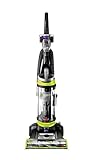
- VC Score9.0
BCP Score is a ranking system developed by bestcleanerproducts.com. BCP Score has no relationship or impact from any manufacturers or sales agent websites. Learn more
- BrandBissell

- VC Score8.8
BCP Score is a ranking system developed by bestcleanerproducts.com. BCP Score has no relationship or impact from any manufacturers or sales agent websites. Learn more
- BrandEureka

- VC Score8.8
BCP Score is a ranking system developed by bestcleanerproducts.com. BCP Score has no relationship or impact from any manufacturers or sales agent websites. Learn more
- BrandBissell

- VC Score8.8
BCP Score is a ranking system developed by bestcleanerproducts.com. BCP Score has no relationship or impact from any manufacturers or sales agent websites. Learn more
- BrandShark

- VC Score8.8
BCP Score is a ranking system developed by bestcleanerproducts.com. BCP Score has no relationship or impact from any manufacturers or sales agent websites. Learn more
- BrandBissell

- VC Score8.6
BCP Score is a ranking system developed by bestcleanerproducts.com. BCP Score has no relationship or impact from any manufacturers or sales agent websites. Learn more
- BrandBissell

- VC Score8.6
BCP Score is a ranking system developed by bestcleanerproducts.com. BCP Score has no relationship or impact from any manufacturers or sales agent websites. Learn more
- BrandDirt Devil

- VC Score8.6
BCP Score is a ranking system developed by bestcleanerproducts.com. BCP Score has no relationship or impact from any manufacturers or sales agent websites. Learn more
- BrandOreck
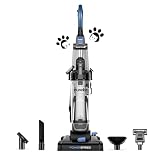
- VC Score8.4
BCP Score is a ranking system developed by bestcleanerproducts.com. BCP Score has no relationship or impact from any manufacturers or sales agent websites. Learn more
- BrandEureka

- VC Score8.4
BCP Score is a ranking system developed by bestcleanerproducts.com. BCP Score has no relationship or impact from any manufacturers or sales agent websites. Learn more
- BrandHoover

- VC Score8.2
BCP Score is a ranking system developed by bestcleanerproducts.com. BCP Score has no relationship or impact from any manufacturers or sales agent websites. Learn more
- BrandEureka
Last update on 2026-06-26 / Affiliate links / Images, Product Titles, and Product Highlights from Amazon Product Advertising API
How To Use An Upright Vacuum Cleaner Properly
A clean room can still feel a little gritty if the vacuum is rushed, the brush roll is packed with hair, or the height setting is fighting the floor instead of helping it. That’s the quiet frustration behind how to use an upright vacuum cleaner: the machine looks simple, but the results depend on small habits that most people skip. Slow passes, clean filters, and the right floor setting can make a basic weekly chore feel less like a wrestling match and more like a smooth reset. The goal isn’t fancy cleaning theater; it’s better pickup, less dust left behind, and a vacuum that doesn’t quit early because it’s clogged.
How To Use An Upright Vacuum
How to use an upright vacuum cleaner starts before the cord even comes out. Clear the floor first, because socks, toy parts, hair ties, and plant leaves can jam the brush roll faster than you’d think. Small objects don’t just make noise; they can block airflow, scratch flooring, or wrap around the rotating brush. A quick scan saves time later, especially in rooms with pets, kids, houseplants, or plenty of foot traffic.
The next move is checking the dirt bin or bag. A packed container limits suction power, even if the motor still sounds strong. Empty bagless bins before they reach the max line, and replace bags before they become dense little bricks of dust. For allergy-prone homes, a sealed bag system may feel cleaner during disposal, while bagless models can be easier for quick visual checks.
Floor height matters more than most people expect. Set the vacuum too low, and it may drag, squeal, or stop the brush from spinning freely. Set it too high, and the machine glides nicely while leaving debris tucked inside carpet fibers. The sweet spot lets the vacuum move with light resistance while keeping the brush roll contact close enough to lift dirt.
Hard floors need a different mindset than carpet. A spinning brush can scatter crumbs across tile or scratch delicate surfaces if the vacuum lacks a brush shutoff. Use the hard-floor mode if available, or raise the vacuum head slightly to reduce scattering. This is where patience pays off, because surface control keeps debris moving into the suction path instead of bouncing away.
Set Up The Vacuum Before Cleaning
A vacuum that smells dusty, pushes poorly, or leaves fuzzy lines across the carpet usually needs setup help, not a replacement. Start with the filter, because clogged filtration quietly chokes airflow. Wash washable filters only if the manual allows it, then let them dry fully before reinstalling. Damp filters can create odor, trap more dust, and make the machine work harder than necessary.
The brush roll deserves a quick look, too. Hair, thread, and carpet fibers wrap tightly around the roller and reduce its ability to agitate the floor. Snip tangles carefully with scissors, then pull the debris away without damaging bristles or belts. That one habit protects cleaning performance and helps prevent the burnt-rubber smell that can show up when belts struggle.
Power cords need basic attention. Pull out enough cord to clean the room without yanking the plug halfway through a pass. Keep the cord behind you whenever possible, because running over it can damage insulation or create a trip hazard. A tidy cord path makes the whole job feel less clumsy, especially around furniture legs and tight hallways.
Households dealing with dust mites, mattress dust, or fabric-heavy rooms often need more than one cleaning tool. For deeper fabric-focused cleaning, To reduce hidden dust around beds and soft surfaces, compare a canister vacuum dust mites setup with your upright routine before deciding which tool fits each job. Uprights shine on open floors, while smaller hose-friendly machines can feel easier around upholstery, curtains, and mattress edges.
Cleaning solutions should stay in their lane. An upright dry vacuum is built for dry debris, not wet spills, sticky cleaner residue, or damp soil from potted plants. If a hard floor needs cleaner, use the right product separately and let the area dry before vacuuming again. For tough floor grime outside the vacuuming step, To handle residue safely, review alkaline cleaner basics before putting any cleaner near surfaces that may react poorly.
Use Slow Passes Instead Of Fast Strokes
Fast vacuuming looks productive, but it often leaves the deeper dirt sitting right where it was. Carpet fibers need time to flex, release debris, and let suction pull particles upward. A slow forward pass followed by a slower backward pass usually cleans better than frantic zigzags. That rhythm gives the machine time to create steady airflow instead of skimming the surface.
Overlap each pass by a few inches. Those clean-looking stripes on carpet can fool the eye, but the edges of the vacuum head may not pick up evenly. Overlapping helps prevent dusty lanes, especially in high-traffic areas near sofas, beds, entryways, and kitchen transitions. It’s a small move, but it creates a noticeably more even finish.
Direction matters on carpet. Vacuum one way first, then turn and make a second set of passes across the grain if the room has heavy debris or pet hair. This crisscross pattern lifts particles from different angles, which helps with flattened fibers and stubborn fuzz. It’s not something every room needs every time, but it’s useful for deep cleaning days.
Edges need special treatment because the main vacuum head often misses them. Dust collects along baseboards, under cabinet lips, and near furniture feet like it’s hiding from rent. Use the crevice tool for these spots instead of repeatedly banging the upright into the wall. Attachments aren’t decoration; they’re the difference between “mostly clean” and actually clean.
Match The Method To Each Floor Type
Low-pile carpet usually responds well to regular suction and steady brush roll action. The vacuum should move smoothly without feeling like it’s glued to the floor. If pushing feels exhausting, raise the height setting one notch and listen for a smoother motor sound. Proper adjustment protects motor strain while still lifting embedded grit.
Thick carpet can be trickier. A low setting may seal the vacuum head too tightly against the pile, reducing airflow instead of improving suction. Raise the head until movement becomes controlled but not too loose. The brush should touch the fibers, not dig into them like a rake.
Hard floors call for controlled suction and less aggressive brushing. Turn off the brush roll if the model allows it, especially on hardwood or delicate laminate. Fine dust often settles in corners and along transitions, so slow edge passes help more than speed. A soft dusting attachment can also help around baseboards, plant stands, and low shelves.
Area rugs need caution because lightweight rugs can bunch, wrinkle, or get sucked toward the intake. Start on a higher setting and hold the rug edge with your foot if needed. Avoid fringe, since it can wrap around the brush roll and damage both the rug and the vacuum. For seasonal storage, To keep bedding and bulky fabrics cleaner between uses, pair floor care with vacuum bags blankets so dust has fewer soft places to settle.
Control Dust Instead Of Chasing It Around
Dust control starts with the order of cleaning. Dust shelves, tables, window sills, and plant leaves before vacuuming the floor. Gravity does what gravity does, and loose particles fall downward after wiping. Vacuuming last captures that debris instead of forcing you to clean the same room twice.
Open windows can be helpful, but they’re not always your friend during vacuuming. A strong breeze may move dust around before the vacuum collects it. In dusty neighborhoods, pollen season, or rooms near busy roads, closed windows can make cleaning more effective. Good airflow matters, but controlled airflow matters more.
Bagless bins should be emptied carefully. Hold the bin low inside a trash bag if dust tends to puff back into the room. Tap gently rather than shaking wildly, because fine particles can float right back onto nearby surfaces. Anyone sensitive to dust may prefer emptying the bin outside or using a disposable mask during messy cleanouts.
Filters should never be treated like an afterthought. A dirty filter can make a vacuum sound loud while cleaning poorly. Replace disposable filters on schedule, and rinse washable ones only according to the machine’s instructions. That simple upkeep supports strong suction, cleaner exhaust air, and fewer dusty smells during use.
Best Way To Vacuum Carpet With An Upright Vacuum Cleaner
Most vacuum frustrations show up long after the machine leaves the closet. Dirt returns quickly, pet hair seems glued to carpet fibers, and certain rooms never feel fully clean no matter how often they're vacuumed. The issue usually isn't effort. The issue is a lack of cleaning strategy, inconsistent maintenance, and missing the spots where debris actually accumulates.
Traffic patterns tell an important story. Hallways, entry points, living room seating areas, and the space around beds collect more debris than people expect. Concentrating extra passes in these locations often delivers a better result than vacuuming every square foot with the same intensity. A smarter approach improves efficiency while reducing unnecessary wear on the vacuum.
Carpet fibers also trap different kinds of debris. Surface crumbs are easy to remove, but fine dust, pet dander, and tracked-in particles settle deeper. Multiple cleaning directions help loosen embedded dirt that a single straight pass might leave behind. Those extra angles support deeper soil removal without requiring expensive equipment.
Consistency matters more than marathon cleaning sessions. A quick weekly routine paired with occasional deeper cleaning often works better than waiting until the carpet looks visibly dirty. Dirt hidden below the surface can gradually wear down carpet fibers, making regular vacuuming one of the simplest forms of floor maintenance.
Use Attachments To Reach Hidden Areas
The main vacuum head handles open floor space well, but furniture edges, corners, stairs, and vents create different challenges. Dust loves these overlooked zones because airflow naturally pushes debris toward them. Using attachments regularly helps prevent buildup that eventually spreads back into the room.
The crevice tool is especially useful around baseboards and beneath furniture. Narrow spaces often hide surprising amounts of dust, pet hair, and crumbs. Running the attachment slowly along edges improves detail cleaning while reducing the dusty lines that many people notice after vacuuming.
Upholstery tools deserve more attention than they usually get. Sofas, chairs, mattresses, and fabric headboards collect debris that later transfers back onto floors. Removing dust from soft furnishings creates a cleaner environment overall and supports better indoor cleanliness.
Stairs can be awkward with a full upright vacuum. If the model includes a hose and stair attachment, work from top to bottom using controlled movements. That method improves safety while helping capture dirt that accumulates in corners and along stair edges.
Handle Pet Hair Without Damaging The Vacuum
Pet owners often battle a different kind of cleaning challenge. Hair wraps around brush rolls, clogs filters faster, and settles deep into carpet fibers. Vacuuming more frequently usually produces better results than waiting for visible fur accumulations.
Brush roll inspections become more important in homes with shedding pets. Long strands can reduce brush performance and place unnecessary strain on belts or motors. Removing tangled hair helps preserve airflow and keeps cleaning performance more consistent.
Slow passes are particularly useful around pet beds and favorite resting areas. These locations collect fur, dander, and tracked debris every day. Extra attention in those zones often improves overall cleanliness more than repeatedly vacuuming low-traffic areas.
Fabric surfaces matter too. Couches, cushions, and blankets often hold a surprising amount of pet hair. Storing seasonal bedding inside protective vacuum bags blankets can help reduce dust buildup between uses while keeping bulky fabrics easier to manage.
Prevent Common Upright Vacuum Problems
A vacuum that suddenly loses suction isn't always broken. Full bins, blocked hoses, dirty filters, and tangled brush rolls cause many performance complaints. Checking these areas first can often restore strong suction within minutes.
Strange noises deserve attention. Grinding sounds may indicate debris caught in the brush assembly, while whistling can point to airflow restrictions. Addressing small issues early helps avoid larger repair costs later.
Overheating is another warning sign. Many vacuums include thermal protection that temporarily shuts the machine down if airflow becomes restricted. Cleaning filters and checking for clogs helps maintain safe operation while extending motor life.
Wet material should never be vacuumed unless the machine is specifically designed for it. Moisture can damage filters, encourage odors, and create clumps inside the airflow path. Dry debris remains the ideal workload for traditional upright models.
Combine Vacuuming With Smarter Floor Care
Vacuuming removes loose debris, but some floor issues require a different approach. Sticky spots, tracked residue, and dried spills may need separate treatment before vacuuming can be fully effective. Addressing those areas first often leads to noticeably cleaner floors.
Carpet stains benefit from targeted cleaning rather than repeated vacuum passes. Trying to vacuum dried residue repeatedly usually wastes time and can spread particles into surrounding fibers. For stubborn carpet marks, Explore how to use folex carpet cleaner as part of a broader floor-care routine.
Outdoor debris creates another challenge. Sand, grit, and fine particles wear carpet fibers over time, especially near entrances. Entry mats help reduce the amount of material reaching interior flooring, making routine vacuuming more effective.
Homes with children, pets, or active lifestyles often benefit from shorter cleaning intervals. Frequent light maintenance prevents dirt from becoming deeply embedded and supports long-term carpet appearance.
Build A Vacuuming Routine That Actually Lasts
The best cleaning plan isn't necessarily the most complicated one. Sustainable habits matter more than ambitious schedules that quickly fall apart. A realistic routine creates cleaner results because it actually gets followed.
Breaking large cleaning tasks into smaller sessions can make the process feel less overwhelming. One day may focus on bedrooms, while another targets living areas and hallways. Smaller workloads encourage consistency without turning cleaning into an exhausting project.
Seasonal adjustments help too. Rainy months often bring more tracked dirt, while shedding seasons increase hair accumulation. Adapting the vacuuming schedule to real household conditions usually produces better results than sticking rigidly to the same routine all year.
Storage also plays a role. Keeping the vacuum accessible encourages quick touch-up cleaning instead of postponing maintenance. Convenience supports regular use, and regular use remains one of the simplest ways to keep floors looking cleaner for longer.
Know The Limits Of An Upright Vacuum Cleaner
An upright vacuum is a strong tool for everyday floor care, but it isn't designed for every cleaning task. Tight spaces beneath low furniture, deep upholstery creases, and certain specialty surfaces may require attachments or alternative equipment.
Large outdoor debris can overwhelm residential vacuum systems. Stones, wet leaves, and construction material often create unnecessary wear on household machines. Matching the tool to the task protects both performance and longevity.
Specialized environments sometimes need specialized equipment. Pool owners, for example, often rely on dedicated cleaning systems rather than adapting household tools to outdoor surfaces. For pool maintenance situations, Compare options designed specifically for pool vacuum pebble sheen environments instead of forcing general-purpose equipment into unsuitable jobs.
Realistic expectations create better results. Regular maintenance, proper settings, clean filters, and thoughtful cleaning patterns allow an upright vacuum to perform at its best. Those habits deliver cleaner floors, stronger airflow, and a more reliable cleaning experience over time.


How to Refinish a Fiberglass Pool

How Do You Keep Raccoons Out of Your Pool?

How to Fix Cyanuric Acid in Your Pool

How to Shape a Pool Cue Tip to Stop Miscues

Best Far Infrared Sauna Sauna Heats: Top Picks of 2026

11 Best Far Infrared Sauna Carbon Fiber Heaters of 2026 For Balanced Full-Body Heat

11 Best Carbon Far Infrared Sauna of 2026 For Even Heat

10 Best Bluetooth Speaker For Sauna of 2026 For Heat and Steam


