
How to Use an Aquarium Vacuum Without the Mess

How to use an aquarium vacuum sounds straightforward, yet plenty of people end up pulling out too much water, stirring debris everywhere, or accidentally stressing their fish. A little preparation changes everything. Instead of rushing through the job, understanding how the siphon works and knowing where to clean first helps turn a frustrating chore into a quick routine that leaves the tank looking noticeably fresher.
Cloudy water often isn't caused by poor equipment. More often, it's the result of leftover food, fish waste, and decaying plant material hiding beneath the gravel. Proper gravel cleaning removes those hidden pockets without stripping away the beneficial bacteria living on the substrate. That's the sweet spot many people miss, and it's why cleaning too aggressively can be just as troublesome as skipping maintenance altogether.
Every aquarium develops its own rhythm. Some tanks collect debris quickly because they're heavily stocked, while others stay cleaner thanks to live plants or lighter feeding schedules. That's why blindly following someone else's routine rarely works. Paying attention to the amount of waste during each cleaning session tells you far more than sticking to a rigid timetable.
Good technique matters as much as good timing. Lowering the vacuum into the gravel, lifting it slowly, then moving to the next section allows the siphon to pull away debris while leaving most of the substrate behind. Controlled movements keep the water clearer throughout the process and reduce the chance of startling fish that are already curious enough to investigate every tool entering the aquarium.
It's tempting to clean every inch of gravel during one water change. Hold on a second. Cleaning the tank in sections helps preserve the biological balance while still removing plenty of waste. That balanced approach supports healthier water conditions and reduces the risk of sudden changes that sensitive aquatic life doesn't appreciate.
Equipment maintenance deserves attention too. Rinsing the vacuum hose after every use prevents lingering organic matter from creating unpleasant odors or clogging future siphons. A clean vacuum performs more consistently, making each maintenance session smoother instead of becoming another problem waiting to happen.
Little habits make a surprisingly big difference over time. Watching how debris settles, adjusting feeding amounts, and pairing regular water changes with how to use an aquarium vacuum correctly creates an aquarium that stays cleaner with less effort. Instead of constantly fixing problems after they appear, the tank remains stable, clearer, and far easier to enjoy every day.

- VC Score10.0
BCP Score is a ranking system developed by bestcleanerproducts.com. BCP Score has no relationship or impact from any manufacturers or sales agent websites. Learn more
- BrandAKKEE

- VC Score10.0
BCP Score is a ranking system developed by bestcleanerproducts.com. BCP Score has no relationship or impact from any manufacturers or sales agent websites. Learn more
- BrandAKKEE
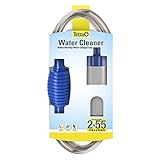
- VC Score9.0
BCP Score is a ranking system developed by bestcleanerproducts.com. BCP Score has no relationship or impact from any manufacturers or sales agent websites. Learn more
- BrandTetra

- VC Score8.8
BCP Score is a ranking system developed by bestcleanerproducts.com. BCP Score has no relationship or impact from any manufacturers or sales agent websites. Learn more
- BrandLaifoo

- VC Score8.6
BCP Score is a ranking system developed by bestcleanerproducts.com. BCP Score has no relationship or impact from any manufacturers or sales agent websites. Learn more
- Brandenomol

- VC Score8.4
BCP Score is a ranking system developed by bestcleanerproducts.com. BCP Score has no relationship or impact from any manufacturers or sales agent websites. Learn more
- BrandLuigi's

- VC Score8.4
BCP Score is a ranking system developed by bestcleanerproducts.com. BCP Score has no relationship or impact from any manufacturers or sales agent websites. Learn more
- BrandAREPK

- VC Score8.2
BCP Score is a ranking system developed by bestcleanerproducts.com. BCP Score has no relationship or impact from any manufacturers or sales agent websites. Learn more
- BrandCarefree Fish
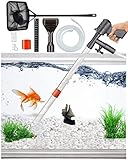
- VC Score8.0
BCP Score is a ranking system developed by bestcleanerproducts.com. BCP Score has no relationship or impact from any manufacturers or sales agent websites. Learn more
- BrandQZQ

- VC Score7.8
BCP Score is a ranking system developed by bestcleanerproducts.com. BCP Score has no relationship or impact from any manufacturers or sales agent websites. Learn more
- BrandUPETTOOLS
Last update on 2026-07-14 / Affiliate links / Images, Product Titles, and Product Highlights from Amazon Product Advertising API
How To Use An Aquarium Vacuum Without Making A Mess
A cloudy tank can make even a careful setup feel a little cursed. One day the gravel looks clean, then the next day fish waste, leftover food, and plant bits settle into every gap like they pay rent there. That’s where how to use an aquarium vacuum becomes less of a chore and more of a quiet rescue move for the whole tank. Done with patience, it removes hidden debris, keeps water changes calmer, and helps the aquarium stay clearer without turning the substrate upside down.
Aquarium Vacuum Basics
An aquarium vacuum is basically a siphon tube with a gravel cleaner, but the way it behaves can surprise people the first time. Water starts moving because gravity pulls it from the tank into a lower bucket, carrying loose waste with it. The wide tube lets gravel tumble slightly while lighter debris gets sucked away. That simple design is why bucket placement matters so much, since a bucket sitting too high can weaken the siphon and make cleaning feel clumsy.
The vacuum doesn’t need to swallow every speck of dirt in one pass. In fact, chasing a spotless look can backfire because the substrate holds beneficial bacteria that help process waste. The goal is controlled cleanup, not a full reset. A good session removes enough buildup to improve water quality while leaving the tank’s natural balance alone.
Most tanks need a gentle rhythm rather than a dramatic deep clean. Press the gravel tube into one small area, let debris rise, then lift it before too much substrate travels up the tube. Move slowly. Fish notice sudden motion, and slow siphoning keeps them from darting around like the sky just fell.
Tank size changes the feel of the job. A small aquarium drains fast, so every second counts. A larger tank gives more room to work, but the hose can still pull water quicker than expected. Keeping one hand on the hose or using a flow-control clip gives better command over water removal and helps prevent that classic “Oops, too much water is gone” moment.
Set Up The Tank Before You Start
Preparation saves headaches. Place a clean bucket below the tank, keep towels nearby, and check that the hose isn’t kinked before starting the siphon. That sounds basic, sure, but tiny setup mistakes create most spills. A stable bucket, a clear path for the hose, and dry hands near plugs make the job safer and smoother.
Turn off equipment that shouldn’t run during a water drop. Filters can make noise or pull air if the water level falls below the intake. Heaters may also need to be unplugged because running exposed heating elements can damage them. This small pause protects aquarium equipment while you focus on cleaning the gravel.
Fish don’t need to be removed for normal vacuuming. Moving them often creates more stress than the cleaning itself. Let them stay in the tank, then work around them with steady hands. That calm approach helps protect fish behavior and keeps the whole routine from feeling like an emergency drill.
Feeding habits also affect how dirty the substrate gets. Extra food sinks, breaks down, and feeds cloudy water problems. If the vacuum pulls up piles of uneaten flakes, that’s a clear sign to feed a little less next time. A cleaner tank often starts with smarter feeding, not harder scrubbing.
Start The Siphon Without Panic
Starting the siphon feels awkward until the motion clicks. Many manual aquarium vacuums start with a few quick up-and-down pumps inside the tank. Others need the hose filled with water first, then lowered into the bucket. Either way, the aim is simple: create steady flow without splashing or gulping air through the tube.
Keep the gravel tube underwater while the hose end sits in the bucket. Once water begins moving, don’t jam the tube deep into the gravel right away. Let the flow stabilize first. A steady stream gives better control over debris removal and keeps the cleaning from turning into a cloudy swirl.
Flow speed can be your friend or your headache. Strong suction lifts waste quickly, but it can also pull too much gravel or drain a small tank too fast. Pinching the hose lightly slows the flow without stopping the whole process. That tiny trick makes aquarium vacuum control much easier, especially in tanks with fine gravel or sand.
Sand tanks need extra patience. Hover the vacuum just above the surface instead of pushing it deep. Waste usually sits on top of sand, so digging can create a cloudy mess and remove substrate you actually want to keep. With sand, surface skimming beats aggressive plunging almost every time.
Clean Gravel In Small Sections
Work in zones rather than attacking the whole bottom at once. Pick one section, lower the tube into the gravel, wait for debris to rise, then lift and move over. This pattern keeps the tank calmer and protects the bacteria living across the substrate. It also gives you a clearer view of how much organic waste is actually hiding below the surface.
Deep gravel beds can trap pockets of old food and waste. Push the tube down gently until gravel rises inside, then lift before the gravel reaches the hose. The lighter debris keeps traveling out while the heavier gravel falls back down. That balance is the heart of proper gravel vacuuming, and once it feels natural, the job gets much less messy.
Don’t clean every single inch during every water change. Rotating sections helps preserve biological stability, especially in newer tanks or tanks with sensitive fish. A practical approach is to vacuum the dirtiest areas first, often below feeding spots, decorations, or filter outflow zones. This keeps tank maintenance targeted instead of random.
Decorations collect grime around their bases. Lift lightweight pieces carefully if debris piles up underneath, but don’t tear apart the whole layout every time. Fish use familiar hiding places to feel secure, so constant rearranging can make them skittish. Clean around décor with gentle tube placement, then save deeper rearranging for occasional maintenance days.
Match Cleaning To Water Changes
Aquarium vacuuming usually pairs with a partial water change. Many freshwater tanks do well with regular partial changes, often around 10 to 25 percent depending on stocking, feeding, and water test results. The exact amount isn’t a magic number. The real goal is keeping water quality stable while removing dissolved waste and visible debris.
Draining too much water too quickly can stress fish. Temperature, pH, and mineral balance can shift if the replacement water doesn’t match closely enough. Slow, moderate changes are usually easier on the tank than big swings. That’s why steady maintenance beats the panic-cleaning routine that happens after water turns cloudy.
Use dechlorinated replacement water that matches the tank’s temperature as closely as possible. Cold water poured into a warm aquarium can shock fish, even if everything else looks fine. Pour water slowly onto a plate, decoration, or your hand to avoid blasting the substrate. That careful refill helps protect aquarium stability after vacuuming.
Household cleaning habits can sneak into aquarium care, but soap and chemical cleaners don’t belong near tank tools. Keep aquarium buckets, hoses, and scrubbers separate from regular cleaning supplies. For home messes outside the aquarium, compare practical cleaning gear like a stick vacuum cleaner under 50 instead of repurposing anything that touches fish water. Dedicated tools protect fish-safe maintenance and prevent accidental contamination.
Avoid Common Vacuuming Mistakes
One big mistake is treating the vacuum like a pressure washer. Fast jabs into the substrate kick up muck, scare fish, and leave the water looking worse for a while. Slow placement works better. The tube should lift waste with controlled suction, not stir the tank into a snow globe.
Another mistake is cleaning the filter media and gravel too heavily on the same day. Both areas hold helpful bacteria, and stripping them together can weaken the tank’s waste-processing ability. Rinse filter media only in old tank water if it needs cleaning. That simple habit protects biological filtration while still letting you remove gunk.
Some people wait until the tank looks bad before using the vacuum. By then, waste may already be affecting water chemistry. Clear water doesn’t always mean clean gravel, especially in tanks with messy eaters. A regular schedule based on debris buildup and water tests keeps problems from sneaking up.
Cross-contamination is easy to overlook. A bucket used for floor cleaner, soap, or yard chemicals should never become an aquarium bucket. Even tiny residue can cause trouble in a closed tank system. For floor care around the room, keep separate household products such as an enzyme cleaner for hardwood floors far away from aquarium gear and water-change supplies.
Handle Plants, Fish, And Tight Corners Carefully
Live plants make vacuuming a little trickier. Roots help stabilize the substrate, so digging around them can loosen plants and cloud the water. Clean the open areas more deeply, then skim lightly near planted zones. That protects root health while still removing loose waste before it breaks down.
Fish often hover near the vacuum because they’re curious or searching for stirred-up food. Move slowly and give them space. Never chase them away with the tube, even if they’re being nosy. Calm movement keeps fish stress low and helps the routine feel normal over time.
Tight corners collect debris because water flow is weaker there. Angle the tube slightly and use short pauses to pull waste from seams, decoration edges, and behind rocks. Don’t force the tube into places where it can scrape glass or trap small fish. Careful positioning gives better corner cleaning without turning the tank into a wrestling match.
Floors around aquariums deserve a little planning too. Drips happen, even with a steady hand, and hardwood floors don’t love surprise puddles. Keep a towel under the bucket and wipe spills right away. For routine floor cleanup nearby, separate tools such as a lightweight vacuum for hardwood floors belong in the home-care lane, while aquarium tools stay strictly fish-safe.
How To Use An Aquarium Vacuu

How to Raise CYA in Your Pool Safely

How to Refinish a Fiberglass Pool

How Do You Keep Raccoons Out of Your Pool?

How to Fix Cyanuric Acid in Your Pool

How to Shape a Pool Cue Tip to Stop Miscues

Best Far Infrared Sauna Sauna Heats: Top Picks of 2026

11 Best Far Infrared Sauna Carbon Fiber Heaters of 2026 For Balanced Full-Body Heat

11 Best Carbon Far Infrared Sauna of 2026 For Even Heat


