
How to Use an Above Ground Pool Vacuum Right

How to use an above ground pool vacuum sounds simple at first, yet a few overlooked details can turn a quick cleanup into an afternoon filled with cloudy water, weak suction, or debris that refuses to budge. Plenty of people assume the vacuum does all the work, but the real difference comes from proper setup, steady movement, and understanding how the filtration system responds during cleaning. Small adjustments often produce noticeably cleaner water without adding extra chemicals or extra effort.
Start by making sure the vacuum head, telescopic pole, and hose are connected securely. Fill the hose completely with water before attaching it to the skimmer so trapped air doesn't reduce suction. Proper priming keeps the pump operating smoothly and prevents those frustrating moments where the vacuum suddenly loses power halfway across the pool floor. It's a tiny step, but skipping it usually creates much bigger headaches later.
Move the vacuum slowly instead of rushing from one side to the other. Gentle overlapping passes allow the vacuum head enough time to collect fine dirt, leaves, bugs, and sand without stirring everything back into the water. Sure, flying across the pool may seem faster, but patience almost always saves another round of cleaning. A calm rhythm usually beats speed every single time.
Keep an eye on the filter while cleaning. As debris builds up, suction naturally drops, making the vacuum feel less effective even though nothing is actually broken. Clean filters and steady water flow help maintain consistent performance from beginning to end. If suction weakens noticeably, pause for a moment, empty the basket or backwash the filter if needed, then continue with fresh water circulation.
Some debris deserves a different approach. Large sticks, oversized leaves, or heavy clumps of dirt may clog the vacuum hose before reaching the filter. Removing bulky debris with a leaf net first often makes the vacuuming session much smoother and reduces unnecessary strain on the pump. That little bit of preparation pays off with fewer interruptions and more satisfying results.
Regular maintenance also extends the life of vacuum parts. Rinse the hose, vacuum head, and pole after every cleaning session, then store them away from direct sunlight whenever possible. Consistent care helps reduce cracking, fading, and premature wear, allowing equipment to stay dependable through many swimming seasons. A few extra minutes after cleaning can prevent replacing accessories much sooner than expected.

- VC Score9.6
BCP Score is a ranking system developed by bestcleanerproducts.com. BCP Score has no relationship or impact from any manufacturers or sales agent websites. Learn more
- BrandWYBOT
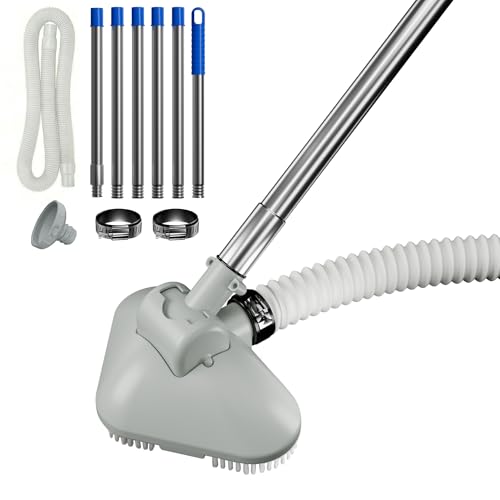
- VC Score9.4
BCP Score is a ranking system developed by bestcleanerproducts.com. BCP Score has no relationship or impact from any manufacturers or sales agent websites. Learn more
- BrandNICENICY

- VC Score9.0
BCP Score is a ranking system developed by bestcleanerproducts.com. BCP Score has no relationship or impact from any manufacturers or sales agent websites. Learn more
- BrandFibroPool

- VC Score8.6
BCP Score is a ranking system developed by bestcleanerproducts.com. BCP Score has no relationship or impact from any manufacturers or sales agent websites. Learn more
- BrandU.S. Pool Supply

- VC Score8.4
BCP Score is a ranking system developed by bestcleanerproducts.com. BCP Score has no relationship or impact from any manufacturers or sales agent websites. Learn more
- BrandPOOLWHALE

- VC Score8.4
BCP Score is a ranking system developed by bestcleanerproducts.com. BCP Score has no relationship or impact from any manufacturers or sales agent websites. Learn more
- BrandXtremepowerUS

- VC Score8.2
BCP Score is a ranking system developed by bestcleanerproducts.com. BCP Score has no relationship or impact from any manufacturers or sales agent websites. Learn more
- BrandEnhulk
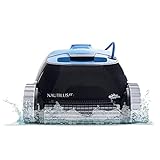
- VC Score8.2
BCP Score is a ranking system developed by bestcleanerproducts.com. BCP Score has no relationship or impact from any manufacturers or sales agent websites. Learn more
- BrandDolphin

- VC Score8.2
BCP Score is a ranking system developed by bestcleanerproducts.com. BCP Score has no relationship or impact from any manufacturers or sales agent websites. Learn more
- BrandPolaris

- VC Score8.0
BCP Score is a ranking system developed by bestcleanerproducts.com. BCP Score has no relationship or impact from any manufacturers or sales agent websites. Learn more
- BrandVINGLI

- VC Score8.0
BCP Score is a ranking system developed by bestcleanerproducts.com. BCP Score has no relationship or impact from any manufacturers or sales agent websites. Learn more
- BrandPOOLWHALE

- VC Score8.0
BCP Score is a ranking system developed by bestcleanerproducts.com. BCP Score has no relationship or impact from any manufacturers or sales agent websites. Learn more
- BrandPOOLAZA
Last update on 2026-07-09 / Affiliate links / Images, Product Titles, and Product Highlights from Amazon Product Advertising API
How To Use An Above Ground Pool Vacuum Without Fuss
A dusty pool floor can make clean water look tired, even after the pump has been running all day. Leaves settle in the corners, grit hides along the liner seams, and one rushed vacuum pass can stir the mess right back into the water. That is exactly why how to use an above ground pool vacuum matters more than most people think, because the right setup protects water clarity, pump suction, and your weekend patience.
Above Ground Pool Vacuum Basics
Above ground pool vacuuming starts with knowing what your cleaner is supposed to do. A manual vacuum uses your pool’s pump suction to pull dirt through a hose, while some automatic units crawl around with less hands-on effort. Both types still depend on steady water flow, a clean filter, and a hose that is free of air pockets. Skip those basics, and even a decent vacuum can feel weak or fussy.
The usual setup includes a vacuum head, a telescopic pole, a vacuum hose, and either a skimmer plate or direct skimmer connection. The vacuum head sits on the pool floor, the pole gives you control, and the hose carries debris toward the filter system. It sounds plain, sure, but each piece has to fit tightly. A loose hose cuff or cracked plate can steal suction before the cleaning even starts.
Pool owners often blame the vacuum first when the real problem is air in the hose. Air breaks the suction path, makes the pump sound rough, and can leave the vacuum head barely pulling debris. Before attaching the hose to the skimmer, fill the hose completely with water until bubbles stop escaping. That one habit saves a whole lot of “Why isn’t this thing working?” frustration.
Debris type also changes the way you vacuum. Fine dust needs slow, overlapping passes, while leaves and bugs may need a leaf net first so they don’t clog the hose. Sand, pollen, and muddy footprints behave differently once disturbed, so rushing through the job usually makes the water cloudy. A smart cleaning routine begins with matching the vacuum method to the mess sitting on the liner.
Prepare The Pool Before Vacuuming
A quick skim before vacuuming makes the whole job smoother. Remove big leaves, twigs, toys, and floating debris so the vacuum doesn’t waste suction on bulky stuff that a net can grab faster. This protects the hose pathway and keeps the skimmer basket from filling too quickly. A little prep feels annoying until it saves you from stopping every few minutes.
Check the water level before connecting anything. Above ground pools usually need water sitting around the middle of the skimmer opening for proper suction. Too low, and the pump may pull air; too high, and skimming action can weaken. Keeping the level in the right range supports clean circulation and helps the vacuum pull debris more consistently.
The filter deserves a look too. A dirty cartridge, clogged sand filter, or packed skimmer basket can make a vacuum act lazy even if every connection is tight. Clean or backwash as needed before starting, especially after storms or heavy swimming days. Strong suction depends on clear filter flow, not just the vacuum head touching the pool floor.
Brush stubborn spots before vacuuming if algae dust or fine sediment clings to the liner. Let the loosened debris settle for a bit, then vacuum slowly so the particles don’t scatter. For pool areas with textured decking or outdoor surfaces nearby, dirt can track in fast; To reduce grit around hard outdoor areas, rely on best robot vacuum for slate floors as a separate cleanup helper before debris gets blown toward the pool. That keeps the pool job from turning into a repeat chore after every windy afternoon.
Connect The Vacuum The Right Way
Start by snapping the vacuum head onto the telescopic pole, then attach one end of the hose to the vacuum head. Lower the head into the pool slowly so it rests flat against the liner. Feed the hose into the water section by section instead of tossing it in all at once. This helps push trapped air out while keeping the setup calm and controlled.
Priming the hose is the step that separates a smooth cleaning session from a sputtering mess. Hold the free end of the hose against the return jet, or push the hose straight down into the water until bubbles stop rising. Once the hose is full, keep that end underwater while moving it to the skimmer. A fully primed hose gives the system solid suction from the first pass.
Attach the hose to the skimmer plate or suction port, depending on your pool setup. If your skimmer uses a plate, set it firmly over the basket so larger debris still has a place to collect. If the hose connects directly, make sure it seats snugly without twisting. A tight connection keeps vacuum pressure stable and reduces the chance of losing suction halfway through the pool.
Listen to the pump after the connection is made. A steady hum usually means water is moving correctly, while gurgling, surging, or visible bubbles near the return jet can point to air in the line. Stop and re-prime the hose if needed rather than forcing the system to struggle. Protecting the pump is part of proper pool vacuum use, not a separate chore.
Vacuum With Slow, Overlapping Passes
Slow movement matters more than muscle. Push the vacuum head across the floor in short, steady paths, overlapping each pass slightly so dirt doesn’t escape between lanes. Moving too fast kicks sediment into the water, and then the pool looks worse before it looks better. Patience gives fine debris enough time to lift into the suction stream.
Start at the shallow or easiest-to-reach side, then work toward the dirtiest area. This keeps your pattern organized and prevents you from dragging the hose through freshly cleaned spots. Corners, ladder bases, seams, and spots near the pool wall often need extra attention. Those small zones collect settled grit because circulation doesn’t always move water evenly there.
Keep the vacuum head flat on the liner. Tilting the head may break suction or let debris slide away from the intake path. If the head sticks to the floor, reduce suction slightly if your system allows it, or move with a gentler pull. The goal is controlled contact, not a wrestling match with the pool bottom.
Cloudy water during vacuuming usually means the dirt is too fine or the pace is too fast. Pause, let particles settle, and return with slower passes. For stains, oils, or residue around pool accessories, To handle certain cleaner-related questions safely, review what is an alkaline cleaner before using any product near pool surfaces. Chemical choices should support liner care, not create another problem.
Watch Suction, Hose Tangles, And Filter Pressure
Suction can change while you work, especially if the pool has a lot of debris. A vacuum that starts strong and gradually weakens may simply be dealing with a filled skimmer basket or filter load. Stop, shut off the pump if needed, and clear the basket before continuing. This keeps water flow from dropping to the point where cleaning becomes pointless.
Hose tangles are another sneaky time-waster. Let the hose float naturally behind the vacuum head and avoid sharp turns that twist the line. If the hose keeps coiling, stretch it in the sun for a short while before use so it relaxes. A smoother hose path helps maintain consistent suction and makes the pole easier to steer.
Filter pressure tells a useful story. A rising pressure gauge on a sand or cartridge system often means debris is building up inside the filter. That is normal during vacuuming, but a big jump means the system needs attention. Clean, rinse, or backwash according to your filter type so the vacuum can keep pulling dirt instead of fighting resistance.
Some above ground pools with small pumps may not have aggressive suction, and that is not always a defect. Smaller systems need slower passes, smaller debris loads, and more frequent basket checks. For indoor cleanup tools unrelated to pool water, To keep nearby storage areas tidy without dragging out heavy equipment, consider best corded stick vacuum under 150 for dry household debris around pool supplies. Keeping the surrounding area cleaner helps reduce what eventually blows into the water.
How To Use An Above Ground Pool Vacuum For Clearer Water
Clean-looking water can still hide a thin layer of dirt across the floor, especially after wind, heavy swimming, or a few lazy maintenance days. A steady routine keeps above ground pool vacuuming from turning into a big, sweaty cleanup that eats the afternoon. Once the vacuum is connected and moving properly, the next job is learning how to handle filter care, stubborn debris, and those annoying spots where dirt always seems to come back.
Deal With Fine Dirt Without Clouding The Pool
Fine sediment is the sneaky stuff. It sits quietly on the liner, then poof, one fast vacuum stroke sends it floating everywhere. Slow passes help, but filter setting matters too, especially on systems that allow vacuuming to waste. If the pool has a lot of dust, pollen, or dead algae, sending that mess out of the pool instead of through the filter can keep the water from turning hazy again.
Small above ground filters can struggle with powdery debris. The vacuum may pick it up, yet some particles can blow right back through the return if the filter is dirty or not fine enough. That is why clean cartridges, fresh filter sand, or properly maintained media make such a difference. A vacuum is only as useful as the system catching what it pulls in.
Let cloudy water settle before doing another pass. Running the pump for a while, then giving the pool a quiet break, allows suspended particles to drop back down. After that, vacuum slowly in neat lanes instead of chasing random patches around the floor. This approach feels slower at first, but it usually prevents repeating the same job twice.
Keep chemical cleanup separate from basic vacuuming. Pool surfaces, winter gear, and household tools often use different cleaners, so avoid grabbing a random bottle from the garage. For outdoor gear maintenance outside the pool area, use how to use swix base cleaner only where that type of cleaner actually belongs. Pool liners need pool-safe care, not guesswork from unrelated products.
Clean Corners, Ladders, And Trouble Spots
Corners collect debris because water movement slows down near the wall. The vacuum head may not sit perfectly flat there, so short angled strokes usually work better than long pushes. Move the head gently into the corner, pull back slowly, then overlap from another direction. That little cross-pattern helps lift settled dirt without scraping the liner.
Ladders and steps create another mess zone. Dirt gathers around the feet, and swimmers often kick debris into those tight spaces without noticing. Remove lightweight steps if your setup allows it, or work around them with a smaller vacuum head when needed. A few careful passes near the ladder can make the whole pool look cleaner because those spots are easy to see from above.
Wrinkles in the liner deserve patience. A vacuum head can skip over raised folds, leaving a thin dirt line behind. Pull the head slowly across the wrinkle rather than pushing hard into it. Protecting the vinyl liner matters more than forcing every speck out in one aggressive pass.
Debris around the pool often ends up in the water later. Patio grit, shed dust, and dry grass clippings travel fast on a breezy day. For tight indoor storage spaces where pool supplies sit between uses, a best stick vacuum can keep dry debris from getting tracked onto towels, hoses, and pool tools. Cleaner surroundings support cleaner pool water without adding another pool chemical to the routine.
Fix Weak Suction Before Blaming The Vacuum
Weak suction has a short list of usual suspects. Air in the hose, a packed skimmer basket, a dirty filter, or a loose connection can all make the vacuum feel useless. Start with the simple checks before assuming the equipment is worn out. Most suction problems come from water flow issues, not from the vacuum head itself.
Look for bubbles returning to the pool. Bubbles often mean air is entering through the hose, skimmer plate, pump lid, or a fitting that is not seated tightly. Re-prime the hose and press each connection firmly into place. A sealed line gives the pump the steady pull it needs for reliable vacuum performance.
Check the skimmer basket more often during heavy cleanups. Leaves can pile up quickly, especially after storms, and that pile blocks water from reaching the pump smoothly. Emptying the basket may feel like a pause, but it keeps suction from fading. A clean basket also helps protect the pump from extra strain.
Filter pressure can tell you when the system needs a reset. Rising pressure usually means the filter is loading up with debris, while unusually low pressure can suggest a blockage or air leak. Rinse cartridges, backwash sand filters, or inspect hoses based on your setup. Keeping filter pressure in a normal range makes every vacuum pass more effective.
Build A Routine That Prevents Bigger Messes
A pool is easier to clean before it looks dirty. Light vacuuming once debris starts settling can prevent thick buildup along the floor. Waiting too long usually means more filter cleaning, more cloudy water, and more time spent fighting the same spots. A steady routine protects water clarity and keeps maintenance from feeling like a punishment.
Weather should guide the schedule. After windy days, heavy rain, or a backyard cookout, the pool often needs attention sooner than expected. Skim first, check the basket, then vacuum the floor before debris breaks down into smaller particles. Fresh leaves are far easier to remove than soggy fragments scattered across the liner.
Swimming habits matter too. Sunscreen, grass, dirt from bare feet, and small bugs all add to the cleanup load. Rinsing feet before entering the pool and keeping a mat near the ladder can reduce what lands in the water. Those boring little habits make pool vacuuming faster, and frankly, they save a lot of fuss.
Store vacuum parts properly after each session. Drain the hose, rinse the vacuum head, and keep plastic parts out of harsh sun when possible. Coiled hoses left baking on hot surfaces can stiffen or crack over time. Better storage helps preserve hose flexibility, seal quality, and smooth suction during the next cleaning.
Avoid Common Vacuuming Mistakes
Rushing is the mistake that causes the most rework. Fast strokes scatter sediment, twist the hose, and make the vacuum head bounce instead of glide. Slow, deliberate movement may not look exciting, but it pulls more debris with fewer passes. The pool floor rewards steady control, not speed.
Skipping the hose-prime step is another classic headache. Air pockets break suction and may cause the pump to lose prime. Fill the hose fully before connecting it, then keep the end underwater until it reaches the skimmer. That one detail helps protect pump performance while making the vacuum feel stronger.
Vacuuming with a dirty filter wastes effort. The vacuum may move across the floor, but the filter cannot catch debris properly if it is already overloaded. Clean the filter before big jobs and check it during the process if the pool is especially dirty. Strong cleaning depends on vacuum technique and filter maintenance working together.
Using the wrong tool for the mess can also slow things down. A leaf net handles big debris faster than a vacuum, while a brush loosens stuck dirt before suction removes it. Fine dust needs patience and sometimes a waste setting if available. Matching the tool to the problem keeps above ground pool care simpler, cleaner, and much less frustrating.


How to Refinish a Fiberglass Pool

How Do You Keep Raccoons Out of Your Pool?

How to Fix Cyanuric Acid in Your Pool

How to Shape a Pool Cue Tip to Stop Miscues

Best Far Infrared Sauna Sauna Heats: Top Picks of 2026

11 Best Far Infrared Sauna Carbon Fiber Heaters of 2026 For Balanced Full-Body Heat

11 Best Carbon Far Infrared Sauna of 2026 For Even Heat

10 Best Bluetooth Speaker For Sauna of 2026 For Heat and Steam








