
How to Use Air Steerable Vacuum the Easy Way

How to use air steerable vacuum isn't just about pressing the power button and pushing it around the floor. A few simple habits can make cleaning smoother, reduce fatigue, and help the vacuum pick up far more dust than many people expect. Plenty of frustration starts with rushing through setup, skipping height adjustments, or steering too quickly around furniture. Slow down for a moment, understand how the controls respond, and the whole experience begins to feel much more natural.
Steering control plays a bigger role than most people realize. Air steerable models are designed to glide around table legs, corners, and tight spaces with very little effort, but that lightweight movement also means they react quickly. Instead of forcing sharp turns, guide the handle with gentle wrist movements and let the vacuum follow its own path. Before long, navigating around chairs and shelves becomes almost second nature.
Dust buildup, pet hair, and everyday debris all behave differently on various floor surfaces. That's why paying attention to floor settings matters. Carpet usually benefits from slower passes that allow the brush roll to lift embedded dirt, while hard floors often need lighter movement to avoid scattering fine debris ahead of the vacuum. Small adjustments like these can noticeably improve the final result without adding extra effort.
Emptying the dirt cup before it becomes packed is another habit worth keeping. A container filled beyond its recommended level can reduce airflow, making the vacuum seem weaker even though nothing is technically broken. Cleaning the filter regularly also helps maintain strong suction while reducing strain on the motor. Little maintenance jobs may seem boring, yet they often save much bigger headaches later.
It's easy to believe moving faster means cleaning faster, but that rarely works out. A steady pace gives the brush roll enough time to loosen debris hiding deep inside carpet fibers while allowing airflow to carry dirt into the collection bin. Even stubborn areas near walls benefit from overlapping passes instead of random zigzags. Bit by bit, those overlooked spots become noticeably cleaner.
Furniture can also change the way cleaning feels. Tilting the handle correctly allows the vacuum to reach farther beneath beds, sofas, and coffee tables without awkward lifting. That smooth steering design becomes especially helpful in narrow pathways where larger vacuums often feel clumsy. Rather than wrestling the machine, let its balanced movement do much of the work.
How to use air steerable vacuum successfully comes down to smart technique instead of extra strength. A cleaner filter, an uncluttered brush roll, patient steering, and consistent maintenance all work together to improve performance. Those simple routines quickly become habits, making regular cleaning feel less like a chore and more like something that fits naturally into everyday life.

- VC Score9.4
BCP Score is a ranking system developed by bestcleanerproducts.com. BCP Score has no relationship or impact from any manufacturers or sales agent websites. Learn more
- BrandUosogi
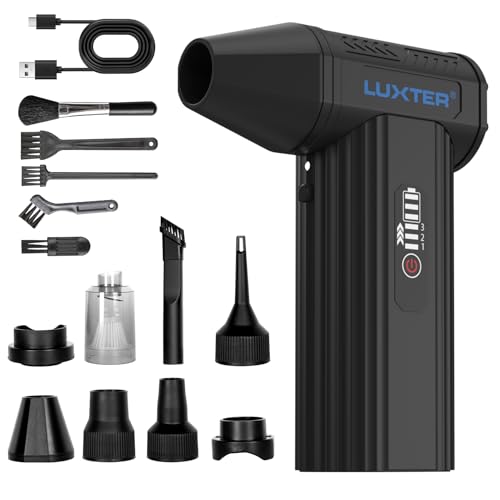
- VC Score8.8
BCP Score is a ranking system developed by bestcleanerproducts.com. BCP Score has no relationship or impact from any manufacturers or sales agent websites. Learn more
- BrandLUXTER

- VC Score8.6
BCP Score is a ranking system developed by bestcleanerproducts.com. BCP Score has no relationship or impact from any manufacturers or sales agent websites. Learn more
- BrandVersLife
- VC Score8.4
BCP Score is a ranking system developed by bestcleanerproducts.com. BCP Score has no relationship or impact from any manufacturers or sales agent websites. Learn more
- BrandIYOFINE

- VC Score8.2
BCP Score is a ranking system developed by bestcleanerproducts.com. BCP Score has no relationship or impact from any manufacturers or sales agent websites. Learn more
- BrandKMM

- VC Score8.2
BCP Score is a ranking system developed by bestcleanerproducts.com. BCP Score has no relationship or impact from any manufacturers or sales agent websites. Learn more
- BrandSAKAI

- VC Score8.0
BCP Score is a ranking system developed by bestcleanerproducts.com. BCP Score has no relationship or impact from any manufacturers or sales agent websites. Learn more
- BrandGOCCIDA

- VC Score8.0
BCP Score is a ranking system developed by bestcleanerproducts.com. BCP Score has no relationship or impact from any manufacturers or sales agent websites. Learn more
- BrandPiwosa

- VC Score7.8
BCP Score is a ranking system developed by bestcleanerproducts.com. BCP Score has no relationship or impact from any manufacturers or sales agent websites. Learn more
- BrandSAKAI

- VC Score7.6
BCP Score is a ranking system developed by bestcleanerproducts.com. BCP Score has no relationship or impact from any manufacturers or sales agent websites. Learn more
- BrandHelio AirBroom
Last update on 2026-07-13 / Affiliate links / Images, Product Titles, and Product Highlights from Amazon Product Advertising API
How To Use Air Steerable Vacuum Without The Floor Fight
A cramped hallway, a dusty rug edge, and a vacuum that keeps bumping the chair legs can turn a quick cleanup into a tiny household battle. That is where how to use air steerable vacuum starts making real sense, because the whole point is easier control without dragging a heavy machine around like a stubborn suitcase. The trick isn’t brute force. It’s gentle steering, steady pacing, and a few maintenance habits that keep suction from fading halfway through the job.
Air Steerable Vacuum Basics
An air steerable vacuum feels different from a stiff upright because the body is made to swivel with small handle movements. Push too hard, and it may swing wider than expected. Guide it lightly, and the cleaner follows your path around table legs, planters, pet bowls, and tight corners with less drama. That easy movement is the main reason air steerable control feels so handy in homes with mixed flooring and awkward furniture layouts.
Start by checking the dirt cup, filter, brush roll, and power cord before cleaning. A packed bin or dusty filter can make the vacuum feel weak even when the motor sounds normal. Hair wrapped around the brush roll can also slow pickup on rugs and make the vacuum harder to push. Those small checks protect suction power and help the machine clean instead of just making noise.
Plug the vacuum into an outlet that gives you enough reach without stretching the cord across a walkway. Then tilt the handle back slowly until the vacuum body unlocks and sits at a comfortable cleaning angle. Keep your wrist relaxed, because steerable movement responds better to light pressure than heavy pushing. Think of it more like guiding a shopping cart through a crowded aisle than shoving a lawn mower across thick grass.
Use straight, overlapping passes for open areas first. After that, work around furniture legs, wall edges, and tight corners with shorter movements. This order keeps loose debris from being kicked back onto already cleaned sections. It also helps you avoid the common mistake of chasing dust in random patterns until the room looks busy but not truly cleaner.
Set Up Before You Start
Preparation saves more time than rushing ever will. Clear small toys, loose cords, socks, and plant leaves before turning the vacuum on. A steerable vacuum can move around obstacles, sure, but it shouldn’t have to chew through things that don’t belong in the brush roll. That quick reset keeps brush roll protection simple and prevents annoying clogs.
Check whether your vacuum has a floor setting, suction mode, or brush roll switch. Carpet usually needs the brush roll engaged so fibers lift and trapped dirt loosens. Hard floors may need gentler movement so crumbs and grit don’t scatter ahead of the nozzle. Matching the setting to the surface gives better debris pickup without extra passes.
Look at the floor itself before choosing your route. Fine dust near baseboards, pet hair under a sofa, and crumbs by the kitchen table all need slightly different handling. Work from the far side of the room toward the exit so you aren’t stepping through cleaned areas. That small habit makes floor cleaning flow feel calmer and more organized.
Homes with stone, tile, or textured floors often need slower passes because grit can settle into tiny grooves. For a related surface guide, compare your floor care habits with robot vacuum for stone floors so daily debris doesn’t pile up between deeper cleanings. An air steerable vacuum still gives you more direct control for corners and rugs, but a steady maintenance rhythm keeps mess from getting ahead of you. Clean floors are usually the result of consistent small passes, not one heroic Saturday cleanup.
Steer With Control, Not Muscle
The biggest mistake is treating the vacuum like a stiff machine that needs force. Air steerable models turn from the handle, so a small twist can swing the nozzle around chair legs or cabinet corners. Pulling hard can make the head wobble or miss the line of dirt you meant to grab. Gentle pressure keeps steering accuracy on your side.
Use slow S-shaped movements only where the layout calls for it, such as around dining chairs or narrow furniture gaps. Open floor space cleans better with straight overlapping rows. That mix gives you coverage without wasting energy. It also prevents the zigzag habit that makes a room look vacuumed while leaving dust trails along the edges.
Keep the vacuum head flat against the floor whenever possible. Tilting it too much can break the airflow seal, especially on hard floors. A steady seal helps pull dust, grit, and hair into the nozzle instead of pushing debris forward. This is one of those quiet airflow details that matters more than it looks.
Slow down at corners and baseboards. Dust loves those spots because regular foot traffic doesn’t disturb them much. Turn the vacuum slightly, let the edge of the nozzle line up with the wall, and make one careful pass instead of three rushed ones. That patient movement can make edge cleaning feel less fussy and more reliable.
Use The Right Pace On Each Surface
Carpet needs patience. The brush roll has to loosen dirt from the fibers before airflow can pull it into the bin. Move too quickly, and the vacuum may skim over lint, hair, and grit sitting deeper in the pile. A slower pass gives carpet cleaning performance a fair shot without forcing you to repeat the same strip over and over.
Hard floors need a different touch. Crumbs, dry soil, and small pebbles can scatter if the vacuum rushes forward with too much speed. Use a lighter push, keep the head level, and overlap the previous line by a few inches. That method helps hard floor pickup stay controlled, especially near kitchen counters and entryways.
Area rugs can be tricky because lightweight rugs may bunch up or slide. Hold the rug edge with your foot if needed, then vacuum from the center outward using short strokes. Avoid aggressive backward pulls if the rug is thin or has loose edges. This keeps rug care practical without stretching corners or dragging the whole rug across the room.
Small craft debris, dried leaves from indoor plants, and bits of floral wire can create odd little messes that don’t behave like normal dust. For delicate projects away from the floor, use hand cleanup first and save the vacuum for stray scraps around the work area, especially after checking creative guides like make pipe cleaner rose. A vacuum can grab lightweight pieces fast, so keep small handmade items off the floor before cleaning. That keeps craft cleanup tidy instead of turning into a rescue mission.
Handle Edges, Corners, And Tight Spots
Edges collect the stuff you don’t notice until sunlight hits the floor. Pet hair, dust lines, crumbs, and tiny soil grains from indoor pots often settle against baseboards. Use the vacuum’s steerable head to angle into those areas without slamming the side of the machine into the wall. A light turn gives corner reach more precision.
For tight spaces between furniture, shorten your strokes. Long pushes can make the head overshoot the spot or catch against chair legs. Move the handle in smaller motions and let the swivel joint do its job. That controlled rhythm makes furniture navigation less clumsy, especially in small apartments or crowded living rooms.
Under beds and sofas, lower the handle gradually until the vacuum body slides forward. Don’t force the machine if the clearance is too low. Some models reach farther than others, and pretending otherwise only scratches furniture or strains the hose connection. Honest limits are part of smart vacuum use, not a failure of technique.
Outdoor debris near entry doors can be heavier than indoor dust. Dry leaves, sand, and grit may need a slower approach or a quick sweep first if the pile is large. For yard cleanup that goes beyond indoor vacuum work, leaf blower and vacuum options make more sense than asking a household vacuum to handle patio-level mess. Keeping each tool in its lane protects vacuum durability and avoids frustrating clogs.
Keep Suction Strong While Cleaning
Suction loss often feels sudden, but the cause is usually boring and fixable. A full dirt cup blocks airflow, a dirty filter restricts breathing, and tangled hair slows the brush roll. Stop and check these parts if the vacuum starts leaving crumbs behind. Fixing airflow blockage early keeps the whole job from dragging.
Empty the dirt cup before debris reaches the max fill line. Packed dust can look harmless, but it can choke airflow and make the vacuum work harder. Tap loose dust gently into the trash, then wipe the bin if fine powder sticks to the sides. A cleaner cup supports steady suction from room to room.
Filters need regular attention because they catch the fine particles you don’t want blowing back into the room. Washable filters should be rinsed only if the manual allows it, then dried completely before reinstalling. A damp filter can cause odor, weak airflow, or motor strain. Dry, clean filters are a quiet part of healthy vacuum performance.
The brush roll deserves the same respect. Hair, thread, and rug fibers can wrap around it and reduce contact with the floor. Use scissors carefully if needed, but avoid cutting into the bristles or belt area. Keeping the brush roll clear helps deep cleaning feel smoother on carpet and less skippy on rugs.
Avoid Common Air Steerable Vacuum Mistakes
Speed is the sneaky problem. People often race across a room because the vacuum feels light and easy to move. That fast movement can leave behind fine debris, especially on textured floors and low-pile carpet. A steady pace does more for cleaning consistency than frantic back-and-forth passes.
Another mistake is steering only from the shoulders. That makes the vacuum feel heavier than it is and turns simple cleaning into an upper-body chore. Keep your elbows relaxed and guide the handle with smaller wrist movements. The machine is built for easy maneuvering, so let that design carry some of the load.
Skipping maintenance creates most of the complaints people blame on the vacuum itself. Weak pickup, dusty smells, noisy brush rolls, and clogged hoses often start with neglected filters or overfilled bins. A few minutes of care after cleaning can save plenty of irritation next time. That habit turns vacuum maintenance into a normal routine instead of a repair panic.
Don’t use an indoor air steerable vacuum on wet messes unless the model is specifically designed for that. Standard dry vacuums can be damaged by moisture, damp soil, or spilled drinks. Check the manual before cleaning anything questionable, even if the mess looks small. Protecting the motor matters more than winning a quick battle with unexpected spills.
How To Use Air Steerable Vacuum For Daily Messes
After the basic steering habits are in place, the next challenge is making the vacuum fit real life. Crumbs land near the kitchen island, pet hair hides beside chair legs, and dry soil from indoor pots somehow travels across the room. How to use air steerable vacuum gets easier once you clean by zones instead of wandering from one mess to another. A simple route keeps suction control, floor coverage, and edge pickup working together without wearing you out.
Clean Rooms In A Smarter Order
Start with the messiest dry areas before moving into cleaner rooms. Entryways, kitchen edges, and pet zones usually collect the heaviest debris, so hitting them first keeps grit from spreading. Use slow forward passes, then pull back lightly over the same strip if the floor still looks dusty. That rhythm gives airflow enough time to lift debris instead of pushing it around.
Work from the far corner toward the doorway. This sounds basic, but it saves you from stepping through a freshly cleaned path with dusty socks or shoes. Keep the vacuum head flat, especially on hard floors where fine grit can scatter. A steady route makes daily vacuuming feel less like a chore and more like a quick reset.
Rooms with plants need a little extra care. Dry potting mix, tiny leaves, bark chips, and perlite can clog small passages if you rush over a pile. Pick up larger pieces by hand first, then let the vacuum collect the fine dust around the stand or shelf. That keeps plant debris cleanup simple without asking the machine to swallow chunky messes.
Kitchen debris behaves differently from living room dust. Flour, cereal crumbs, coffee grounds, and dried rice need slower passes because lightweight particles can blow or scatter ahead of the nozzle. Use shorter strokes near cabinets and baseboards, then overlap your pass by a few inches. This careful movement improves hard floor pickup without turning the job into a long session.
Use Attachments Without Making A Mess
Attachments can solve the spots the main vacuum head can’t reach. Use the crevice tool along baseboards, between cushions, beside appliance gaps, and around sliding door tracks. Keep the nozzle close to the debris instead of waving it above the surface. Close contact gives targeted suction a better chance to pull dust from tight spaces.
For shelves, blinds, and plant stands, switch to a dusting brush if your model includes one. Soft bristles help loosen settled dust without scraping surfaces. Move from higher areas to lower areas so falling dust gets cleaned last. That simple top-down habit keeps dust control neat instead of making you repeat the same section.
Messy hobbies can leave odd scraps that don’t belong in the main brush roll. Small metal bits, oily residue, or sharp fragments should be handled by hand, not vacuumed casually. For maintenance tasks outside normal floor cleaning, store supplies separately and use care with products like how to use clp gun cleaner so residue never ends up inside the vacuum. Keeping household cleaning and specialty cleaning apart protects motor safety and prevents strange odors.
Reattach tools firmly after each use. A loose hose or half-connected accessory can make suction feel weak even though the vacuum itself is fine. Listen for air leaks, check the connection, and clear any visible blockage before blaming the machine. Small checks like these keep attachment performance dependable during quick cleanups.
Keep The Brush Roll From Fighting You
The brush roll does the dirty work, especially on rugs and carpet. Hair, thread, long fibers, and dry plant stems can wrap around it until the vacuum starts dragging. Turn the vacuum off, unplug it, and inspect the roll before cutting anything away. A clear brush roll helps surface contact stay even from one pass to the next.
Don’t wait until the vacuum smells hot or sounds strained. Those signs usually mean the brush roll, belt area, or airway needs attention. Clean tangled hair in small sections so you don’t nick the bristles or damage nearby parts. Careful maintenance supports brush roll movement without rough handling.
Rugs with tassels deserve caution. Keep the vacuum head away from fringe because steerable models can turn quickly and grab loose fibers before you react. Vacuum the main rug surface from the center outward, then clean edges with lighter strokes. This protects rug fibers while still removing dust and pet hair.
Thicker carpet may require slower passes and a more upright handle angle. If the vacuum feels hard to push, stop and check the floor setting instead of forcing it. Heavy pressure can reduce airflow and make the brush roll work harder than needed. Good technique means less strain for you and a cleaner path behind the vacuum.
Fix Weak Pickup Before It Gets Annoying
Weak pickup usually has a reason. The dirt cup may be full, the filter may be dusty, or the hose may be blocked by lint and debris. Check the easiest parts first before assuming the vacuum has lost power. Most performance issues start with restricted airflow, not a broken motor.
Empty the dirt cup over a trash bag and tap out loose dust gently. Fine powder can cling to the bin walls, especially after cleaning dry soil, fireplace ash traces, or pantry spills. Wipe the cup only if your manual allows it, then let every part dry before reinstalling. Moisture trapped inside the bin can create odor problems fast.
Food storage areas create their own cleaning headaches. Dry crumbs near pantry shelves, bits of packaging, and tiny cheese flakes can stick in corners after meal prep. For kitchen organization beyond floor cleanup, a vacuum sealer for cheese can help reduce loose packaging mess before it reaches the floor. Less clutter around storage areas means fewer daily crumbs for the vacuum to chase.
Run a quick hose check if suction still feels weak. Detach the hose if your model allows it, look through the opening, and remove any visible blockage with a safe tool. Avoid jamming sharp objects deep inside because that can puncture the hose. Gentle clearing keeps air path protection simple and safer.
Clean Around Pets, Plants, And Tight Furniture
Pet hair rarely stays in one neat pile. It slides under chair legs, clings to rug edges, and gathers where airflow from fans pushes it. Use slower passes near baseboards and furniture feet because those spots trap hair quietly. A calm pace improves pet hair pickup without sending loose fur floating through the room.
Plant corners need the same patient approach. Dry leaves and soil grains often settle behind pots, saucers, and stands where the main vacuum head can’t fully reach. Move lightweight pots first, vacuum the open floor, then return everything after the dust is gone. This protects indoor plant areas from buildup without bumping stems or spilling soil.
Tight furniture layouts can make cleaning feel like a puzzle. Turn the handle gently and use short forward strokes instead of forcing the vacuum through narrow gaps. If the head doesn’t fit, switch to the hose rather than scraping furniture legs. Smart switching keeps furniture protection and cleaning reach in balance.
Low furniture can tempt you to flatten the handle and shove the vacuum underneath. That works only if the vacuum body has enough clearance. Stop if the machine starts rubbing, because scratches and stuck wheels aren’t worth one hidden dust bunny. Use an attachment for low-clearance spots and keep vacuum control steady.
Store And Maintain It The Right Way
Storage affects how the vacuum performs next time. Wrap the cord loosely, empty the bin, and check the brush roll before putting the machine away. A vacuum stored with packed debris can develop stale smells and weaker airflow. Clean storage supports ready-to-use performance the next time a mess shows up.
Keep washable filters fully dry before reinstalling them. Damp filters can smell musty and may restrict airflow after only a short cleaning session. Set them in a well-ventilated spot and give them enough time to dry naturally. That patience protects filter life and helps the vacuum breathe properly.
Store attachments in one place so they don’t disappear into a closet drawer. Crevice tools, dusting brushes, and hose pieces are only helpful when they’re easy to grab. A small bin or wall hook near the vacuum can save time during quick cleanups. That tiny setup makes spot cleaning much more likely to happen before dust piles up.
Check the manual for replacement timing on filters, belts, and brush roll parts. Guessing can lead to poor pickup or unnecessary replacement costs. Replace parts only when wear shows or the manufacturer’s schedule calls for it. Practical maintenance keeps air steerable vacuum performance consistent without turning upkeep into another household headache.
Know What This Vacuum Should Not Do
An air steerable vacuum is built for household dry debris, not every mess on the floor. Wet spills, damp soil, broken glass, fireplace ash, and construction dust can damage parts or create safety issues. Stop and use the right cleanup method before running the vacuum over questionable debris. Respecting those limits protects vacuum lifespan and keeps cleanup safer.
Large leaf piles near doors should be swept first. The vacuum can handle tracked-in bits, but it shouldn’t be treated like outdoor yard equipment. Pebbles, twigs, and wet leaves can clog the hose or scratch internal parts. A quick sweep before vacuuming keeps entryway cleaning easier.
Fine powders deserve caution too. Baking soda, flour, and drywall dust can clog filters quickly if picked up in large amounts. Small kitchen traces are usually manageable, but piles should be cleaned with the method recommended for that material. Protecting the filter keeps suction strength from dropping after one messy job.
How to use air steerable vacuum well means knowing both its strengths and its limits. It shines during regular dry floor cleaning, edge work, tight-room navigation, and everyday dust control. It struggles when asked to handle wet, sharp, heavy, or outdoor-style debris. Use it with steady technique, clean parts, and realistic expectations, and the machine stays far easier to live with.


How to Refinish a Fiberglass Pool

How Do You Keep Raccoons Out of Your Pool?

How to Fix Cyanuric Acid in Your Pool

How to Shape a Pool Cue Tip to Stop Miscues

Best Far Infrared Sauna Sauna Heats: Top Picks of 2026

11 Best Far Infrared Sauna Carbon Fiber Heaters of 2026 For Balanced Full-Body Heat

11 Best Carbon Far Infrared Sauna of 2026 For Even Heat

10 Best Bluetooth Speaker For Sauna of 2026 For Heat and Steam


