
How to Use a Window Vacuum Without the Hassle

How to use a window vacuum sounds simple at first glance, yet plenty of people end up with streaks, missed spots, or water trails running down freshly cleaned glass. Frustration builds quickly when a task that should feel easy turns into a repetitive cycle of wiping, polishing, and starting over. A window vacuum changes that routine by removing dirty water directly from the surface instead of pushing it around. Used correctly, it helps create a cleaner finish while cutting down on physical effort.
Clear glass does more than improve appearance. Natural light flows through more effectively, rooms feel brighter, and every window looks noticeably sharper. Still, technique matters. Starting with the right amount of cleaning solution and avoiding excessive moisture can make a huge difference in the final result. Small adjustments often separate a crystal-clear finish from a disappointing one.
Proper window preparation plays a bigger role than many expect. Loose dust, pollen, and outdoor debris can create smears if they're left on the glass before cleaning begins. A quick wipe or rinse helps prevent those particles from being dragged across the surface. That simple step often saves time later and reduces the need for touch-ups.
Then comes the vacuuming process itself. Smooth, steady passes generally produce the best results because they allow the suction blade to collect water evenly. Rushing through the job can leave narrow streaks behind, especially near edges and corners. Patience pays off here, even though the overall cleaning process remains much faster than traditional methods.
How to use a window vacuum effectively also means understanding its limitations. Extremely dirty windows may require a second pass, while damaged rubber blades can reduce performance. Regular maintenance helps keep suction strong and prevents unwanted marks from appearing on the glass. A well-maintained tool often delivers more consistent results over time.
Weather conditions can influence outcomes as well. Direct sunlight may cause cleaning solution to dry too quickly, leaving residue before the vacuum reaches the area. Cooler conditions usually provide a little more working time. Paying attention to environmental factors can make the entire process smoother and more predictable.
Many people appreciate how versatile these devices can be. Mirrors, shower screens, patio doors, and even tiled surfaces can benefit from the same suction-based cleaning method. That flexibility turns a single cleaning tool into something useful throughout the home. Instead of juggling multiple products, one device handles several common cleaning challenges.
Good habits make all the difference. Emptying the dirty water tank regularly, cleaning the suction blade, and storing the device properly help maintain performance. Those small routines may seem minor, but they contribute directly to cleaner glass and fewer headaches. With the right approach, how to use a window vacuum becomes less about cleaning and more about enjoying consistently clear results.

- VC Score10.0
BCP Score is a ranking system developed by bestcleanerproducts.com. BCP Score has no relationship or impact from any manufacturers or sales agent websites. Learn more
- BrandZRHI

- VC Score10.0
BCP Score is a ranking system developed by bestcleanerproducts.com. BCP Score has no relationship or impact from any manufacturers or sales agent websites. Learn more
- BrandZRHI

- VC Score10.0
BCP Score is a ranking system developed by bestcleanerproducts.com. BCP Score has no relationship or impact from any manufacturers or sales agent websites. Learn more
- BrandAotoParts
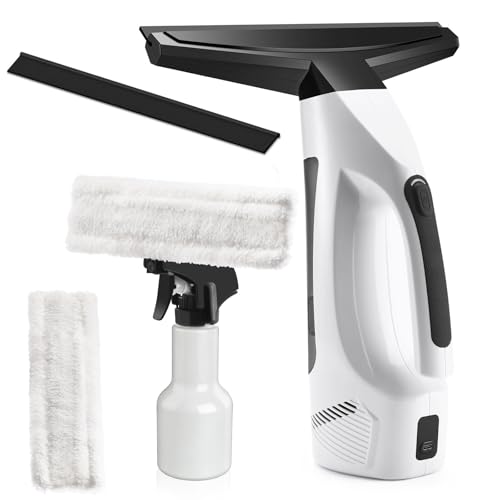
- VC Score10.0
BCP Score is a ranking system developed by bestcleanerproducts.com. BCP Score has no relationship or impact from any manufacturers or sales agent websites. Learn more
- BrandJQCSR

- VC Score9.6
BCP Score is a ranking system developed by bestcleanerproducts.com. BCP Score has no relationship or impact from any manufacturers or sales agent websites. Learn more
- BrandYardsignup

- VC Score9.6
BCP Score is a ranking system developed by bestcleanerproducts.com. BCP Score has no relationship or impact from any manufacturers or sales agent websites. Learn more
- BrandYardsignup

- VC Score9.0
BCP Score is a ranking system developed by bestcleanerproducts.com. BCP Score has no relationship or impact from any manufacturers or sales agent websites. Learn more
- BrandEave

- VC Score8.0
BCP Score is a ranking system developed by bestcleanerproducts.com. BCP Score has no relationship or impact from any manufacturers or sales agent websites. Learn more
- BrandKÄRCHER

- VC Score7.6
BCP Score is a ranking system developed by bestcleanerproducts.com. BCP Score has no relationship or impact from any manufacturers or sales agent websites. Learn more
- BrandCOTIAR
Last update on 2026-06-05 / Affiliate links / Images, Product Titles, and Product Highlights from Amazon Product Advertising API
How to Use a Window Vacuum
Windows often look clean from afar but get up close, streaks, smudges, and water spots scream for attention. The daily hassle of wiping glass repeatedly can leave arms sore and patience thin. Integrating a window vacuum into your routine slashes time and effort while improving results. With a little technique, this tool can turn tedious chores into faster, cleaner sessions, leaving shiny surfaces and a sense of accomplishment behind.
Quick Setup for Efficient Cleaning
Begin by prepping your window surface with a mild cleaning solution to loosen dirt and grime. The key factor here is using just enough liquid to coat without drenching, which prevents streaks. Attach the vacuum’s suction blade securely and check the water tank is empty for optimal performance. Adjusting the handle for comfortable reach can reduce fatigue, especially on larger windows or higher panes.
Proper blade alignment is another important point to maintain even suction. Misalignment can leave narrow streaks or miss corners entirely. Sliding the vacuum steadily across the glass ensures consistent water removal. Small tweaks, like angling the device slightly at the edges, often make a big difference in finish quality.
For windows with heavy dust or pollen buildup, a quick pre-rinse or wipe can save multiple passes. This feature ensures the vacuum isn’t pushing debris around, reducing frustration and repeated cleaning. Smooth, uninterrupted strokes let you work efficiently while protecting the rubber blade from wear.
Lightweight models enhance maneuverability and allow extended sessions without strain. Keeping control and maintaining steady motion preserves clarity and prevents uneven suction marks. The combination of proper setup and ergonomic handling turns the window vacuum into a truly benefit-rich tool for glass cleaning.
Mastering Suction Technique
Strong suction is only useful when applied correctly. Start at the top of the window and work downward, letting the window vacuum pull excess liquid instead of dragging it across the glass. This method reduces streaks and prevents water pooling at the bottom.
Moving too quickly compromises performance, leaving residue behind. Controlled, steady strokes allow the suction blade to collect water evenly. Watching how the water flows can reveal spots that need a second pass, ensuring the main key of spotless glass is achieved.
Edges and corners are often the trickiest. Tilting the vacuum slightly or using a consistent overlap technique helps reach tight areas. Those finishing touches contribute heavily to a polished look, proving that technique matters as much as equipment quality.
Regularly emptying the dirty water tank maintains strong suction. Full or partially filled tanks reduce efficiency and can leave streaks, turning a simple job into a prolonged one. This simple maintenance step ensures the strength of your cleaning efforts stays intact.
Maintaining the Vacuum Blade
The suction blade is the key factor for streak-free windows. Over time, dirt and cleaning residue accumulate, reducing effectiveness. Rinse or wipe the blade after each session to maintain smooth contact with the glass.
Replacing worn blades when necessary preserves the tool’s performance. Even small nicks or hardened residue can cause smears or scratches. Attention to this important point keeps results consistently impressive and prevents minor flaws from turning into larger frustrations.
Using a clean, dry cloth on the blade before each use prevents cross-contamination of dirt or grime. The process is simple but dramatically affects the benefits you experience. Consistently cared-for blades mean cleaner, faster, and more satisfying window cleaning sessions.
Some models allow easy blade removal, enhancing longevity and making replacement straightforward. This feature supports long-term value and encourages proper maintenance, which pays off in cleaner glass and reduced effort.
Optimal Window Solution Choices
Choosing the right cleaning solution is another key factor. Concentrated or overly harsh liquids can leave residue or damage the vacuum blade. Mild detergents mixed with water often provide the best combination of cleaning power and safety.
Applying solution evenly is crucial. Over-saturating the surface forces the vacuum to work harder, potentially leaving streaks or drips. A spray bottle ensures controlled distribution and helps maintain the benefits of the device without extra labor.
Some enthusiasts add a splash of vinegar for glass that’s particularly stubborn. The acidic properties cut through grime without leaving harmful residue, supporting the strength of your cleaning routine. Experimenting with ratios can fine-tune performance without compromising safety.
Pre-treating stubborn spots with a small amount of solution and gentle scrubbing reduces strain on the vacuum. Tackling tough stains first maintains suction efficiency and preserves the main key advantage of effortless water removal.
Handling Large or High Windows
Tall windows or sliding doors present unique challenges. Extending handles or attaching telescopic poles helps maintain ergonomic posture. Maintaining the important points of consistent suction and smooth motion is easier when your arms aren’t overstretched.
Breaking the surface into sections ensures no area is missed. Focused passes let the vacuum collect water evenly and prevent small streaks from forming. This approach emphasizes key benefits of efficiency and thoroughness.
For very large panes, consider a second person to assist with solution application or support for extended reaches. Coordinated effort reduces fatigue and improves overall results. Efficient teamwork amplifies the strength of your cleaning routine.
Positioning and stance are critical. Standing slightly back while sliding the vacuum ensures consistent pressure without risk of tipping or missing corners. This combination of strategy and technique highlights the feature of practical usability for large surfaces.
Regular Maintenance and Storage
Cleaning the vacuum after each session maintains performance. Removing water, wiping the suction blade, and checking for debris preserves the strength of the machine. Ignoring these steps can lead to streaks or decreased efficiency.
Proper storage is equally important. Keeping the vacuum upright and in a dry location prevents mold or damage to internal components. These key factors ensure longevity and reliable performance every time it’s needed.
Replacing worn parts proactively keeps the device functioning at its peak. Filters, blades, and seals often have simple replacements that significantly extend the benefits you get from your investment. Scheduled maintenance avoids frustration and wasted cleaning sessions.
Periodic deep cleaning, like rinsing water tanks and checking suction seals, supports the main key objective of consistent, streak-free windows. These efforts may seem small but directly impact ease and quality of daily use.
Advanced Techniques for Stubborn Stains
Some windows accumulate mineral deposits, paint spots, or hardened dirt that resist basic cleaning. Tackling these requires patience and targeted strategies. A gentle scrubbing with a microfiber cloth or soft brush, followed by a vacuum pass, preserves glass integrity while removing stubborn grime.
Using a slightly stronger solution on specific spots can dissolve tougher residues. Controlling the amount prevents excess liquid from dripping, maintaining the benefit of streak-free surfaces. The combination of precision and suction maximizes cleaning efficiency.
Rotating angles of the vacuum blade across difficult areas ensures water is collected evenly. This technique reduces the risk of leaving streaks or smears behind. Consistently applying this method enhances the strength of your results.
Attention to detail is vital. Taking the time to inspect glass after each section allows minor imperfections to be corrected immediately. This proactive approach reinforces the key factor of maintaining spotless windows without repeated labor.
Choosing the Right Blade Width
Vacuum blades come in varying widths, and selecting the correct size affects performance. Wider blades cover more area quickly but can struggle with corners. Narrower blades provide precision for edges and intricate designs.
Balancing speed and detail is crucial. For large panes, a wide blade speeds up cleaning, but finishing with a narrow blade ensures no spots are missed. Combining both emphasizes the important points of efficiency and precision.
Experimenting with different widths on different window types reveals the main key to optimal technique. Users often discover that adjusting blade size for specific glass surfaces dramatically improves results. Practical adaptation amplifies overall benefits.
Storage of multiple blades helps keep options available. Swapping as needed ensures you maintain the strength and effectiveness of each cleaning session, especially on mixed window sizes or architectural features.
Water Collection and Disposal Tips
Proper water management enhances key benefits of a window vacuum. Empty tanks frequently to prevent overflow or decreased suction. This simple habit prevents streaks caused by diluted suction power.
Tilting the vacuum slightly helps ensure all liquid is collected, especially near the edges. Attention to this important factor avoids residual water pooling at the bottom. Controlled disposal reduces mess and maintains cleaning efficiency.
For multi-floor homes, using a bucket at a convenient height prevents unnecessary trips and spills. The strength of the vacuum remains constant when water is managed correctly. Routine handling like this simplifies the overall process.
Regular rinsing of tanks after each session avoids buildup that can compromise the main key advantage of consistent suction. Clean tanks guarantee a smooth operation every time, leaving windows sparkling with minimal effort.
Preventing Streaks on Direct Sunlight Windows
Sunlight accelerates drying, often leaving residue or streaks if not addressed quickly. Work in shaded areas or early morning to maintain control. The key factor is timing, allowing the vacuum to collect solution before it dries.
Using minimal solution helps control drying speed. Over-saturating makes the vacuum work harder and increases streak risk. This practical adjustment enhances the benefit of faster, cleaner glass.
Steady, overlapping strokes ensure uniform suction. Attention to the important points of technique reduces streaks even on sunlit panes. A little strategy goes a long way in achieving a pristine finish.
Edge inspection post-cleaning catches early streaks, allowing a quick vacuum pass to correct them. This method maintains the strength of the overall cleaning process and ensures consistently clear results.
Best Practices For Using A Window Vacuum Every Week
Consistency matters more than most people realize. Glass that gets cleaned regularly rarely develops the stubborn buildup that turns a quick task into a frustrating afternoon. A simple schedule helps maintain clear visibility, reduces effort, and keeps the window vacuum working at its best. Small maintenance habits often deliver bigger results than aggressive cleaning sessions done only a few times each year.
Dust, pollen, cooking residue, and moisture all accumulate gradually. Many people don't notice the buildup until sunlight hits the glass at a certain angle. That delayed visibility creates the illusion that windows became dirty overnight. In reality, preventive cleaning keeps surfaces manageable and dramatically reduces the need for intensive scrubbing.
Weekly cleaning also helps identify potential issues early. Damaged seals, condensation problems, or mineral deposits become easier to spot before they develop into larger concerns. Paying attention to these important details protects both the windows and the effort invested in maintaining them.
Routine use extends beyond windows as well. Mirrors, shower enclosures, and glass doors benefit from the same process. The versatility becomes one of the most valuable benefits of owning a window vacuum because the tool earns its place in regular household maintenance.
Common Mistakes That Create Streaks
Many streak problems start before the vacuum ever touches the glass. Excess cleaning solution creates a thin film that the suction blade may struggle to remove completely. Reducing product usage often improves the final result immediately. The key factor isn't using more cleaner but removing moisture efficiently.
Dirty rubber blades create another common issue. Even tiny particles trapped along the edge can drag across glass and leave visible marks. Cleaning the blade between sections preserves consistent suction performance and helps maintain a smooth finish.
Fast movements can also cause problems. Rushing tends to leave narrow strips of moisture behind, especially near edges. Slow, controlled passes support the main advantage of a window vacuum by allowing even water collection across the entire surface.
Environmental conditions deserve attention too. Direct sunlight often causes cleaning solution to dry before the vacuum reaches it. Working during cooler periods of the day improves the overall cleaning experience and reduces the likelihood of frustrating streaks.
How Different Glass Surfaces Affect Results
Not all glass behaves the same way. Large patio doors generally allow long, uninterrupted passes, making them easier to clean than decorative panes with multiple sections. Adapting technique to each surface protects the quality of the finish and saves time.
Textured glass presents unique challenges. The uneven surface can prevent complete contact between the blade and the glass. Extra passes may be necessary, and expectations should remain realistic. Even so, a window vacuum still delivers significant time-saving benefits compared with traditional wiping methods.
Bathroom glass often accumulates soap residue and hard water deposits. Those surfaces benefit from pre-treatment before vacuuming begins. Addressing buildup first improves the effectiveness of suction and minimizes repeated cleaning efforts.
Large exterior windows frequently collect airborne contaminants. Pollen, dust, and environmental residue create a layer that can smear if ignored. A quick rinse before vacuuming supports better results and reinforces the strength of the overall cleaning process.
Using A Window Vacuum Around The House
Many people purchase a window vacuum for one purpose and later realize it can help in several areas. Shower screens benefit enormously because standing water disappears quickly after use. This simple habit reduces mineral deposits and supports easier long-term maintenance.
Glass tabletops respond well to vacuum cleaning. Traditional cloths often leave lint or subtle streaks that become visible under bright lighting. Consistent suction removes moisture efficiently and preserves a cleaner appearance without additional polishing.
Mirrors present another opportunity. Water spots, toothpaste splashes, and condensation accumulate gradually. Applying the same technique used for windows helps maintain clear reflective surfaces while reducing repetitive wiping.
Separately, if floor cleaning is also part of your routine, explore best small vacuum vinyl floors for compact cleaning solutions that work well in tighter household spaces. Combining efficient tools often creates a more manageable cleaning schedule overall.
Managing Hard Water And Mineral Deposits
Hard water creates one of the most stubborn challenges for glass maintenance. Minerals remain behind after moisture evaporates, producing cloudy spots that ordinary wiping rarely solves. Addressing deposits early protects the clarity of the glass and reduces labor later.
Vinegar-based cleaning solutions are commonly used because mild acidity helps dissolve mineral residue. Applying the solution briefly before vacuuming improves removal without requiring aggressive scrubbing. This process supports better visual results and less physical effort.
Repeated buildup may require multiple cleaning cycles. Patience matters here. Attempting to remove years of deposits in a single pass often leads to disappointment, while gradual treatment protects the condition of the surface.
Water quality varies significantly between locations. Homes with harder water may benefit from more frequent maintenance schedules. Consistency remains the main key to preventing mineral stains from becoming permanent visual distractions.
Balancing Speed And Detail
Many people buy a window vacuum hoping to finish cleaning faster. That goal is absolutely realistic, but speed shouldn't come at the expense of technique. Efficient cleaning depends on balancing pace with attention to critical details.
Large sections can be completed quickly using longer passes. Edges and corners deserve a slower approach because they tend to trap residual moisture. Spending a few extra moments in those areas protects the final appearance of the glass.
Inspection after each section helps catch problems immediately. A quick glance under natural light often reveals areas that need a second pass. This habit strengthens the overall effectiveness of the process without adding significant time.
Cleaning becomes easier as familiarity grows. Muscle memory develops naturally, movements become smoother, and results become more predictable. That gradual improvement is one of the most satisfying benefits associated with regular use.
Long-Term Care For Better Performance
A neglected window vacuum eventually loses efficiency. Regular cleaning of tanks, seals, and blades preserves suction power and protects the device from premature wear. These simple habits contribute directly to reliable performance over time.
Storage conditions matter more than many people expect. Keeping the unit dry prevents internal moisture issues and reduces unpleasant odors. Proper storage supports longer component life and helps maintain consistent operation.
Replacement parts shouldn't be viewed as unnecessary expenses. Worn blades, damaged seals, or aging components can significantly affect results. Refreshing those items periodically preserves the strength and efficiency of the equipment.
For homeowners exploring larger water-related projects, compare planning ideas through how to build an endless pool to better understand maintenance considerations that involve glass, water management, and long-term upkeep. Practical knowledge across different projects often leads to smarter maintenance decisions throughout the home.


How to Refinish a Fiberglass Pool

How Do You Keep Raccoons Out of Your Pool?

How to Fix Cyanuric Acid in Your Pool

How to Shape a Pool Cue Tip to Stop Miscues

Best Far Infrared Sauna Sauna Heats: Top Picks of 2026

11 Best Far Infrared Sauna Carbon Fiber Heaters of 2026 For Balanced Full-Body Heat

11 Best Carbon Far Infrared Sauna of 2026 For Even Heat

10 Best Bluetooth Speaker For Sauna of 2026 For Heat and Steam








