
How to Use a Vacuum Flask for the First Time Right

How to Use a Vacuum Flask for the First Time sounds simple, yet a surprising number of people end up disappointed after their first few uses. Drinks cool down faster than expected, unwanted odors appear, or the flask simply doesn't seem to perform the way it should. Most of the time, the issue isn't the flask itself. A few overlooked preparation steps can make a noticeable difference in temperature retention and overall experience.
Fresh out of the box, many vacuum flasks still carry manufacturing residues, packaging odors, or dust from storage and transportation. A quick rinse helps, but a more thorough first cleaning often delivers better results. Warm water and mild dish soap usually do the trick. After that, letting the flask air dry completely helps eliminate lingering smells that can affect the taste of coffee, tea, or cold beverages.
Temperature preparation matters more than people expect. Pouring boiling coffee into a room-temperature flask can cause heat loss before the lid is even closed. Preheating the interior with hot water for several minutes helps stabilize the temperature inside. The same idea works in reverse for cold drinks. A brief cold-water rinse can help maintain lower temperatures longer, especially during warm weather.
Capacity management also plays a role. Filling the flask closer to its intended level often improves temperature retention because less empty space remains inside. Air pockets can contribute to faster temperature changes. Small adjustments like this may seem minor, yet they often produce noticeably better results throughout the day.
Another detail people often overlook is lid placement. A loosely secured lid can allow heat or cold to escape much faster than expected. Tightening the lid properly without forcing it helps create the seal that vacuum insulation relies on. Meanwhile, keeping the lid closed whenever possible reduces unnecessary temperature fluctuations.
Proper cleaning, temperature preparation, and correct sealing all work together to help a vacuum flask perform at its full potential. Little habits established during the first use often become long-term routines. That's why understanding these fundamentals early can save frustration and help every beverage stay closer to the desired temperature for much longer.

- VC Score9.4
BCP Score is a ranking system developed by bestcleanerproducts.com. BCP Score has no relationship or impact from any manufacturers or sales agent websites. Learn more
- BrandSTANLEY
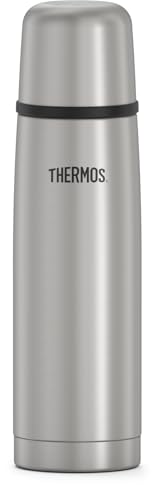
- VC Score9.4
BCP Score is a ranking system developed by bestcleanerproducts.com. BCP Score has no relationship or impact from any manufacturers or sales agent websites. Learn more
- BrandTHERMOS

- VC Score9.2
BCP Score is a ranking system developed by bestcleanerproducts.com. BCP Score has no relationship or impact from any manufacturers or sales agent websites. Learn more
- BrandSTANLEY

- VC Score8.8
BCP Score is a ranking system developed by bestcleanerproducts.com. BCP Score has no relationship or impact from any manufacturers or sales agent websites. Learn more
- BrandMILTON

- VC Score8.8
BCP Score is a ranking system developed by bestcleanerproducts.com. BCP Score has no relationship or impact from any manufacturers or sales agent websites. Learn more
- BrandBLACK + BLUM
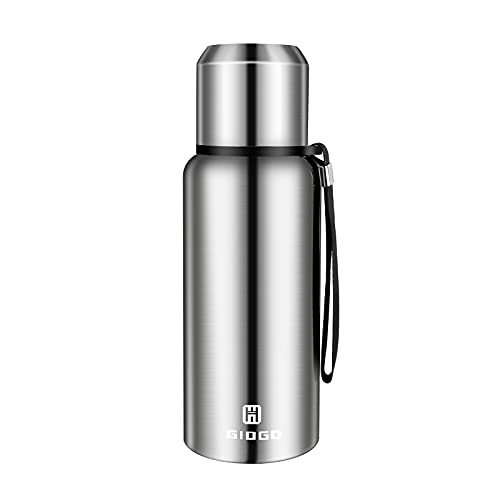
- VC Score8.6
BCP Score is a ranking system developed by bestcleanerproducts.com. BCP Score has no relationship or impact from any manufacturers or sales agent websites. Learn more
- BrandGIOGD
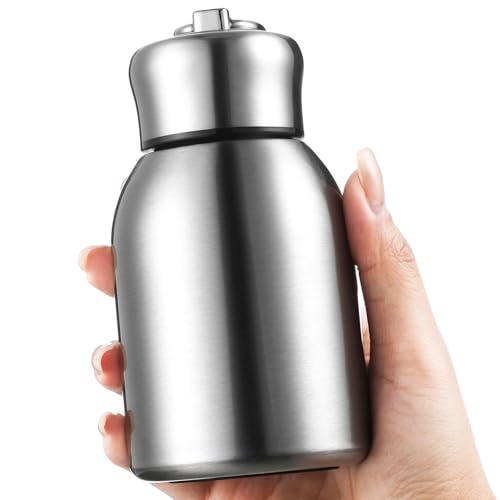
- VC Score8.6
BCP Score is a ranking system developed by bestcleanerproducts.com. BCP Score has no relationship or impact from any manufacturers or sales agent websites. Learn more
- BrandMifoci

- VC Score8.6
BCP Score is a ranking system developed by bestcleanerproducts.com. BCP Score has no relationship or impact from any manufacturers or sales agent websites. Learn more
- BrandPARACITY
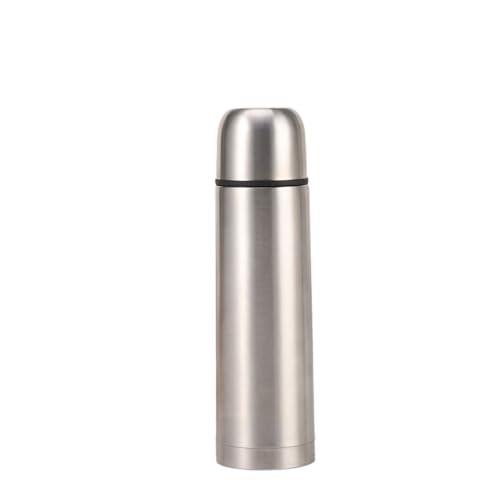
- VC Score8.4
BCP Score is a ranking system developed by bestcleanerproducts.com. BCP Score has no relationship or impact from any manufacturers or sales agent websites. Learn more
- BrandFYJHLQZZ
Last update on 2026-06-03 / Affiliate links / Images, Product Titles, and Product Highlights from Amazon Product Advertising API
How To Use A Vacuum Flask For The First Time
A fresh flask should make life easier, not leave coffee tasting faintly metallic or iced tea turning lukewarm before lunch. The first use sets the tone for how well the bottle holds temperature, how clean it tastes, and how long the seal stays reliable. How to use a vacuum flask for the first time starts with a few practical habits that most people skip because the product looks ready straight out of the box. A little care upfront can prevent odd smells, weak heat retention, and messy leaks later.
First Use Basics
A vacuum flask may look clean on arrival, but the inside can still carry factory dust, packaging odor, or a slight stainless-steel smell. Wash it before any drink goes in, even if the bottle came sealed in plastic. Use warm water, a few drops of mild dish soap, and a soft bottle brush if the opening allows it. Skip harsh cleaners because they can leave behind strong residue that affects taste.
The lid deserves the same attention as the bottle itself. Many first-time problems start around the cap, stopper, gasket, or push-button drinking mechanism. Take apart any removable pieces if the design allows it, then rinse around the threads and seals. A clean lid supports a better airtight seal and helps prevent stale smells from building up.
After washing, rinse more than you think you need to. Soap trapped around the gasket can make coffee taste strange and can even make tea smell flat. Let the flask sit open until the inside is fully dry, especially before storing it. Good drying habits protect against musty odor and keep the flask ready for the first real use.
Some people pour a drink in right after rinsing and wonder why it tastes off. That first drink often picks up leftover soap, metal scent, or moisture from the lid. A quick test with plain water can reveal whether the flask is truly clean. If the water tastes neutral, the flask is ready for hot coffee, tea, soup, or cold drinks.
Prepping The Flask
Temperature prep is the trick that separates a decent flask experience from a disappointing one. For hot drinks, fill the flask with hot water first and let it sit for several minutes. This warms the inner wall before the actual drink goes in. That small step helps preserve heat retention instead of forcing the drink to warm the steel by itself.
Cold drinks benefit from the opposite routine. Add cold water or ice water for a few minutes before filling the flask with juice, iced coffee, or chilled tea. The inside becomes cooler before the drink arrives, so the beverage does not waste its chill on the flask wall. It is a simple move, but it supports better cold retention during commutes, errands, or long afternoons outside.
Do not fill the flask with boiling water and immediately screw the lid down tightly without checking the product’s instructions. Some lids handle heat differently, especially those with buttons, straws, or plastic drinking spouts. Hot pressure can build inside certain designs, which may cause spurting when opened. Careful handling protects both daily safety and the flask’s seal.
Prepping also helps you learn how the flask behaves. You will notice whether the lid gets warm, whether the outside stays cool, and whether any water escapes when tipped gently. A well-insulated flask should feel comfortable on the outside while the drink stays hot or cold inside. Those first checks give you confidence before carrying it near a laptop, gym bag, or car seat.
Filling Without Waste
The fill level matters more than most people expect. A nearly empty flask has more air inside, and that air can affect how quickly the drink changes temperature. Filling it closer to its intended capacity usually helps it perform better. Leave a little space near the top, though, because overfilling can interfere with the lid seal.
Pour slowly, especially with hot coffee or tea. Steam can rise quickly from a narrow mouth, and splashing hot liquid is no joke. A small funnel can help with soup, broth, or drinks poured from a wide pot. Slow filling also keeps the threads clean, which supports a tighter leak-resistant closure.
Thicker drinks need extra care. Smoothies, creamy soups, and milk-based drinks can cling to the inner wall and lid parts. If they sit too long, they may leave odors that plain rinsing will not remove. For these drinks, fast cleaning after use matters just as much as first-use prep.
Separately, small dust problems around electronics call for a different tool, not a drink flask. Clear vents and console gaps more safely with a focused cleaning setup like vacuum cleaner for ps5 before debris gets packed into tight spaces. A flask belongs near beverages, while delicate electronics need dry cleaning control and careful suction.
Sealing And Carrying
A vacuum flask depends on its seal, so the lid should close smoothly without being forced. Cross-threading the cap can damage the threads and create tiny gaps. Tighten it firmly, then stop once resistance feels even. Forcing the lid harder does not improve insulation performance, and it may shorten the life of the gasket.
Before tossing the flask into a bag, do a quick leak check over the sink. Turn it sideways for a few seconds and watch around the lid. Then turn it upside down briefly if the manufacturer allows that kind of use. This quick habit can save notebooks, clothes, and car upholstery from a nasty surprise.
Carrying position still matters, even with a good seal. Upright storage reduces pressure on the lid and helps prevent drips from gathering around the cap. Backpacks, lunch bags, and tote bags often shift around, so place the flask where it will not roll. A stable spot protects the outer finish and keeps the lid from bumping loose.
Outdoor cleanup has its own gear lane, too. To keep patios, lawns, and walkways tidier before setting up drinks outside, compare a commercial lawn sweeper for larger debris instead of dragging indoor tools across rough ground. Cleaner surroundings make breaks feel calmer, while the flask handles the drink temperature part of the job.
Drinks That Work Best
Water, coffee, tea, and simple iced drinks are usually the easiest starting points. These beverages rinse out cleanly and let you judge the flask’s real temperature performance. Coffee can leave oils behind, so clean it soon after use rather than letting it sit overnight. Early habits around coffee residue make a big difference in long-term freshness.
Carbonated drinks are risky in many vacuum flasks. Pressure can build inside the container, especially if the drink warms up or gets shaken in a bag. Some flask makers warn against soda or sparkling water for that reason. Unless the product clearly says it handles carbonation, stick with non-carbonated drinks.
Dairy drinks need a shorter timeline. Milk, cream, protein shakes, and lattes can spoil or sour if left too long, even in an insulated container. A flask slows temperature change, but it does not make perishable drinks immune to food-safety concerns. Clean these drinks promptly to avoid sour smells that cling to seals.
Soup works well if the flask is designed with a wide mouth. Preheat the flask, pour in hot soup, and close the lid quickly to hold warmth better. Chunky soups may need a wider opening for easy filling and cleaning. For narrow bottles, thinner broths are less messy and easier to manage.
Cleaning After The First Drink
The first cleaning after actual use matters almost as much as the first wash. Rinse the flask soon after emptying it so residue does not dry inside. Warm water loosens coffee oils, tea tannins, and soup film before they settle. A mild soap wash keeps the interior fresh without damaging stainless steel surfaces.
Do not rely on smell alone. A flask can seem clean while oils still sit around the lid gasket or in the drinking spout. Remove washable lid parts and clean the hidden edges where liquid collects. Those little corners are where odor buildup usually starts.
Storage should happen with the lid off or loosely placed. A sealed empty flask can trap moisture, especially after rinsing. That trapped dampness creates a stale smell that shows up the next time you pour hot coffee. Open-air drying keeps the inside fresher and protects the clean taste of future drinks.
Home cleaning budgets can get tight, especially after buying new kitchen gear and storage bottles. For floors, crumbs, and daily messes around the kitchen, compare bagless vacuum cleaners under 100 before spending more than your space really needs. A clean kitchen and a clean flask work together, but each tool has its own practical job.
Practical Tips For Using A Vacuum Flask Daily
Keeping drinks hot or cold shouldn’t feel like a gamble, yet first-time users often struggle with lukewarm coffee or watered-down iced tea. Establishing smart routines around cleaning, filling, and sealing ensures your flask delivers consistent performance. A few habits turn a basic vacuum flask into a reliable companion for commutes, hikes, and office days. Paying attention to minor details often makes the difference between satisfaction and disappointment.
Daily Cleaning Routine
Regular cleaning protects taste and longevity. Rinse the flask after every use with warm water, using mild dish soap to remove oils from coffee or residues from teas. Detach any removable lid components and wash around the gasket to prevent odor buildup or mold. Skipping these steps is the most common cause of lingering smells and subpar temperature retention.
For stubborn stains, a mixture of baking soda and water works wonders without harming stainless steel walls. Scrub gently with a bottle brush to reach every corner. Once rinsed thoroughly, air-dry the flask completely to avoid trapped moisture that encourages bacterial growth. Consistency in cleaning reinforces the flask’s performance over months and years.
Some users find that even slight neglect creates a taste difference noticeable in delicate drinks like green tea. Establishing a daily habit reduces this risk and preserves the intended flavors. Regular cleaning is a simple yet powerful tool for maintaining optimal taste and freshness.
Specialized floor and surface cleaning also complements a clean flask environment. For daily home maintenance, a steam mop for linoleum floors keeps surfaces sanitized and dry, reducing the chance of accidental spills or contamination around beverage areas.
Proper Temperature Management
Preheating or precooling the flask before filling significantly improves performance. Hot beverages benefit from a brief rinse with boiling water, which warms the interior and reduces heat loss immediately after pouring. Cold beverages gain from a short ice-water rinse, preventing the liquid from warming too fast. This simple step enhances temperature retention and extends beverage enjoyment.
Pay attention to fill level. Overfilling can stress the lid seal and underfilling introduces excess air, which accelerates heat or cold loss. Aim for an optimal volume that balances seal efficiency and air space. Small adjustments here directly impact the flask’s effectiveness.
Be mindful of how the flask interacts with external temperatures. Leaving it exposed to sunlight or near heat sources can reduce insulation efficiency. Strategic placement, like inside a bag away from warmth or cold drafts, protects the internal temperature and ensures drinks stay at the desired warmth or chill longer.
Frequent checks during transport or commuting confirm that the lid remains tight and no leaks have developed. Simple pressure testing by tilting the flask slightly ensures spill prevention and maintains consistent beverage temperature throughout the day.
Handling Carbonated And Thick Beverages
Carbonated drinks can create internal pressure and may compromise the lid or cause spills. Unless the flask explicitly supports fizzy drinks, avoid storing soda or sparkling water. Thick liquids like smoothies and soups require attention to cleaning and pouring to prevent residue buildup. Proper handling maintains seal integrity and prevents messy situations.
For soups, wide-mouthed flasks are preferable. Pouring carefully and securing the lid quickly reduces heat loss and spills. Chunky ingredients may need stirring or portioned pouring, keeping the temperature consistent and avoiding clogging the drinking mechanism.
Even safe beverages benefit from consistent care. Milk-based drinks, protein shakes, and creamy teas should be consumed within a few hours and the flask cleaned promptly afterward to prevent spoilage. These habits reinforce taste preservation and hygiene.
Consider pairing flask care with overall home cleanliness. A cordless stick vacuum for lvp floors maintains smooth, dry surfaces around your kitchen or office space, reducing accidents or stray spills that could affect your flask or workspace.
Traveling With A Flask
When carrying a flask, orientation matters. Upright storage reduces stress on the lid seal and prevents accidental leaks. Choose secure spots inside bags where the flask won’t tip or roll. This attention protects spills and preserves the insulation quality during commutes or outdoor activities.
Securely fastening the lid without forcing it ensures the vacuum system works as intended. Cross-threaded or over-tightened lids can reduce temperature retention and damage the gasket. Correct handling at the start of travel ensures the flask performs reliably throughout the day.
Car seat, backpack, and tote bag placement all influence outcomes. A small lateral movement during walking or driving can jostle the lid and reduce effectiveness. Identifying the optimal carrying position for stability preserves hot or cold retention for longer durations.
Travel routines also include occasional wipe-downs of external surfaces, especially after trips or outdoor exposure. Maintaining a clean exterior not only improves appearance but prevents debris from compromising the lid or seal.
Storage Tips For Longevity
Flasks last longer when stored correctly. Always keep them dry and with the lid off or slightly loose. Trapped moisture can create stale smells or reduce insulation efficiency. Consider storing in a cool, dry cabinet away from direct sunlight.
Regular inspection of the gasket, lid threads, and bottle mouth prevents unnoticed wear. Early identification of damage allows you to replace components before they affect performance. A small investment in maintenance extends the life of the flask significantly.
Rotation of multiple flasks, if available, reduces strain on a single container and allows for thorough cleaning cycles. This habit keeps taste and hygiene at optimal levels and ensures one flask is always ready for use.
Minor care routines like wiping the exterior and checking seals may seem trivial, but over months and years, they maintain the key features that make vacuum flasks a reliable tool for beverages.
Optimizing For Different Beverages
Each drink type interacts differently with a flask. Hot coffee oils can linger, delicate teas are sensitive to odor contamination, and cold juices react to air pockets inside. Adjust fill volume, preheating, and lid tightness to suit the beverage. These tweaks maintain flavor integrity and temperature stability.
Herbal teas benefit from a short preheating rinse, while iced beverages see the most gain from a chilled flask interior. Soup and thicker drinks require careful pouring to avoid spillage and uneven temperature. Matching routine adjustments to the drink type supports consistent performance day after day.
For perishable liquids, plan consumption within safe time windows. Even the best insulation cannot halt spoilage indefinitely. Prompt cleaning after use prevents lingering odors and maintains hygiene for future beverages.
Combining these drink-specific strategies with general care habits ensures that your flask works efficiently across a wide range of beverages, providing both convenience and reliability for everyday use.


How to Refinish a Fiberglass Pool

How Do You Keep Raccoons Out of Your Pool?

How to Fix Cyanuric Acid in Your Pool

How to Shape a Pool Cue Tip to Stop Miscues

Best Far Infrared Sauna Sauna Heats: Top Picks of 2026

11 Best Far Infrared Sauna Carbon Fiber Heaters of 2026 For Balanced Full-Body Heat

11 Best Carbon Far Infrared Sauna of 2026 For Even Heat

10 Best Bluetooth Speaker For Sauna of 2026 For Heat and Steam








