
How to Use a Vacuum as a Blower Without Hassle

How to use a vacuum as a blower sounds simple at first, yet plenty of people stand in the garage staring at attachments and switches, wondering if they're about to do it right or create a bigger mess. Dust piles, dry leaves, grass clippings, and debris tucked into corners can be stubborn. A standard vacuum often handles suction well, but many models also offer a blower function that's surprisingly useful. Knowing how to switch modes correctly helps save time and prevents frustration before the cleanup even begins.
Outdoor cleanup tends to become a never-ending chore. Leaves scatter across driveways, dirt gathers along fences, and lightweight debris seems to reappear overnight. Instead of dragging out multiple tools, using the blower function built into a compatible vacuum can speed things up considerably. Small jobs that once felt annoying become much easier to tackle with controlled airflow directed exactly where it's needed.
Dust removal presents another challenge. Garages, workshops, patios, and storage areas collect fine particles that don't always cooperate with suction. Airflow from a blower can push debris out from cracks, corners, and tight spaces that are difficult to reach otherwise. A quick burst often clears areas that would take much longer using brushes or manual cleaning methods.
Many people worry about damaging equipment or losing performance during the conversion process. Fortunately, most blower-capable vacuums are designed with straightforward connection points and clearly marked ports. Checking the owner's manual and securing attachments properly can make the transition smooth and safe. A few minutes of preparation often prevents unnecessary headaches later.
Weather conditions also influence results. Dry debris responds much better than wet leaves or mud-covered materials. Strong wind can scatter debris in unexpected directions, making cleanup less efficient. Positioning yourself strategically and controlling airflow angles can help maintain order instead of creating another cleanup task.
Cost savings play a role too. Purchasing a dedicated leaf blower isn't always necessary for occasional jobs. A vacuum that already includes a blower mode can handle many household tasks effectively. That's why understanding how to use a vacuum as a blower has become a practical skill for anyone looking to get more value from existing equipment.
Small details often make the biggest difference. Attachment selection, airflow direction, extension cord management, and debris planning all contribute to better results. Skip those steps and cleanup may feel chaotic. Follow them carefully, and the process becomes much faster, cleaner, and far less stressful.
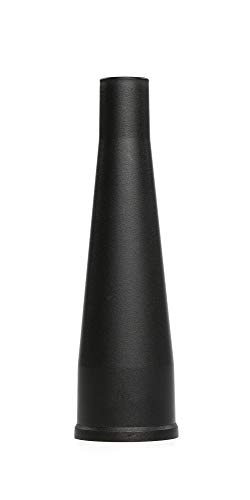
- VC Score9.4
BCP Score is a ranking system developed by bestcleanerproducts.com. BCP Score has no relationship or impact from any manufacturers or sales agent websites. Learn more
- BrandCRAFTSMAN

- VC Score9.2
BCP Score is a ranking system developed by bestcleanerproducts.com. BCP Score has no relationship or impact from any manufacturers or sales agent websites. Learn more
- BrandVacmaster

- VC Score9.2
BCP Score is a ranking system developed by bestcleanerproducts.com. BCP Score has no relationship or impact from any manufacturers or sales agent websites. Learn more
- BrandGOCCIDA
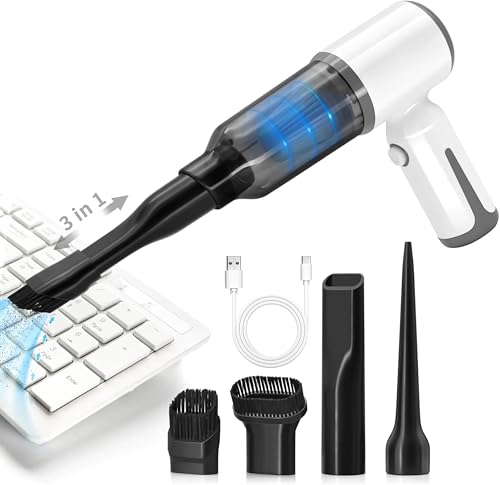
- VC Score8.8
BCP Score is a ranking system developed by bestcleanerproducts.com. BCP Score has no relationship or impact from any manufacturers or sales agent websites. Learn more
- BrandMEFELF
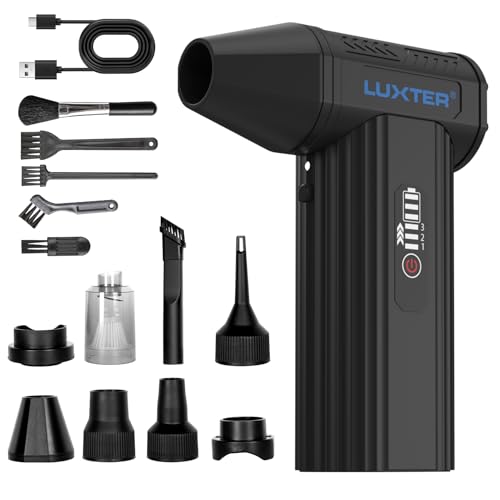
- VC Score8.8
BCP Score is a ranking system developed by bestcleanerproducts.com. BCP Score has no relationship or impact from any manufacturers or sales agent websites. Learn more
- BrandLUXTER
- VC Score8.4
BCP Score is a ranking system developed by bestcleanerproducts.com. BCP Score has no relationship or impact from any manufacturers or sales agent websites. Learn more
- BrandIYOFINE

- VC Score8.4
BCP Score is a ranking system developed by bestcleanerproducts.com. BCP Score has no relationship or impact from any manufacturers or sales agent websites. Learn more
- BrandPocket Vac

- VC Score8.4
BCP Score is a ranking system developed by bestcleanerproducts.com. BCP Score has no relationship or impact from any manufacturers or sales agent websites. Learn more
- BrandYAWV

- VC Score8.2
BCP Score is a ranking system developed by bestcleanerproducts.com. BCP Score has no relationship or impact from any manufacturers or sales agent websites. Learn more
- BrandShop-Vac

- VC Score8.2
BCP Score is a ranking system developed by bestcleanerproducts.com. BCP Score has no relationship or impact from any manufacturers or sales agent websites. Learn more
- BrandPiwosa

- VC Score8.0
BCP Score is a ranking system developed by bestcleanerproducts.com. BCP Score has no relationship or impact from any manufacturers or sales agent websites. Learn more
- BrandGOCCIDA
Last update on 2026-06-27 / Affiliate links / Images, Product Titles, and Product Highlights from Amazon Product Advertising API
How To Use A Vacuum As A Blower For Messy Cleanup
Leaves stuck along the garage door track, sawdust hiding behind a workbench, and crumbs wedged under patio furniture can make a quick cleanup feel like a wrestling match. A regular broom only pushes the mess around, and buying another tool for small jobs feels a little silly. That is where how to use a vacuum as a blower becomes a practical trick, especially if your shop vac or wet dry vacuum already has a blower port. Used with care, the blower setup can move dry debris, clear tight corners, and help you finish small cleanup jobs without dragging out a separate machine.
Vacuum Blower Basics
A vacuum does two different jobs only if the machine is built for both suction and blowing. Many shop vacs have an intake port for suction and a separate exhaust or blower port that pushes air outward. The key is to connect the hose to the blower outlet, not the suction inlet. That small switch changes the vacuum from pulling debris in to pushing airflow out through the hose.
Not every household vacuum should be used this way. Upright vacuums, cordless stick models, and delicate indoor machines usually are not made for blowing debris across a garage or driveway. A wet dry vacuum is usually the better candidate because it has a tougher motor housing, larger hose, and a body designed for rougher cleanup. Before switching modes, check the manual for the words blower function, blower port, or detachable exhaust.
Airflow from a vacuum blower is helpful, but it will not always match a dedicated leaf blower. It can move dry leaves, light dust, sawdust, grass clippings, and loose dirt, yet wet debris will fight back. Mud, soaked leaves, and heavy gravel can sit there like they own the place. Realistic expectations make the difference between smooth cleanup and pointless nozzle waving.
The best results come from using the blower mode for controlled, smaller areas. Think garage corners, porch steps, workshop floors, deck gaps, patio edges, and vehicle interiors before a deeper clean. A vacuum blower shines in spots where a full-size blower feels too aggressive or too bulky. That controlled airflow gives you better direction and less chaos.
How To Set Up The Hose
Start by turning the vacuum off and unplugging it. That sounds basic, but it matters because changing hose ports while the motor is running can pull dust into places it does not belong. Remove the hose from the suction inlet and inspect the connection end for clogs, cracks, or packed dirt. A clean hose helps the blower function deliver steady air pressure instead of weak, choppy airflow.
Find the blower port on the vacuum body. It may sit on the back, side, or top depending on the model. Some vacuums use a capped exhaust outlet, while others have a clearly labeled blower connection. Push or twist the hose into place until it feels secure because a loose hose can pop off right when the debris starts moving.
Choose the right nozzle for the job before plugging the machine back in. A narrow nozzle creates stronger, more focused airflow for cracks, corners, and workbench edges. A wider nozzle spreads the air, which helps move leaves or dust across a larger surface. Matching the attachment to the mess gives you cleaner control and keeps the job from turning into a dust cloud.
Dry filters and empty tanks matter more than people expect. A dirty filter can restrict airflow, and a tank packed with debris can reduce the vacuum’s ability to move air smoothly. Empty the canister, check the filter, and remove anything loose inside before using blower mode. That quick prep protects the motor and improves blower performance.
Best Places To Use Blower Mode
Garage floors are one of the most practical places to use a vacuum as a blower. Dust, leaves, sand, and dried grass often gather near corners and door tracks where a broom struggles. Aim the nozzle low and push debris toward an open area before sweeping or vacuuming it up. This approach keeps garage cleanup simple without scattering dirt into storage bins or tools.
Workshops benefit from the same method, especially around sawdust and light wood shavings. Blow debris away from wall edges, table legs, and under tool stands before collecting it in one pile. Keep the airflow pointed away from outlets, open paint cans, and delicate tools. Fine dust can travel fast, so eye protection and a dust mask are smart choices.
Patios, decks, and porch steps also respond well to blower mode, as long as the debris is dry. Leaves trapped between boards or under planters can be nudged out without scraping the surface. For outdoor tile maintenance, Plan cleaner floor routines around robot vacuum for ceramic tile if indoor debris keeps tracking in after patio cleanup. Keeping outdoor mess under control helps protect indoor floors from grit and scratches.
Decks need a lighter touch because old wood, peeling stain, and loose dirt can shift quickly under direct airflow. Use short bursts instead of blasting one spot for too long. For deeper outdoor surface prep, Match deck washing steps with use olympic deck cleaner before moving heavy dirt around with air. A blower setup handles loose debris, while cleaning products handle grime that has settled into the surface.
Airflow Control Without Making A Bigger Mess
The biggest mistake is pointing the nozzle straight at the center of a mess and going full blast. Debris spreads outward, dust lifts into the air, and suddenly the job looks worse than before. Start at the far edge and push material toward one collection point. That simple direction change gives you better control and less cleanup after the cleanup.
Distance matters too. Holding the nozzle too close can scatter debris violently, especially sawdust, sand, and dry leaves. Holding it too far away weakens the airflow and wastes effort. A few inches above the surface usually gives enough force while keeping the debris moving in a predictable path.
Use short bursts for tight spaces. Continuous airflow can stir up dust and make visibility worse, especially in a closed garage or shed. Pulse the blower, pause, let the dust settle, then push the debris again. That rhythm feels slower at first, but it often saves time because dust control stays manageable.
Watch where the debris will land before turning on the vacuum. Cars, windows, neighbor fences, open doors, and garden beds can all become accidental targets. Place a trash bag, tarp, or collection bin where debris naturally gathers. Planning the landing zone turns directed airflow into a useful tool instead of a backyard circus.
Safety Checks Before Blowing Debris
A vacuum blower moves more than leaves. It can send pebbles, screws, glass bits, and wood chips flying if those items are mixed into the debris. Scan the area first and pick up sharp or heavy objects by hand. This quick check protects windows, vehicles, skin, and anything fragile sitting nearby.
Protective gear is not overkill here. Safety glasses help block dust and grit, while gloves protect your hands when moving hoses, cords, and debris piles. A mask is useful in workshops, garages, and dry outdoor areas where fine dust lifts easily. Good cleanup should not come with burning eyes or a scratchy throat.
Extension cords deserve attention as well. Keep the cord behind you and away from the airflow path so debris does not bury it or drag it into the work area. Avoid wet ground unless the vacuum is rated for wet dry use and the electrical setup is safe. Power and moisture do not play nice, so cord safety should never be treated casually.
Noise can sneak up on you during longer cleanup sessions. Shop vacs can be loud, especially in enclosed spaces where sound bounces off walls. Ear protection makes sense if the job takes more than a few minutes. A quieter cleanup routine is easier on your ears and less annoying for everyone nearby.
What This Method Cannot Do Well
A vacuum blower is handy, but it is not magic. Heavy piles of wet leaves, sticky mud, gravel, and compacted soil often need a rake, shovel, or dedicated outdoor tool. Trying to force a vacuum blower through heavy debris can overwork the motor and waste time. Use blower mode where light material needs movement, not where packed mess needs muscle.
Battery stick vacuums are usually the wrong tool for this job. Their motors, dust bins, and filters are built for indoor suction tasks, not blowing yard debris across concrete. For tight budgets, Build a separate cleaning setup around stick vacuum under 50 for indoor floors instead of forcing it into rough outdoor work. Keeping tools in their lane helps them last longer.
Fine dust also has limits. Blowing drywall dust, ash, or powdery debris can create a cloud that spreads into vents, shelves, and lungs. Vacuuming with the right filter is often safer for those materials. If the debris looks powdery, think twice before choosing blower mode.
Small gardens and plant areas require extra caution. Airflow can damage seedlings, scatter mulch, dry out soil surfaces, or knock over lightweight pots. Keep the nozzle low and angle it away from tender plants if you are cleaning near beds or containers. A controlled hand beats brute force around delicate landscaping.
How To Use A Shop Vacuum As A Powerful Blower
Most people start using blower mode and quickly notice a frustrating problem. Debris moves, but it doesn't always move where they want it to go. Leaves circle back, dust spreads across freshly cleaned surfaces, and light materials seem to have a mind of their own. Better results usually come from a simple strategy built around air direction, controlled movement, and a realistic expectation of what a vacuum blower can accomplish.
Air behaves differently depending on the surface underneath it. Smooth concrete allows leaves and dust to slide easily, while rough gravel, textured decking, and thick grass create resistance. That difference explains why the same vacuum blower can feel extremely effective in one area and surprisingly weak in another. Paying attention to the surface often improves cleanup efficiency more than changing attachments.
Patience helps too. Many people expect one pass to clear an entire area. Short, deliberate passes generally work better than sweeping the nozzle wildly from side to side. Moving debris in stages creates a more organized cleanup process and reduces the chance of having to repeat the same work.
Wind direction deserves attention before the vacuum even turns on. Blowing debris against a natural breeze creates unnecessary resistance. Working with the wind instead of fighting it allows airflow power to do more of the heavy lifting.
Using Blower Mode Around Gardens And Landscapes
Garden beds require a careful approach because not everything on the ground belongs in the trash pile. Mulch, bark chips, lightweight compost, and newly planted seedlings can shift unexpectedly under strong airflow. Keeping the nozzle angled slightly upward helps move leaves without disturbing the growing area. That small adjustment protects soil structure and prevents accidental damage.
Seasonal debris often settles between shrubs and ornamental plants. Rakes sometimes struggle in these tighter areas because branches block movement. A vacuum blower can gently push leaves into open spaces where they are easier to collect. The key word here is gently, because excessive airflow can stress fragile stems.
Wood decks near planting beds often collect both leaves and dirt. Loose debris should be removed before deeper maintenance begins. For tougher buildup that sticks to deck surfaces, Explore homemade deck cleaner vinegar methods that can help loosen grime before scrubbing. Combining debris removal with proper cleaning usually produces a more noticeable result.
Fresh mulch deserves extra caution. Lightweight mulch can scatter surprisingly far if the nozzle stays too close. Short bursts from a greater distance help maintain landscape appearance while still clearing unwanted debris around the area.
Clearing Vehicle Interiors And Garages
Many people focus on outdoor cleanup and overlook another useful application. Vehicle interiors often collect dirt in seat tracks, under floor mats, and inside storage compartments. A vacuum blower can push debris from hidden spots before suction removes it completely. That two-step approach often improves interior cleaning without requiring special tools.
Garage shelving creates similar challenges. Dust accumulates behind storage bins, toolboxes, and equipment that rarely gets moved. Instead of removing everything from the shelf, a controlled stream of air can push debris toward accessible areas. Less lifting means less effort and a more manageable cleaning routine.
Workbench corners frequently trap fine sawdust and metal shavings. Blower mode helps expose those hidden accumulations before they become larger issues. Visibility improves quickly once loose material is moved into the open. A cleaner workspace contributes to better organization and safer conditions.
Floor mats deserve special attention because dirt often settles beneath them unnoticed. Blowing debris outward before vacuuming helps remove particles that otherwise remain trapped. This combination of airflow and suction can leave surfaces noticeably cleaner without adding much extra time.
Common Mistakes That Reduce Blower Performance
A clogged filter remains one of the most overlooked problems. People often switch from vacuum mode to blower mode without checking the filter condition. Restricted airflow reduces performance and makes the blower feel weaker than it actually is. Regular maintenance helps preserve consistent airflow and keeps the motor operating more efficiently.
Incorrect hose placement creates another common issue. Connecting the hose to the suction inlet instead of the blower port prevents the machine from delivering proper airflow. It sounds obvious, yet it happens more often than many people realize. Double-checking connections takes seconds and avoids unnecessary frustration.
Overloading the vacuum tank can also affect performance. Even though blower mode pushes air outward, a heavily packed tank may restrict circulation within the unit. Emptying debris before switching functions allows the motor to operate more freely. That simple habit supports stronger air output and smoother operation.
Ignoring attachment options can limit results too. Different nozzles produce different airflow patterns. Narrow attachments concentrate force into smaller spaces, while wider nozzles spread airflow across broader areas. Matching the attachment to the task creates more effective cleanup and reduces wasted effort.
Comparing Blower Mode To Dedicated Leaf Blowers
A dedicated leaf blower generally delivers stronger airflow across larger outdoor areas. Large lawns, extensive driveways, and heavy seasonal leaf fall often favor specialized equipment. Vacuum blower mode shines in smaller spaces where precision matters more than raw power. Knowing that distinction helps set realistic expectations.
Storage space influences equipment decisions as well. Some garages barely have room for one cleaning tool, let alone several. A vacuum that performs both suction and blowing tasks can reduce clutter while still handling many everyday jobs. That flexibility appeals to people working within limited storage areas.
Noise levels vary by machine design. Some dedicated blowers operate at lower frequencies that travel farther, while certain shop vacs produce a sharper sound. Ear protection remains a smart choice either way. Protecting hearing during routine cleanup is an often overlooked but important safety habit.
Indoor flooring creates another distinction. Carpeted rooms typically benefit more from suction than airflow. For homes with textured carpeting, Review options related to canister vacuum berber carpet maintenance instead of relying on blower functions. Different surfaces demand different approaches, and matching the tool to the surface usually delivers better results.
Maintaining Your Vacuum After Using Blower Mode
Cleanup doesn't end when the debris pile disappears. Dust and particles can settle inside the hose and attachment openings after blower use. A quick inspection helps prevent buildup that could affect future performance. Spending a few minutes on maintenance protects long-term reliability.
Filters deserve regular attention because airborne particles often circulate differently during blower operation. Cleaning or replacing filters according to manufacturer recommendations supports stronger airflow and helps reduce motor strain. Consistent maintenance usually costs less than replacing worn components.
Hoses should be checked for cracks, loose fittings, and hidden blockages. Small problems tend to grow larger if they remain unnoticed. A damaged hose can leak air and reduce efficiency during both vacuuming and blowing tasks. Catching issues early supports better equipment lifespan.
Storage matters more than many people think. Keeping the vacuum in a dry location protects electrical components, hoses, and filters from unnecessary wear. Moisture, extreme temperatures, and prolonged exposure to dirt can gradually reduce performance. Proper storage helps preserve dependable operation for future cleanup projects.
Situations Where A Vacuum Blower Saves The Most Time
Quick cleanup jobs often provide the biggest payoff. A small pile of leaves near a doorway, dust along a workshop wall, or grass clippings on a patio rarely justify hauling out multiple tools. Vacuum blower mode handles these situations efficiently while keeping setup time low. Convenience becomes one of its strongest practical advantages.
Seasonal transitions create another opportunity. Spring pollen, summer grass clippings, autumn leaves, and winter debris all tend to gather in awkward locations. A blower-equipped vacuum allows fast response before those materials spread further. Addressing messes early usually prevents larger cleanup sessions later.
Property maintenance often involves a combination of airflow and suction. Debris gets pushed into manageable piles first and removed afterward. That workflow feels organized, reduces repeated effort, and keeps cleanup moving steadily. Combining both functions takes advantage of the vacuum's dual-purpose capability.
Small outdoor projects benefit from the same strategy. Trimming shrubs, sanding wood, assembling furniture, or cleaning storage areas often generate light debris that needs quick removal. Blower mode provides a simple solution without introducing another machine into the process. Used thoughtfully, it becomes a versatile cleanup tool that earns its place in the garage.


How to Refinish a Fiberglass Pool

How Do You Keep Raccoons Out of Your Pool?

How to Fix Cyanuric Acid in Your Pool

How to Shape a Pool Cue Tip to Stop Miscues

Best Far Infrared Sauna Sauna Heats: Top Picks of 2026

11 Best Far Infrared Sauna Carbon Fiber Heaters of 2026 For Balanced Full-Body Heat

11 Best Carbon Far Infrared Sauna of 2026 For Even Heat

10 Best Bluetooth Speaker For Sauna of 2026 For Heat and Steam


