
How To Use An Upright Vacuum Cleaner On Every Floor in 2026

The tiny distance between the nozzle base and the floor surface determines whether a clean goes smoothly or turns into an exhausting struggle. Drop that clearance too low on thick pile, and the rotating bristles dig straight into the carpet fibers, fighting every forward push while the motor strains and drive belts overheat. Raise the head too high, and air leaks around the edges, leaving pet hair and grit untouched. Worse, spinning a stiff brush roll across bare hardwood or tile flings debris backward across the room and risks scratching the finish, turning a simple chore into an irritating mess.
Housework gets vastly easier once the machine glides freely and pulls dirt on the first pass. Getting there takes just three basic habits: matching nozzle height to carpet depth so the roller grooms without dragging, flipping the brush roll switch off before touching hard floors, and clearing the dust bin before packed debris blocks the internal airflow. Once those dial settings and pedal releases become second nature, the vacuum works with the floor instead of fighting it. The step-by-step breakdown below covers every dial, hose release, and floor transition for clean surfaces throughout the home.
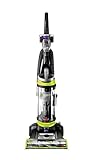
- VC Score9.0
BCP Score is a ranking system developed by bestcleanerproducts.com. BCP Score has no relationship or impact from any manufacturers or sales agent websites. Learn more
- BrandBissell

- VC Score8.8
BCP Score is a ranking system developed by bestcleanerproducts.com. BCP Score has no relationship or impact from any manufacturers or sales agent websites. Learn more
- BrandEureka

- VC Score8.8
BCP Score is a ranking system developed by bestcleanerproducts.com. BCP Score has no relationship or impact from any manufacturers or sales agent websites. Learn more
- BrandBissell

- VC Score8.8
BCP Score is a ranking system developed by bestcleanerproducts.com. BCP Score has no relationship or impact from any manufacturers or sales agent websites. Learn more
- BrandShark

- VC Score8.8
BCP Score is a ranking system developed by bestcleanerproducts.com. BCP Score has no relationship or impact from any manufacturers or sales agent websites. Learn more
- BrandBissell

- VC Score8.6
BCP Score is a ranking system developed by bestcleanerproducts.com. BCP Score has no relationship or impact from any manufacturers or sales agent websites. Learn more
- BrandBissell

- VC Score8.6
BCP Score is a ranking system developed by bestcleanerproducts.com. BCP Score has no relationship or impact from any manufacturers or sales agent websites. Learn more
- BrandOreck

- VC Score8.6
BCP Score is a ranking system developed by bestcleanerproducts.com. BCP Score has no relationship or impact from any manufacturers or sales agent websites. Learn more
- BrandDirt Devil
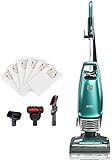
- VC Score8.6
BCP Score is a ranking system developed by bestcleanerproducts.com. BCP Score has no relationship or impact from any manufacturers or sales agent websites. Learn more
- BrandKenmore
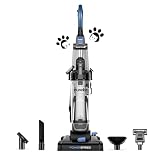
- VC Score8.4
BCP Score is a ranking system developed by bestcleanerproducts.com. BCP Score has no relationship or impact from any manufacturers or sales agent websites. Learn more
- BrandEureka

- VC Score8.4
BCP Score is a ranking system developed by bestcleanerproducts.com. BCP Score has no relationship or impact from any manufacturers or sales agent websites. Learn more
- BrandHoover
Last update on 2026-09-27 / Affiliate links / Images, Product Titles, and Product Highlights from Amazon Product Advertising API
How do you set the nozzle height for carpet versus bare floors?
Match the floor head clearance directly to your floor pile so air can circulate underneath the nozzle without stalling the motor. A high-pile or plush carpet requires a raised setting so the spinning roller does not bury itself in the yarn, choke off airflow, or make the machine impossible to push. For low rugs or bare tile, lower the head so the seal stays close to the surface. If you are dealing with deeply caked traffic lanes on carpets, dry vacuuming prepares the fiber, but stubborn soil may eventually require a targeted washer to lift embedded dirt from deep within the backing.
Why does an upright vacuum scatter debris across bare floors instead of picking it up?
Scattering occurs when a rapidly spinning brush roll hits loose, hard debris across a slick surface and slings it backward before suction can trap it. Many multi-surface uprights feature a brush roll shutoff switch or a dedicated hard-floor pedal to stop the bristles from rotating on wood or tile. If your model does not have a roller shutoff, raise the manual floor dial to its highest bare-floor position to maximize front airflow intake and prevent the bristles from striking the floor surface.
How do you switch suction from the floor nozzle to the extension hose?
Lock the vacuum body into its upright, vertical position and release the hose or wand connector from the lower base channel. Upright vacuums direct primary suction to the floor head when reclined, but locking the handle upright diverts airflow or unlocks the extension wand for above-floor dusting. On models with detachable canisters, such as the 12.5-pound Shark NV352 Navigator or the 14-pound Kenmore Intuition with 200.0 watts of handheld power, you press a release button to lift the canister away from the floor nozzle and attach an upholstery tool or crevice tool directly to the wand.
When should you empty the dust cup or replace the vacuum bag?
Empty a bagless dust cup as soon as debris reaches the molded maximum fill line, and swap out vacuum bags when they feel firm and full to the touch. Letting debris pack past the fill line restricts airflow through cyclonic chambers, blocks internal filters, and forces the motor to run hot. Bagged uprights with self-sealing bags isolate dust during disposal, while bagless designs require regular filter rinsing once the cup is empty. If you run a multi-floor home with daily messes, keeping a secondary option like a top rated vacuum cleaner under 100 dollars on hand prevents downtime when main filters are drying.
How do you safely clean stairs with an upright vacuum?
Clean stairs by parking the base securely on the floor and extending the flexible hose, or by detaching the portable canister pod if your vacuum supports lift-away cleaning. Balancing a full upright machine on narrow stair treads is dangerous because vibration can tip the unit over. Lightweight uprights like the 9-pound Oreck XL Commercial are easy to carry between landings, but on individual steps, always use your vacuum handle wand with an upholstery or stair attachment while keeping the main rolling base steady at the bottom of the flight.


How to Refinish a Fiberglass Pool

How Do You Keep Raccoons Out of Your Pool?

How to Fix Cyanuric Acid in Your Pool

How to Shape a Pool Cue Tip to Stop Miscues

Best Far Infrared Sauna Sauna Heats: Top Picks of 2026

11 Best Far Infrared Sauna Carbon Fiber Heaters of 2026 For Balanced Full-Body Heat

11 Best Carbon Far Infrared Sauna of 2026 For Even Heat

10 Best Bluetooth Speaker For Sauna of 2026 For Heat and Steam


