
How to Use a Stick Vacuum Without the Hassle

How to Use a Stick Vacuum sounds simple at first glance, yet plenty of people end up frustrated by weak pickup, short battery life, or dust left behind in corners. Small habits often make a bigger difference than the vacuum itself. A few adjustments can turn a routine chore into a quicker and less annoying task. Better cleaning usually starts with knowing how the machine is meant to move across different surfaces.
Battery-powered cleaning tools bring convenience, but convenience can create shortcuts that don't always help. Charging habits, floor selection, and attachment choices all influence the final result. Many people rush from room to room only to notice crumbs, pet hair, or fine dust still sitting in plain sight. Using the correct settings allows suction power and battery efficiency to work together rather than against each other.
Pet hair presents a challenge that catches many households off guard. Hair wraps around brush rolls, clogs air pathways, and gradually reduces performance. Cleaning the brush head regularly keeps airflow steady and prevents the machine from working harder than necessary. A little maintenance goes a long way toward preserving cleaning performance and extending the life of the vacuum.
Floor transitions can be surprisingly tricky. Hardwood, tile, laminate, and carpet each respond differently to vacuum heads and suction levels. Sliding from one surface to another without adjusting settings may leave debris behind or drain the battery faster than expected. Paying attention to these details helps maintain consistent results throughout the home.
Attachments often sit unused in storage drawers, which is a shame because they're designed to solve specific cleaning problems. Crevice tools reach tight gaps beside furniture, while dusting brushes handle shelves and delicate surfaces more gently. Those little accessories can save time and reduce repeated passes over the same area. Smart attachment choices improve efficiency while reducing unnecessary effort.
Storage habits matter more than people think. Leaving a stick vacuum with a full dustbin or tangled brush roll can slowly reduce performance. Emptying debris after use and checking filters regularly keeps airflow moving freely. Simple upkeep protects suction strength and helps avoid the disappointment of a machine that feels weaker over time.
Cleaning routines don't have to feel like an uphill battle. A stick vacuum performs best when movement patterns, attachments, maintenance, and charging practices work together. Small changes often produce surprisingly noticeable improvements. With the right approach, How to Use a Stick Vacuum becomes less about trial and error and more about getting dependable results every time.
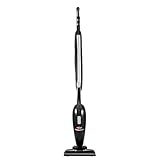
- VC Score8.8
BCP Score is a ranking system developed by bestcleanerproducts.com. BCP Score has no relationship or impact from any manufacturers or sales agent websites. Learn more
- BrandBissell

- VC Score8.6
BCP Score is a ranking system developed by bestcleanerproducts.com. BCP Score has no relationship or impact from any manufacturers or sales agent websites. Learn more
- BrandKARDV

- VC Score8.6
BCP Score is a ranking system developed by bestcleanerproducts.com. BCP Score has no relationship or impact from any manufacturers or sales agent websites. Learn more
- BrandNEWBULIG

- VC Score8.4
BCP Score is a ranking system developed by bestcleanerproducts.com. BCP Score has no relationship or impact from any manufacturers or sales agent websites. Learn more
- BrandAmazon Basics

- VC Score8.4
BCP Score is a ranking system developed by bestcleanerproducts.com. BCP Score has no relationship or impact from any manufacturers or sales agent websites. Learn more
- BrandLevoit
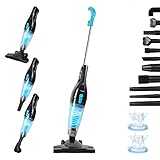
- VC Score8.4
BCP Score is a ranking system developed by bestcleanerproducts.com. BCP Score has no relationship or impact from any manufacturers or sales agent websites. Learn more
- BrandIntercleaner

- VC Score8.4
BCP Score is a ranking system developed by bestcleanerproducts.com. BCP Score has no relationship or impact from any manufacturers or sales agent websites. Learn more
- BrandSOWTECH

- VC Score8.2
BCP Score is a ranking system developed by bestcleanerproducts.com. BCP Score has no relationship or impact from any manufacturers or sales agent websites. Learn more
- BrandVacmaster

- VC Score8.2
BCP Score is a ranking system developed by bestcleanerproducts.com. BCP Score has no relationship or impact from any manufacturers or sales agent websites. Learn more
- BrandRoomie Tec

- VC Score8.0
BCP Score is a ranking system developed by bestcleanerproducts.com. BCP Score has no relationship or impact from any manufacturers or sales agent websites. Learn more
- BrandVacmaster

- VC Score8.0
BCP Score is a ranking system developed by bestcleanerproducts.com. BCP Score has no relationship or impact from any manufacturers or sales agent websites. Learn more
- BrandDirt Devil

- VC Score8.0
BCP Score is a ranking system developed by bestcleanerproducts.com. BCP Score has no relationship or impact from any manufacturers or sales agent websites. Learn more
- BrandKenmore
Last update on 2026-06-26 / Affiliate links / Images, Product Titles, and Product Highlights from Amazon Product Advertising API
How To Use A Stick Vacuum
A clean floor can still look messy if crumbs sit along baseboards, pet hair clings to chair legs, and fine dust keeps drifting back after every pass. That frustration usually isn't about owning the wrong machine. It often comes from using the vacuum too fast, skipping the right attachment, or letting the dustbin and filter choke the airflow. Learning how to use a stick vacuum the right way makes the whole routine feel lighter, quicker, and a lot less like chasing dirt in circles.
Stick Vacuum Basics
A stick vacuum works best when you treat it like a quick daily cleaning tool, not a heavy-duty machine meant to swallow every mess in one angry pass. Slow, steady movement gives the brush roll enough time to lift debris instead of pushing it forward. That matters on hard floors where rice, cereal, soil, and pet litter can scatter if you rush. Small messes disappear faster when the vacuum head stays flat and the suction path stays clear.
Start with a quick scan of the floor before turning the vacuum on. Coins, hair ties, wet food, plant leaves, and chunky debris can jam the head or clog the tube. A stick vacuum is convenient, sure, but it still needs basic prep to protect the motor and brush roll. Skipping that step can turn a two-minute cleanup into a filter-cleaning headache.
Battery level matters more than people expect. A half-charged vacuum may still run, but it may not hold consistent suction long enough to finish thicker rugs or high-traffic spots. Charge it fully before larger cleaning sessions, then save max mode for stubborn debris instead of using it across the whole room. That one habit can stretch runtime and reduce those annoying mid-clean stops.
Grip and angle also change the result. Hold the handle naturally, keep the head touching the floor, and avoid lifting the front edge while pulling back. That small tilt can break the suction seal and leave fine dust behind. A smoother angle helps the vacuum collect more debris with fewer repeat passes.
Choose The Right Setting First
Different floors need different behavior from the same vacuum. Hard floors usually need controlled suction and a soft rolling motion, while carpets often need a stronger setting to pull dust from fibers. Using one mode for everything sounds easy, but it can waste battery or reduce pickup. The smarter move is matching the setting to the mess in front of you.
Low or eco mode handles everyday dust, crumbs, and light pet hair on tile, vinyl, laminate, and hardwood. It keeps noise lower and protects runtime, which helps during quick morning or evening touch-ups. Medium mode fits mixed spaces where rugs meet hard flooring. Max mode should be saved for embedded debris, couch edges, entry mats, and spots where dirt has been walked in.
Carpet requires patience. Push the vacuum forward slowly, then pull it back even slower so the brush roll can agitate the fibers. A fast back-and-forth motion looks productive, but it often leaves grit near the base of the pile. Strong suction plus slow movement gives deep cleaning a better chance without draining the battery too quickly.
Hard floors need a gentler rhythm. Big crumbs may snowplow in front of the head if the vacuum is pushed too quickly. Angle the head slightly, approach larger debris from the side, and let the suction pull the mess in instead of chasing it across the room. That little trick is handy after cooking, repotting plants, or cleaning near a pet food station.
Use Attachments Without Guesswork
Attachments aren't extra clutter. They solve the spots where the main floor head feels clumsy. A crevice tool reaches along baseboards, between couch cushions, beside appliances, and inside tight tracks near sliding doors. The main head may look close enough, but those narrow gaps usually need focused suction.
A dusting brush helps on shelves, lampshades, blinds, vents, and furniture legs. Use light pressure so the bristles loosen dust without scratching delicate surfaces. This is especially useful in rooms with houseplants, where dry soil flakes and leaf dust settle on stands and windowsills. For outdoor cleaning gear that handles a very different kind of surface care, Keep pool edges scrubbed with best pool brush vacuum fiberglass pool before buildup becomes stubborn.
A mini motorized tool is better for upholstery, stairs, pet beds, and car seats. Hair tends to wrap around fabric fibers, so direct agitation matters more than raw suction alone. Move in short strokes and check the tool after each section if long hair or pet fur is heavy. Clean the roller right away if you see wrapping, because hair buildup quietly weakens pickup.
The extension wand is helpful, but it can also make the vacuum feel awkward in tight spaces. Remove it when cleaning stairs, sofas, or vehicle interiors so the handheld unit feels easier to control. Shorter reach gives better leverage and reduces wrist strain. That makes small-detail cleaning feel less like wrestling with a skinny metal pole.
Clean In A Smarter Pattern
A random cleaning path wastes effort. Start from the far side of the room and work backward toward the exit so you don't walk over freshly cleaned areas. Use overlapping passes, especially in traffic lanes, near dining tables, and around pet zones. This simple pattern creates better coverage without making the job feel longer.
Edges deserve their own pass. Dust and hair collect where airflow, foot traffic, and furniture legs push debris outward. Run the vacuum head parallel to the wall, then use the crevice tool if the main head can't reach the corner. That edge-first habit helps a room look properly clean instead of almost clean.
Furniture changes the plan. Pull lightweight chairs aside, clean under them, then put them back after the floor is clear. Don't just snake around every chair leg and hope for the best. Those little missed arcs become dust magnets, especially near dining rooms and plant corners where crumbs and dry potting mix love to hide.
Garage floors and utility areas need realistic expectations. A stick vacuum can handle light dust, dry leaves, and small debris, but heavy grit, screws, wet mud, or workshop scraps can overwhelm it. For larger open spaces, Compare broader floor coverage with best automatic vacuum large garage before expecting a regular stick vacuum to manage every corner. The right tool choice prevents clogs and saves the smaller machine for daily indoor messes.
Keep Suction Strong With Simple Maintenance
Suction drops when airflow gets blocked. Empty the dustbin before it reaches the max line, even if the vacuum still seems to run fine. A packed bin forces air through debris, and that can make pickup weaker. Clean airflow is the backbone of stick vacuum performance.
Filters need attention, too. Tap loose dust into the trash, then wash washable filters only if the manual allows it. Let them dry completely before reinstalling, because damp filters can cause odor and restrict airflow. A clean filter helps the motor breathe and keeps fine dust control from slipping.
The brush roll should be checked often in homes with long hair, pet fur, craft thread, or rug fibers. Use scissors carefully to cut wrapped hair, then pull it away from the roller. Don't yank hard near the end caps, since some rollers have small parts that can loosen. A clear brush roll keeps the vacuum moving smoothly across both rugs and hard floors.
Strong cleaners and outdoor grime belong in a separate cleaning lane from indoor vacuum care. Sticky ATV residue, oil film, and mud need their own wash process, not a stick vacuum. For messy vehicle cleanup, Use a dedicated mix like how to make booty juice atv cleaner instead of pulling wet grit into a dry vacuum system. That separation protects the machine and keeps indoor cleaning cleaner, too.
Best Ways To Use A Stick Vacuum Efficiently
Most people notice the same thing after a few months of ownership. The vacuum still turns on, the battery still charges, yet cleaning seems to take longer than it did at the beginning. Dirt remains in corners, pet hair sticks to rugs, and dust somehow reappears the next day. Those problems often trace back to a handful of habits that quietly reduce cleaning efficiency and limit the machine's real-world performance.
Handle Pet Hair Before It Becomes A Bigger Problem
Pet hair rarely stays where it first lands. It drifts under furniture, wraps around chair legs, and settles into carpet fibers where it becomes harder to remove. A stick vacuum works best when hair is collected regularly instead of waiting until visible clumps appear. Frequent cleaning reduces strain on the brush roll and helps maintain steady suction.
Long-haired pets create another challenge. Hair wraps around rollers and slowly blocks movement. Checking the brush roll every week prevents buildup from turning into a maintenance project. A clean roller improves pickup power and helps protect battery runtime.
Area rugs deserve extra attention if pets spend time there. Short overlapping passes usually remove more fur than a single fast sweep. Slow movement allows the brush to reach deeper into fibers. That approach delivers better debris removal without relying on maximum power all the time.
Furniture surfaces collect hair too. Switching to a handheld attachment often removes fur more effectively than trying to force the floor head into awkward spaces. The right attachment can make a noticeable difference in surface cleanliness and overall results.
Use The Dustbin Before It Uses You
A full dustbin quietly reduces performance. Many people keep vacuuming until debris reaches the top line, assuming the machine will continue working normally. Airflow becomes restricted long before that point. Emptying the bin regularly helps preserve consistent suction and prevents fine dust from circulating inside the machine.
Dust tends to compact near the bottom of the container. Tapping the bin gently into a trash can often releases trapped debris that doesn't fall out on its own. Ignoring compacted dirt may create airflow bottlenecks. Small maintenance habits support long-term reliability.
Fine powder from dry soil, baking ingredients, fireplace residue, or workshop dust can accumulate faster than expected. Gardeners often notice this after repotting plants indoors. Lightweight particles fill filters quickly and may require additional cleaning cycles. A clean system helps maintain strong airflow during future sessions.
Cleaning products matter as well. Some residues require specialized solutions instead of vacuuming alone. For stubborn cleaning situations involving residue buildup, many people research vim cleaner to understand where it fits within broader household cleaning routines. Matching the cleaning method to the mess usually saves time.
Protect Battery Life Through Smarter Habits
Battery performance gradually changes over time, but daily habits can slow that decline. Running maximum power across every room drains energy quickly and creates unnecessary heat. Reserve higher settings for concentrated dirt, entryways, and thick carpet sections. That simple adjustment improves runtime efficiency.
Storage location matters more than many realize. Extreme heat, freezing temperatures, and damp utility rooms can affect battery health. Indoor storage with moderate temperatures helps maintain charging stability throughout the year. Consistency often matters more than perfection.
Partial charging is usually fine for routine use. Constantly running the battery to complete exhaustion may shorten its lifespan depending on the design. Following manufacturer recommendations supports long-term battery health and reduces replacement costs.
Battery limitations aren't necessarily flaws. Lightweight cordless designs trade unlimited runtime for mobility and convenience. Accepting that tradeoff leads to more realistic expectations and a smoother cleaning experience.
Focus On Areas People Usually Miss
Floor centers receive most of the attention during cleaning sessions. Edges, corners, and narrow gaps often tell a different story. Dust naturally migrates toward these locations through foot traffic and airflow. Targeting those zones improves overall cleanliness without dramatically increasing cleaning time.
Baseboards deserve occasional direct attention. Running a crevice tool along wall edges removes dirt that standard floor heads frequently leave behind. This small step creates a noticeably cleaner appearance. It also reduces dust movement back into open floor areas.
Spaces beneath furniture create another challenge. Sofas, beds, and storage units collect debris long before it becomes visible. Extending the vacuum head underneath these areas prevents accumulation and supports healthier indoor conditions. Small efforts here often produce surprisingly visible improvements.
Vehicles, workshops, patios, and pool surroundings can introduce additional debris into the house. Property owners dealing with seasonal debris often compare solutions such as pool vacuum pine needles because outdoor cleanup frequently affects indoor cleaning demands as well. Less debris entering the home means less work for the vacuum later.
Build A Routine That Actually Sticks
Large cleaning days sound productive, yet they often become exhausting and easy to postpone. Shorter sessions spread throughout the week usually keep floors in better condition. Consistency beats intensity for most households. A manageable routine supports better maintenance and less stress.
High-traffic areas deserve priority. Entryways, kitchens, dining spaces, and pet zones accumulate dirt faster than guest rooms or rarely used corners. Focusing on those locations first delivers the biggest visual improvement. Targeted cleaning creates efficient results without consuming an entire afternoon.
Seasonal changes affect cleaning patterns. Wet weather brings mud and debris indoors, while dry seasons often increase dust levels. Adjusting frequency based on conditions keeps messes under control. Flexibility supports practical home maintenance throughout the year.
Simple habits often outperform expensive upgrades. Regular brush cleaning, proper attachment use, consistent filter care, and thoughtful movement patterns allow a stick vacuum to perform closer to its potential. Those small actions reduce frustration and help every cleaning session feel more productive.


How to Refinish a Fiberglass Pool

How Do You Keep Raccoons Out of Your Pool?

How to Fix Cyanuric Acid in Your Pool

How to Shape a Pool Cue Tip to Stop Miscues

Best Far Infrared Sauna Sauna Heats: Top Picks of 2026

11 Best Far Infrared Sauna Carbon Fiber Heaters of 2026 For Balanced Full-Body Heat

11 Best Carbon Far Infrared Sauna of 2026 For Even Heat

10 Best Bluetooth Speaker For Sauna of 2026 For Heat and Steam


