
How to Use a Slim Ball Vacuum Without the Hassle

How to Use a Slim Ball Vacuum sounds straightforward at first glance, yet many people end up pushing harder than necessary, missing dust along edges, or struggling to navigate furniture. The ball design changes the way the vacuum moves, and that shift can feel unusual during the first few cleaning sessions. A little know-how makes the machine feel far more natural and efficient. Once the movement clicks, cleaning often becomes faster and less tiring.
Sharp turns, narrow pathways, and crowded rooms usually create the biggest frustrations during vacuuming. Traditional upright models tend to resist quick directional changes, forcing awkward movements and repeated passes. A slim ball vacuum approaches those obstacles differently because the ball mechanism pivots with the user rather than fighting against them. That flexibility helps maintain momentum while reducing strain on the wrists and shoulders.
Dust tends to hide in places that seem impossible to reach. Pet hair gathers under chairs, crumbs collect around table legs, and fine debris sneaks into corners. The real value of learning proper vacuum control comes from reaching those areas without turning a simple task into a lengthy project. Small adjustments in steering technique often create noticeably cleaner results.
Many cleaning frustrations stem from using the wrong attachment or rushing through transitions between floor types. Carpet, hardwood, tile, and rugs all respond differently to suction and brush action. Understanding how to switch settings and accessories allows the vacuum to perform more effectively. That means fewer repeat passes and less wasted effort.
Storage and maintenance also influence long-term performance. A vacuum may feel powerful on day one, but clogged filters and tangled brush bars gradually reduce efficiency. Keeping an eye on these components preserves suction strength and helps the machine operate as intended. Simple maintenance habits often prevent larger issues down the road.
Comfort plays a bigger role than many expect. A vacuum that glides smoothly around furniture encourages more consistent cleaning, while an awkward machine often leads to skipped areas. The compact shape and responsive steering found in a slim ball vacuum can make routine cleaning feel less like a chore. Little by little, that convenience adds up.
Messes rarely appear in convenient places. One day it's dust along baseboards, the next it's pet hair under a sofa or debris near stairs. Learning how to guide the vacuum efficiently through different situations helps maintain a cleaner space without spending extra time. Practical technique matters just as much as suction power.
Most people don't need complicated cleaning routines. They simply want reliable results, easier maneuverability, and a machine that feels intuitive to operate. That's exactly where a better grasp of How to Use a Slim Ball Vacuum becomes valuable. A few smart habits can turn an ordinary cleaning session into a smoother, more productive experience.

Slivamo S10 Cordless Vacuum Cleaner, 40KPA/500W/45Mins, LED Display, 8-in-1 Lightweight
View on Amazon- VC Score9.8
BCP Score is a ranking system developed by bestcleanerproducts.com. BCP Score has no relationship or impact from any manufacturers or sales agent websites. Learn more
- BrandSlivamo

- VC Score9.2
BCP Score is a ranking system developed by bestcleanerproducts.com. BCP Score has no relationship or impact from any manufacturers or sales agent websites. Learn more
- BrandBissell
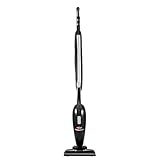
- VC Score8.8
BCP Score is a ranking system developed by bestcleanerproducts.com. BCP Score has no relationship or impact from any manufacturers or sales agent websites. Learn more
- BrandBissell

- VC Score8.6
BCP Score is a ranking system developed by bestcleanerproducts.com. BCP Score has no relationship or impact from any manufacturers or sales agent websites. Learn more
- BrandAnova Culinary

- VC Score8.6
BCP Score is a ranking system developed by bestcleanerproducts.com. BCP Score has no relationship or impact from any manufacturers or sales agent websites. Learn more
- BrandDyson

- VC Score8.6
BCP Score is a ranking system developed by bestcleanerproducts.com. BCP Score has no relationship or impact from any manufacturers or sales agent websites. Learn more
- BrandBLACK+DECKER

- VC Score8.4
BCP Score is a ranking system developed by bestcleanerproducts.com. BCP Score has no relationship or impact from any manufacturers or sales agent websites. Learn more
- BrandFanttik

- VC Score8.4
BCP Score is a ranking system developed by bestcleanerproducts.com. BCP Score has no relationship or impact from any manufacturers or sales agent websites. Learn more
- BrandPocket Vac
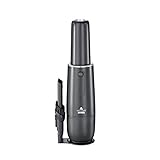
- VC Score8.4
BCP Score is a ranking system developed by bestcleanerproducts.com. BCP Score has no relationship or impact from any manufacturers or sales agent websites. Learn more
- BrandBissell

- VC Score8.2
BCP Score is a ranking system developed by bestcleanerproducts.com. BCP Score has no relationship or impact from any manufacturers or sales agent websites. Learn more
- BrandEureka
Last update on 2026-06-26 / Affiliate links / Images, Product Titles, and Product Highlights from Amazon Product Advertising API
How To Use A Slim Ball Vacuum Without Fighting It
Dust has a sneaky way of showing up right where a bulky vacuum hates to go. Chair legs, narrow hallways, rug edges, and tight corners can turn a quick clean into a stop-and-start headache. How to use a slim ball vacuum the right way starts with letting the ball steering do the work instead of forcing the handle like an old upright. Once that movement feels natural, the vacuum becomes easier to guide, easier to control, and less annoying during everyday cleaning.
A slim ball vacuum is built around pivot control, so small wrist movements matter more than heavy pushing. Instead of dragging the machine in straight lines only, guide it with gentle turns and short overlapping passes. That keeps suction focused on the floor while the cleaner glides around furniture without constant lifting. Push too hard, though, and the steering can feel jumpy or awkward.
The first habit to fix is speed. Fast passes look efficient, but they often leave behind fine grit, pet hair, and crumbs tucked into carpet fibers. Slower movement gives the brush bar and suction more time to pull debris upward. That small change can make floor cleaning feel less repetitive because fewer second passes are needed.
Start each room by clearing small obstacles before turning the vacuum on. Shoes, toys, charging cables, plant saucers, and loose rug corners can interrupt the flow fast. A clear path helps the slim ball design shine because it can move smoothly instead of bumping from one object to the next. It sounds basic, but honestly, this one step saves more frustration than most people expect.
Set Up The Vacuum Before The First Pass
Preparation decides how well the vacuum performs before it even touches the floor. Check the bin, filter area, brush bar, and hose connection so the machine starts with proper airflow. A half-clogged vacuum may still make noise, but suction strength drops fast when dust blocks the pathway. That is usually why a vacuum feels weak even though the motor sounds normal.
Empty the dust bin before it reaches the fill line. Packed debris blocks airflow and can send fine dust back toward the filter. A clean bin helps the vacuum maintain consistent pickup, especially on carpets where suction needs to work harder. For homes with pets, this step matters even more because hair fills the bin faster than crumbs or dry soil.
Inspect the brush bar before vacuuming rugs or carpeted rooms. Long hair, thread, string, and plant ties can wrap around the roller and slow it down. Snipping tangled debris carefully keeps the brush roll spinning properly and helps lift dirt from fibers. Skip this too long, and the vacuum may glide over mess instead of pulling it out.
Choose the correct setting for the floor if the model offers adjustment. Carpet usually needs brush action, while hard floors often need controlled suction without scattering debris. Thin rugs may bunch up if suction is too aggressive, so ease into them with shorter passes. The goal is smooth control, not wrestling the cleaner like it owes you money.
Steer With The Ball Instead Of Pushing Hard
The ball mechanism changes how the vacuum responds. A slight tilt of the wrist can turn the cleaner around chair legs, under table edges, and beside baseboards. That movement is the core advantage of a slim ball vacuum, especially in rooms where bulky machines feel clumsy. Heavy force makes the vacuum less precise, so lighter steering usually works better.
Keep your grip relaxed and let the vacuum roll forward at a steady pace. Short, controlled movements help the cleaner stay balanced while suction stays close to the surface. A stiff arm often causes jerky turns, missed strips, and awkward bumps into furniture. Think of it more like guiding than pushing.
Use overlapping lines across open floor areas. Each pass should slightly cover the edge of the previous pass so fine dust does not remain in narrow streaks. This technique is especially useful on carpet where debris can hide between rows. Overlap also improves cleaning coverage without making the room take much longer.
For tight furniture layouts, angle the vacuum head before entering the gap. Do not drive straight into a chair cluster and hope for the best. Turn the ball slightly, slide the head between the legs, then pull back at a soft diagonal. This keeps movement cleaner and protects furniture from careless bumps.
Clean Edges, Corners, And Tight Gaps Properly
Edges collect more debris than they let on. Dust settles along baseboards, crumbs pile beside cabinets, and pet hair clings to room borders. A slim vacuum can get close, but edge cleaning usually improves when the pass is slow and deliberate. Rushing the perimeter almost always leaves a faint dusty line behind.
Run the vacuum parallel to the baseboard first, then turn and make a second pass facing the edge if needed. That two-angle method helps pull debris from both the floor surface and the narrow seam near the wall. It works well near kitchen cabinets, bedroom trim, and hallway corners. For stubborn buildup, the hose tool may do a cleaner job than the floor head.
Attachments are not extra clutter; they solve specific problems. Use a crevice tool for sofa edges, stair seams, sliding door tracks, and tight spaces beside appliances. Use a brush attachment for dusty vents, shelves, baseboards, and delicate surfaces. The right tool protects surfaces while improving targeted suction.
Outdoor grime can creep indoors through entryways, patios, and garden paths. Muddy shoes, potting soil, and leaf dust often start near thresholds before spreading through the house. To handle exterior buildup before it becomes indoor debris, keep a practical cleaning routine around the entry area and consider how to use outdoor cleaner for surfaces outside the vacuum’s job. That separation keeps the slim ball vacuum focused on dry indoor mess instead of damp residue.
Handle Carpet, Rugs, And Hard Floors Differently
Every floor type asks for a slightly different approach. Carpet needs slower passes because dirt sinks below the surface, while hard floors need control so debris does not scatter. A slim ball vacuum can move between surfaces easily, but the user still has to adjust technique. One lazy setting for the whole house rarely gives the cleanest result.
On carpet, move forward slowly and pull back at the same pace. The backward pass often lifts more embedded debris because the brush has already loosened the surface. High-traffic zones near doors, couches, and beds may need a crosswise pass as well. That extra direction helps grab ground-in dirt without grinding the vacuum into the carpet.
On hard floors, avoid fast forward strokes that blow crumbs ahead of the cleaner. Use smooth passes and keep the vacuum head flat to maintain suction contact. If the model allows brush roll control, use the hard-floor-friendly setting to reduce scatter. This protects wood, tile, vinyl, and laminate while keeping fine dust pickup steady.
Rugs can be tricky because thin edges lift, curl, or bunch under suction. Start from the center and work outward instead of attacking the edge first. Hold the rug edge with your foot if needed, but keep the vacuum moving gently. For delicate rugs, test a small area before using full suction or brush action.
Food mess deserves its own caution. A vacuum should not be treated like a kitchen cleanup tool for wet sauce, greasy crumbs, or sticky toppings. Dry crumbs from pizza night are fine once they are cool and loose, but sealing leftovers belongs in the kitchen, not the dust bin; for that job, vacuum sealer for pizza makes more sense than asking a floor vacuum to deal with food storage problems. Keeping those tasks separate helps prevent odors, clogs, and sticky buildup.
Use Attachments Without Making The Job Slower
Attachments earn their keep in places the main head cannot reach cleanly. The trick is using them at the right point in the routine instead of stopping every few steps. Vacuum the main floor area first, then switch to tools for edges, upholstery, stairs, and narrow gaps. That rhythm keeps cleaning flow steady and avoids constant tool swapping.
The hose works best when the vacuum body is stable. Park the machine upright, pull out enough hose length, and avoid yanking it around corners. Tugging too hard can tip the vacuum or strain the connection. A careful setup makes detail cleaning feel smoother and keeps the hose suction more consistent.
Pet hair needs patience because it clings to fabric and carpet fibers. Use short strokes on upholstery rather than long sweeping motions. A brush or pet tool can loosen hair before suction pulls it away. For homes with thick carpet and shedding pets, a dedicated page like bissell vacuum for pet hair can help compare features built around that specific mess.
Stairs require a slower, safer setup than flat floors. Place the vacuum below the step you are cleaning whenever possible, then use the hose and attachment instead of balancing the full body on the stairs. Clean each tread from back corner to front edge. This method gives better stair control and reduces the chance of knocking the machine over.
Keep Suction Strong With Simple Maintenance
A slim ball vacuum can only perform well if air moves freely through the system. Dust bins, filters, hoses, and brush bars all affect suction. If pickup drops suddenly, check these areas before assuming the vacuum is worn out. Most weak performance issues come from blocked airflow or neglected maintenance.
Wash or replace filters according to the manufacturer’s instructions. A dirty filter restricts airflow and can make the motor work harder than necessary. Let washable filters dry fully before reinstalling them because damp filters can create odor and dust buildup. Clean filtration supports steady suction and better indoor freshness.
Check the hose for hidden clogs if the vacuum sounds strained or refuses to pick up larger crumbs. Small socks, paper bits, leaves, and clumps of hair can lodge inside the hose curve. Disconnect the hose carefully and look through it with a light if needed. A cleared hose can make the vacuum feel noticeably stronger right away.
Store the vacuum where the hose, cord, and attachments are not crushed. Tight closets can bend parts, loosen clips, or make accessories disappear at the worst time. Keeping tools clipped in place helps the next cleaning session start without a scavenger hunt. Good storage protects daily usability, which matters more than fancy features once the mess is already on the floor.
How To Get Better Results From A Slim Ball Vacuum Daily
Daily cleaning habits often determine whether a home stays manageable or slowly slips into a cycle of constant catch-up. A slim ball vacuum performs best when it becomes part of a simple routine rather than a tool pulled out only during major cleanups. Short sessions prevent dirt from building into larger problems, especially around entryways and high-traffic areas. Consistency creates better cleaning efficiency, less physical effort, and a noticeably fresher living space.
Many people vacuum only when floors start looking dirty. Fine dust, however, settles long before it becomes visible. Running a slim ball vacuum through busy areas two or three times a week often reduces the need for deep cleaning later. That habit also helps protect flooring from grit that can gradually wear down surfaces.
Timing matters more than people realize. Vacuuming after cooking, after pets come inside, or after a busy weekend can stop debris from spreading throughout the house. Small cleanups feel easier than tackling a week's worth of dirt all at once. Those short sessions help maintain strong suction performance because the machine is not forced to handle excessive debris in one pass.
Rooms with children, pets, or constant foot traffic deserve extra attention. Hallways, mudrooms, and living room seating areas usually collect the most dirt. Focusing on these locations first delivers the biggest visual improvement. A few minutes spent on priority areas can create a cleaner appearance throughout the entire home.
How To Vacuum Around Furniture Without Missing Dirt
Furniture creates hidden cleaning zones that often go untouched for weeks. Dust drifts underneath sofas, pet hair gathers beneath chairs, and crumbs settle along table legs. The maneuverability of a slim ball vacuum helps reach these locations more effectively, but technique still matters. A thoughtful approach prevents repeated passes and wasted effort.
Pull lightweight chairs aside before vacuuming whenever possible. Moving them takes less time than navigating around every leg multiple times. Open floor access allows the vacuum head to maintain direct contact with the surface. That improves coverage and reduces the chance of leaving debris behind.
Large furniture pieces require a different strategy. Instead of trying to force the vacuum deep underneath, use the attachment tools for hidden spaces. A crevice tool often reaches farther than expected while maintaining useful suction. This approach protects furniture while improving dust removal.
Some areas simply remain difficult to access. Low-clearance couches and heavy cabinets can limit what any vacuum can reach. In those situations, regular edge cleaning becomes more important than chasing every hidden speck. Realistic expectations help maintain a cleaner home without turning cleaning into a full-day project.
How To Prevent Common Slim Ball Vacuum Mistakes
Several cleaning frustrations come from habits rather than equipment problems. Pushing too quickly, overfilling the dust bin, and ignoring tangled brush rolls can all reduce performance. A vacuum that feels weak often needs maintenance rather than replacement. Paying attention to these details protects long-term performance and keeps cleaning sessions productive.
Vacuuming wet debris remains one of the most common mistakes. Moisture can damage filters, create odors, and cause dirt to stick inside the system. Dry pickup is where a slim ball vacuum performs best. Separating wet cleaning from dry cleaning helps preserve machine reliability.
Some users try to compensate for missed dirt by increasing speed. That usually creates the opposite result. Fast movement gives debris less time to enter the airflow path and can leave dust trapped in carpet fibers. Slower passes often improve pickup effectiveness without adding much time to the routine.
Ignoring maintenance rarely ends well. Hair buildup around the brush bar and clogged filters gradually reduce airflow. Small maintenance tasks completed regularly prevent larger cleaning issues later. A few minutes spent checking the machine can save significant frustration during the next vacuuming session.
How To Handle Seasonal Dirt And Outdoor Debris
Different seasons bring different cleaning challenges. Spring introduces pollen and soil, summer brings grass clippings, fall tracks leaves indoors, and winter often means mud and grit. A slim ball vacuum can manage these messes effectively when used before debris spreads throughout the house. Quick action reduces the need for extensive cleaning later.
Entry areas deserve special attention during seasonal changes. Dirt accumulates rapidly around doors, especially after gardening, yard work, or rainy weather. Frequent vacuuming prevents particles from traveling into carpeted rooms. That habit helps maintain cleaner flooring and reduces wear over time.
Some outdoor residue belongs outside rather than inside the vacuum. Driveways, patios, and heavily soiled exterior surfaces often require separate cleaning methods. For vehicle maintenance, many homeowners also rely on guides about diablo wheel cleaner spray to handle brake dust and wheel grime that would never be appropriate for indoor vacuum cleanup.
Outdoor recreation can introduce additional cleaning demands. Pool areas, garden paths, and backyard spaces often generate debris that follows people indoors. Property owners who manage larger outdoor spaces sometimes explore solutions like a pool vacuum liner pools guide for maintaining cleaner water while keeping surrounding surfaces easier to manage. Different cleaning tools work best when each one focuses on its intended task.
How To Make Vacuuming Less Tiring Over Time
Physical fatigue can turn routine cleaning into something people constantly postpone. A slim ball vacuum helps reduce effort through easier steering, but body position still matters. Standing upright and guiding the vacuum with controlled movements usually feels more comfortable than bending or overreaching. Good posture supports better control and reduces strain.
Room planning also affects energy use. Start with the farthest area and work toward the exit rather than crossing freshly cleaned sections repeatedly. This approach reduces unnecessary walking and keeps progress visible. Small workflow improvements often create noticeable time savings.
Switching hands occasionally during longer cleaning sessions can help distribute effort. While it may feel unusual at first, alternating sides prevents one arm from doing all the work. That adjustment can make larger homes feel more manageable. Simple changes often deliver surprisingly practical benefits.
Cleaning marathons rarely produce better results. Short, focused sessions performed regularly tend to maintain cleaner floors with less effort overall. A manageable routine encourages consistency, and consistency usually beats occasional deep-cleaning bursts.
How To Know Your Slim Ball Vacuum Is Working Properly
Performance signs appear long before major problems develop. Strong pickup, steady airflow, smooth steering, and normal sound levels all suggest the vacuum is operating correctly. Paying attention to these indicators makes troubleshooting easier. Early detection helps preserve vacuum performance and extends usable life.
A sudden drop in suction often points toward a clog, full dust bin, or dirty filter. Those areas should be checked before assuming anything more serious is wrong. Most cleaning issues can be resolved with routine maintenance rather than expensive repairs. Quick inspection protects cleaning efficiency and reduces downtime.
Strange noises deserve attention as well. Clicking sounds may indicate debris caught in the brush bar, while airflow changes can suggest a blockage. Addressing these signs early prevents unnecessary wear. Small issues are usually easier and cheaper to correct.
Steering should remain smooth and predictable. If movement becomes stiff or awkward, inspect the ball mechanism and surrounding areas for trapped debris. Keeping those components clean supports easy maneuverability, which remains one of the biggest advantages of a slim ball vacuum.


How to Refinish a Fiberglass Pool

How Do You Keep Raccoons Out of Your Pool?

How to Fix Cyanuric Acid in Your Pool

How to Shape a Pool Cue Tip to Stop Miscues

Best Far Infrared Sauna Sauna Heats: Top Picks of 2026

11 Best Far Infrared Sauna Carbon Fiber Heaters of 2026 For Balanced Full-Body Heat

11 Best Carbon Far Infrared Sauna of 2026 For Even Heat

10 Best Bluetooth Speaker For Sauna of 2026 For Heat and Steam


