
How to Use a Pool and Spa Vacuum Without the Hassle

How to use a pool and spa vacuum sounds simple at first glance, yet plenty of people end up chasing dirt around the floor instead of removing it. Murky corners, stubborn leaves, and fine debris can quickly turn a relaxing swim area into an ongoing chore. A proper vacuuming routine helps keep water looking clearer while reducing strain on the filtration system. Small adjustments in technique often make a bigger difference than buying additional equipment.
Debris rarely settles evenly. Some areas collect sand, dirt, leaves, and tiny particles while other sections remain relatively clean. That's why understanding vacuum head movement, hose preparation, and suction control matters so much. Move too quickly and debris gets stirred up. Move too slowly without a plan and maintenance takes longer than necessary.
Clean water isn't only about appearance. Fine particles left behind can cloud visibility and create extra work for filters and circulation equipment. Proper vacuuming supports water clarity by physically removing contaminants before they break down into smaller particles. As a result, routine maintenance often becomes more predictable and manageable.
Oops, here's something many people overlook. Air trapped inside the vacuum hose can reduce suction and make cleaning frustrating from the start. Priming the hose correctly helps create steady water flow before vacuuming begins. That simple step often prevents the common complaint that a vacuum seems weak even when equipment is functioning normally.
Pool and spa surfaces also require a bit of attention. Vinyl, fiberglass, concrete, and other finishes can respond differently to aggressive cleaning techniques. Using the correct attachment and maintaining controlled movements helps protect surfaces while improving debris collection. A balanced approach keeps the process efficient without creating unnecessary wear.
Seasonal conditions can change cleaning needs as well. Windy days may leave more leaves and organic material behind, while heavy use can introduce additional dirt and sediment. Adapting your vacuuming routine to current conditions helps maintain consistent cleanliness instead of reacting after problems become noticeable.
Patience pays off. Slow overlapping passes often remove more debris than rushing through the task. Dirt tends to settle in predictable patterns near walls, steps, and low spots, making those areas worth extra attention. With a little practice, the entire process becomes smoother and far less time-consuming.
Reliable vacuuming isn't about complicated tricks. It's about understanding water movement, maintaining proper suction, and following a repeatable process. Once those fundamentals become routine, keeping a pool or spa looking inviting feels far less like work and far more like simple upkeep.

- VC Score9.0
BCP Score is a ranking system developed by bestcleanerproducts.com. BCP Score has no relationship or impact from any manufacturers or sales agent websites. Learn more
- BrandYSMJ

- VC Score8.8
BCP Score is a ranking system developed by bestcleanerproducts.com. BCP Score has no relationship or impact from any manufacturers or sales agent websites. Learn more
- BrandYSMJ

- VC Score8.6
BCP Score is a ranking system developed by bestcleanerproducts.com. BCP Score has no relationship or impact from any manufacturers or sales agent websites. Learn more
- BrandPoolMr

- VC Score8.6
BCP Score is a ranking system developed by bestcleanerproducts.com. BCP Score has no relationship or impact from any manufacturers or sales agent websites. Learn more
- BrandAQUAFYSH
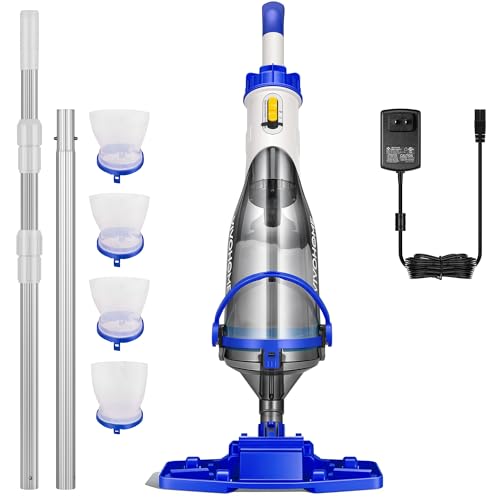
- VC Score8.6
BCP Score is a ranking system developed by bestcleanerproducts.com. BCP Score has no relationship or impact from any manufacturers or sales agent websites. Learn more
- BrandVIVOHOME

- VC Score8.2
BCP Score is a ranking system developed by bestcleanerproducts.com. BCP Score has no relationship or impact from any manufacturers or sales agent websites. Learn more
- BrandKokido

- VC Score8.2
BCP Score is a ranking system developed by bestcleanerproducts.com. BCP Score has no relationship or impact from any manufacturers or sales agent websites. Learn more
- BrandBIELMEIER

- VC Score8.2
BCP Score is a ranking system developed by bestcleanerproducts.com. BCP Score has no relationship or impact from any manufacturers or sales agent websites. Learn more
- BrandPool Supply Town

- VC Score8.0
BCP Score is a ranking system developed by bestcleanerproducts.com. BCP Score has no relationship or impact from any manufacturers or sales agent websites. Learn more
- BrandPOOLWHALE

- VC Score8.0
BCP Score is a ranking system developed by bestcleanerproducts.com. BCP Score has no relationship or impact from any manufacturers or sales agent websites. Learn more
- BrandPOOLAZA
Last update on 2026-06-02 / Affiliate links / Images, Product Titles, and Product Highlights from Amazon Product Advertising API
How to Use a Pool and Spa Vacuum
Slipping into a sparkling pool or spa feels inviting, yet the lurking debris beneath the surface can ruin the whole vibe. How to use a pool and spa vacuum ensures not just cleaner water but a smoother, more enjoyable maintenance routine. Mastering suction, hose setup, and cleaning patterns keeps your water pristine while saving energy and time. Simple tweaks to your approach often yield noticeable results and prevent frustration during regular upkeep.
Vacuum Preparation Basics
Proper setup is the cornerstone of effective cleaning. Ensuring that hoses are fully primed and free of air bubbles preserves consistent suction. Even small leaks or kinks can drastically reduce performance, leaving debris untouched. Take a few minutes to check connections and prepare the vacuum head, so the first pass collects rather than redistributes dirt.
Positioning the vacuum correctly at the start matters. Anchoring the head on flat surfaces and gradually moving towards corners improves debris capture. Avoid random sweeping motions that push dirt back into circulation. A structured approach enhances efficiency and minimizes repeat work.
Some pool owners overlook the filter system. Running a vacuum with a nearly full or dirty filter can reduce the water flow and suction. Empty or clean the skimmer basket and filter elements before beginning. These small preemptive steps prevent frustration and maintain cleaner results from the get-go.
Adapting to the pool's shape is also critical. Angled walls, steps, and corners often trap more debris than flat surfaces. Adjusting the vacuum head and hose angles lets you reach those tricky areas. Precision in preparation pays off when tackling stubborn dirt and leaves.
Hose Priming Techniques
Air trapped in the vacuum hose is a frequent culprit behind weak suction. Slowly submerging the hose and allowing water to fill the entire length ensures full suction power. Some users gently squeeze sections to release trapped bubbles, preventing erratic cleaning performance.
Securing the hose at the skimmer or suction port prevents movement during cleaning. A loose hose may drift, causing gaps in debris removal. Stability of the hose ensures consistent contact with surfaces and enhances vacuum effectiveness.
Monitoring water flow during priming highlights hidden problems. Uneven or turbulent flow can indicate leaks or blockages. Addressing these early ensures the vacuum operates at peak efficiency, saving time and reducing effort.
Experienced users often recommend overlapping hose paths for large areas. This technique prevents missed spots and ensures comprehensive cleaning coverage. Small adjustments in priming habits yield a big payoff in the quality of results.
Effective Cleaning Patterns
Maintaining a methodical approach prevents debris from re-circulating. Slow, overlapping passes allow the vacuum head to lift dirt thoroughly while the water flow captures finer particles. Consistency in movement ensures a cleaner pool surface.
Corners, steps, and walls demand special attention. A slower, more deliberate technique prevents stirring settled debris into the main water column. Targeted passes help capture stubborn dirt and sand that typically evade quick sweeps.
Varying suction intensity along different surfaces can enhance performance. Harder surfaces like tiles may need higher suction, while delicate surfaces like vinyl require lighter touch. This differentiation protects surfaces while maximizing debris removal.
Tracking your pattern visually reduces missed spots. Small notes or mental markers of cleaned zones prevent repeated passes over the same area. Over time, this strategy makes vacuuming faster and more efficient without sacrificing quality.
Surface-Specific Techniques
Fiberglass, concrete, and vinyl all interact differently with the vacuum head. Adjusting pressure and speed accommodates varying textures. Tailoring technique to the surface preserves integrity while ensuring effective dirt removal.
Steps and ledges often accumulate the most debris. Hovering the vacuum slightly over these areas prevents scratches and ensures fine particles are captured. Attention to micro-surfaces keeps overall water clarity high.
Corners can trap sand and organic material. Using smaller hose extensions or angled heads improves reach and suction. A precise approach prevents repeated cleaning cycles and reduces strain on filtration systems.
Routine checks during vacuuming identify problem zones early. Observing the water and debris patterns allows minor adjustments mid-cleaning. Dynamic technique adaptation enhances efficiency and guarantees a more thorough result.
Skimmer and Filter Maintenance
Vacuuming stresses the filtration system. Emptying the skimmer basket before cleaning prevents blockages and maintains optimal flow. A clean filter ensures the vacuum captures debris efficiently rather than sending it back into circulation.
Filters accumulate fine particles quickly during vacuuming. Periodic rinses or replacement maintain consistent suction. Overloaded filters reduce vacuum power and extend cleaning time unnecessarily.
Some vacuums rely on pump-powered suction. Monitoring pump pressure and flow highlights potential issues early. Addressing low suction or uneven flow ensures every pass of the vacuum is productive and consistent.
Regular maintenance of skimmers and filters extends their lifespan. Avoiding clogging and mechanical strain safeguards both the equipment and the quality of water. Proactive upkeep reduces long-term costs and preserves clarity.
Advanced Vacuum Techniques
For those seeking smoother operation, angle and pace adjustments matter. Gradual, controlled sweeps prevent stirring settled debris and maximize collection efficiency. Rapid back-and-forth motions often scatter fine particles, prolonging cleaning sessions unnecessarily.
Adjustable Suction Management
Fine-tuning suction accommodates both pool size and debris density. High suction excels on heavy dirt but can damage delicate surfaces, while lower suction protects finishes without sacrificing effectiveness. Alternating intensity during a session balances surface care and debris removal.
Valve adjustments allow users to divert flow to specific zones, enhancing reach in hard-to-clean areas. This controlled approach ensures each section receives adequate attention and prevents wasted energy. Targeted suction improves overall cleaning results.
Monitoring vacuum head responsiveness helps detect minor suction loss. Small tweaks in hose positioning can restore flow without disrupting the session. Attention to detail keeps cleaning smooth and efficient.
Combining suction management with methodical movement reduces strain on both the pump and operator. Smart pacing preserves energy and ensures consistent debris removal throughout the cleaning process.
Hose and Vacuum Head Maintenance
Regular inspection of hoses prevents leaks and kinks, maintaining consistent suction strength. Minor cracks or loose connections can significantly reduce cleaning performance. Keeping components in top condition guarantees reliable operation.
Vacuum heads may accumulate hair, leaves, or fibrous debris. Clearing these blockages ensures maximum contact with surfaces and effective debris pickup. Clean and functional heads deliver superior results with each pass.
Lubricating moving parts prevents stiffness and allows smoother operation. This simple step enhances maneuverability and reduces operator fatigue. A well-maintained vacuum head performs more efficiently across different pool surfaces.
Periodic replacement of worn-out parts preserves vacuum effectiveness. Quality components minimize downtime and ensure consistent water clarity over repeated sessions.
Timing and Frequency
Scheduling vacuuming according to usage patterns keeps water consistently clean. High-traffic days may require more frequent sessions to control debris buildup. Regular timing prevents accumulation that could affect filtration and aesthetics.
Seasonal changes influence cleaning needs. Leaves, pollen, and organic matter vary in quantity throughout the year, necessitating adjustments in vacuum frequency. Matching cleaning cycles to environmental conditions ensures optimal results.
Nighttime or early morning cleaning can prevent debris from settling during peak activity periods. Maintaining clear water before heavy usage preserves visibility and hygiene. Timing strategically reduces overall maintenance effort.
Consistency over ad-hoc cleaning minimizes long-term effort. Establishing a reliable routine protects both pool surfaces and filtration systems. Predictable vacuum schedules maintain efficiency and cleanliness with less stress.
Best Way To Vacuum A Pool And Spa For Clear Water
Water can look clean from the surface while fine debris quietly settles across the floor and steps. That hidden layer often becomes the reason a pool starts looking dull only a day or two after cleaning. Building on the basics of how to use a pool and spa vacuum, the next step is learning how to keep results lasting longer. A smarter routine reduces repeat work, protects equipment, and helps maintain better water clarity between cleaning sessions.
Common Mistakes That Waste Time
Rushing through vacuuming is one of the biggest mistakes people make. Fast movements stir debris into suspension, making the water look cloudy and forcing the filtration system to work harder. Slower passes create better contact between the vacuum head and the surface, leading to more effective debris removal. Patience often beats speed during routine maintenance.
Ignoring small pockets of dirt creates another problem. Debris that remains near steps, ladders, and corners eventually spreads through the water. Paying extra attention to those areas improves overall cleanliness and reduces how often deep cleaning becomes necessary.
Many people also forget to inspect equipment before starting. A partially clogged hose or dirty skimmer basket can weaken suction considerably. Spending a few minutes on inspection helps preserve consistent vacuum performance and prevents unnecessary frustration.
Water chemistry matters too. Vacuuming removes physical debris, but poor water balance can still leave water looking dull. Combining vacuuming with proper filtration and balanced chemistry creates a stronger foundation for long-term water quality.
Managing Fine Debris And Dust
Large leaves are easy to spot, but fine dust causes many of the ongoing clarity issues. Small particles often settle overnight and become visible only after sunlight hits the water. Using slow overlapping passes helps capture fine sediment before it spreads throughout the pool.
Windy conditions often increase the amount of dust entering the water. Pools located near landscaping or construction areas typically collect more fine debris than expected. Increasing vacuum frequency during those periods helps maintain clearer water conditions without overwhelming the filter.
Filter maintenance becomes especially important during dusty seasons. Dirty filters struggle to capture small particles efficiently. Keeping filters clean supports stronger circulation and improves the effectiveness of every vacuuming session.
For cleaning routines around the home, many people apply the same attention to indoor surfaces. To tackle pet hair that tends to cling to furniture and flooring, explore best miele vacuum for cat hair as part of a broader cleaning strategy.
Cleaning Spa Areas Without Damaging Surfaces
Spa sections often require a gentler approach than larger pool surfaces. Smaller spaces create stronger suction concentration, which can affect delicate finishes if the vacuum remains stationary for too long. Controlled movement protects surfaces while maintaining effective cleaning power.
Jets, seating areas, and footwells frequently collect debris that goes unnoticed. These spots deserve extra attention because trapped dirt can circulate back into the water later. Consistent cleaning of these areas supports better hygiene and cleaner water appearance.
Warm water environments can encourage faster accumulation of oils and organic residue. Vacuuming alone won't solve every issue, but it removes much of the material before it settles deeper into corners. That combination supports easier ongoing maintenance.
Gentle brush attachments can help loosen stubborn particles before vacuuming begins. This approach reduces repeated passes and allows the vacuum to collect debris more efficiently. Small adjustments often deliver noticeably cleaner surfaces.
Building A Practical Cleaning Schedule
Consistency often matters more than intensity. A simple weekly vacuuming routine generally produces better results than waiting until debris becomes obvious. Regular maintenance prevents buildup and helps preserve water clarity throughout the season.
Heavy storms, windy days, and increased pool use can change cleaning needs quickly. Adapting the schedule to current conditions helps control debris before it becomes a larger problem. Flexible planning supports more efficient upkeep and reduces emergency cleaning sessions.
Some owners prefer short maintenance sessions rather than long weekend cleanups. Breaking tasks into smaller segments can feel more manageable and keeps dirt from accumulating. That approach often leads to more consistent results over time.
Tracking recurring problem areas also helps. Certain corners may collect leaves repeatedly due to circulation patterns. Recognizing those locations allows targeted cleaning and improves overall maintenance efficiency.
Extending The Life Of Vacuum Equipment
Pool and spa vacuums last longer when basic care becomes routine. Rinsing hoses, vacuum heads, and attachments after use helps remove chemicals and debris that can shorten component life. Simple habits protect equipment durability and reduce replacement costs.
Storage conditions matter more than many realize. Leaving hoses exposed to direct sunlight for extended periods can lead to cracking and reduced flexibility. Proper storage supports longer equipment lifespan and more reliable performance.
Periodic inspection helps catch minor issues before they become expensive repairs. Small leaks, worn wheels, or damaged brushes can affect cleaning results significantly. Addressing those problems early preserves strong suction capability and smoother operation.
Maintenance routines aren't limited to pool care. Households that prioritize hygiene often apply similar habits elsewhere. For additional cleaning guidance beyond water care, review how to use grin tongue cleaner as part of a broader cleanliness routine.
Getting Better Results With Less Effort
Efficiency comes from technique rather than working harder. Slow overlapping passes, proper hose priming, and clean filtration systems create a noticeable difference in vacuum performance. Together, these habits support cleaner water, reduced maintenance time, and more reliable results.
Paying attention to debris patterns helps identify where dirt naturally accumulates. Cleaning those areas first often prevents debris from spreading throughout the pool. A targeted strategy improves vacuum efficiency while reducing unnecessary effort.
Equipment condition, water circulation, and cleaning frequency all work together. Ignoring one factor can limit the effectiveness of the others. Maintaining balance across these elements creates more predictable maintenance outcomes and fewer surprises.
Clear water rarely comes from a single cleaning session. Consistent habits, careful observation, and proper vacuum technique create the foundation for a pool and spa that remain inviting, cleaner, and easier to maintain throughout the season.


How to Refinish a Fiberglass Pool

How Do You Keep Raccoons Out of Your Pool?

How to Fix Cyanuric Acid in Your Pool

How to Shape a Pool Cue Tip to Stop Miscues

Best Far Infrared Sauna Sauna Heats: Top Picks of 2026

11 Best Far Infrared Sauna Carbon Fiber Heaters of 2026 For Balanced Full-Body Heat

11 Best Carbon Far Infrared Sauna of 2026 For Even Heat

10 Best Bluetooth Speaker For Sauna of 2026 For Heat and Steam


