
How to Use a Leaf Vacuum Without the Hassle

How to Use a Leaf Vacuum sounds simple at first glance, yet plenty of outdoor cleanup projects become frustrating because of a few overlooked details. Piles of damp leaves, hidden twigs, and uneven ground can quickly turn a straightforward task into an exhausting chore. A leaf vacuum works best when it's paired with the right technique, proper timing, and realistic expectations about what it can handle. Small adjustments often create a noticeable difference in both efficiency and cleanup results.
Dry leaves usually move through the machine more smoothly, while soggy debris tends to clog intake openings and slow progress. Patience pays off here. Rather than rushing across the entire yard, tackling debris in manageable sections helps maintain steady airflow and reduces interruptions. A cleaner path also allows the machine to collect material more consistently without leaving scattered patches behind.
Airflow, collection capacity, and ground conditions play a larger role than many people expect. Tall grass can hide debris and limit suction performance, while gravel surfaces may require extra care to avoid pulling unwanted materials into the machine. Ah, that's where practical experience starts to matter. Understanding these conditions before starting often prevents unnecessary stops and repeated passes over the same area.
Noise, dust, and storage concerns frequently influence how satisfied someone feels after buying a leaf vacuum. A quieter machine may offer a more comfortable experience around residential spaces, while larger collection bags reduce the number of trips needed to empty debris. Still, bigger bags add weight as they fill up. Balancing convenience and handling comfort makes yard work far less draining.
Routine maintenance deserves attention as well. Filters packed with dust can reduce suction strength over time, and neglected collection bags may develop unpleasant odors after repeated use. Keeping components clean helps maintain reliable operation and extends the lifespan of the equipment. A few minutes of maintenance after each cleanup session can save significant frustration later.
Seasonal cleanup often brings unexpected challenges. Wind shifts debris into corners, leaves gather beneath shrubs, and narrow spaces become difficult to reach. Fortunately, most leaf vacuums include attachments designed for these situations. Using the correct accessory for each area helps improve collection results while minimizing physical effort.
How to Use a Leaf Vacuum effectively isn't about working harder. It's about creating a steady workflow, understanding the machine's limitations, and adapting to changing yard conditions. Once those habits become second nature, outdoor cleanup feels less like a battle and more like a predictable routine that gets finished with fewer interruptions and better results.

- VC Score9.0
BCP Score is a ranking system developed by bestcleanerproducts.com. BCP Score has no relationship or impact from any manufacturers or sales agent websites. Learn more
- BrandLuster Leaf

- VC Score8.6
BCP Score is a ranking system developed by bestcleanerproducts.com. BCP Score has no relationship or impact from any manufacturers or sales agent websites. Learn more
- BrandECHO

- VC Score8.4
BCP Score is a ranking system developed by bestcleanerproducts.com. BCP Score has no relationship or impact from any manufacturers or sales agent websites. Learn more
- BrandWORX

- VC Score8.4
BCP Score is a ranking system developed by bestcleanerproducts.com. BCP Score has no relationship or impact from any manufacturers or sales agent websites. Learn more
- BrandWORX

- VC Score8.4
BCP Score is a ranking system developed by bestcleanerproducts.com. BCP Score has no relationship or impact from any manufacturers or sales agent websites. Learn more
- BrandHouseluxe

- VC Score8.2
BCP Score is a ranking system developed by bestcleanerproducts.com. BCP Score has no relationship or impact from any manufacturers or sales agent websites. Learn more
- BrandBLACK+DECKER

- VC Score8.2
BCP Score is a ranking system developed by bestcleanerproducts.com. BCP Score has no relationship or impact from any manufacturers or sales agent websites. Learn more
- BrandPoolmaster
- VC Score7.8
BCP Score is a ranking system developed by bestcleanerproducts.com. BCP Score has no relationship or impact from any manufacturers or sales agent websites. Learn more
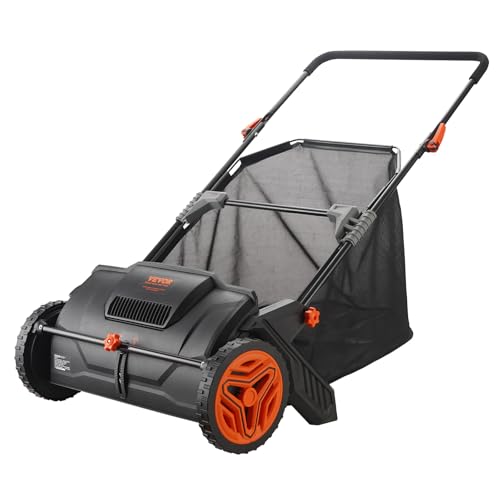
- BrandVEVOR
- VC Score7.0
BCP Score is a ranking system developed by bestcleanerproducts.com. BCP Score has no relationship or impact from any manufacturers or sales agent websites. Learn more
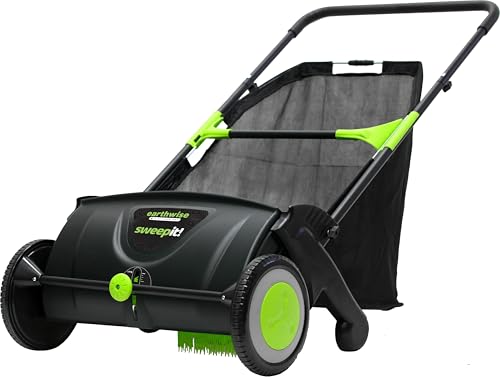
- BrandEarthwise

- VC Score6.8
BCP Score is a ranking system developed by bestcleanerproducts.com. BCP Score has no relationship or impact from any manufacturers or sales agent websites. Learn more
- BrandGreenSweep
Last update on 2026-06-05 / Affiliate links / Images, Product Titles, and Product Highlights from Amazon Product Advertising API
How To Use A Leaf Vacuum Without Yard Cleanup Drama
Fallen leaves look harmless until they turn into wet mats, clog corners, smother grass, and make every walkway feel neglected. A rake can handle small messes, sure, but larger seasonal piles can wear out your back before the yard even looks half finished. That’s where how to use a leaf vacuum becomes less about pushing a machine around and more about working smarter with airflow, timing, and debris control. Done right, the job feels calmer, cleaner, and far less like a Saturday punishment.
Start With The Right Yard Conditions
Leaf vacuum performance depends heavily on the condition of the debris before the machine ever starts. Dry leaves move easily through the intake, break down better in mulching models, and fill the collection bag more evenly. Wet leaves, on the other hand, clump together like a stubborn blanket and can choke the tube fast. So, after rain or heavy morning dew, waiting for leaves to dry can save a lot of stop-and-clear frustration.
Ground surface matters just as much as leaf dryness. Smooth lawns, patios, driveways, and garden paths usually give the vacuum a cleaner bite, while gravel and mulch beds need a lighter touch. Pulling small stones into the impeller can damage the machine or create a nasty rattling sound that nobody wants to hear. For mixed surfaces, use a slower pace and keep the intake slightly raised instead of scraping it across the ground.
Wind direction can either help or sabotage the whole job. Working against the wind pushes leaves back into areas you just cleaned, which feels like mopping with a muddy boot nearby. Starting from the outer edge of the yard and moving toward a central collection zone gives the process more control. It also keeps loose debris from scattering across flower beds, porch steps, and fence lines.
Hidden debris should be cleared before vacuuming. Twigs, acorns, pine cones, plastic wrappers, and small toys can block the intake or damage internal parts. A quick walk-through takes only a few minutes, but it protects the machine and keeps the cleanup moving. This small habit is boring, yes, but it beats kneeling in damp grass to dig a jammed stick out of the tube.
Set Up The Leaf Vacuum Before Starting
Machine setup decides whether the job feels smooth or annoying from the first pass. Check the collection bag, intake tube, shoulder strap, wheels, battery, cord, or fuel level before heading into the yard. A loose bag connection can leak dust and shredded leaves around your legs, which gets old fast. Secure fittings help maintain suction and keep the debris where it belongs.
Collection bag capacity affects comfort more than many people expect. A larger bag reduces emptying trips, but it gets heavier as it fills, especially with damp leaves. For smaller yards, emptying more often may feel easier than dragging a bulky, packed bag around the lawn. The sweet spot is a bag that stays manageable while still holding enough debris to keep progress steady.
Mulching settings deserve a quick look if the vacuum includes them. Mulched leaves take up less space and can become useful garden material if they’re clean and free from trash. Still, very wet leaves can turn into dense clumps instead of fluffy mulch. Dry, crumbly leaves usually produce the best result for compost piles, garden beds, or seasonal soil cover.
Noise and dust control should not be treated as afterthoughts. Leaf vacuums can kick up fine particles, pollen, and old leaf mold, especially around dry corners and neglected beds. Eye protection, gloves, and a dust mask can make the work more comfortable. Neighbors also appreciate reasonable timing, because nobody loves a loud yard machine during breakfast.
Use A Smart Route Instead Of Wandering Around
Yard cleanup strategy works best with a planned route. Randomly moving across the lawn usually creates missed patches, repeated passes, and extra walking. Start near fences, beds, walls, and corners where leaves collect naturally, then move toward open areas. This pattern keeps the mess shrinking instead of spreading.
Section-by-section cleaning gives better results than trying to vacuum the entire yard in one sweep. Divide the area into zones such as the driveway, walkway, lawn edge, patio, and garden border. Each finished zone gives you a clear sense of progress, which helps when the yard looks messy at the start. It also prevents the collection bag from filling unexpectedly far from your disposal spot.
Leaf piles should stay loose rather than packed tight. A thick pile may look efficient, but dense clumps can block suction and force the motor to strain. Feed leaves gradually into the intake, almost like giving the machine small bites instead of one oversized mouthful. That slower rhythm often finishes faster because there are fewer clogs.
Hard-to-reach areas need a different touch. Around shrubs, raised beds, porch rails, and outdoor furniture, the vacuum may need an attachment or a narrower tube angle. Separately, heavy-duty cleaning in shared spaces calls for different equipment, so facilities with constant debris traffic may benefit from vacuum cleaner for hotel use when indoor and outdoor messes overlap. Keeping each tool matched to the cleanup job avoids damage, wasted effort, and poor results.
Control Suction And Movement For Fewer Clogs
Suction control is the heart of learning how to use a leaf vacuum well. Too much force on the wrong surface can pull in mulch, gravel, and soil instead of just leaves. Too little force leaves debris behind and makes the work feel pointless. Adjust the setting, height, or pace based on what the machine is picking up, not just what sounds powerful.
Slow movement usually beats rushing. A leaf vacuum needs a moment to lift, pull, and move debris through the tube. Racing over thick patches creates leftover leaves and repeated passes, which drains time and patience. A steady walking pace gives the airflow room to do its job.
Tube angle can prevent many common blockages. Holding the intake too flat against the ground can seal off airflow, while lifting it too high may reduce pickup. Aim for a slight hover over the leaves, especially on uneven ground. That small gap helps maintain suction without choking the intake.
Clog prevention comes down to feeding the machine the right material at the right speed. Avoid sucking up long sticks, wet clumps, vines, thick seed pods, or garden labels. If the sound changes suddenly, stop and check before forcing the vacuum forward. Machines often warn you with a strained pitch before a full blockage happens.
Handle Flower Beds And Garden Borders Carefully
Garden beds need a softer approach because leaf vacuums can disturb mulch, seedlings, and shallow roots. Use a lower suction setting if available, then skim the surface instead of pressing the intake down. Leaves trapped between perennials may need to be loosened by hand first. This protects the plants while still removing the debris that invites pests and mold.
Mulch areas require patience. Bark chips and lightweight decorative mulch can lift almost as easily as dry leaves, especially with strong suction. Raising the intake slightly helps separate loose leaves from the mulch layer. A quick rake pass before vacuuming can also pull leaves to the edge where the machine can collect them more safely.
Seasonal plant care should guide how aggressively you clean. Some leaf cover can protect soil and support beneficial insects, but thick, wet piles around crowns and stems may cause rot. The goal is not to strip every natural bit from the garden. The better move is to remove heavy buildup while leaving healthy organic matter where it helps the soil.
Indoor residue problems may seem unrelated, yet the same practical rule applies: match the cleaner to the mess. Sticky film on glass needs a different method than dry outdoor leaves, so homes dealing with vapor buildup should compare window cleaner for vape residue instead of forcing a yard tool mindset onto indoor surfaces. Right tool, right mess, fewer headaches.
Empty The Bag Before It Becomes A Burden
Bag management can make or break the cleanup rhythm. A bag that is too full reduces airflow, adds weight, and may cause debris to back up into the tube. Emptying before the bag feels packed keeps suction stronger and handling easier. It also reduces strain on your shoulders, wrists, and lower back.
Leaf disposal depends on what you collect. Clean, shredded leaves can often go into compost, garden beds, or municipal yard waste bags. Leaves mixed with trash, pet waste, or treated material should be handled more carefully. Keeping debris cleaner from the start gives you more useful options after vacuuming.
Mulched leaves can be valuable in the garden when used correctly. A thin layer helps protect soil, reduce erosion, and hold moisture around established plants. Too much, though, can mat down and block water from reaching roots. Spread it lightly and avoid piling it against stems, trunks, or crowns.
Dusty bags should be emptied gently. Shaking them aggressively near patios, doors, or open windows sends fine debris right back into the spaces you’re trying to keep clean. Choose a low-wind spot and empty slowly into a bin, compost area, or yard waste container. A calm emptying routine keeps the finished yard from feeling messy again.
Maintain The Vacuum After Each Cleanup
Post-cleanup maintenance protects suction and keeps the machine ready for the next round. Let the motor stop fully, disconnect power, then check the intake, tube, bag, and impeller area for stuck debris. Small leaf pieces can harden as they dry, especially if the cleanup involved moisture. Removing them early prevents stubborn buildup later.
Filter care matters for models that include filters or dust screens. A clogged filter reduces airflow and makes the motor work harder than necessary. Tap loose dust out gently, then clean according to the manufacturer’s instructions. Never reinstall a wet filter unless the manual clearly says it is safe, because trapped moisture can lead to odor or damage.
Storage habits affect how long the vacuum stays reliable. Keep the machine in a dry area, away from direct weather exposure and heavy objects that could crush tubes or bags. Battery-powered models should be stored according to battery guidance, especially during cold months. Gas models need fuel care so stale fuel does not create starting problems later.
Tile and hard-floor cleanup belongs in a different lane than leaf collection, especially after muddy shoes track yard debris indoors. For sealed tile surfaces that need heat and suction instead of outdoor airflow, compare steam vacuum for tile before using harsh scrubbing habits that wear down grout. Clean outdoor work becomes easier to live with when indoor cleanup has its own proper system.
Advanced Techniques For Effective Leaf Vacuum Use
Handling dense debris and stubborn corners requires more than just pushing the leaf vacuum around. Strategic movement, careful angle adjustments, and selective suction make all the difference. How to use a leaf vacuum efficiently involves knowing how to adapt on the fly, especially when leaves pile up in hidden nooks. Small tweaks in motion and setup prevent clogging and maintain consistent performance across the yard.
Adjust Suction For Different Debris Types
Suction strength should match the type of material you’re collecting. Dry, lightweight leaves glide easily, while wet leaves, twigs, and pine needles need moderated power to avoid jams. Adjusting the intake or throttle helps maintain continuous pickup without overworking the motor. Practically, alternating between high and low suction zones prevents equipment stress and keeps the workflow smooth.
For stubborn leaf piles, a back-and-forth feeding motion can break up clumps without forcing excessive pressure. Feeding the vacuum gradually also prevents small stones and mulch from entering the impeller. These small strategies extend the life of the machine and improve overall efficiency.
Using attachments wisely is a key factor. Narrow nozzles can reach tight spaces without disturbing plants, while wider tubes handle open areas quickly. Proper attachment choice ensures a balance between speed and control, reducing fatigue and maximizing collection. Think of attachments as precision tools for different cleanup challenges.
Regular monitoring of airflow and bag fullness enhances consistency. Clogged bags or tubes reduce suction drastically and make even short passes frustrating. Emptying before the bag feels overloaded maintains performance and reduces strain on both the operator and the vacuum.
Protect Plants And Garden Edges
Flower beds and delicate borders are particularly vulnerable during yard cleanup. A slight lift of the intake above plant crowns prevents accidental damage. Gentle, angled passes keep leaves moving while preserving fragile foliage. Precision and care in these areas ensure debris is removed without compromising garden aesthetics.
Mulched beds require extra caution. Strong suction may lift bark or soil along with leaves. Keeping the vacuum slightly raised or using specialized attachments can segregate leaves from mulch, preserving garden health. Protective measures also prevent soil erosion and maintain bed integrity.
In tight corners or narrow pathways, using a narrower tube or an edge nozzle keeps debris collection precise. It prevents leaves from being pushed into inaccessible spots, reducing repeated cleanup. This method combines control with efficiency, enhancing overall yard care.
Mindful passes along borders also reduce dust and debris scattering. Even light wind can carry loose particles back into previously cleaned areas. Staying attentive to vacuum placement improves results and minimizes post-cleanup frustration.
Incorporate Safety And Comfort Practices
Operator safety is often overlooked. Protective gloves, eye protection, and dust masks mitigate airborne debris and mold spores. Regular stretching or short breaks reduce fatigue, especially during long cleanup sessions. Comfort directly impacts the consistency and effectiveness of leaf vacuum use.
Noise exposure is another factor. Using quieter machines or timing work for less disruptive hours benefits both the operator and neighbors. Reducing unnecessary strain on hearing and maintaining a relaxed posture ensures long-term usability of the tool.
Ergonomic handling matters for extended use. Correct strap adjustment, balanced weight, and intuitive control placement minimize hand and back strain. A machine that feels awkward or heavy can sabotage efficiency even with perfect technique.
Keeping the vacuum accessible, such as having a clear path for maneuvering, reduces awkward positioning. Planning the cleanup route with obstacles in mind prevents mishaps and keeps the job manageable.
Manage Storage And Maintenance Efficiently
Proper post-cleanup care is crucial for longevity. Emptying the bag completely, checking the intake tube for blockages, and wiping down the exterior prevent dust buildup and maintain peak performance. Storing the vacuum in a dry location shields it from environmental damage.
Battery-powered models require attention to charge cycles and safe storage. Cold or damp areas can shorten battery life, so following manufacturer guidelines ensures consistent operation. Gas models need fuel management to prevent stale gasoline from causing startup issues.
Cleaning filters and inspecting moving parts preserves suction and motor health. Even minor clogs can reduce efficiency significantly over time. Routine maintenance is a small investment that guarantees reliable functionality season after season.
Specialized cleaning needs, like sticky residues on hard surfaces, may require complementary tools. For tough indoor cleanup after tracking debris, consider what is in 409 cleaner for a safe, residue-free finish. Using the right product for each scenario protects surfaces and extends the usefulness of both indoor and outdoor equipment.
Maximize Efficiency With Route Planning
Mapping the yard into zones improves efficiency. Start at edges and corners, then move toward central collection areas. This minimizes repeated passes and keeps debris from scattering back into cleaned areas. Smart route planning enhances both speed and results.
Marking sections mentally or physically ensures no spot is overlooked. Breaking the cleanup into smaller chunks prevents fatigue and maintains consistent suction power. It also makes the process more manageable for long stretches of debris-laden lawn.
Adjusting speed to match leaf density avoids clogs and overexertion. Slow, methodical sweeps through heavy areas protect the vacuum and improve collection rates. Quick passes work best for thin, scattered leaves on open turf.
Regularly shifting approach based on terrain and debris type keeps the cleanup flow steady. Hills, slopes, and uneven patches benefit from different handling compared to flat open spaces. Maintaining flexibility ensures that how to use a leaf vacuum remains efficient in all yard conditions.
Integrate With Indoor Maintenance Routines
Tracking leaves inside the home is a common issue after outdoor cleanup. Using targeted indoor tools preserves floor surfaces and prevents dirt buildup. For hardwood or laminate floors, a small vacuum for hard floors complements outdoor efforts effectively, reducing cross-contamination and keeping interiors clean.
Dust and small debris can settle in corners, under furniture, and along thresholds. Quick vacuum sessions indoors after yard cleanup prevent prolonged exposure to allergens and dirt. Pairing outdoor and indoor tools strategically keeps both environments in optimal condition.
Transitioning between outdoor and indoor cleaning requires minimal setup changes. Keeping equipment organized and ready ensures efficiency. Proper care of indoor floors also extends the lifespan of both flooring and cleaning tools, maintaining cleanliness and durability simultaneously.
Combining outdoor vacuum use with indoor touch-ups creates a seamless cleaning routine. The synergy between specialized tools allows for consistent results without extra physical strain. Adopting this approach ensures the yard stays neat and indoor spaces remain free from tracked debris.
Seasonal Adjustments For Optimal Performance
Different seasons demand adapted techniques. Wet autumn leaves, spring pollen, and winter debris each challenge the vacuum differently. Adjusting suction, speed, and handling for seasonal conditions maintains consistent efficiency and protects equipment from damage.
Temperature fluctuations can affect battery performance and motor efficiency. Allowing warm-up time or selecting the proper settings compensates for cold mornings or humid afternoons. Small adjustments prevent stalling and extend the lifespan of critical components.
Tracking leaf color and moisture also informs cleanup priorities. Early collection prevents matting and mold growth, which are harder to remove later. Efficient seasonal planning reduces effort and ensures debris doesn’t accumulate to an overwhelming level.
Integrating seasonal care into a regular schedule transforms leaf vacuum use from reactive to proactive. Anticipating challenges and adjusting technique protects both the yard and the machine, maximizing overall results and satisfaction.


How to Refinish a Fiberglass Pool

How Do You Keep Raccoons Out of Your Pool?

How to Fix Cyanuric Acid in Your Pool

How to Shape a Pool Cue Tip to Stop Miscues

Best Far Infrared Sauna Sauna Heats: Top Picks of 2026

11 Best Far Infrared Sauna Carbon Fiber Heaters of 2026 For Balanced Full-Body Heat

11 Best Carbon Far Infrared Sauna of 2026 For Even Heat

10 Best Bluetooth Speaker For Sauna of 2026 For Heat and Steam


