
How to Use a Handheld Vacuum Without the Hassle

How to use a handheld vacuum sounds simple on the surface, yet plenty of people end up frustrated by weak suction, short battery life, or debris that seems determined to stay put. Small messes have a sneaky way of piling up. Crumbs settle into couch cushions, pet hair clings to fabric, and dust gathers in corners that larger machines struggle to reach. A handheld vacuum can tackle these jobs quickly, but getting the most from it requires a little know-how.
Good results start with the right approach. Proper attachment selection often makes a bigger difference than many expect. A crevice tool can reach narrow gaps between furniture, while a brush attachment helps loosen stubborn dirt from upholstery and delicate surfaces. Skipping the correct tool may leave debris behind and force repeated passes over the same area.
Battery management also plays a huge role in performance. Many people grab a handheld vacuum only to find the battery nearly empty. Keeping the unit charged and ready prevents interruptions during cleanup. At the same time, avoiding unnecessary high-power settings can help preserve runtime while still delivering effective results on everyday dirt and dust.
Surface preparation matters more than it seems. Larger debris, tangled cords, and small objects can obstruct airflow or clog the vacuum path. Clearing obvious obstacles beforehand allows consistent suction and smoother operation. That small step can save time and reduce wear on internal components.
Then there's maintenance. Nobody enjoys cleaning a vacuum, yet neglecting the dustbin and filters can dramatically reduce performance. Emptying the collection chamber before it becomes overfilled helps maintain airflow. Clean filters also support stronger suction and improve overall efficiency, especially when dealing with fine dust or pet hair.
Storage habits influence long-term reliability as well. Tossing a handheld vacuum into a crowded closet may damage attachments or place unnecessary strain on moving parts. A designated storage space keeps everything organized and ready for the next cleanup. Little habits like these often determine whether a vacuum stays dependable for years or becomes another neglected appliance.
Different cleaning situations call for different techniques. Furniture, vehicles, stairs, and shelves each present unique challenges. Adjusting movement speed, attachment choice, and cleaning direction helps capture debris more effectively. Rather than rushing through the task, a steady method usually produces better results with fewer repeat passes.
How to use a handheld vacuum successfully isn't about complicated procedures. It's about making smart choices before, during, and after cleaning. With the right habits, routine messes become easier to manage, maintenance feels less burdensome, and the vacuum delivers the performance it was designed to provide. Small adjustments can turn a quick cleanup tool into one of the most useful devices in the house.

FUOAYOC Handheld Vacuum Cordless,Car Cordless Rechargeable, 6KPA Powerful Suction Hand
View on Amazon- VC Score10.0
BCP Score is a ranking system developed by bestcleanerproducts.com. BCP Score has no relationship or impact from any manufacturers or sales agent websites. Learn more
- BrandFUOAYOC
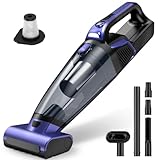
- VC Score9.2
BCP Score is a ranking system developed by bestcleanerproducts.com. BCP Score has no relationship or impact from any manufacturers or sales agent websites. Learn more
- BrandRELIDOL

- VC Score8.8
BCP Score is a ranking system developed by bestcleanerproducts.com. BCP Score has no relationship or impact from any manufacturers or sales agent websites. Learn more
- BrandBLACK+DECKER
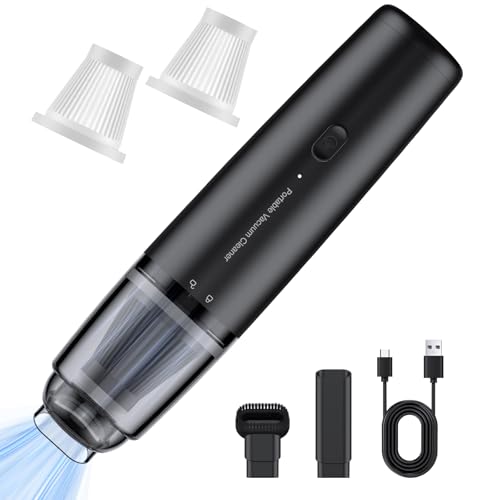
- VC Score8.8
BCP Score is a ranking system developed by bestcleanerproducts.com. BCP Score has no relationship or impact from any manufacturers or sales agent websites. Learn more
- BrandLYFUHUI
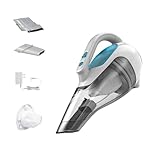
- VC Score8.8
BCP Score is a ranking system developed by bestcleanerproducts.com. BCP Score has no relationship or impact from any manufacturers or sales agent websites. Learn more
- BrandBLACK+DECKER

- VC Score8.6
BCP Score is a ranking system developed by bestcleanerproducts.com. BCP Score has no relationship or impact from any manufacturers or sales agent websites. Learn more
- BrandBLACK+DECKER

- VC Score8.4
BCP Score is a ranking system developed by bestcleanerproducts.com. BCP Score has no relationship or impact from any manufacturers or sales agent websites. Learn more
- BrandJONYJ

- VC Score8.2
BCP Score is a ranking system developed by bestcleanerproducts.com. BCP Score has no relationship or impact from any manufacturers or sales agent websites. Learn more
- BrandKMM

- VC Score8.0
BCP Score is a ranking system developed by bestcleanerproducts.com. BCP Score has no relationship or impact from any manufacturers or sales agent websites. Learn more
- BrandPiwosa

- VC Score8.0
BCP Score is a ranking system developed by bestcleanerproducts.com. BCP Score has no relationship or impact from any manufacturers or sales agent websites. Learn more
- BrandA9life

- VC Score7.4
BCP Score is a ranking system developed by bestcleanerproducts.com. BCP Score has no relationship or impact from any manufacturers or sales agent websites. Learn more
- Brandred mitochondria
Last update on 2026-06-26 / Affiliate links / Images, Product Titles, and Product Highlights from Amazon Product Advertising API
How To Use A Handheld Vacuum For Daily Messes
Crumbs never land where they’re easy to grab. They slide into sofa seams, sit under the breakfast bar, and somehow end up in the car before anyone admits they ate crackers back there. That’s why how to use a handheld vacuum matters more than most people think, because the tool is small, quick, and handy, but it still needs the right rhythm. Used poorly, it feels weak and fussy; used well, it saves a full-size vacuum from coming out for every little spill.
A handheld vacuum does its best work on small, fresh, loose debris. Dry cereal, lint, pet hair, dust on shelves, and dirt in car mats are the jobs it was born to handle. Wet spills, sticky food, fireplace ash, and large sharp bits can clog the path or damage the motor unless the model is built for that kind of mess. A smart first step is knowing what the vacuum should clean and what should be picked up by hand first.
The biggest mistake is rushing straight at the mess like the vacuum can swallow everything at once. Slow passes give the suction channel time to pull debris into the bin. Short, controlled strokes work better than long lazy sweeps, especially on fabric and tight corners. That small adjustment helps maintain steady suction without forcing the motor to fight clumps.
A handheld vacuum also needs a little respect for airflow. Blocked vents, packed filters, and an overfilled dust cup can make a decent unit feel tired. Emptying the bin before it reaches the max line keeps debris from choking the air path. Clean airflow is the quiet backbone of reliable pickup power.
Charge It Before The Mess Shows Up
Battery life can turn a quick cleanup into a tiny headache. Nobody wants to grab a vacuum for spilled coffee grounds and hear it cough out after ten seconds. Keeping the handheld vacuum on its charging dock or plugged in after use gives it a better chance of being ready. A charged battery supports consistent suction from the first pass to the last.
Power mode matters too. High mode sounds satisfying, but it drains the battery fast and isn’t always needed. Standard mode usually handles crumbs, dust, and light hair without burning through runtime. Save the stronger setting for stubborn debris, car mats, or pet hair stuck in upholstery.
Charging habits also affect how the vacuum feels over time. Letting the battery run completely flat again and again can shorten convenience, especially with older units. A simple routine works better: use it, empty it, dock it. That keeps the tool ready for the next mess instead of buried in a closet with a dead battery.
Heat is another quiet problem. After a long cleaning session, the motor and battery may feel warm, and pushing straight into another job can strain the unit. Letting it cool for a few minutes protects motor life and helps prevent performance dips. Small machines work hard, so giving them breathing room is just common sense.
Pick The Right Attachment Before You Start
Attachments aren’t just extra plastic pieces tossed into the box. They decide whether the vacuum grabs debris cleanly or just pushes it around. The crevice tool reaches sofa cracks, seat rails, drawer corners, and baseboard edges where the main nozzle can’t fit. For narrow gaps, the right attachment beats raw suction every time.
A brush tool is better for dusty shelves, lampshades, keyboards, vents, and textured surfaces. The bristles loosen dirt without scraping delicate finishes. A motorized pet tool, if included, can help lift hair from fabric because it agitates the fibers while suction pulls. That combo matters for pet hair control, especially on cushions and car seats.
Flat nozzles work well on hard surfaces like counters, stairs, and drawer interiors. They cover more area than a crevice tool and help gather loose debris quickly. But they’re not great for deep seams, so switching tools mid-cleaning isn’t wasted time. It’s often the difference between a quick pass and three annoying repeats.
For larger cleaning routines in guest-heavy spaces, compare practical equipment needs with best vacuum cleaner hotel use before relying on a handheld unit for everything. A compact vacuum is terrific for touch-ups, but bigger spaces need stronger capacity and longer runtime. Matching the tool to the job keeps expectations realistic.
Use Slow Passes On Fabric And Tight Corners
Fabric holds dirt like it has a personal grudge. Couch cushions, pet beds, stairs, and car seats trap crumbs and hair between fibers, so fast swipes usually miss plenty. Move the handheld vacuum slowly and overlap each pass slightly. This gives suction and agitation enough time to lift debris instead of skimming over it.
Angle the nozzle into seams instead of hovering above them. A slight tilt helps the opening sit closer to the debris line, especially along cushion edges or stitched car seats. For deep cracks, use the crevice tool in short pulls rather than one long drag. That technique helps prevent crumbs from scattering deeper into the gap.
Pet hair needs patience. Start with a brush or motorized attachment, then vacuum in more than one direction. Hair often lays flat with the grain of fabric, so changing direction lifts strands the first pass missed. A lint roller can help with the last stubborn bits, but the vacuum should handle the bulk of daily fur buildup.
Hard corners need the same calm approach. Pressing the nozzle too tightly against a surface can block airflow and reduce pickup. Leave just enough space for air to move while keeping the opening close to the dirt. That balance protects cleaning efficiency and makes the vacuum feel stronger than it would during rushed use.
Empty The Dust Cup Before Suction Drops
A packed dust cup is one of the fastest ways to ruin performance. The vacuum may still make noise, but airflow gets weaker as debris crowds the chamber. Emptying the bin after each solid cleanup keeps suction from fading. This habit matters most with fine dust, pet hair, and crumbs, which can pile up faster than expected.
Don’t wait for the dust cup to look completely full. Hair and lint expand inside the bin and can block airflow before the debris reaches the marked line. Tap the container gently over the trash, then check the intake opening for clumps. A clear path helps the motor pull air instead of fighting a jam.
Filters need attention too. A dirty filter can make the vacuum sound strained while collecting very little. Washable filters should dry fully before going back in, because damp filters can cause odors and airflow problems. Dry, clean filtration supports better suction stability during quick cleanups.
Carpet cleaner owners face a similar measuring problem with liquid machines, so use solution for hoover carpet cleaner as a separate guide for wet cleaning routines. A handheld vacuum is built for quick dry pickup, not solution-based cleaning. Keeping those jobs separate helps avoid clogs, odors, and messy damage.
Clean Cars, Stairs, And Shelves Without Wrestling The Tool
Cars are where handheld vacuums really earn their keep. Seat tracks, cup holders, floor mats, and door pockets collect all the tiny stuff nobody wants to touch. Start high, then move downward so dust and crumbs fall toward areas you haven’t cleaned yet. That simple order makes car interior cleaning feel less like chasing debris in circles.
Floor mats need a quick shake before vacuuming. Loose sand and grit come out faster when the mat gets a few firm taps outside the car. Then use slower strokes with a brush or wider nozzle to lift what remains. For packed dirt, repeated light passes beat one aggressive scrape.
Stairs call for control more than speed. A handheld vacuum keeps one hand free for balance, which is a big plus on narrow steps. Work one step at a time, starting with corners and edges before cleaning the center tread. This order targets dust lines and hair buildup where they usually settle first.
Shelves and window tracks need a gentler touch. Remove small objects first so the vacuum doesn’t swallow coins, plant labels, screws, or tiny toys. Use a brush attachment on dusty surfaces and a crevice tool for tracks. Careful prep prevents clogs and protects delicate household items.
Handle Pet Hair Before It Takes Over
Pet hair rarely stays in one place. It clings to cushions, floats under chairs, and gathers along baseboards like it pays rent. A handheld vacuum helps most when it becomes part of a small routine instead of a rescue mission after the whole house looks fuzzy. Frequent short cleanups keep pet hair buildup from turning into a bigger chore.
Fabric needs agitation. Use a brush or pet tool and vacuum against the direction the hair lies. Short strokes loosen embedded strands better than smooth sweeping motions. That extra friction gives suction something to grab.
Hard floors and corners need a lighter touch. Pet hair can scatter if the nozzle blows air ahead of the intake, so start from the outside edge and move inward. This keeps loose fur from spreading across the room. A calm pattern supports cleaner edges and faster pickup.
Homes with shedding cats may need a dedicated robot for routine floor maintenance, so compare that option with best automatic vacuum cat hair while keeping the handheld vacuum for furniture, stairs, and cars. Each tool has its lane. The handheld handles spots and surfaces, while an automatic vacuum helps reduce daily floor fur before it piles up.
Best Way To Use A Handheld Vacuum Efficiently
People often assume a handheld vacuum should keep performing the same way year after year without much attention. Reality is different. Dust, hair, fine debris, and neglected filters slowly reduce suction power, shorten battery life, and make cleaning take longer than necessary. A few maintenance habits can protect long-term performance and help the vacuum stay useful for everyday messes.
Most handheld vacuums struggle because airflow becomes restricted. Dirt builds up where it isn't obvious, especially around filter housings and intake channels. Spending a few minutes every week checking these areas helps maintain consistent airflow and prevents the machine from working harder than it should. Small maintenance tasks usually save much bigger headaches later.
Expectations also need to stay realistic. A handheld vacuum isn't built to replace a full-size upright for deep whole-house cleaning. Its strength comes from speed, convenience, and the ability to tackle small messes before they become larger problems. Using it within those limits produces better results and less frustration.
Cleaning routines become easier when the vacuum is always accessible. Storing it near common trouble spots such as kitchens, mudrooms, or garages increases the likelihood that spills get handled immediately. Quick action prevents dirt from spreading and helps maintain cleaner living spaces with less effort.
How To Clean Filters Without Damaging Them
Filters quietly carry much of the workload inside a handheld vacuum. They trap fine dust particles while allowing air to pass through the machine. Once a filter becomes clogged, suction efficiency starts dropping even if the motor itself remains perfectly healthy. Many people mistakenly blame the battery when the filter is actually the issue.
Always check the manufacturer's cleaning instructions before washing any filter. Some filters are designed to be rinsed with water, while others require dry cleaning only. Using the wrong method can weaken filter material and reduce its ability to capture dust. Protecting the filter protects overall vacuum performance.
Drying matters just as much as washing. Reinstalling a damp filter may create unpleasant odors and can allow moisture to reach internal components. Give washable filters plenty of time to air dry completely. Patience during this step supports clean airflow and better reliability.
Replacement schedules shouldn't be ignored either. Even well-maintained filters wear out eventually. If suction remains weak despite cleaning, installing a fresh filter often restores a surprising amount of cleaning power without replacing the entire vacuum.
Common Mistakes That Reduce Suction Power
One of the fastest ways to reduce performance is vacuuming oversized debris. Large objects can partially block the intake channel and restrict airflow. Picking up those items by hand first protects motor efficiency and reduces the chance of stubborn clogs.
Another common mistake involves pressing the nozzle tightly against surfaces. It feels like more pressure should increase cleaning ability, but the opposite often happens. Airflow becomes restricted, limiting the vacuum's ability to pull debris inside. Leaving a slight gap helps maintain proper suction flow.
Ignoring attachment changes causes problems too. The main nozzle isn't always the right tool for every task. Tight corners, upholstery seams, and vehicle interiors usually benefit from specialized attachments that improve cleaning precision and reduce wasted effort.
People who regularly maintain outdoor spaces often recognize a similar principle. Specialized equipment delivers better results when matched to the task. The same idea applies to pool maintenance, where selecting a pool vacuum sloped pool can make difficult surfaces easier to clean without unnecessary strain on the equipment.
Keeping Pet Hair Under Control Every Day
Pet owners know the battle never really ends. Hair settles into fabric, gathers under furniture, and drifts along baseboards no matter how often cleaning happens. Short daily sessions with a handheld vacuum usually work better than waiting until fur becomes overwhelming. Consistency supports cleaner furniture and reduces visible buildup.
Upholstery often requires more than one pass. Hair can weave itself into fabric fibers, making removal slower than loose debris pickup. Using brush attachments and varying cleaning directions helps loosen stubborn strands. That extra effort improves hair removal efficiency significantly.
Pet beds deserve special attention. They collect fur, dust, dander, and tiny debris every day. Frequent vacuuming helps reduce surface buildup while making the sleeping area feel fresher. Maintaining these areas supports better cleanliness throughout the room.
Vehicle interiors present another challenge. Hair sticks to carpeted floor mats and fabric seats surprisingly well. A combination of brushing and slow vacuum passes often produces better results than aggressive scrubbing. Patience usually beats force when dealing with embedded pet hair.
Using A Handheld Vacuum In Hard To Reach Spaces
Some household messes seem determined to hide in awkward locations. Window tracks, behind appliances, between cushions, and under furniture often collect dust that larger vacuums struggle to reach. Handheld models shine in these situations because of their compact design and flexibility.
Kitchen corners deserve regular attention. Tiny crumbs accumulate near appliances and cabinet edges where they often go unnoticed. A crevice attachment allows targeted cleaning without moving heavy furniture or equipment. That convenience helps maintain better day-to-day cleanliness.
Bookshelves collect more dust than many people realize. Decorative items, frames, and electronics create surfaces where particles settle continuously. Vacuuming these areas gently with a brush attachment helps reduce buildup while protecting delicate finishes. Small habits create long-term cleanliness benefits.
Some people appreciate specialized cleaning tools for very specific tasks. Similar thinking applies outside household vacuuming. Anyone interested in delicate maintenance jobs can compare cleaning techniques used with devices such as an xlife ear cleaner, where careful handling and proper technique matter more than force.
Building A Cleaning Routine That Actually Sticks
Many cleaning routines fail because they feel too ambitious. Large plans often collapse after a busy week. A handheld vacuum works best as part of a simple habit that requires only a few minutes at a time. Small efforts repeated consistently create lasting results.
Target the areas that collect messes fastest. Entryways, kitchens, vehicles, sofas, and pet zones usually produce the biggest visual improvement for the least amount of work. Focusing on these spots helps maintain visible cleanliness without spending an entire afternoon cleaning.
Keep supplies together whenever possible. Storing attachments, charging accessories, and replacement filters nearby eliminates excuses and makes maintenance easier. Organization supports faster cleanup sessions and reduces frustration during unexpected messes.
Cleaning habits become sustainable when they fit naturally into everyday life. A quick pass after meals, a few minutes in the car each weekend, or regular attention to pet areas prevents dirt from building into larger problems. Those simple actions allow a handheld vacuum to deliver its biggest advantage: convenient cleaning without turning every mess into a major project.


How to Refinish a Fiberglass Pool

How Do You Keep Raccoons Out of Your Pool?

How to Fix Cyanuric Acid in Your Pool

How to Shape a Pool Cue Tip to Stop Miscues

Best Far Infrared Sauna Sauna Heats: Top Picks of 2026

11 Best Far Infrared Sauna Carbon Fiber Heaters of 2026 For Balanced Full-Body Heat

11 Best Carbon Far Infrared Sauna of 2026 For Even Heat

10 Best Bluetooth Speaker For Sauna of 2026 For Heat and Steam


